
Hermetica Journal
The Ingredient Encyclopedia: what is in your supplements, explained.
Explore ingredient research, product comparisons, and practical routines built around Hermetica's Made-in-USA formulas.
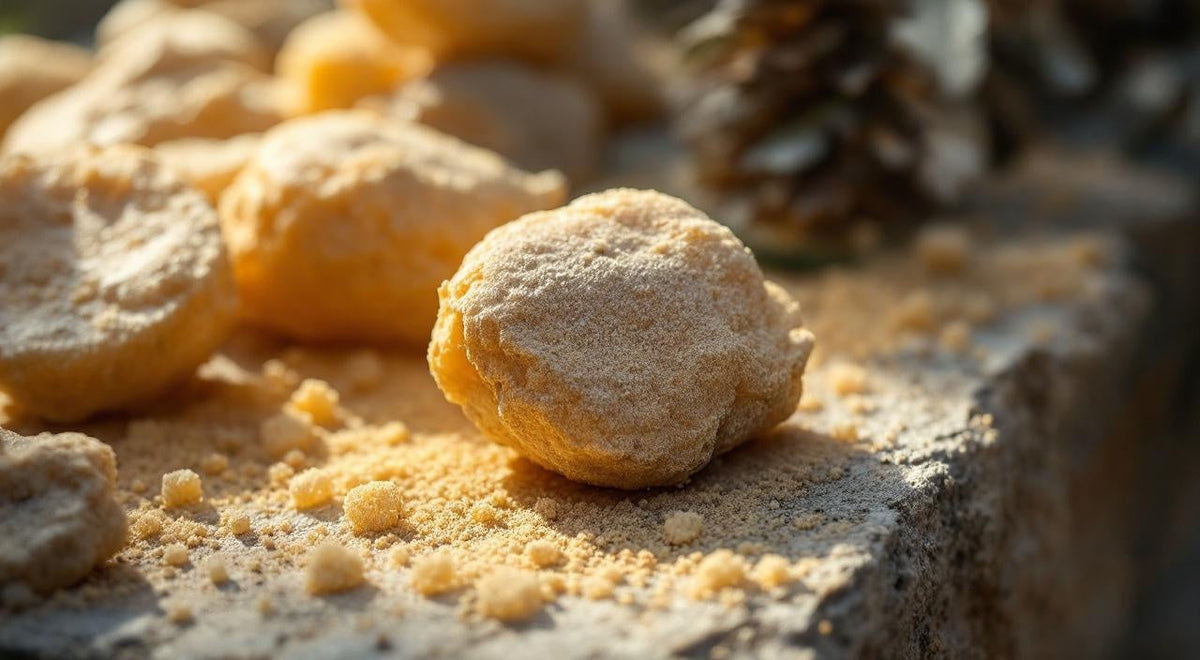
Chuquiraga
No human clinical trials have been conducted on Chuquiraga oppositifolia or any Chuquiraga species as of the available literature, making it imposs...
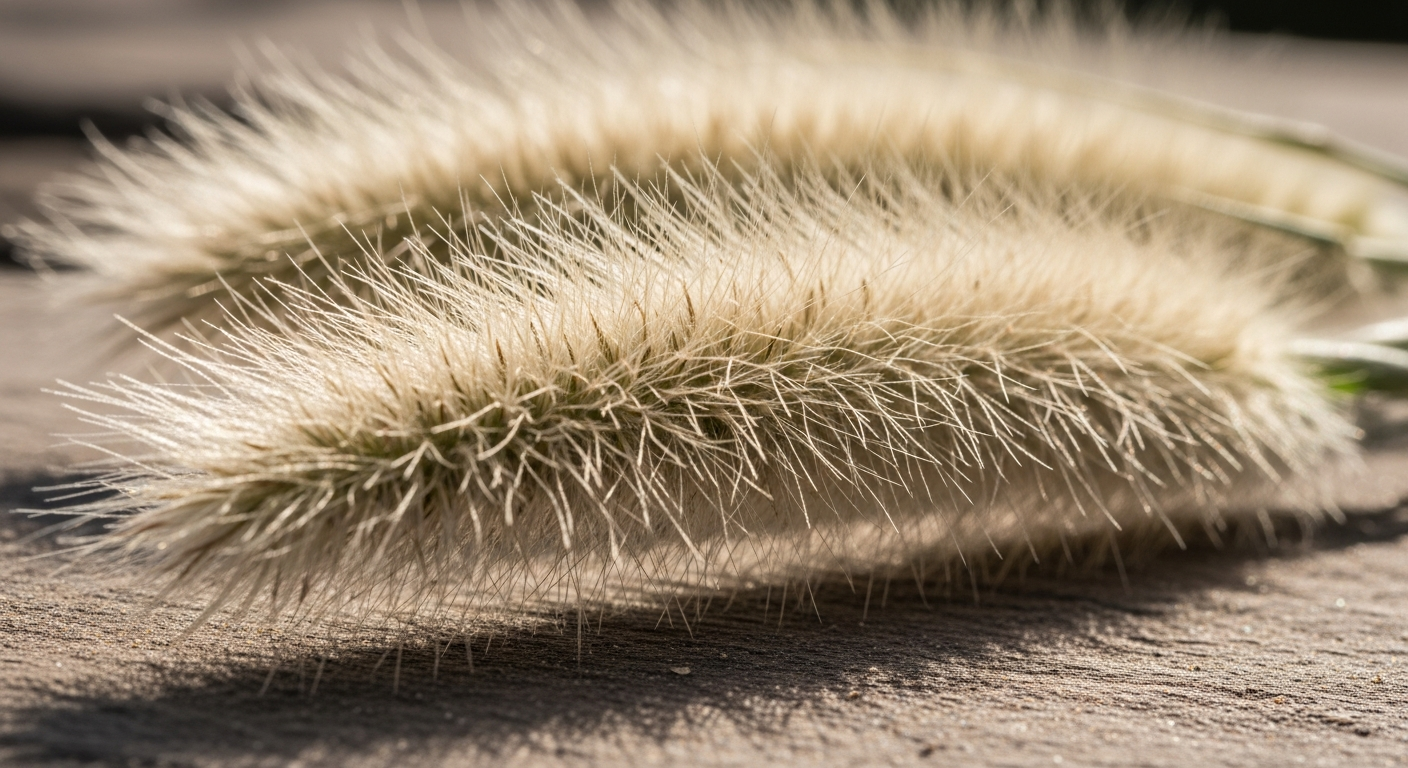
Cogon Grass
No human clinical trials investigating Imperata cylindrica for any indication have been identified in the available scientific literature, making a...
Apocynin
Most evidence for apocynin derives from in vitro cell studies and animal models, where it consistently reduces NOX2-derived superoxide and inflamma...
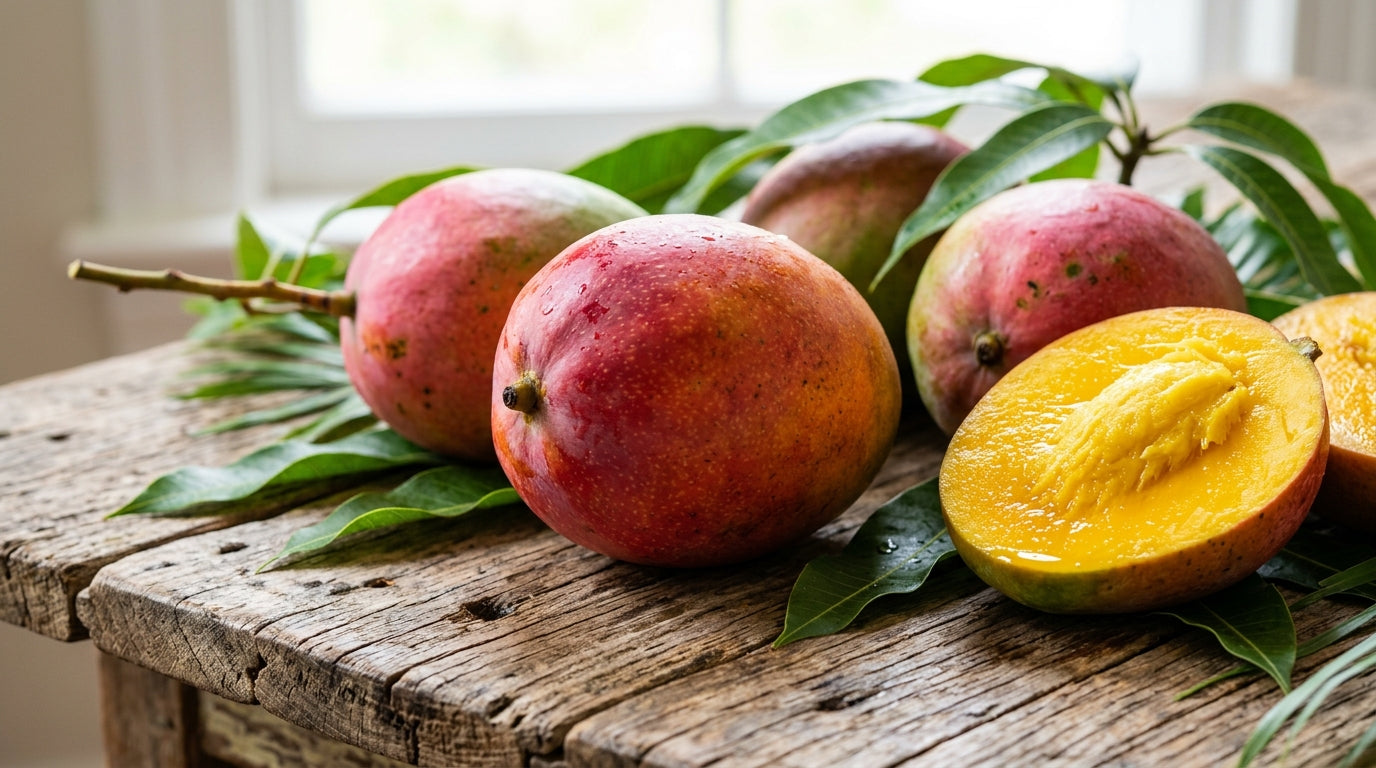
Manga Rosa
While direct human clinical trials specifically on the Manga Rosa cultivar are currently not widely reported, research on *Mangifera indica* cultiv...
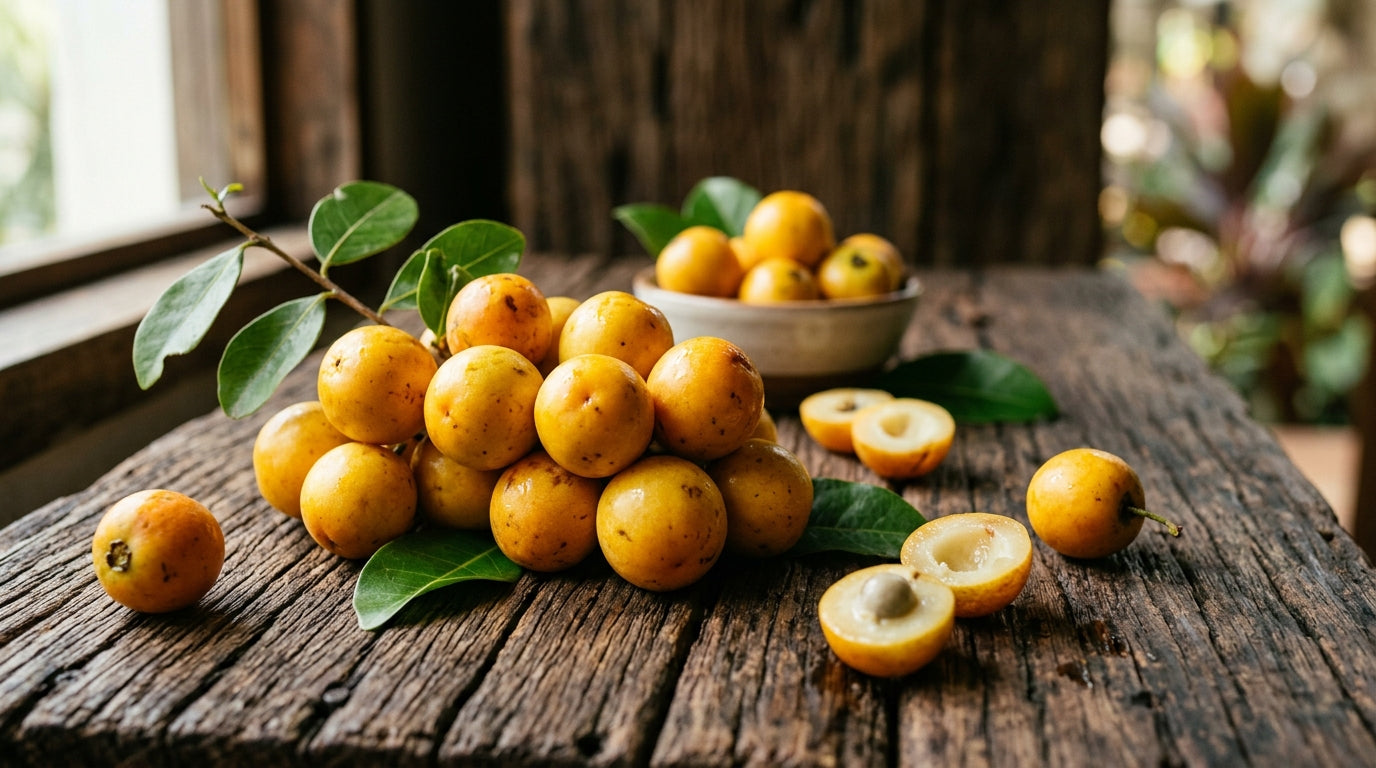
Craboo Fruit
Comprehensive clinical trials on Craboo Fruit, detailing study types, participant numbers, or specific health outcomes, are not available in the cu...
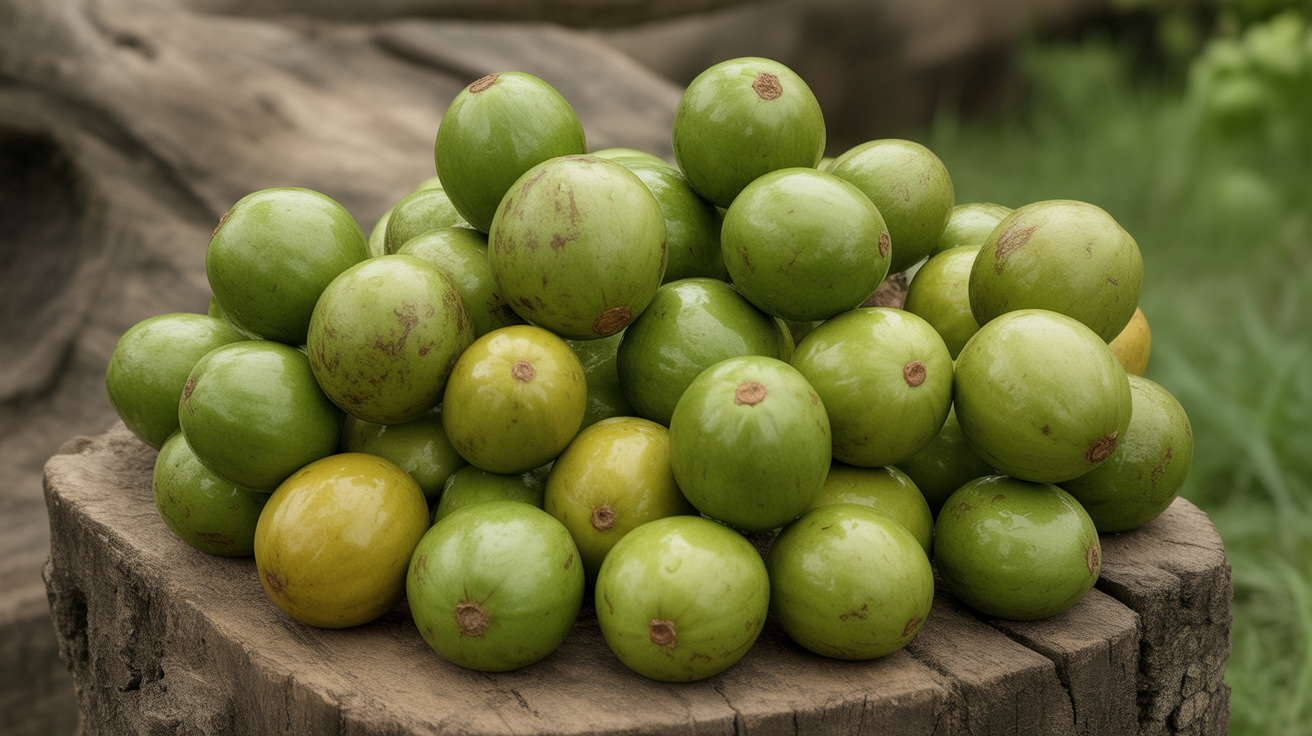
Kalumpit Fruit
Research, including in vitro and ex vivo studies on antioxidant extraction, consistently confirms Kalumpit Fruit's high phenolic content and potent...
Full Article Library
Ingredient Encyclopedia articles
1119 published guides, page 2 of 23.
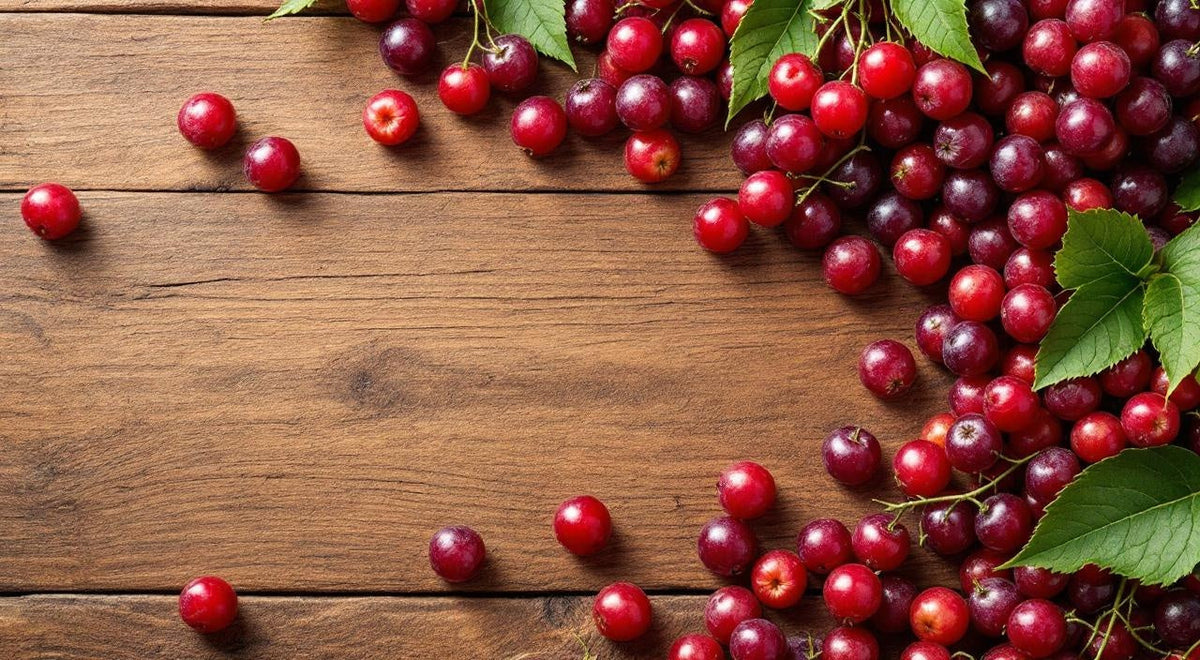
No clinical studies have been conducted on Alamo Vine Fruit (Merremia tuberosa) due to its recognized toxicity and lack of documented human health applications
Read guide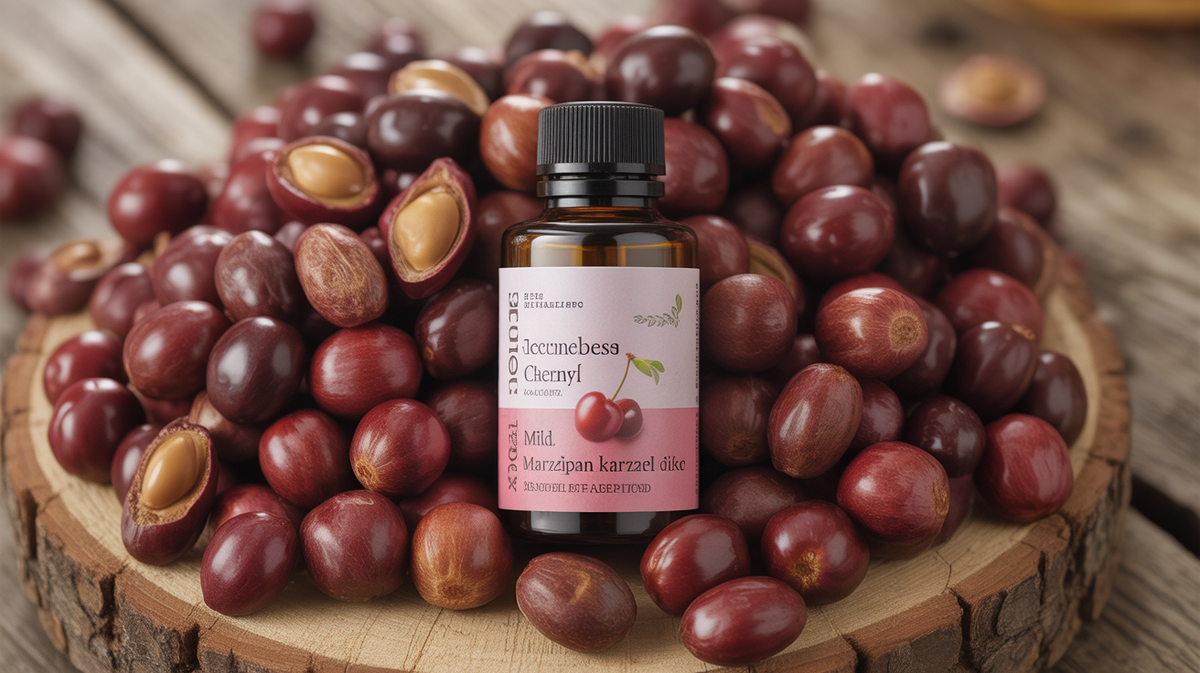
Preliminary research, primarily involving in vitro and animal studies, suggests Japanese Cherry Kernel Oil possesses significant anti-aging and anti-inflammatory properties
Read guide
Scientific research, primarily from in vitro and animal studies, indicates that fermented blackberries exhibit enhanced antioxidant capacity and beneficial metabolic effects
Read guide
Animal studies demonstrate significant wound healing acceleration in diabetic conditions through enhanced cell migration and growth factor expression
Read guide
Limited research exists specifically on Yunnan Hackberry Berry, with most evidence extrapolated from studies on similar anthocyanin-rich berries
Read guide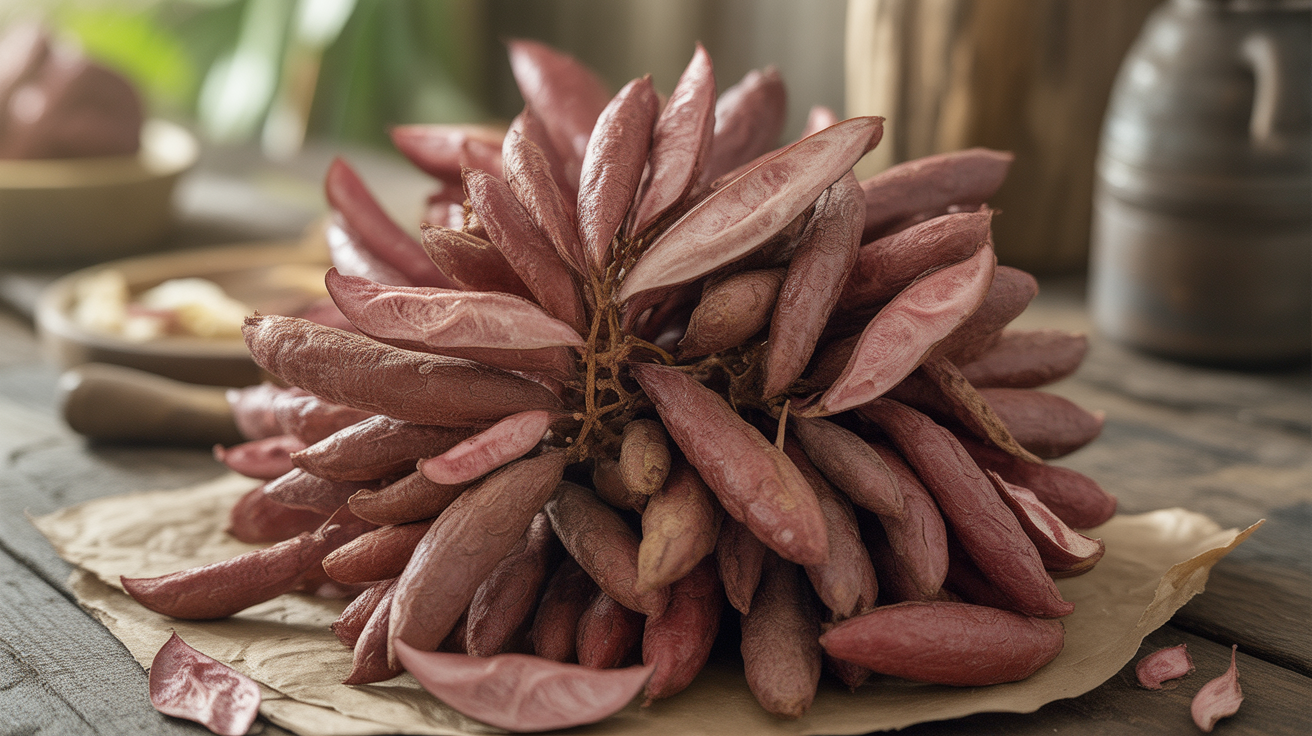
Limited human trials have evaluated kokum bark, with most research conducted in animal models and in vitro studies
Read guide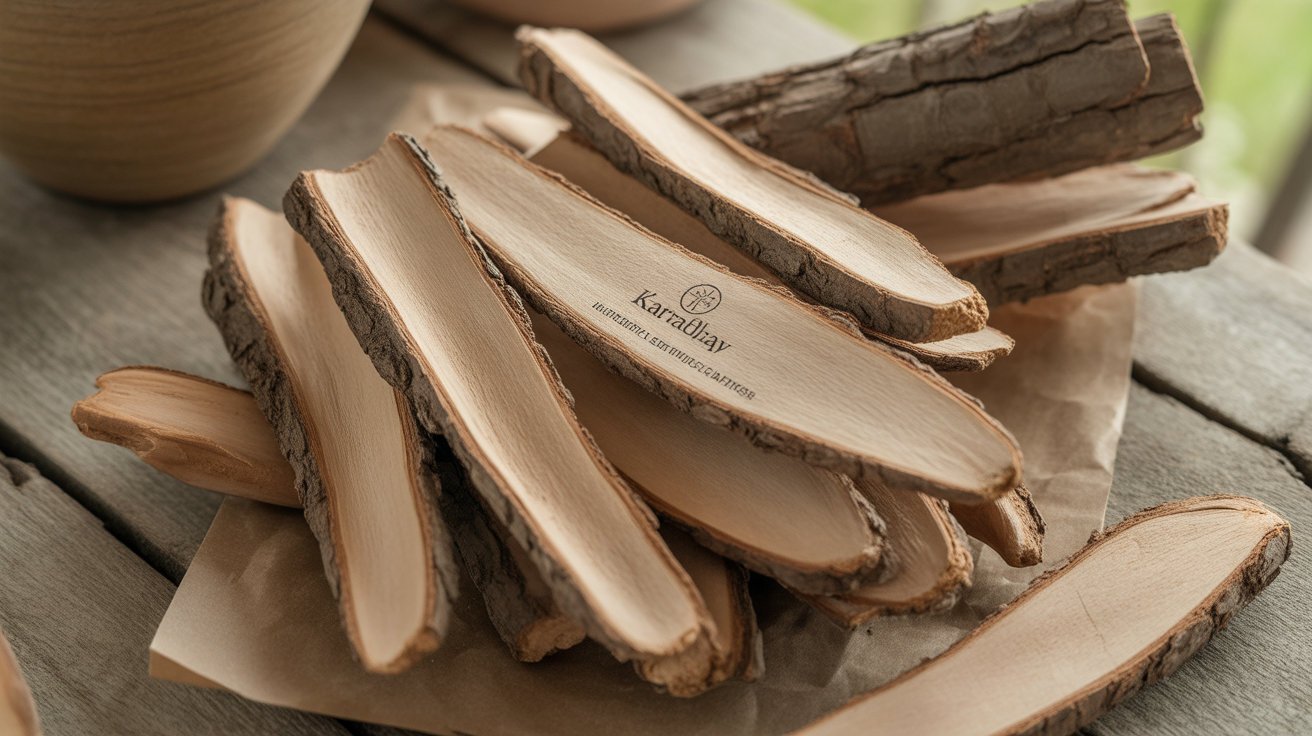
Current scientific literature, primarily comprising ethnobotanical accounts and preliminary in vitro/in vivo studies, supports Katrafay Bark's traditional uses
Read guide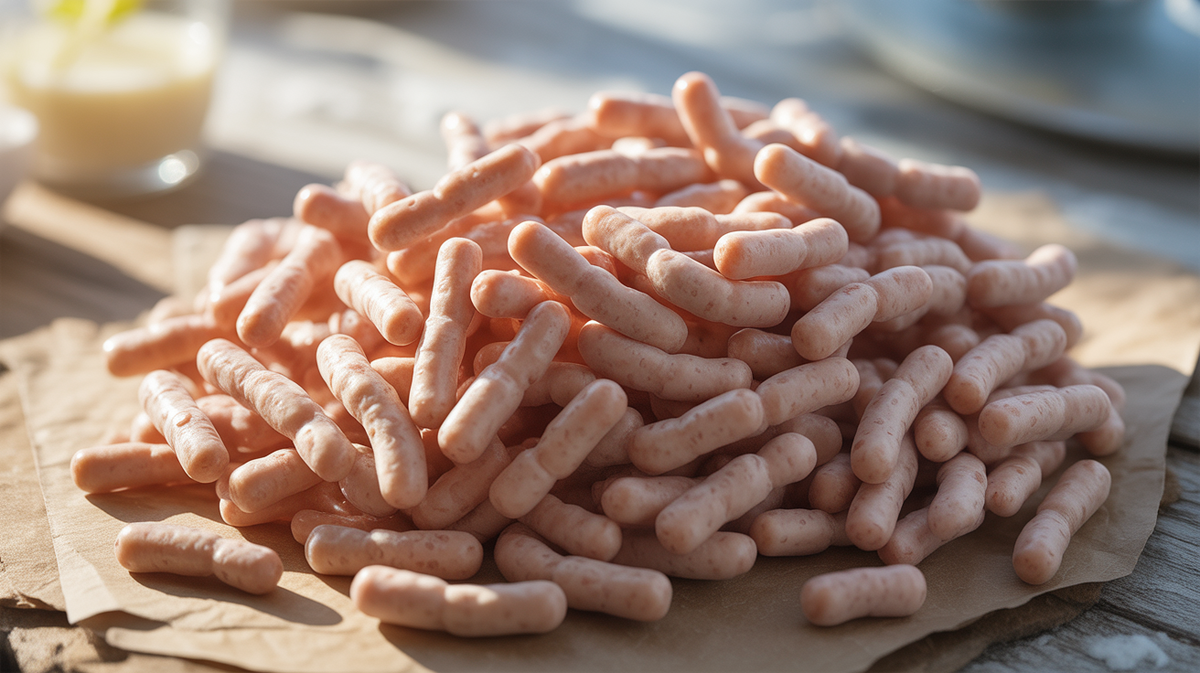
Limited human clinical trials have been conducted specifically on Lactobacillus pentosus supplementation
Read guide
Limited clinical research exists on camel hump oil specifically, with most evidence derived from traditional use studies in Middle Eastern populations
Read guide
While Corkwood (*Duboisia myoporoides*) itself lacks reported human clinical trials in the provided research, its extracted compounds are clinically significant
Read guide
Research on Brazilian Cassava Ferment is emerging, primarily focusing on its fermentation process and nutritional improvements through in vitro and animal studies
Read guide
Preliminary studies suggest cedarwood essential oil's potential for respiratory benefits, skin health, and anti-inflammatory effects
Read guide
Clinical research consistently highlights Jojoba Oil's efficacy in dermatological applications, particularly for its moisturizing, anti-inflammatory, and sebum-regulating properties
Read guide
Current research on lempuyang is limited to preliminary laboratory studies rather than human clinical trials
Read guide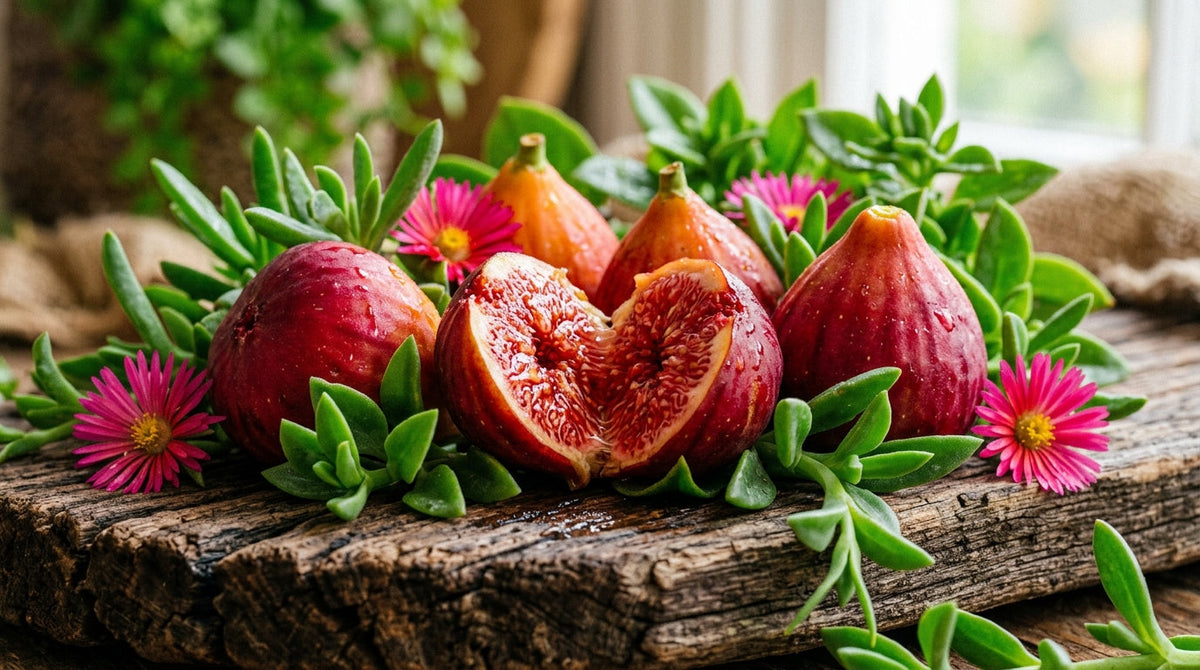
Current evidence for Hottentot Fig is limited to in vitro laboratory studies measuring antioxidant activity through radical scavenging assays and anti-inflammatory effects in cell cultures
Read guide
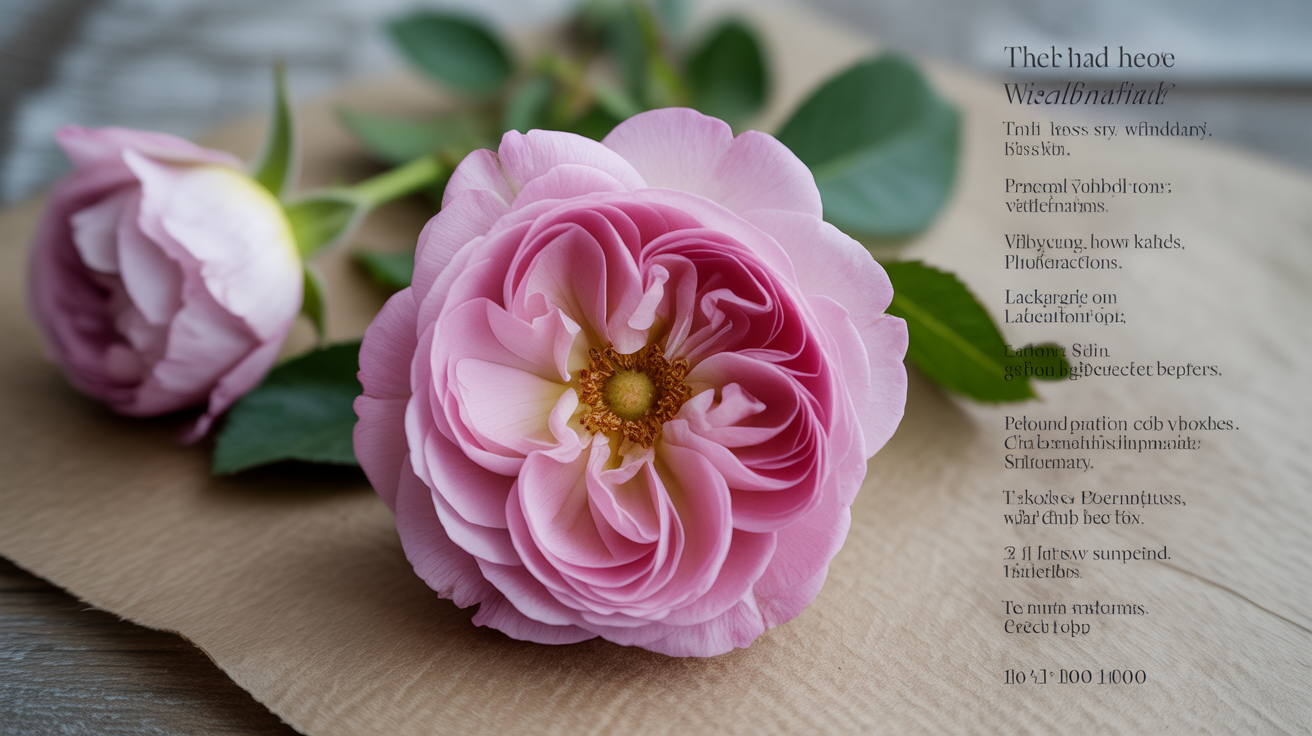
While *Rosa acicularis* is recognized for its traditional uses, specific robust human clinical trials focusing solely on "Icelandic Wild Rose" extracts are limited
Read guide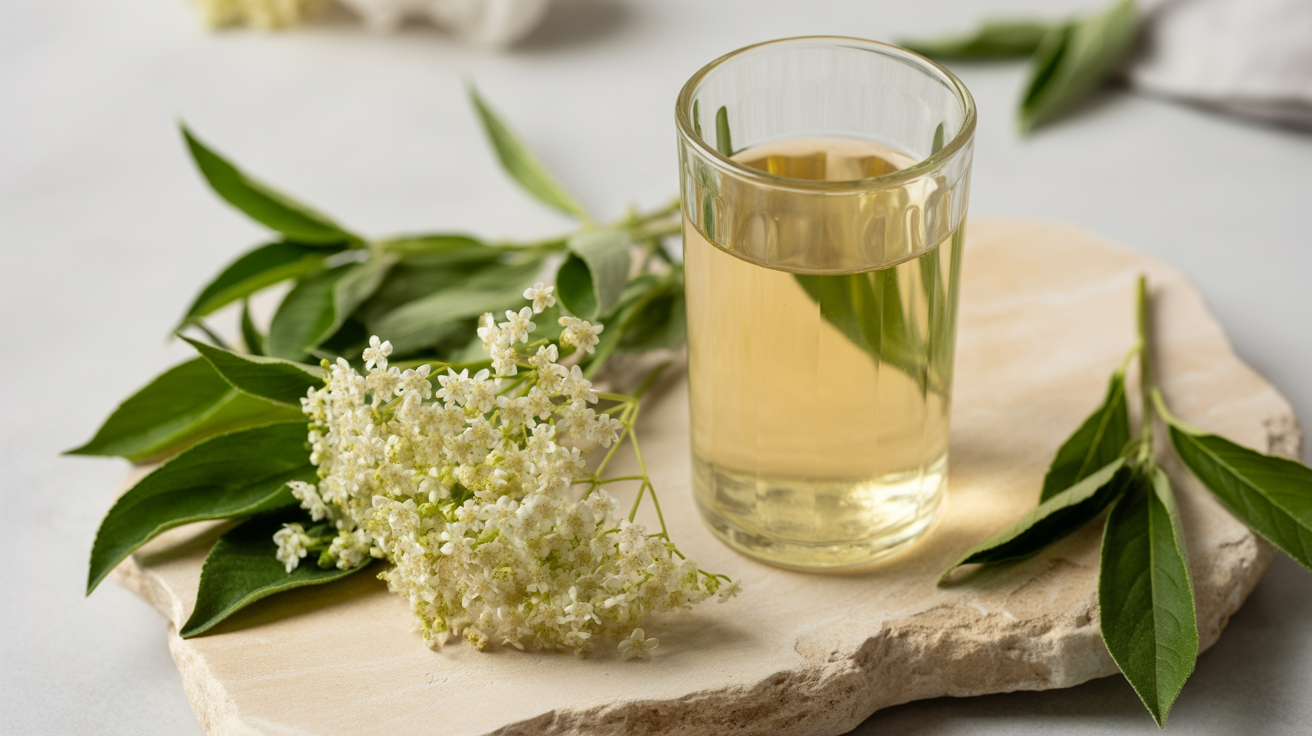
While direct clinical trials on Elderflower Cordial Vinegar are limited, research on *Sambucus nigra* (elderflower) extracts indicates significant immune-boosting and anti-inflammatory properties
Read guide
No human clinical trials have been conducted specifically on borde as an intervention
Read guide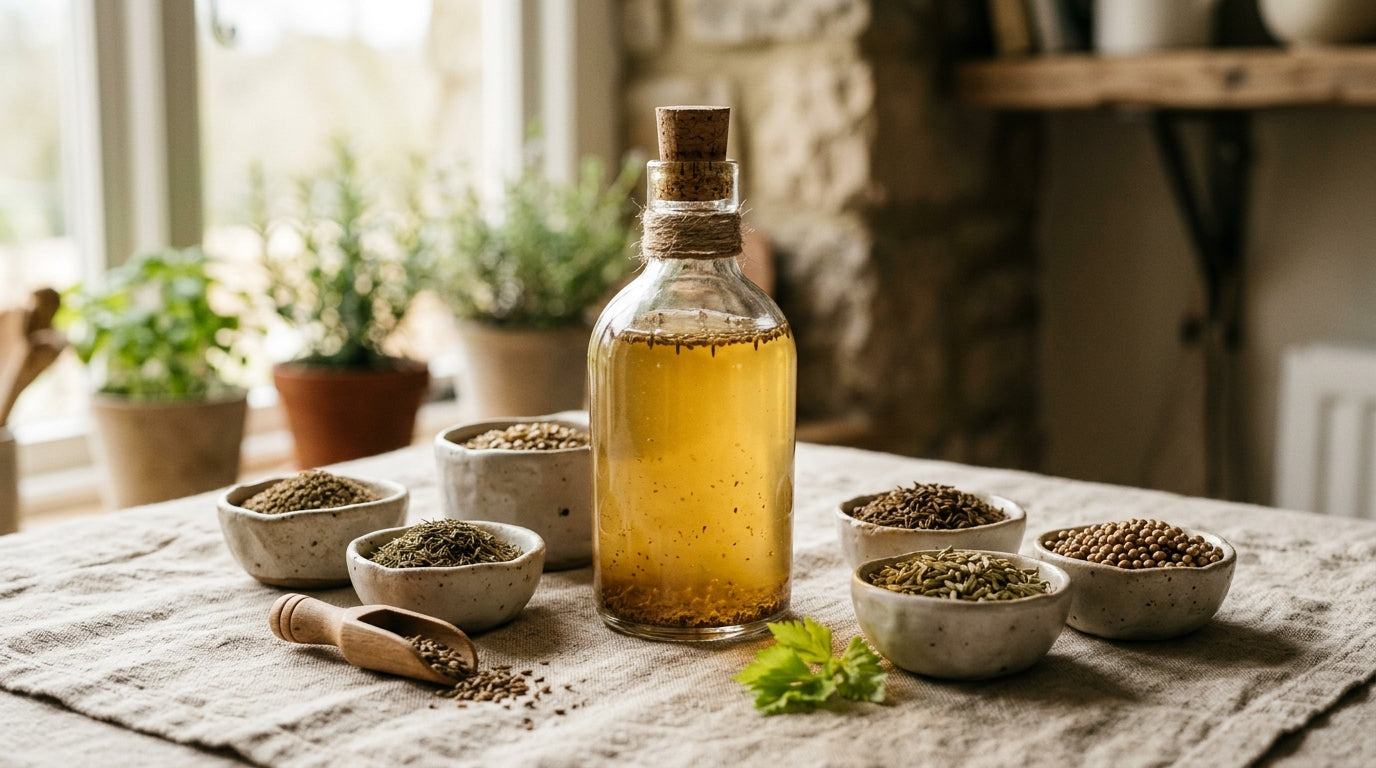
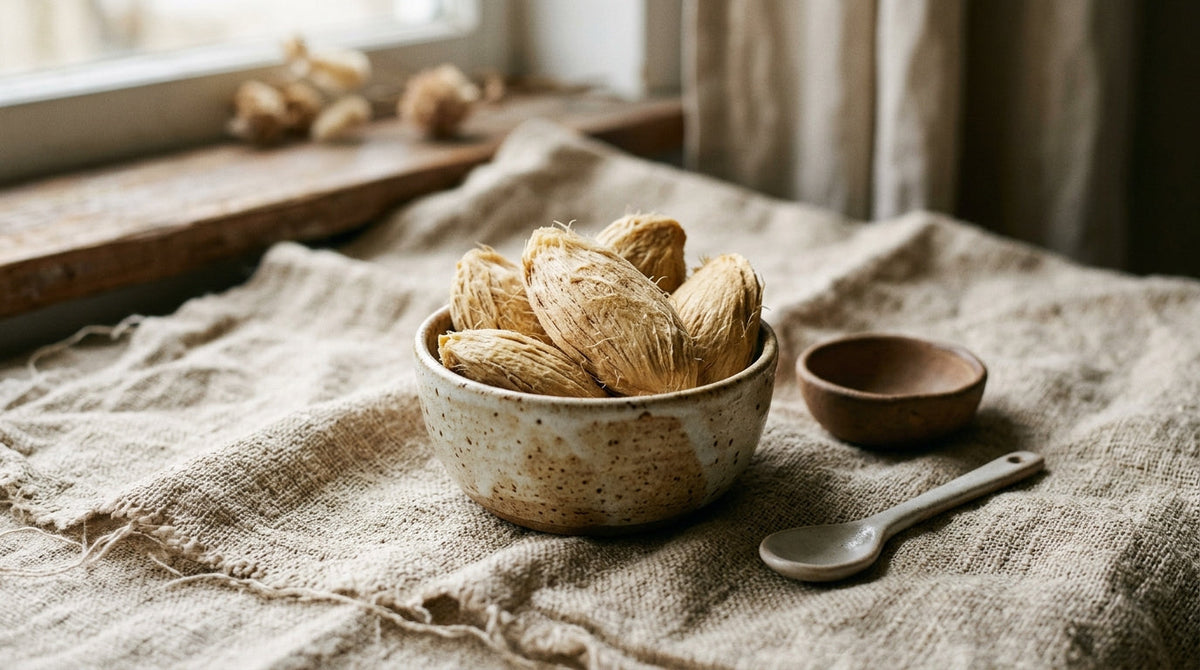
Current evidence for mango kernel is limited to in vitro and phytochemical studies, with no human clinical trials available
Read guide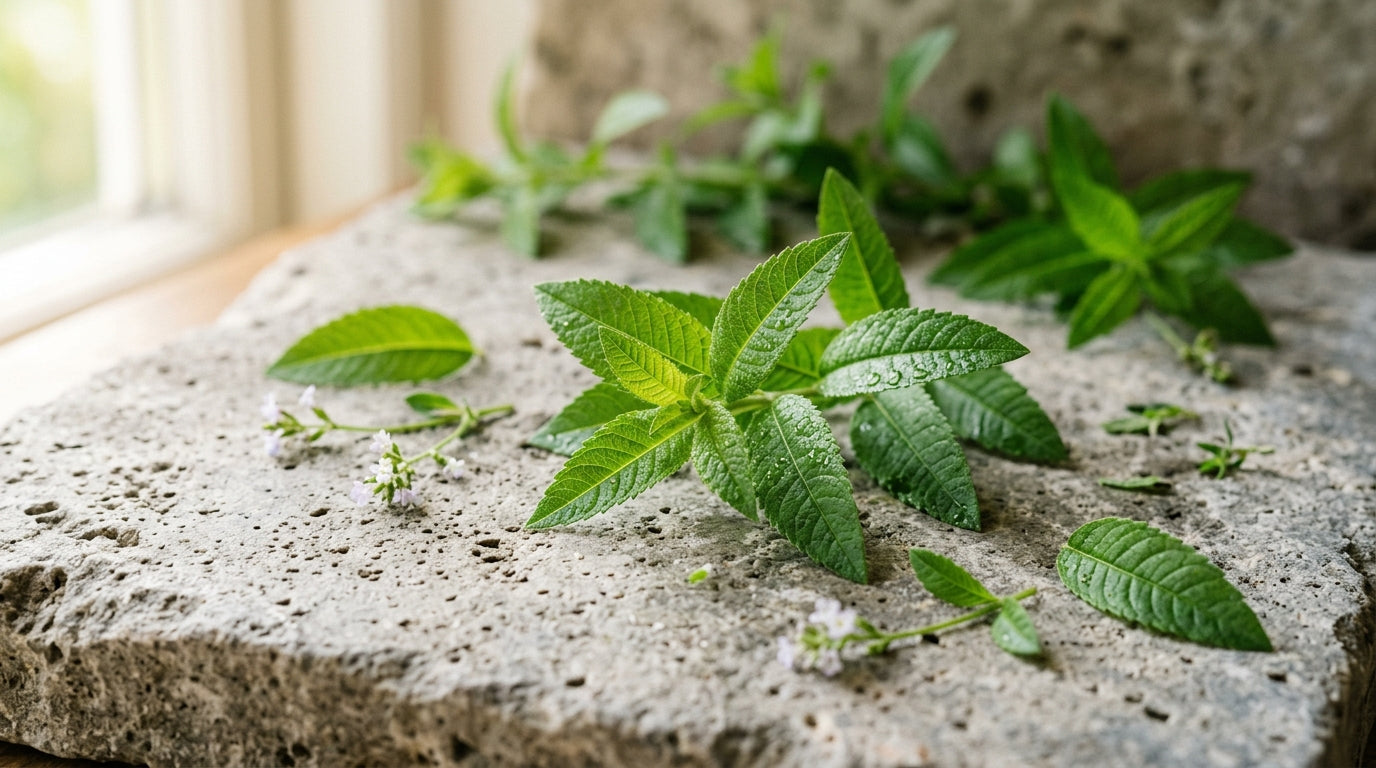
Research on Lippia consists primarily of in vitro and animal studies rather than human clinical trials
Read guide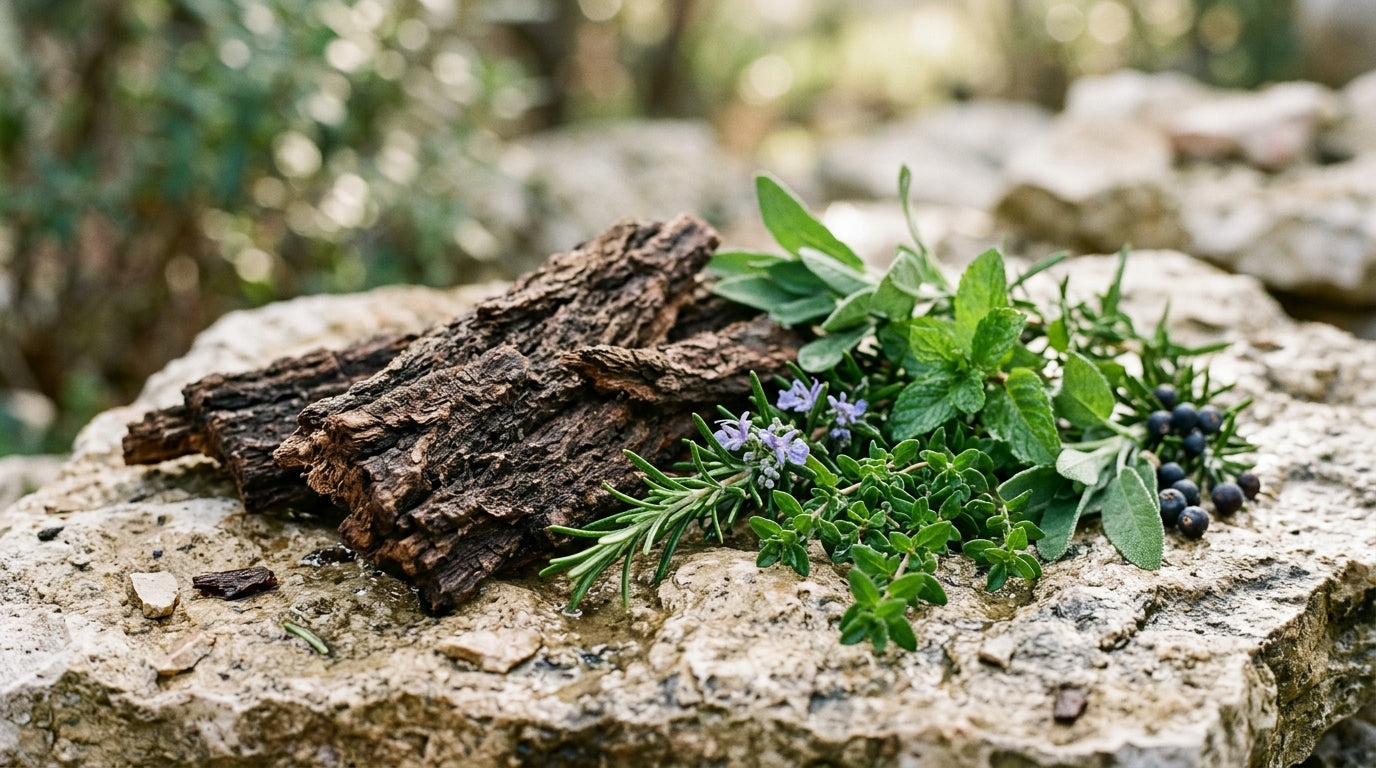
Human clinical trials on Ironwood Bark remain limited, with most evidence from animal and in vitro studies
Read guide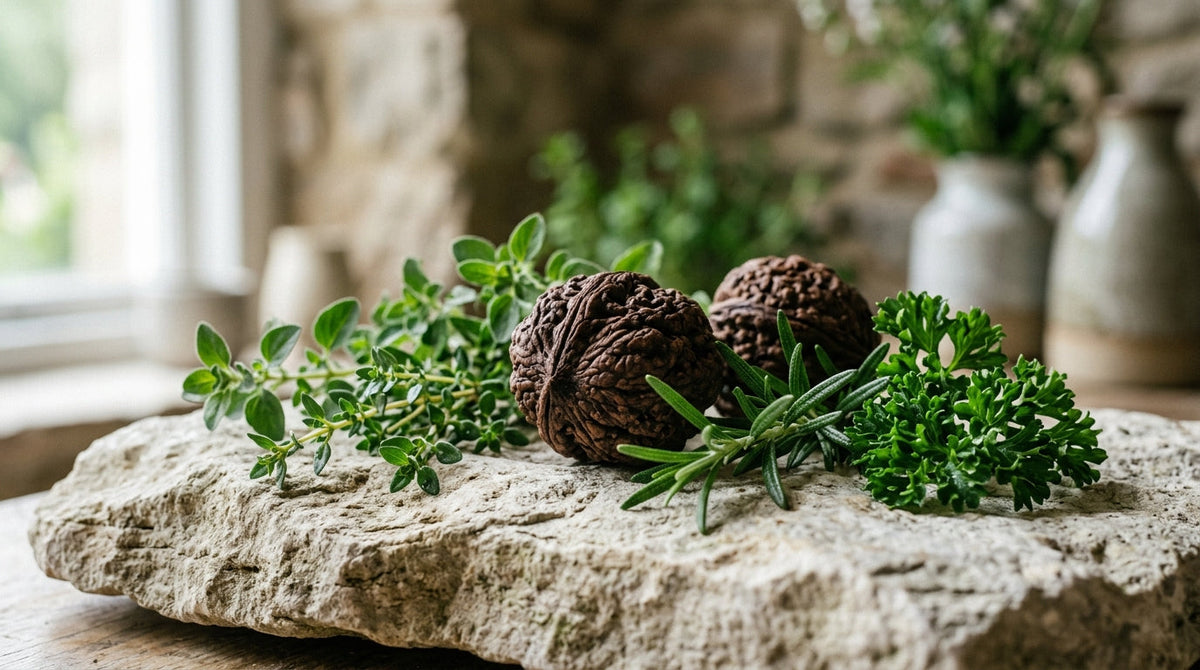
Buddha Nut (Candlenut Variety)
Clinical evidence remains limited to preclinical studies, with no large-scale human trials reported
Read guide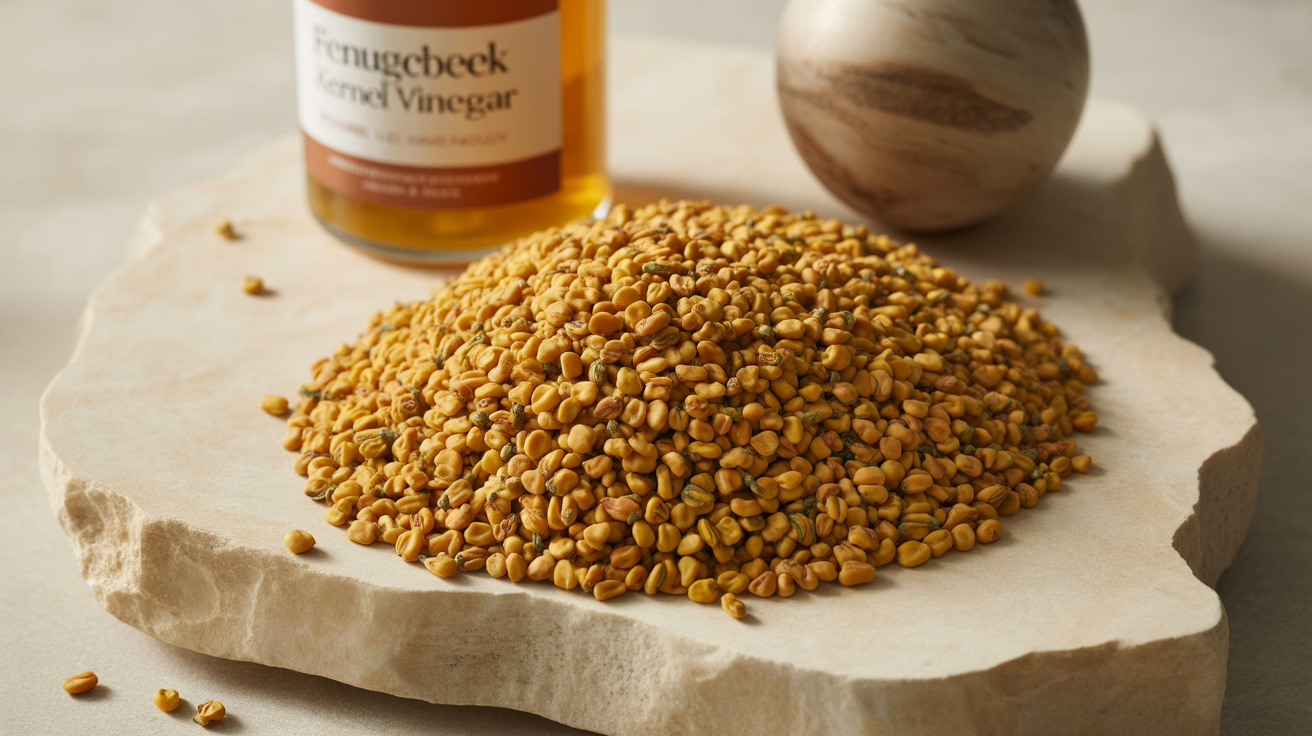
Clinical studies, primarily on fenugreek seeds and extracts, demonstrate significant benefits in managing blood sugar levels and improving lipid profiles in individuals with type 2 diabetes and dys...
Read guide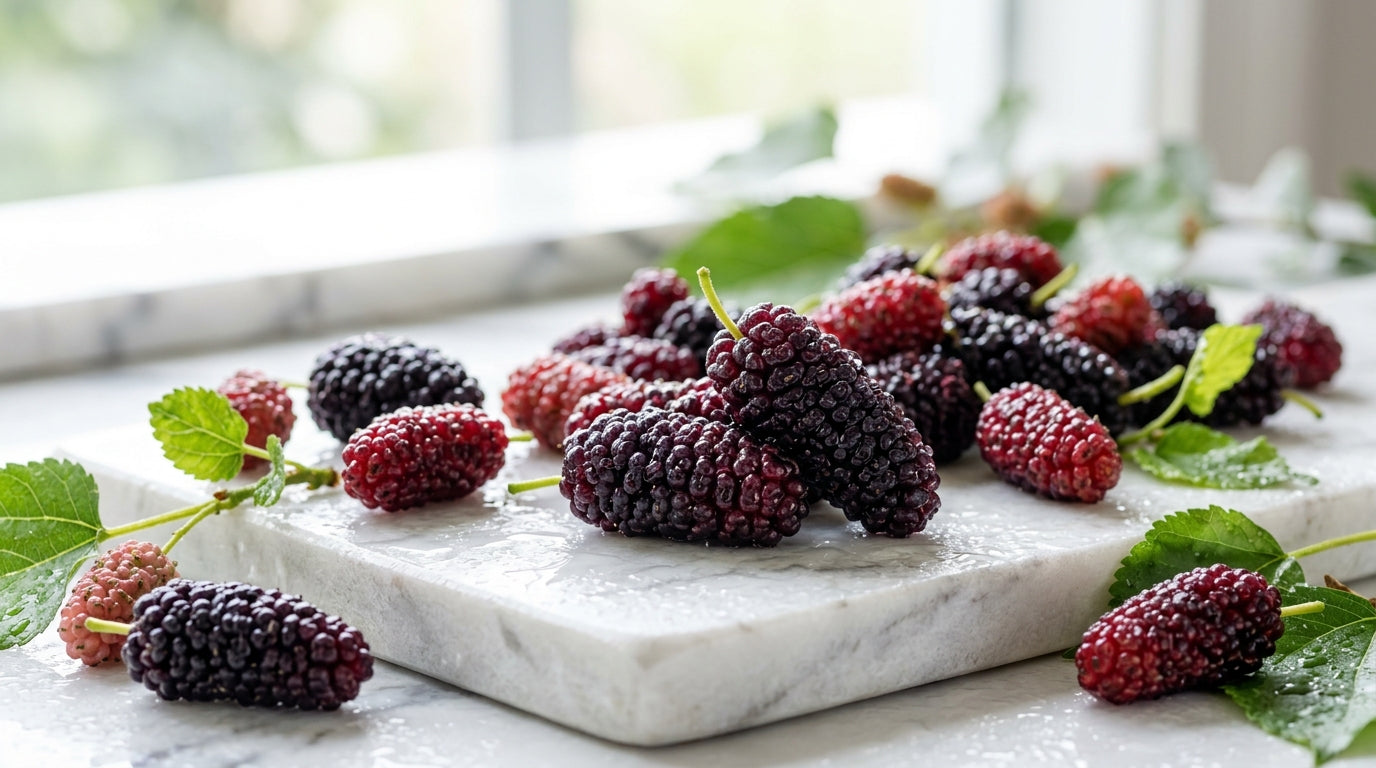
Current research on Himalayan Mulberry (Morus serrata/spp.) berries primarily consists of in vitro and animal models
Read guide
Butterfly Ginger (Hedychium coronarium)
Limited clinical research exists on butterfly ginger specifically, with most evidence coming from traditional use studies and in vitro research
Read guide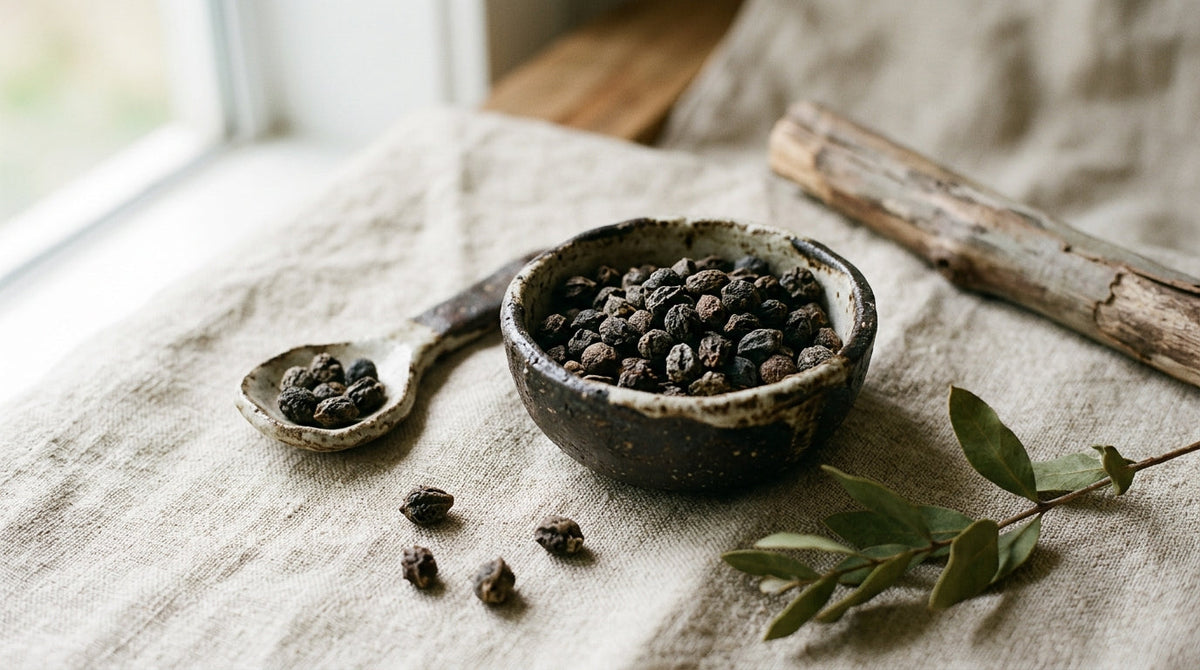
Clinical research on Australian Wattleseed is emerging, predominantly focusing on its nutritional profile and in vitro and preclinical investigations of its bioactive compounds
Read guide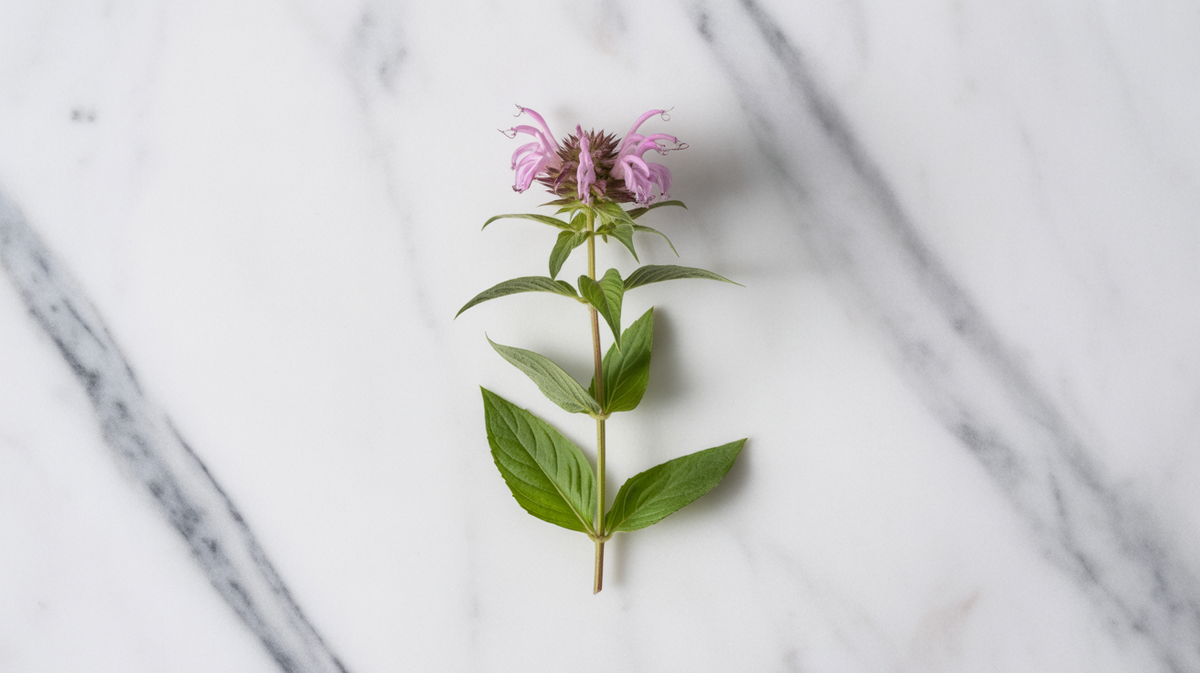
Current evidence for bee balm is limited to preclinical in vitro studies demonstrating anti-inflammatory effects in LPS-stimulated macrophages
Read guide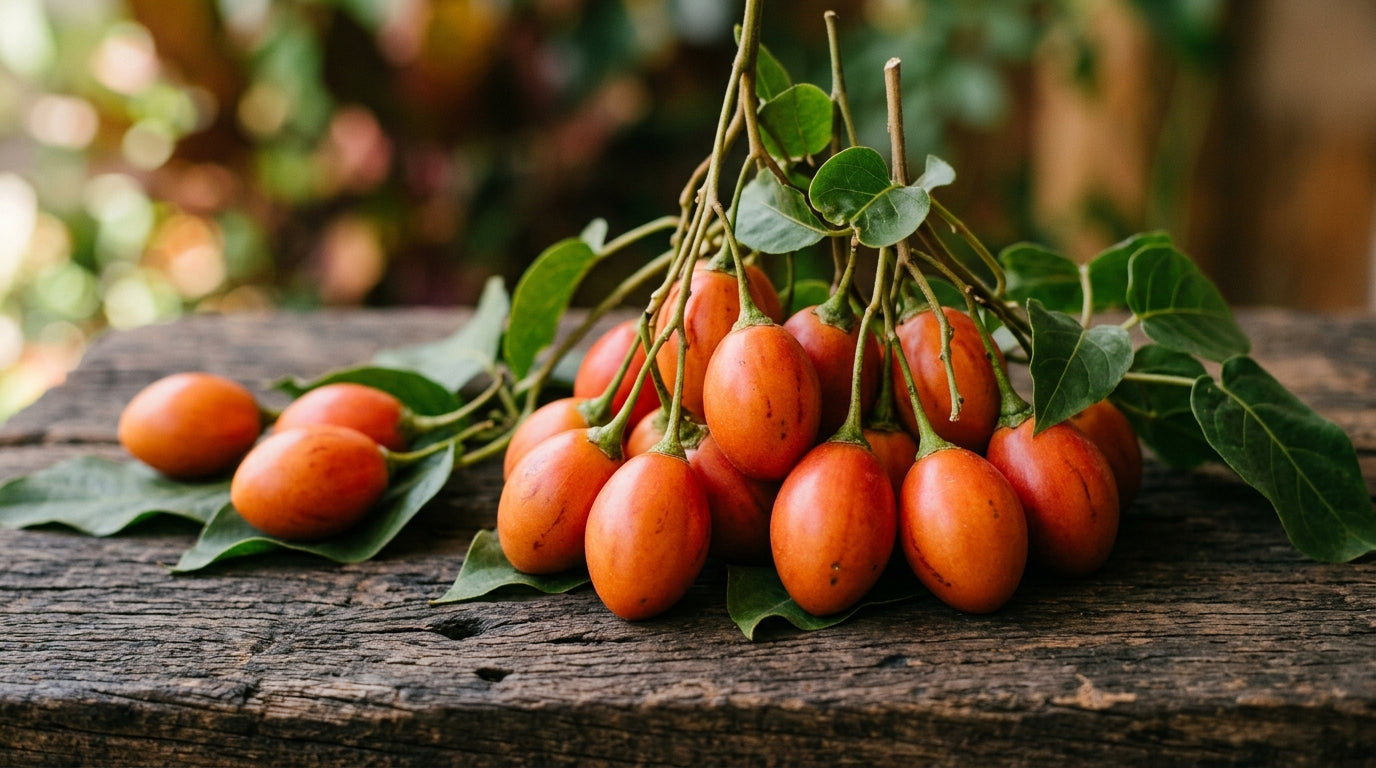
Current research on Dwarf Tamarillo is largely based on in vitro and animal studies, with limited human clinical trials
Read guide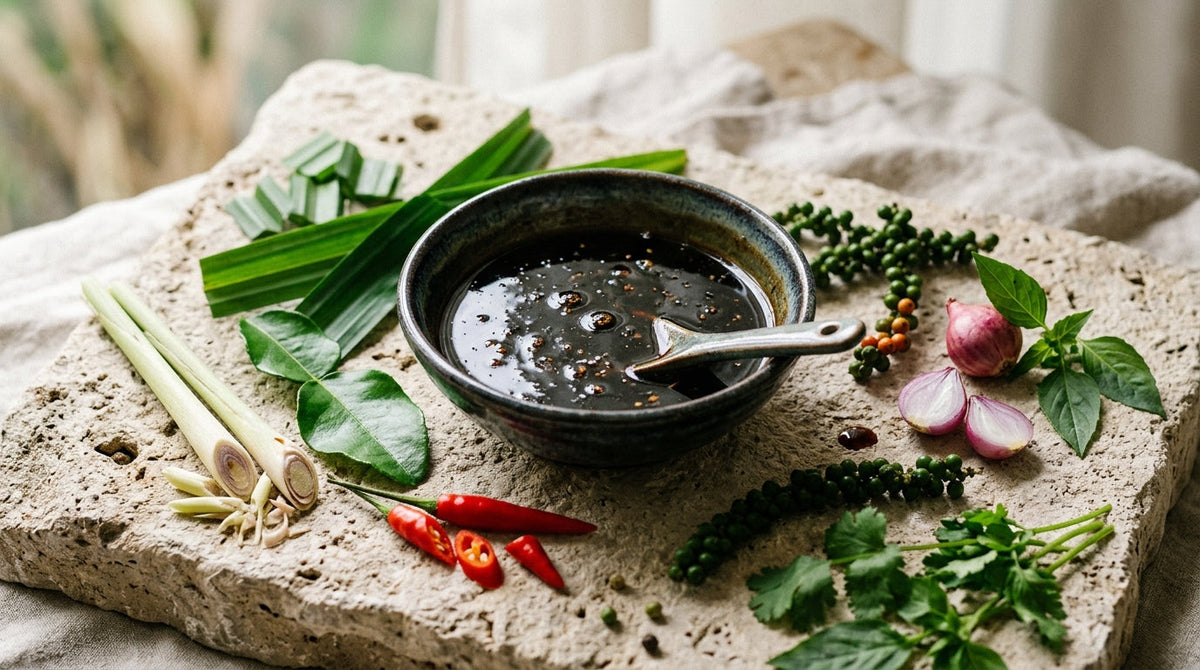
Indonesian Fermented Soy Sauce (Kecap Manis)
While direct human clinical trials specifically on Kecap Manis are limited, broader research on fermented soy products generally supports their potential health benefits
Read guide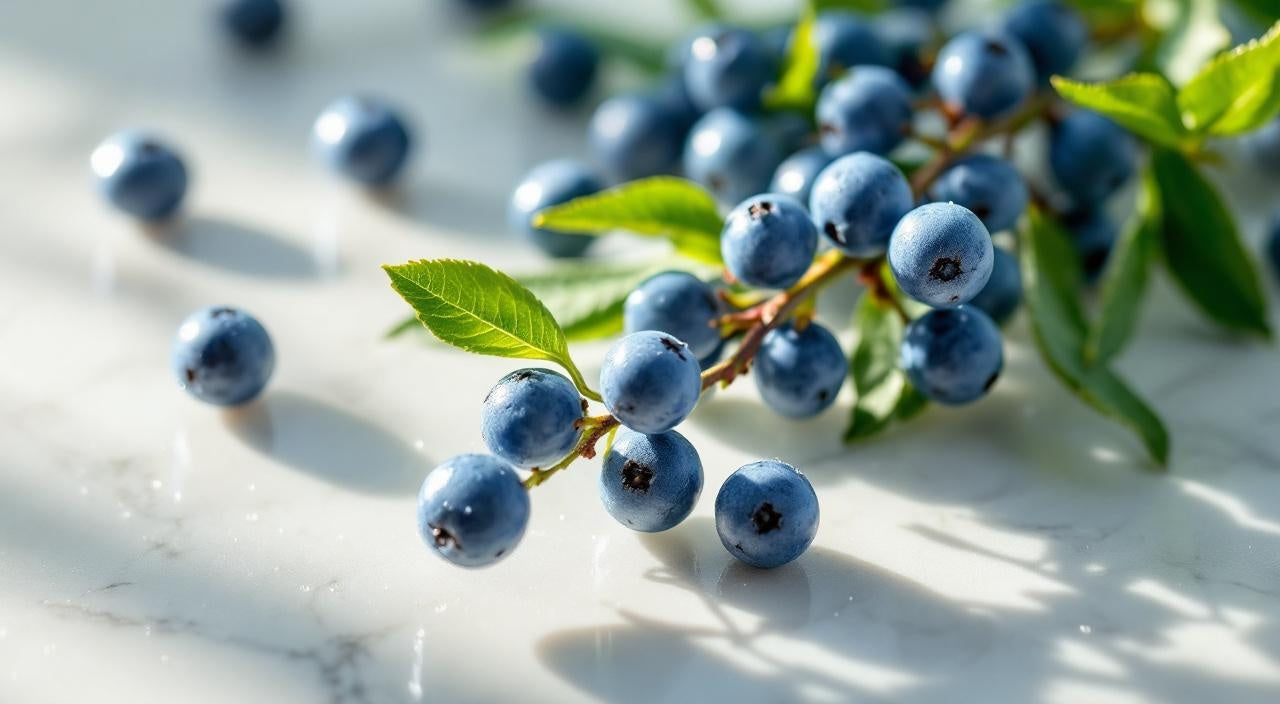
Limited human studies exist for Chilean myrtle berry specifically, with most research conducted on related Myrtaceae family berries
Read guide
There are no reported clinical studies, trials, or research outcomes specifically linked to Junglesop in scientific literature
Read guide
Scientific studies have corroborated Epazote's traditional uses, particularly its antimicrobial and antiparasitic efficacy, largely attributed to ascaridole
Read guide
Limited human studies exist specifically for crocodile liver powder supplementation
Read guide
Scientific research on Charichuelo remains in preliminary stages with limited published clinical trials
Read guide
While traditional uses and in vitro studies highlight the therapeutic potential of Mongolian Wild Garlic's (Allium sativum L.) organosulfur compounds, specific human clinical trials focusing exclus...
Read guide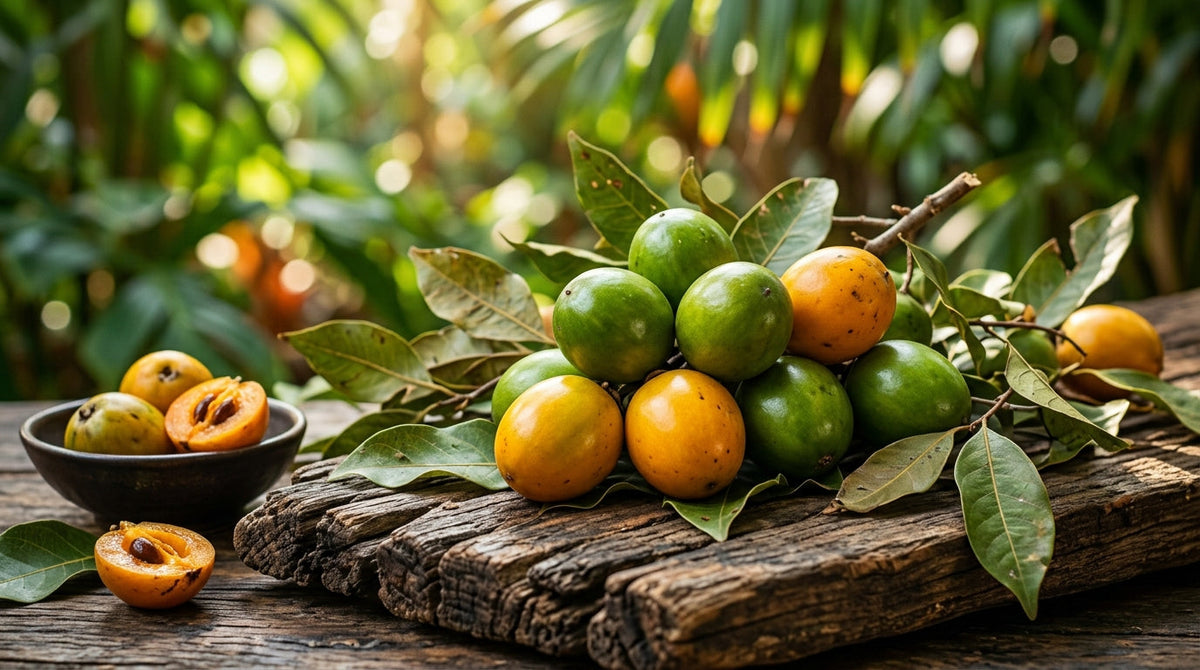
No human clinical trials exist specifically for jackalberry, with evidence limited to pre-clinical animal and in vitro studies
Read guide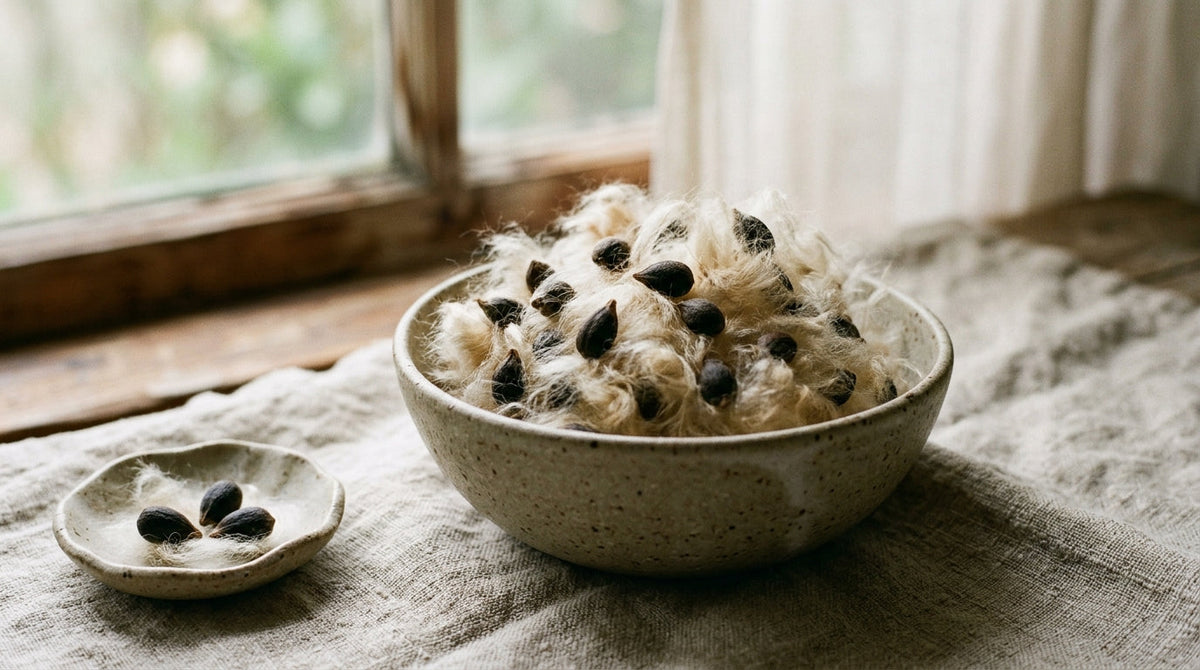
Current research on kapok seed is limited to in vitro laboratory studies and phytochemical analyses, with no human clinical trials available
Read guide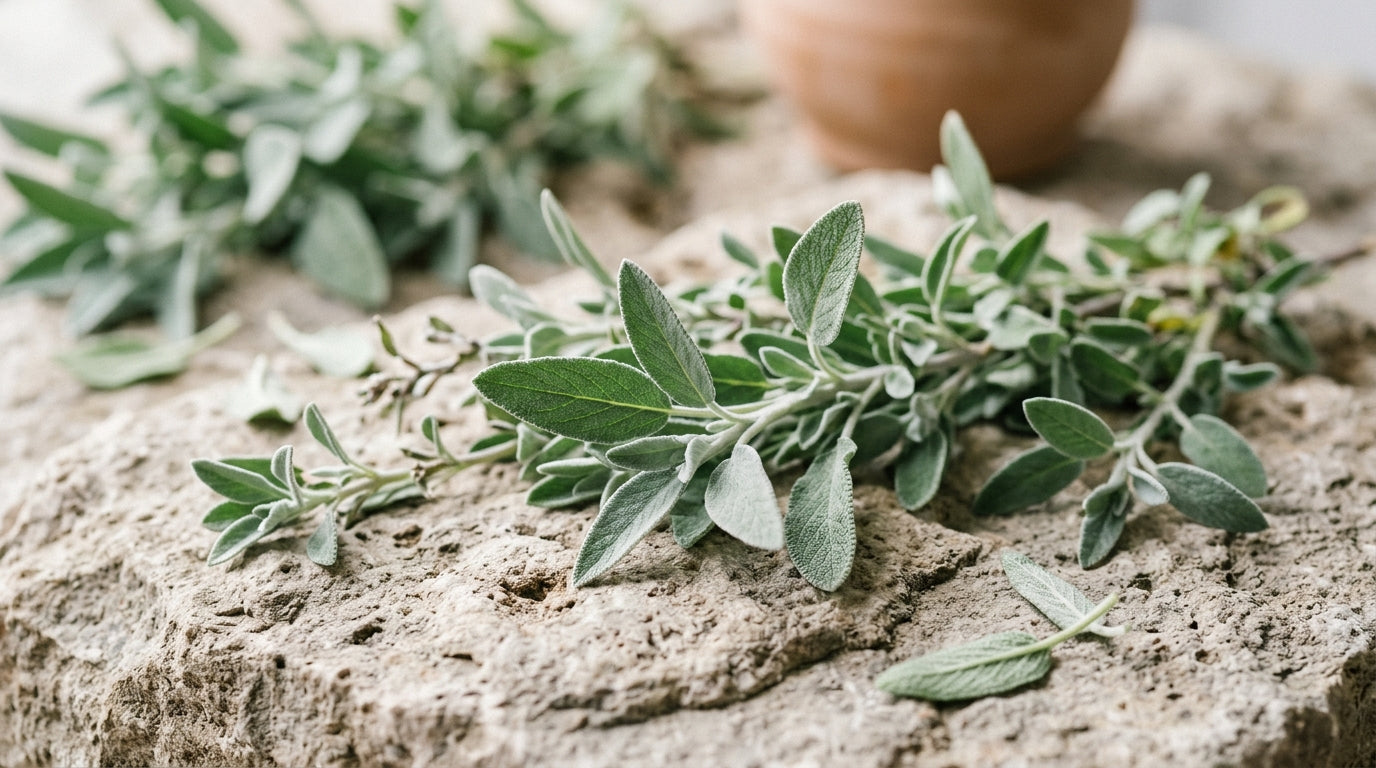
Research on *Salvia officinalis*, often referred to as Botswana Wild Sage in studies, indicates significant antioxidant, anti-inflammatory, and antimicrobial properties
Read guide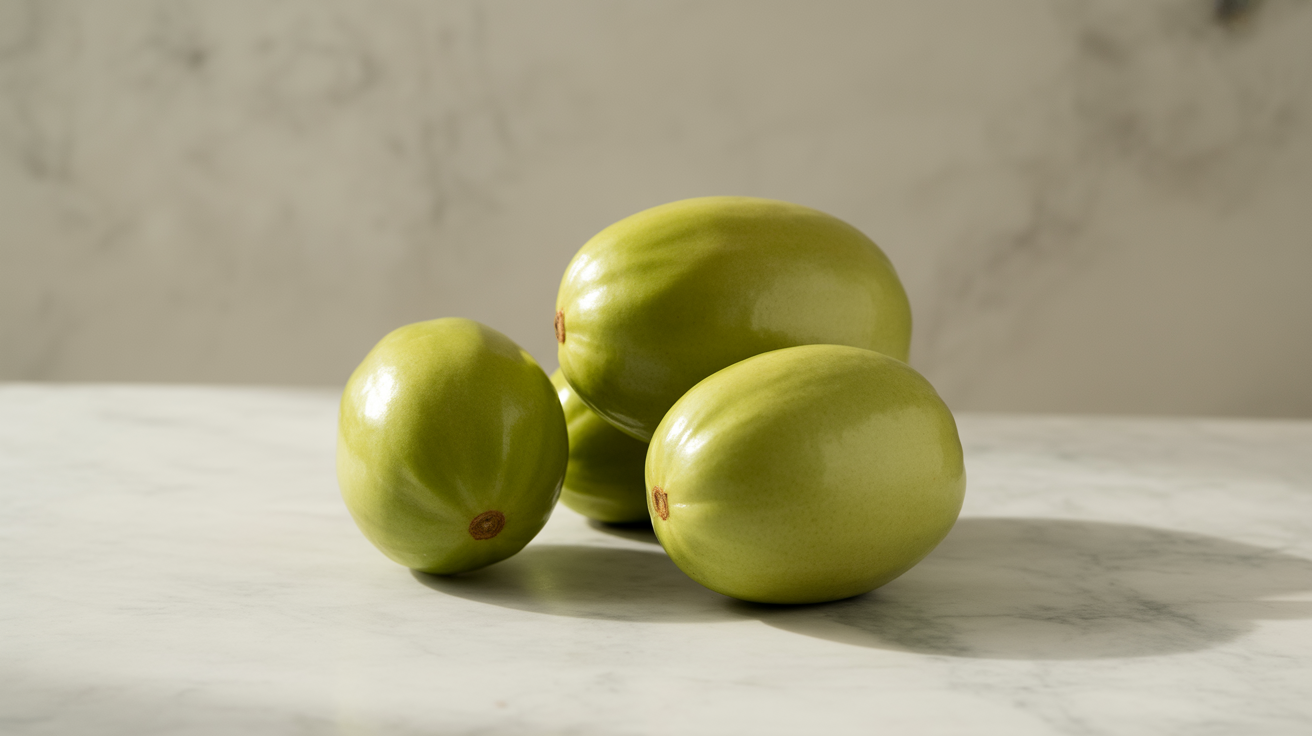
Research on batuan fruit is primarily limited to in vitro antioxidant studies and traditional use documentation
Read guide
No human clinical trials have been conducted on Aruá Nut, with available data limited to preclinical in vitro and animal studies
Read guide
There are no established human clinical trials or robust scientific studies specifically identified for an herb unequivocally named 'Bolivian Pitoquinha Herb'
Read guide
No clinical trials have been conducted on Garcinia afzelii in any form or for any indication
Read guide
Current clinical evidence for kawakawa is extremely limited, with only preliminary human metabolism studies confirming bioavailability of key compounds like myristicin and piperine
Read guide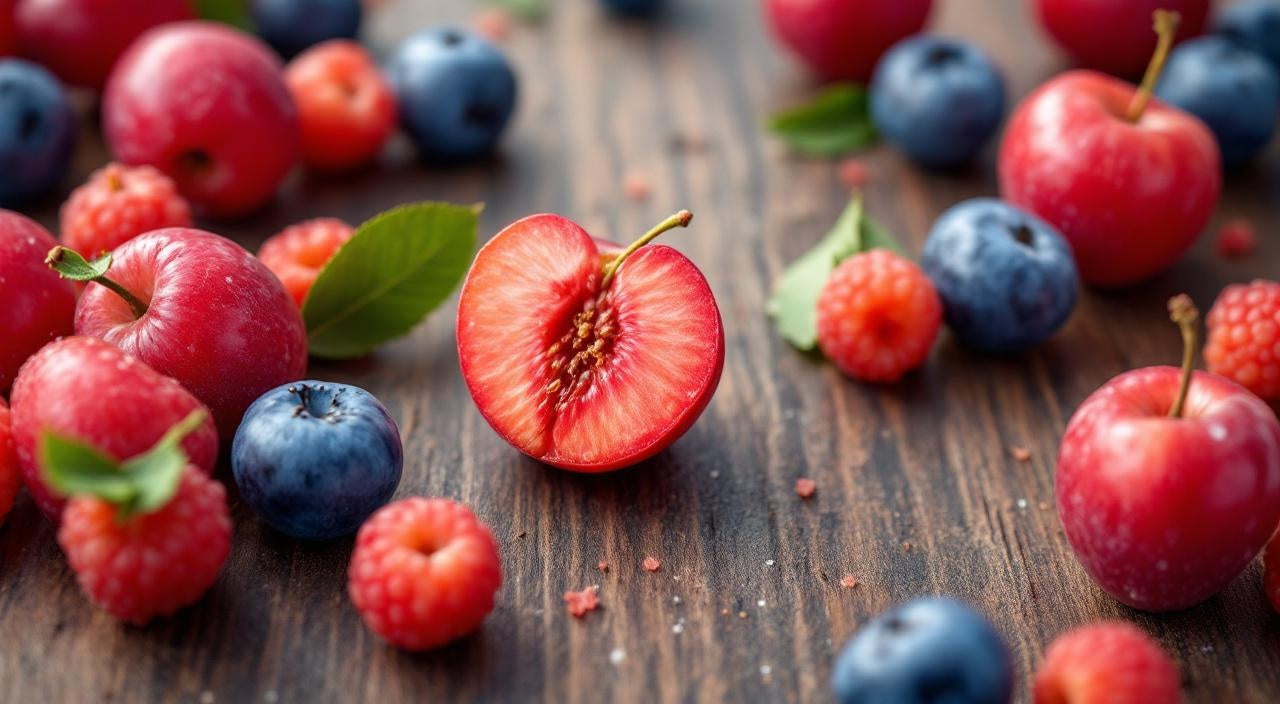
Nutritional analyses have confirmed Beach Plum's rich content of vitamins A and C, dietary fiber, and various phenolic compounds, underscoring its potential health benefits
Read guide