Tragacanth gum contains the polysaccharides tragacanthin and bassorin, which downregulate pro-inflammatory cytokines TNF-α, IL-1β, and NF-κB while promoting VEGF-driven angiogenesis via PI3K/Akt pathways and enhancing fibroblast proliferation through TGF-β signaling. A comprehensive 2023 review in International Journal of Biological Macromolecules (PMID 37054856) confirmed its biocompatible, immunomodulatory, and wound-healing properties, positioning this Astragalus-derived gum as a versatile natural polysaccharide with demonstrated prebiotic, demulcent, and drug-delivery applications.

Origin
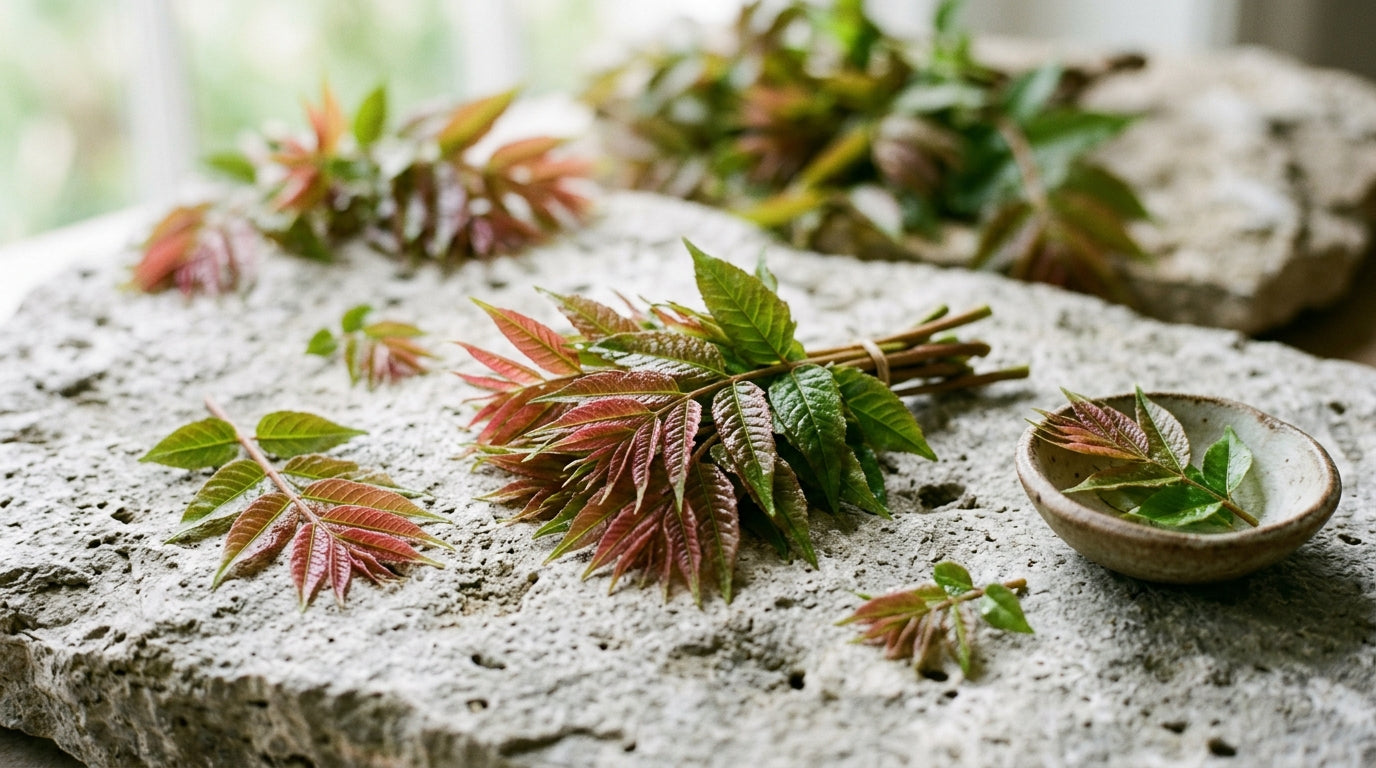
Tragacanth Gum (Astragalus gummifer) is a natural gum exuded from the sap of various Astragalus species, primarily found in the arid mountains and semi-desert regions of the Middle East, including Iran, Turkey, and Afghanistan. This mucilaginous exudate has been historically valued for its demulcent and thickening properties. It is a significant ingredient in functional nutrition for its gut-supportive and soothing effects.
Potential benefits
- Repairs gut lining and protects mucosal membranes through its demulcent and prebiotic properties.
- Soothes respiratory tissues, alleviating irritation and supporting healthy lung function.
- Promotes wound healing and skin recovery by forming a protective, hydrating barrier.
- Modulates immune and inflammatory responses, contributing to systemic balance.
- Supports hydration and electrolyte balance due to its water-absorbing mucilage.
- Regulates blood sugar by slowing glucose absorption, aiding metabolic balance.
How it works
Tragacanth gum's bioactive polysaccharides—water-soluble tragacanthin and water-swellable bassorin—downregulate the NF-κB signaling cascade, suppressing production of pro-inflammatory cytokines TNF-α, IL-1β, and IL-6 while scavenging reactive oxygen species (ROS) via intrinsic antioxidant hydroxyl and superoxide radical quenching. The bassorin fraction promotes fibroblast proliferation and extracellular matrix remodeling by upregulating TGF-β1 signaling, which stimulates collagen type I, collagen type III, and fibronectin synthesis critical to wound closure. Simultaneously, tragacanthin activates VEGF-driven angiogenesis through the PI3K/Akt/eNOS pathway, enhancing neovascularization at injury sites. As a prebiotic mucilage, its high-molecular-weight galacturonic acid–rich backbone resists upper-GI digestion and undergoes colonic fermentation to short-chain fatty acids (SCFAs), modulating gut microbiota composition and reinforcing intestinal barrier integrity via tight-junction protein upregulation.
What the research says
Clinical evidence is limited to in vitro and animal studies, with no human clinical trials reported. Animal toxicity studies in rats showed reversible mitochondrial effects at 20-80 mg/kg twice daily for 4 weeks, with 20% inhibition of liver mixed-function oxidases at 2 × 40 mg/kg. Preclinical wound healing studies demonstrate faster closure compared to chitosan and alginate, but composition variability and lack of human data limit clinical applications.
Safety and interactions
Tragacanth gum is Generally Recognized as Safe (GRAS) by the U.S. FDA as a food additive (21 CFR 184.1351) and has an acceptable daily intake of up to 50 mg/kg body weight per JECFA evaluations; however, it must be taken with adequate water as its mucilage can swell and potentially obstruct the esophagus or intestines if consumed dry. Due to its capacity to slow gastric emptying and glucose absorption, tragacanth may potentiate the hypoglycemic effects of antidiabetic medications (e.g., metformin, sulfonylureas), requiring dose monitoring in diabetic patients. Its gel-forming properties can delay or reduce the absorption of orally co-administered drugs, so a 2-hour separation window is generally recommended, similar to other bulk-forming fibers. No significant CYP450 enzyme interactions have been documented to date, but individuals with known Astragalus-species allergies or those who are pregnant or breastfeeding should consult a healthcare provider before use.
Suggested use
- Powdered Gum: Dissolve 1–2 grams in water or herbal tea daily.
- Powdered Extract: Take 500–1000 mg daily, ideally under professional guidance.
- Topical: Used in skin-healing salves and pastes.
Frequently asked questions
What are the main health benefits of tragacanth gum?
Tragacanth gum offers several health benefits due to its unique polysaccharide composition. It acts as a demulcent, soothing and protecting mucosal surfaces in the gastrointestinal and respiratory tracts. Its prebiotic properties help maintain gut health by supporting beneficial gut bacteria. Scientific research highlights its role in modulating immune and inflammatory responses through downregulation of pro-inflammatory cytokines via NF-κB suppression. Topically, tragacanth gum promotes wound healing by enhancing fibroblast proliferation and stimulating extracellular matrix synthesis, helping skin tissue recover faster. Additionally, it aids hydration and supports metabolic balance by slowing glucose absorption.
How does tragacanth gum support wound healing and skin repair?
Tragacanth gum enhances wound healing primarily through its water-swellable polysaccharides, especially bassorin, which forms a hydrating protective barrier when applied topically. This barrier keeps wounds moist and shields them from contaminants. Mechanistically, tragacanth gum upregulates TGF-β1 signaling, which increases fibroblast proliferation and the production of collagen types I and III, as well as fibronectin—all essential for extracellular matrix remodeling and tissue regeneration. These actions accelerate wound closure and reduce inflammation for improved skin recovery, as supported by recent reviews (PMID 37054856).
Can I use tragacanth gum for gut health and repairing the intestinal lining?
Yes, tragacanth gum is beneficial for gut health owing to its demulcent and prebiotic properties. Its viscous, mucilaginous fibers soothe and protect the gut lining, helping to alleviate irritation and promote tissue repair. The prebiotic activity supports the growth of beneficial gut bacteria, which can further enhance the barrier function of the intestinal mucosa. The protective mucilage also buffers against acidity and mechanical irritation, potentially contributing to symptomatic relief from gastritis or mild gastrointestinal discomfort.
Are there any known side effects or safety concerns with tragacanth gum?
Tragacanth gum is generally recognized as safe for most people when used in recommended amounts, both as a food additive and as a supplement. Adverse effects are uncommon but may include mild gastrointestinal symptoms such as bloating or gas, particularly if consumed in large quantities due to its high fiber content. Rarely, individuals may experience allergic reactions, especially those sensitive to legumes. Due to its viscosity, it should not be taken with medications or supplements that require rapid absorption without professional guidance.
Can tragacanth gum be used with other dietary supplements or medications?
Tragacanth gum may interact with the absorption of certain oral medications or supplements by forming a gel-like barrier in the gut, which can delay or reduce their effectiveness. It's advisable to take tragacanth gum separately—at least 1–2 hours apart—from prescription medications or supplements requiring rapid absorption. If you are taking medications for diabetes, monitor blood sugar closely, as tragacanth gum may modestly slow glucose uptake. Always consult your healthcare provider or pharmacist if you are on chronic medications before using tragacanth gum regularly.
Is tragacanth gum suitable for people with food allergies or sensitivities?
Tragacanth gum is generally hypoallergenic, but it is derived from Astragalus species and may rarely cause allergic reactions in sensitive individuals, particularly those allergic to legumes or related plant families. Reactions are uncommon but may include skin rash, itching, or gastrointestinal upset. If you have known plant or legume allergies, consult with a healthcare provider before using tragacanth gum. As with any dietary fiber, introduce gradually and monitor for adverse reactions.
What is the best way to take tragacanth gum for its health benefits?
Tragacanth gum can be consumed as a powder dissolved in water, juice, or herbal tea—typically 1–2 grams daily for general health benefits. For gut or respiratory support, dissolving it in a warm beverage can maximize its soothing properties. Topically, it can be applied as a paste or included in wound-healing salves. It's essential to hydrate tragacanth gum fully prior to ingestion to avoid choking or gastrointestinal discomfort. Always start with a small dose and increase as tolerated, and seek professional advice when using it therapeutically.
Does tragacanth gum have antioxidant or anti-inflammatory effects?
Yes, tragacanth gum demonstrates both antioxidant and anti-inflammatory properties. Its polysaccharides, especially tragacanthin and bassorin, scavenge reactive oxygen species (ROS) and neutralize free radicals, which helps protect tissues from oxidative stress. Additionally, it suppresses the NF-κB pathway, downregulating pro-inflammatory cytokines such as TNF-α, IL-1β, and IL-6. These mechanisms contribute to its role in immune modulation and tissue healing, making it promising not only for wound care but also as a supportive supplement for systemic inflammatory conditions.
Does tragacanth gum help regulate blood sugar levels?
Yes, tragacanth gum has been shown to help regulate blood sugar by slowing glucose absorption in the digestive tract. Its polysaccharide matrix forms a viscous gel that delays the breakdown and absorption of carbohydrates, leading to lower postprandial blood glucose spikes. This mechanism is similar to other soluble fibers, but tragacanth gum may also modulate related cytokine pathways (such as NF-κB) that are implicated in metabolic regulation. Clinical research supports novel dietary applications for tragacanth gum in metabolic health management.
What is the recommended dosage of tragacanth gum for digestive health?
For digestive health support, the typical recommended oral dose is 1–2 grams of powdered tragacanth gum daily, dissolved in water or herbal tea. For powdered extracts, 500–1000 mg daily is used, ideally under professional supervision. This dosage delivers its prebiotic and demulcent benefits, supporting gut lining repair and mucosal protection. Always begin with a lower dose to assess tolerance and consider professional guidance before prolonged use.
References
- https://fdc.nal.usda.gov/fdc-app.html#/search?query=Tragacanth+Root
- https://www.ncbi.nlm.nih.gov/search/all/?term=Tragacanth+Gum
- https://www.ncbi.nlm.nih.gov/search/all/?term=Tragacanth+Root
- https://pubmed.ncbi.nlm.nih.gov/28274606
- https://pubmed.ncbi.nlm.nih.gov/32978425
- https://www.ncbi.nlm.nih.gov/pmc/articles/PMC7186495/
- https://www.ncbi.nlm.nih.gov/pmc/articles/PMC9925365
- https://www.sciencedirect.com/science/article/pii/S1756464620303564
- https://www.sciencedirect.com/science/article/pii/S2221169115000595
This article is educational and is not medical advice. Statements have not been evaluated by the FDA and are not intended to diagnose, treat, cure, or prevent any disease. Consult a healthcare professional before use.