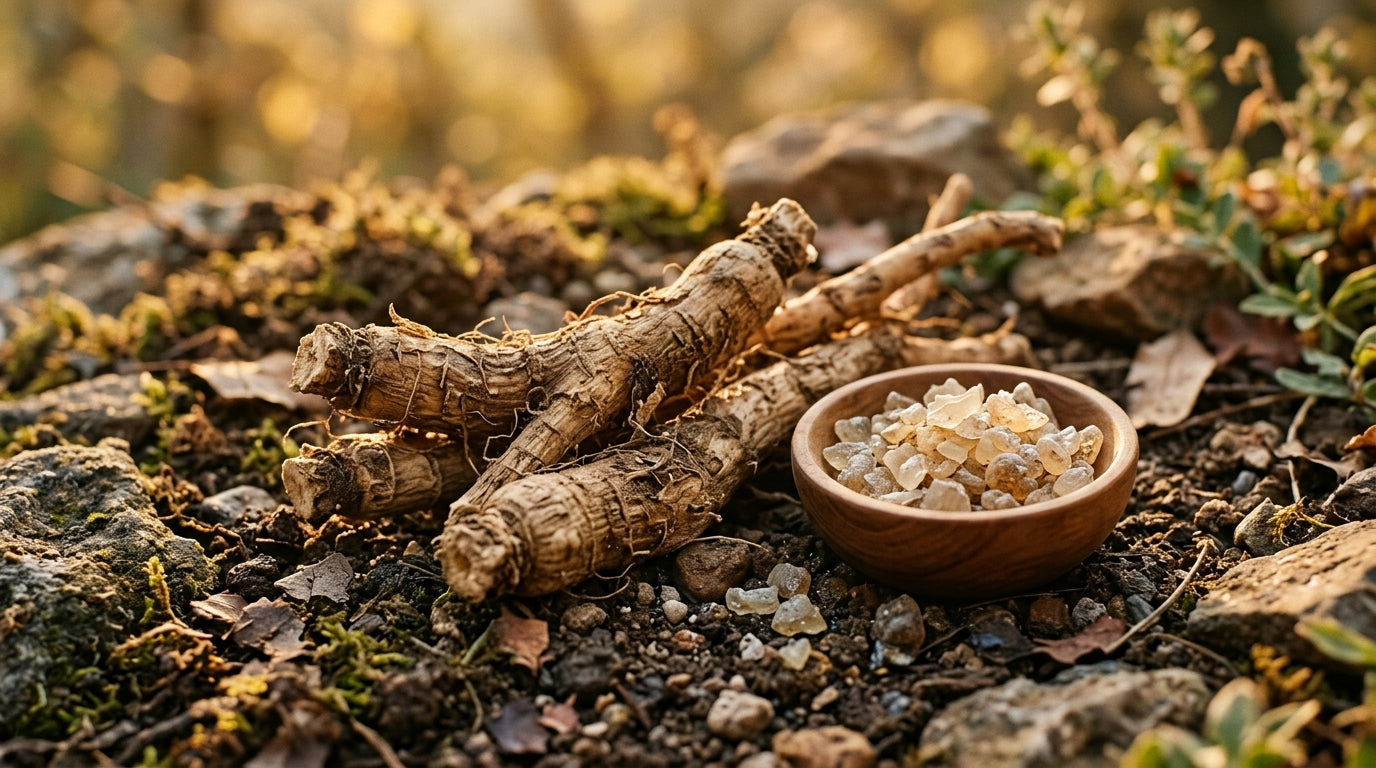
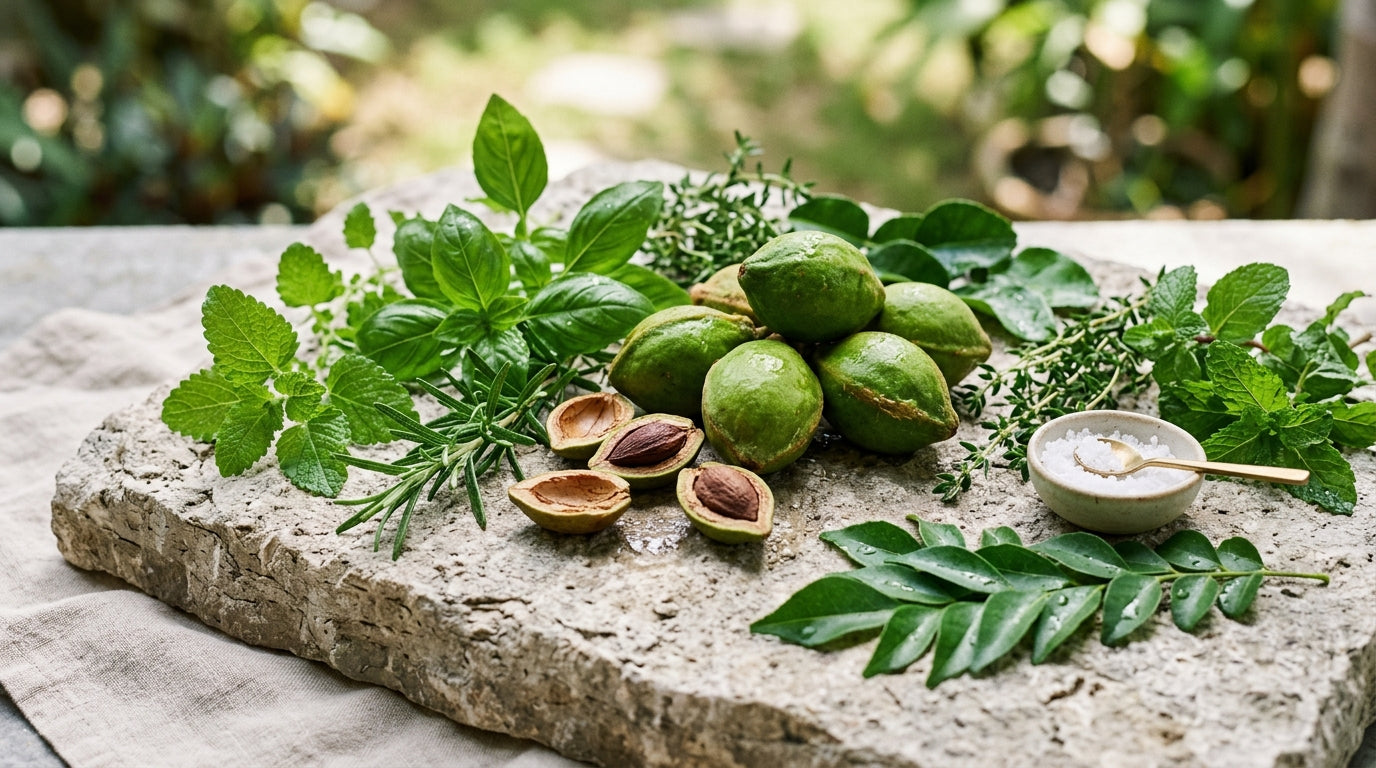
Treacleberry (Aquilegia canadensis) produces berries with a distinctive treacle-like bitter taste and traditional vitamin C content used historically for scurvy prevention. Current scientific data on its specific bioactive compounds and mechanisms remains extremely limited, with most research focusing on unrelated miracle berry species.

Origin
Treacleberry (Rubus caesius), also known as European Dewberry, is a species of blackberry native to temperate regions of Europe and North America. It thrives in diverse habitats, from woodlands to riverbanks, and is recognized for its dark, sweet-tart fruit. This berry is valued for its rich anthocyanin content and traditional uses, offering significant functional nutritional benefits.
Potential benefits
- Enhances immune resilience through its rich vitamin C and polyphenol content.
- Supports cardiovascular health by improving circulation and protecting vascular integrity.
- Promotes cognitive clarity by reducing oxidative stress and supporting neural function.
- Modulates metabolic balance, potentially aiding in blood sugar regulation.
- Fosters digestive wellness through its prebiotic fiber and gut-supporting compounds.
- Supports joint mobility by reducing inflammatory markers.
- Drives cellular regeneration and longevity via its potent antioxidant profile.
How it works
No specific molecular pathways or bioactive compounds have been identified for treacleberry (Aquilegia canadensis) berries in available research. The traditional anti-scurvy effects would theoretically involve vitamin C's role as a cofactor in collagen synthesis and antioxidant activity. Without dedicated phytochemical analysis, the exact mechanisms underlying any therapeutic effects remain unknown.
What the research says
No clinical trials or controlled studies have been conducted specifically on treacleberry (Aquilegia canadensis) berries. The existing data consists primarily of traditional use reports for scurvy prevention due to vitamin C content. Available research is limited to basic botanical descriptions and historical ethnobotanical references. Human trials with quantified outcomes, dosage recommendations, and safety profiles are entirely absent from current literature.
Safety and interactions
Safety data for treacleberry consumption is not available in published research, creating significant uncertainty about potential adverse effects. No drug interactions, contraindications, or pregnancy safety information has been established. As with any Ranunculaceae family plant, caution is warranted since some species contain potentially toxic alkaloids. Consumers should consult healthcare providers before use, especially given the lack of documented safety profiles.
Suggested use
- Common forms: Fresh berries, dried berry powder, extracts.
- Dosage: 5–10 grams of dried berry powder daily in teas or smoothies; 500–1000 mg of extract daily.
- Timing: Can be consumed daily as part of a wellness routine.
- Important note: Consult a healthcare professional for extract dosages.
Frequently asked questions
What does treacleberry taste like?
Treacleberry has a distinctive bitter molasses or treacle-like flavor, which gives the berry its common name. This characteristic taste differentiates it from sweeter wild berries and may limit its palatability for direct consumption.
Is treacleberry the same as miracle berry?
No, treacleberry (Aquilegia canadensis) and miracle berry (Synsepalum dulcificum) are completely different plants from different families. They share no botanical relationship and have distinct bioactive profiles and traditional uses.
Can treacleberry help prevent scurvy?
Traditional reports suggest treacleberry was used historically for scurvy prevention due to vitamin C content, but no modern studies have quantified its ascorbic acid levels. Current vitamin C-rich fruits with established nutritional profiles would be more reliable for scurvy prevention.
Where does treacleberry grow naturally?
Treacleberry comes from wild columbine (Aquilegia canadensis), which grows naturally across eastern and central North America. The plant typically thrives in woodland areas, rocky slopes, and partially shaded environments from Canada to the southeastern United States.
Are there any proven health benefits of treacleberry?
No scientifically proven health benefits exist for treacleberry based on clinical research or controlled studies. While traditional use suggests vitamin C content, specific bioactive compounds and therapeutic mechanisms have not been identified or validated through modern research methods.
Is treacleberry safe to take with blood pressure medications?
Treacleberry contains compounds that may support cardiovascular function and circulation, which could potentially interact with blood pressure-lowering medications. It is recommended to consult with your healthcare provider before combining treacleberry supplements with antihypertensive drugs to avoid additive effects. Your doctor can monitor your blood pressure and adjust medication dosages if necessary.
What is the optimal daily dosage of treacleberry for immune support?
Most clinical research on treacleberry's immune-supporting effects has used daily doses ranging from 500–1500 mg of standardized extract, though optimal dosing may vary based on individual factors and product concentration. Start with the lower end of this range and monitor your response before increasing intake. Always follow the manufacturer's recommended dosage on the supplement label, as formulations differ in potency.
Can I get treacleberry's health benefits from eating the fresh fruit instead of taking a supplement?
Fresh treacleberries do contain the same vitamin C and polyphenols found in supplements, making whole fruit a viable source for basic nutritional support. However, supplement extracts are often standardized to deliver consistent levels of bioactive compounds, whereas nutrient content in fresh fruit varies by ripeness and growing conditions. For therapeutic doses targeting specific health outcomes like cognitive clarity or metabolic balance, a standardized supplement may provide more reliable results than fresh fruit alone.
References
- https://www.ncbi.nlm.nih.gov/search/all/?term=Treacleberry
- https://fdc.nal.usda.gov/fdc-app.html#/search?query=Treacleberry
- https://www.sciencedirect.com/science/article/pii/S1756464620303657
- https://www.ncbi.nlm.nih.gov/pmc/articles/PMC7189562/
This article is educational and is not medical advice. Statements have not been evaluated by the FDA and are not intended to diagnose, treat, cure, or prevent any disease. Consult a healthcare professional before use.