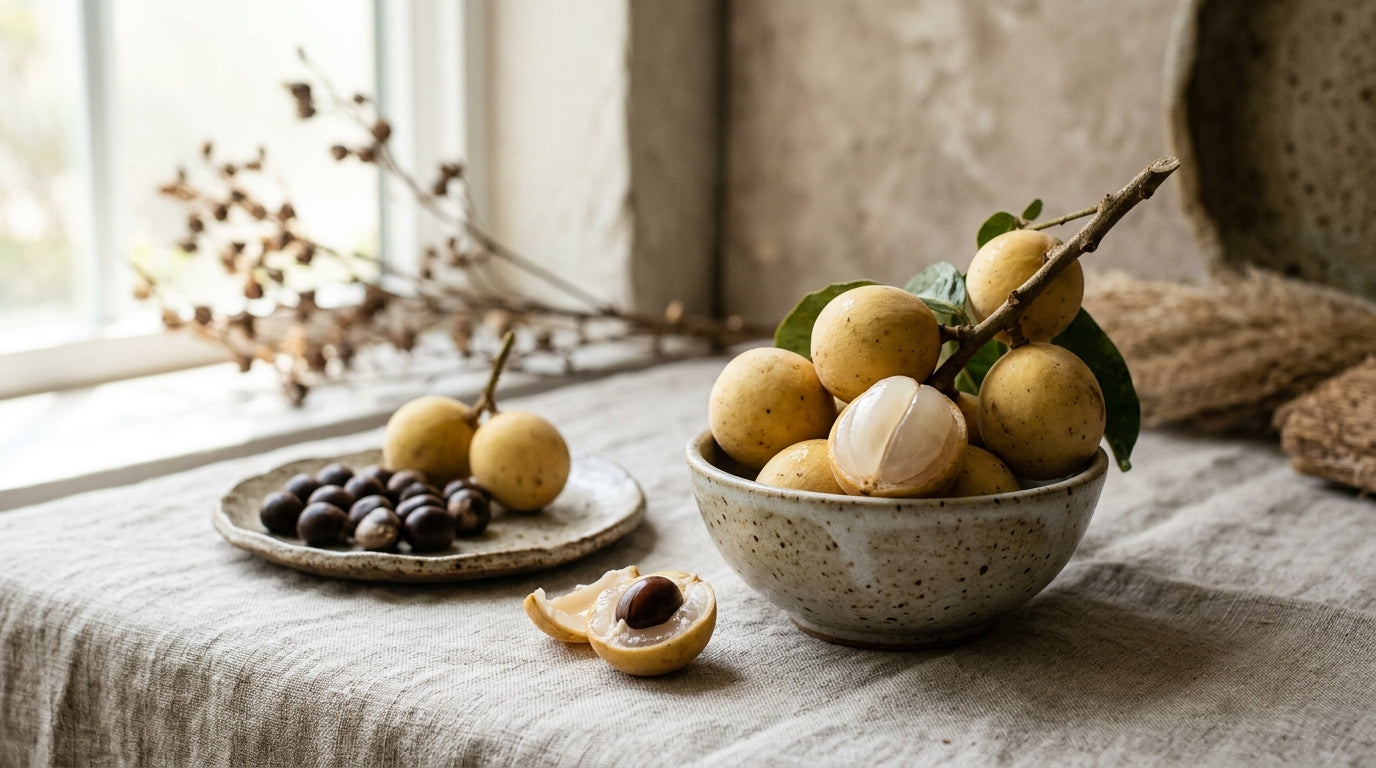
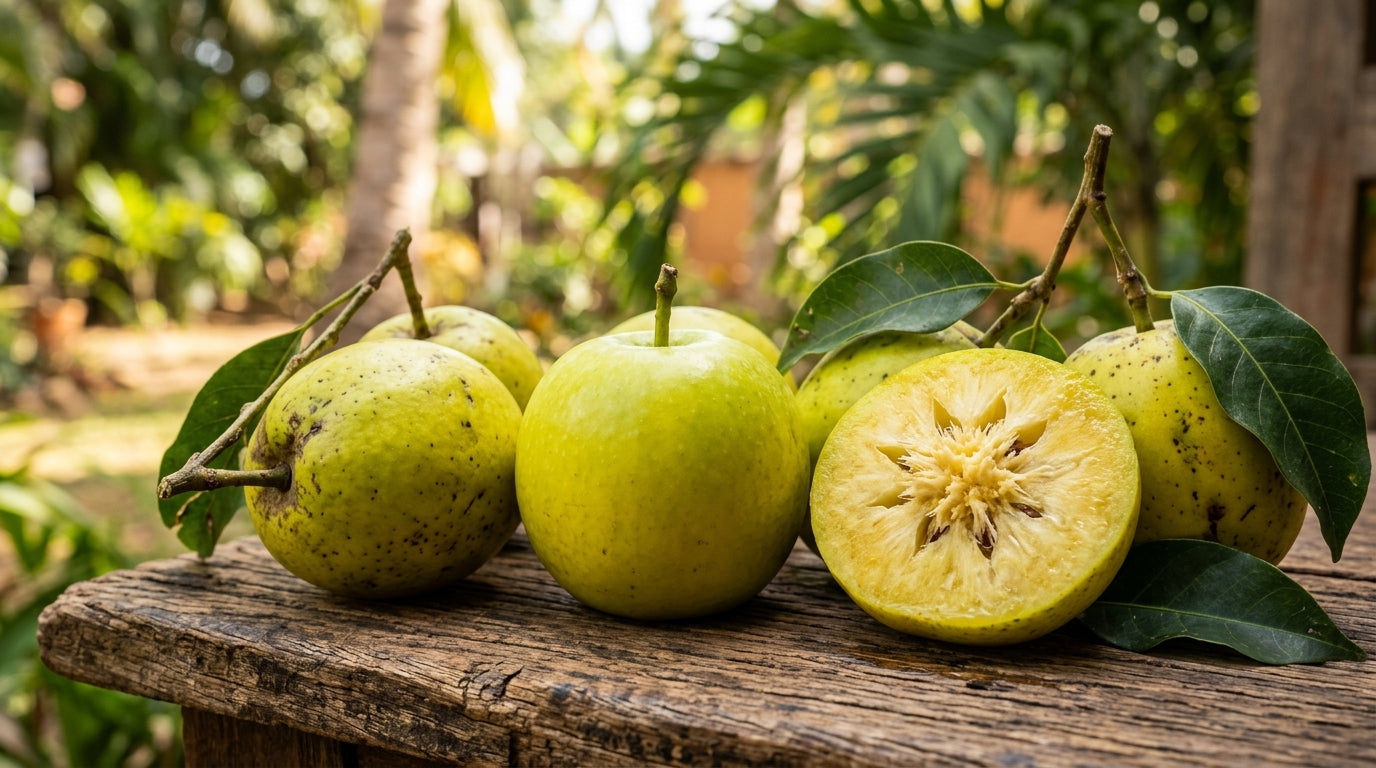
Lilac Berry refers to anthocyanin-rich purple berries including bilberry, chokeberry, and blackcurrants, containing cyanidin-3-glucoside and delphinidin compounds at concentrations up to 3.53 mg/g. These bioactives exert antioxidant effects through radical scavenging and anti-inflammatory activity via TNF-α and NF-κB pathway inhibition.

Origin
Lilac Berry (Syzygium cordatum) is a vibrant fruit indigenous to Southern Africa, particularly Botswana, Zimbabwe, and South Africa. Thriving in diverse landscapes, it is recognized for its rich nutritional profile and traditional use in supporting overall vitality.
Potential benefits
- Supports immune resilience through its high vitamin C and antioxidant content.
- Enhances cardiovascular wellness by modulating inflammation and supporting healthy circulation.
- Promotes digestive health with dietary fiber that aids gut motility and a balanced microbiome.
- Contributes to metabolic balance by influencing blood sugar regulation.
- Supports cognitive function by providing antioxidants that protect neural tissues.
- Aids in joint health through its anti-inflammatory compounds.
How it works
Primary anthocyanins including cyanidin-3-galactoside and delphinidin-3-O-galactoside function as electron donors to neutralize reactive oxygen species while inhibiting inflammatory mediators TNF-α, NF-κB, and MCP-1. These compounds activate AMPK pathways and downregulate SREBP-1 for lipid metabolism regulation, while demonstrating α-amylase inhibition similar to acarbose for carbohydrate management. Additional neuroprotective effects occur through autophagy promotion and amino acid metabolism modulation.
What the research says
Human clinical evidence remains limited, with most data derived from preclinical animal models rather than large-scale randomized controlled trials. Blueberry extract containing 150 mg/kg/day anthocyanins demonstrated neuronal autophagy promotion in APP/PS1 Alzheimer's mice models. A 3-month human study with tart cherry anthocyanins showed improvements in attention and mental fatigue in middle-aged adults through amino acid metabolism changes. Bioavailability studies indicate 73% urinary recovery of blackcurrant anthocyanins, though clinical endpoints for disease prevention lack quantified evidence.
Safety and interactions
Anthocyanin-rich berries are generally recognized as safe (GRAS) with high tolerability in typical dietary amounts, showing no documented serious adverse effects. Phenolic compounds undergo gut microfloral metabolism into phenolic acids with low bioavailability, particularly degree-dependent for proanthocyanidins. No specific drug interactions have been documented, though potential exists for interactions with diabetes medications given α-amylase inhibition effects. High doses may cause mild gastrointestinal effects, though specific thresholds remain unestablished.
Suggested use
- Forms: Traditionally consumed fresh, dried, or in jams and beverages. Modern uses include supplements, functional beverages, and energy snacks.
- Dosage: 100–150g of fresh berries daily or 500–1000mg of extract.
- Traditional Uses: Employed for digestion, respiratory support, detoxification, and energy enhancement.
Frequently asked questions
What are the main active compounds in Lilac Berry?
Primary bioactives include anthocyanins such as cyanidin-3-galactoside (0.34 mg/g) and delphinidin-3-O-galactoside, flavonoids like quercetin-3-galactoside (0.31 mg/g), and phenolic acids including chlorogenic acid (3.53 mg/g). These compounds provide the characteristic purple pigmentation and therapeutic effects.
How much Lilac Berry extract has been studied clinically?
Clinical studies used 150 mg/kg/day anthocyanin content in animal models and 3-month treatment periods in human trials. Most evidence comes from preclinical research rather than large-scale human trials, with bioavailability studies showing 73% urinary recovery of anthocyanins.
Can Lilac Berry interact with diabetes medications?
Lilac Berry demonstrates α-amylase inhibition similar to acarbose, potentially affecting carbohydrate digestion and blood sugar levels. While no specific interactions are documented, patients taking diabetes medications should monitor blood glucose and consult healthcare providers before supplementation.
What is the difference between Lilac Berry and regular blueberries?
Lilac Berry likely refers to Syzygium cordatum from Southern Africa, while also encompassing various anthocyanin-rich purple berries including blueberries. The key similarity is high anthocyanin content, though specific compound profiles and concentrations may vary between species.
Are there any side effects from taking Lilac Berry supplements?
No serious adverse effects are documented, with berry compounds generally recognized as safe in dietary amounts. High doses may potentially cause mild gastrointestinal effects, though specific thresholds remain unestablished in clinical literature.
What is the best form of Lilac Berry supplement for maximum absorption?
Lilac Berry extract powders and freeze-dried whole berry preparations tend to offer superior bioavailability compared to standard dried forms, as they concentrate the antioxidant compounds while preserving heat-sensitive vitamin C. Liquid extracts or standardized extracts may provide faster absorption, though whole berry powders offer the added benefit of dietary fiber for digestive support. Taking Lilac Berry supplements with a meal containing healthy fats can enhance the absorption of its fat-soluble antioxidants.
Is Lilac Berry supplementation safe during pregnancy and breastfeeding?
While Lilac Berry is a whole food fruit with a long history of culinary use, pregnant and breastfeeding women should consult their healthcare provider before starting any supplement regimen to ensure it aligns with their individual health needs. The high vitamin C and antioxidant content is generally considered safe in food amounts, but supplemental doses may warrant professional guidance. Most safety concerns with Lilac Berry are minimal, but personalized medical advice is recommended during these sensitive periods.
Can I get sufficient Lilac Berry benefits from whole food sources alone, or do I need a supplement?
Consuming fresh or frozen Lilac Berries regularly as part of a balanced diet can provide meaningful amounts of vitamin C, fiber, and antioxidants for immune and digestive support. However, standardized supplements concentrate these bioactive compounds to levels that may be difficult to achieve through diet alone, making them useful for those seeking enhanced cardiovascular or cognitive benefits. The choice between whole food and supplements depends on your dietary habits, health goals, and access to fresh Lilac Berries.
References
- https://www.ncbi.nlm.nih.gov/search/all/?term=Lilac+Berry
- https://fdc.nal.usda.gov/fdc-app.html#/search?query=Lilac+Berry
- https://www.sciencedirect.com/science/article/pii/S2213453019302977
- https://www.ncbi.nlm.nih.gov/pmc/articles/PMC7266172/
This article is educational and is not medical advice. Statements have not been evaluated by the FDA and are not intended to diagnose, treat, cure, or prevent any disease. Consult a healthcare professional before use.