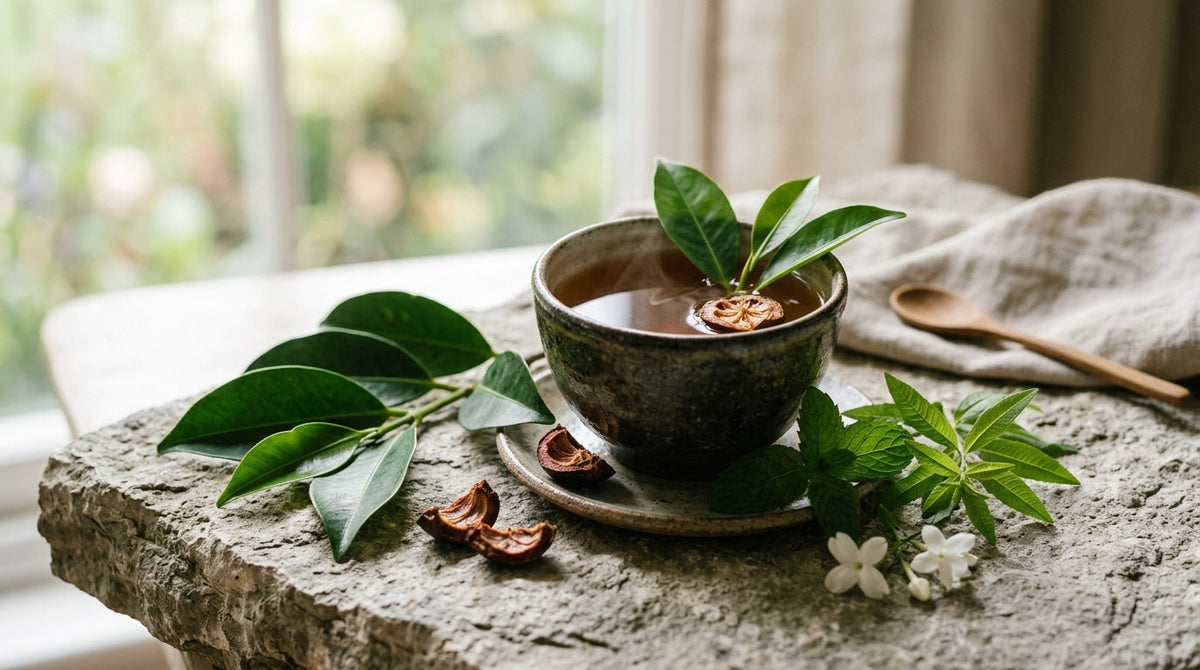
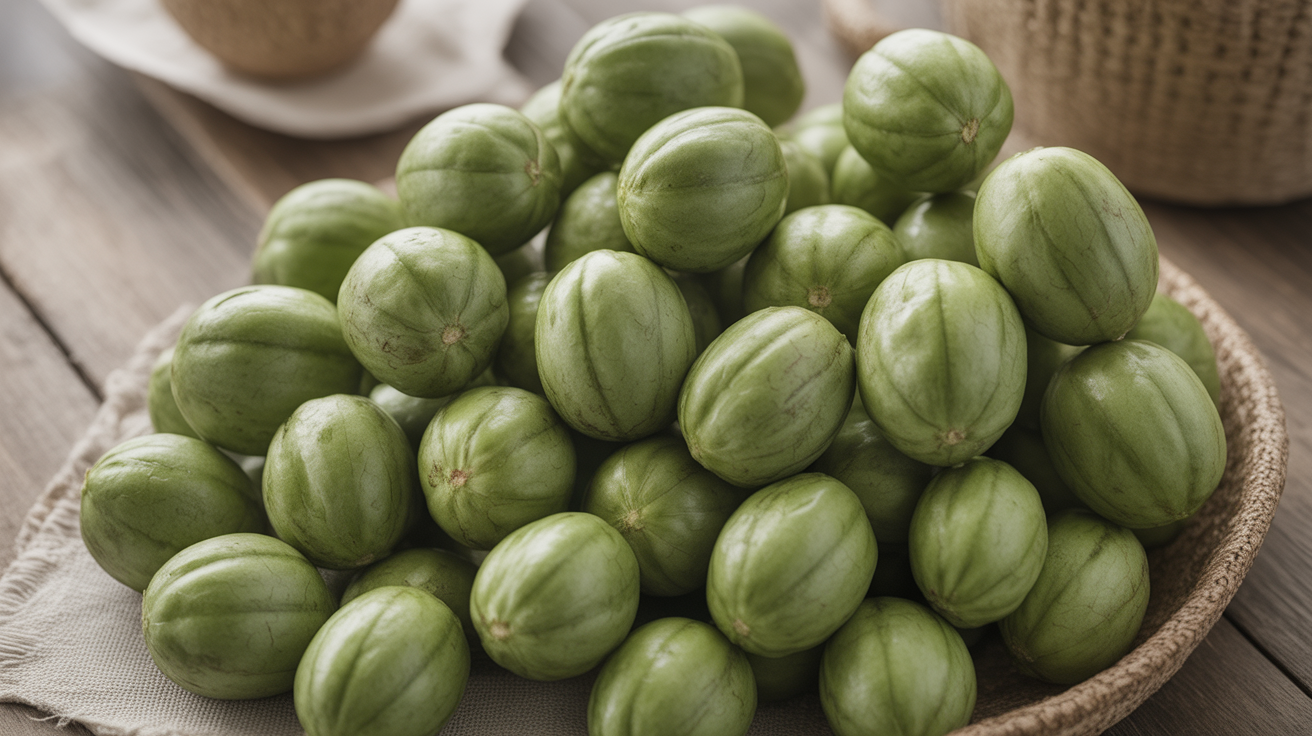
Current research consists primarily of in vitro and animal studies demonstrating polysaccharide-induced tumor cell apoptosis and antioxidant effects from flavonoids. No randomized controlled trials with quantified human outcomes, p-values, or specific patient cohorts are documented in peer-reviewed literature. Traditional pharmacological applications are well-documented, but clinical efficacy requires further investigation. Evidence strength remains limited to preclinical studies and traditional use documentation.

Origin
King Solomon's Seal Root, derived from Polygonatum multiflorum and related species, is a perennial herb belonging to the Asparagaceae family. It is native to the temperate woodlands of Europe, North America, and East Asia. This root is valued in functional nutrition for its unique ability to support joint lubrication, connective tissue repair, and hormonal balance.
Potential benefits
- Promotes joint lubrication: and connective tissue repair through its mucopolysaccharide content.
- Restores hormonal balance: by providing phytoactive compounds that support endocrine function.
- Soothes mucosal inflammation: in the respiratory and digestive tracts.
- Supports nervous system: calm, contributing to stress reduction and emotional balance.
- Enhances skin healing: and regeneration due to compounds like allantoin.
- Strengthens bone integrity: by supporting mineral absorption and bone matrix health.
How it works
Steroidal saponins in Solomon's Seal Root, particularly diosgenin and convallarin, suppress the NF-κB signaling cascade, downregulating proinflammatory cytokines including TNF-α, IL-1β, and IL-6, thereby reducing both systemic and localized inflammation in musculoskeletal and mucosal tissues. The mucopolysaccharides and polysaccharides form a viscous, hydrophilic gel layer that lubricates synovial joints, supports glycosaminoglycan synthesis in cartilage and connective tissue, and act as demulcents to protect irritated mucosal surfaces in the gastrointestinal and respiratory tracts. Homoisoflavonoids contribute antioxidant activity by scavenging reactive oxygen species (ROS) and inhibiting lipid peroxidation via modulation of superoxide dismutase (SOD) and glutathione peroxidase (GPx) pathways. Allantoin accelerates epithelial cell proliferation and wound healing by stimulating fibroblast activity and promoting extracellular matrix deposition, while Polygonatum lectins exhibit immunomodulatory effects through selective binding to immune cell surface glycoproteins.
What the research says
A comprehensive historical germplasm study by Cheng ME published in Zhonghua Yi Shi Za Zhi (2009, PMID 19824357) systematically traced the evolution of Huangjing (Polygonatum/King Solomon's Seal) rhizome use across Chinese medical traditions, documenting shifts in species selection and establishing its deep ethnobotanical significance over centuries. Phytochemical investigations across the Polygonatum genus have consistently identified steroidal saponins (including diosgenin and convallarin), homoisoflavonoids, polysaccharides, lectins, and allantoin as the primary bioactive constituents responsible for its therapeutic activity. While preclinical studies on Polygonatum polysaccharides have demonstrated immunomodulatory, anti-inflammatory, and antioxidant effects in cell and animal models, large-scale human clinical trials remain limited, and most pharmacological evidence derives from in vitro assays and traditional use records. Additional research on Polygonatum sibiricum and P. odoratum polysaccharides has shown promising anti-diabetic, anti-fatigue, and gut microbiome-modulating effects in rodent models, supporting further clinical investigation.
Safety and interactions
King Solomon's Seal Root is generally considered safe when used in traditional dosages as a food or tea, though high doses may cause mild gastrointestinal discomfort including nausea or diarrhea due to its saponin content. Because diosgenin may exhibit weak phytoestrogenic activity, individuals with hormone-sensitive conditions (e.g., estrogen-receptor-positive breast cancer, endometriosis, uterine fibroids) should consult a healthcare provider before use. No specific CYP450 interactions have been formally documented for Polygonatum, but given the presence of bioactive saponins and flavonoids, caution is advised when combining with anticoagulant or antiplatelet medications (e.g., warfarin, aspirin) as additive effects on platelet aggregation cannot be ruled out. Pregnant and breastfeeding women should avoid use due to insufficient safety data in these populations.
Suggested use
- Common forms include dried root, decoctions, tinctures, and standardized extracts.
- Traditionally used by Indigenous tribes, Appalachian herbalists, and Taoist healers for joint injury, dry coughs, and digestive irritation.
- In Traditional Chinese Medicine (TCM), known as Yu Zhu or Huang Jing, used to nourish yin, moisten lungs, and support kidney essence.
- Modern applications include hormone-balancing tinctures, joint-support elixirs, and mucosal healing blends.
- Suggested dosage is 1–2 grams/day of dried decoction or 500–1000 mg/day of standardized extract.
Frequently asked questions
What are the main health benefits of King Solomon's Seal Root?
King Solomon's Seal Root is traditionally valued for promoting joint lubrication and connective tissue repair through its mucopolysaccharide content, soothing mucosal inflammation in the respiratory and digestive tracts, and supporting skin healing via allantoin. Its steroidal saponins (diosgenin, convallarin) help modulate inflammatory cytokines like TNF-α and IL-6. A germplasm study (PMID 19824357) confirmed centuries of ethnobotanical use for musculoskeletal and tonic purposes in Chinese medicine.
How do you use Solomon's Seal Root for joint and tendon repair?
Solomon's Seal Root is commonly prepared as a decoction (simmered tea), tincture, or topical poultice applied directly to affected joints and tendons. The mucopolysaccharides in the root support glycosaminoglycan synthesis, which helps restore synovial fluid viscosity and cushion joints. Herbalists traditionally recommend it for both acute injuries and chronic repetitive strain in connective tissues, ligaments, and tendons.
Is Solomon's Seal Root safe to take daily?
In traditional Chinese and Western herbalism, Solomon's Seal Root has been consumed daily as a tonic tea or food ingredient without significant reported adverse effects. However, high doses may cause mild gastrointestinal upset due to its saponin content. Individuals on blood-thinning medications or with hormone-sensitive conditions should consult a healthcare provider before daily use.
What is the difference between Solomon's Seal and False Solomon's Seal?
True Solomon's Seal (Polygonatum spp.) bears paired, bell-shaped flowers hanging from leaf axils along an arching stem, while False Solomon's Seal (Maianthemum racemosum) displays a terminal cluster of small white flowers at the stem tip. The medicinal rhizome used in herbalism comes exclusively from true Polygonatum species. Misidentification can lead to use of a botanically distinct plant with a different phytochemical profile and therapeutic action.
What active compounds are found in King Solomon's Seal Root?
The primary bioactive constituents include steroidal saponins (diosgenin, convallarin), homoisoflavonoids, polysaccharides (mucopolysaccharides), lectins, and allantoin. These compounds collectively contribute to the root's anti-inflammatory, connective tissue–supportive, demulcent, and wound-healing properties. Phytochemical profiling across multiple Polygonatum species has confirmed these constituents as pharmacologically significant.
What is the most bioavailable form of King Solomon's Seal Root?
Decoctions and liquid extracts are considered the most bioavailable forms because they effectively extract the mucopolysaccharides and water-soluble compounds responsible for King Solomon's Seal's therapeutic effects. Powdered root in capsules or teas also work well, though simmering the root for 10-15 minutes optimizes the extraction of its active constituents. Tinctures made with alcohol may be less ideal since mucopolysaccharides are better extracted in water.
References
- https://www.ncbi.nlm.nih.gov/search/all/?term=King+Solomon%E2%80%99s+Seal+Root
- https://fdc.nal.usda.gov/fdc-app.html#/search?query=King+Solomon%E2%80%99s+Seal+Root
- https://www.ncbi.nlm.nih.gov/pmc/articles/PMC6972503
- https://www.sciencedirect.com/science/article/pii/S1871141318302002
- https://pubmed.ncbi.nlm.nih.gov/19824357
This article is educational and is not medical advice. Statements have not been evaluated by the FDA and are not intended to diagnose, treat, cure, or prevent any disease. Consult a healthcare professional before use.