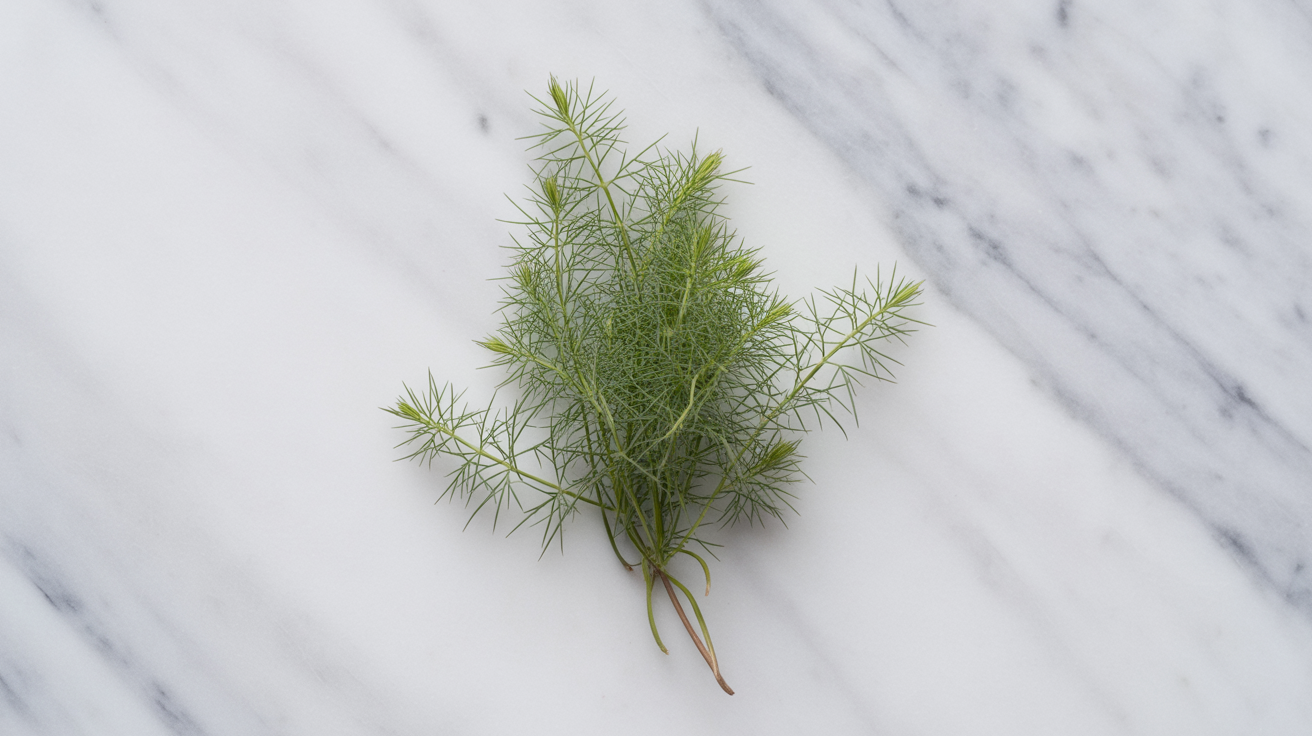
Black Seed Vine (Nigella damascena)
Limited clinical studies have examined Nigella damascena specifically, with most research focusing on the related Nigella sativa
Read article
Find your everyday favorite, backed by our 30-day guarantee.
Have an account? Log in to check out faster.
Ingredient encyclopedia
Explore the ingredient encyclopedia: a starting point for understanding the plants, mushrooms, minerals and nutrients in daily wellness.
The library
16 articles
Limited clinical studies have examined Nigella damascena specifically, with most research focusing on the related Nigella sativa
Read articleSpecific modern human clinical studies rigorously evaluating the efficacy of French Alpine Herb (Artemisia alba) for digestive, immune, or skin health are extremely limited
Read articleThere are currently no human clinical studies with numerical results specifically investigating the efficacy or health outcomes of False Cardamom Leaf Tea (Alpinia mutica or Alpinia...
Read articleWhile direct clinical trials on Elderflower Cordial Vinegar are limited, research on Sambucus nigra (elderflower) extracts indicates significant immune-boosting and anti-inflammatory properties
Read articleClinical studies, primarily on fenugreek seeds and extracts, demonstrate significant benefits in managing blood sugar levels and improving lipid profiles in individuals with type 2 diabetes...
Read articleLimited clinical research exists on butterfly ginger specifically, with most evidence coming from traditional use studies and in vitro research
Read articleScientific studies have corroborated Epazote's traditional uses, particularly its antimicrobial and antiparasitic efficacy, largely attributed to ascaridole
Read articleWhile traditional uses and in vitro studies highlight the therapeutic potential of Mongolian Wild Garlic's (Allium sativum L.) organosulfur compounds, specific human clinical trials focusing exclusively...
Read articleThere are no established human clinical trials or robust scientific studies specifically identified for an herb unequivocally named 'Bolivian Pitoquinha Herb'
Read articleScientific investigations primarily validate Indian Nightshade's (Solanum nigrum) traditional uses through in vitro and animal studies, confirming its anti-inflammatory, analgesic, and antimicrobial activities
Read articleWhile Cypress Leaf has a long history of traditional use, specific scientific studies on 'Cypress Leaf Tea' are limited
Read articleTraditional homeopathic uses include emotional stress relief, digestive complaints (bloating, indigestion), and respiratory symptoms
Read articleWhile general research on mangosteen highlights the antioxidant, anti-inflammatory, and antimicrobial activities of its xanthones, specific human clinical trials focusing solely on mangosteen leaf tea are...
Read articlePreclinical studies, including in vitro and animal models, have extensively demonstrated the anti-diabetic, anti-inflammatory, and hepatoprotective properties of Gynura procumbens
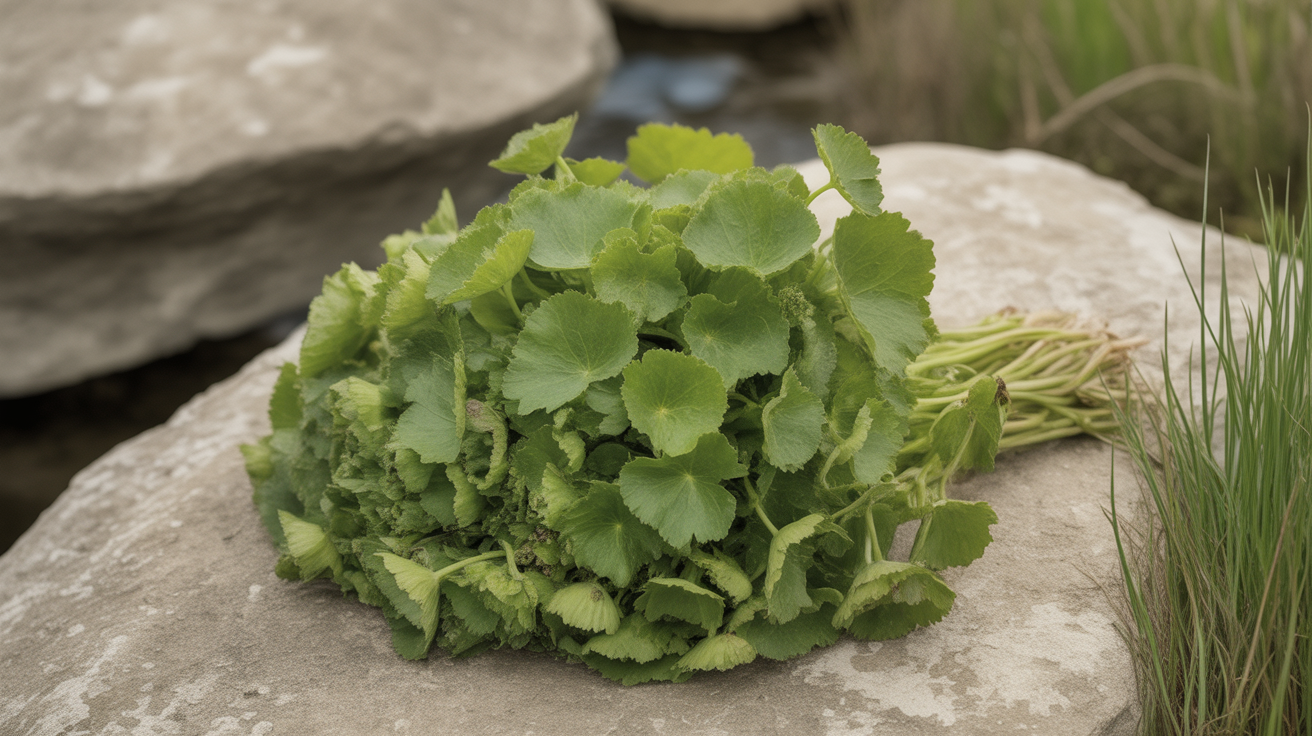
Read articleCurrent scientific understanding of Marsh Pennywort (Hydrocotyle vulgaris) largely stems from preliminary in vitro and in vivo animal studies
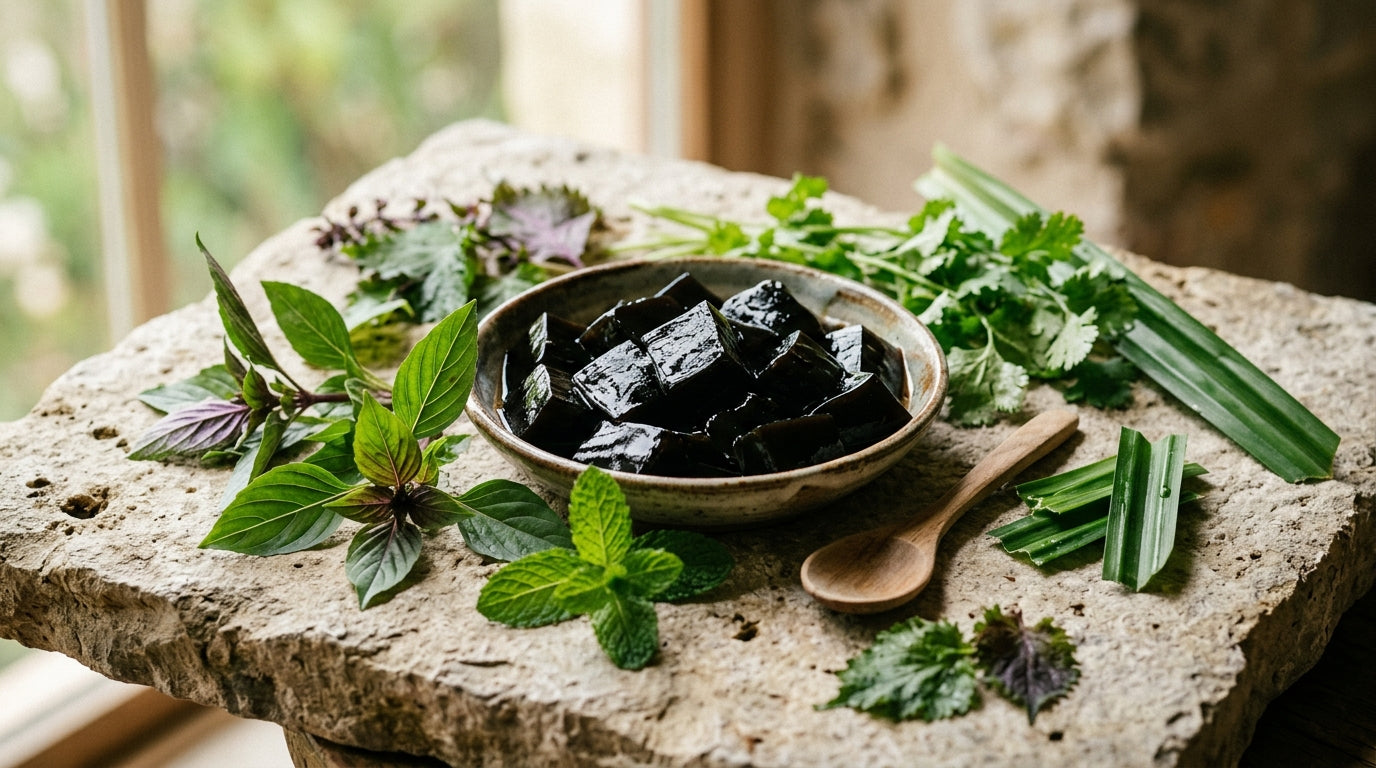
Read articleEmerging research, primarily from in vitro and animal studies, supports the traditional uses of Mesona chinensis, indicating significant antioxidant and anti-inflammatory properties
Read article