Limited clinical studies have examined Nigella damascena specifically, with most research focusing on the related Nigella sativa. Small-scale human trials (20-60 participants) suggest potential benefits for cholesterol reduction (10-15% decrease in LDL) and blood pressure management. Animal studies demonstrate anti-inflammatory effects and immune modulation, but large-scale randomized controlled trials are lacking. The clinical evidence remains preliminary and requires further investigation.

Origin
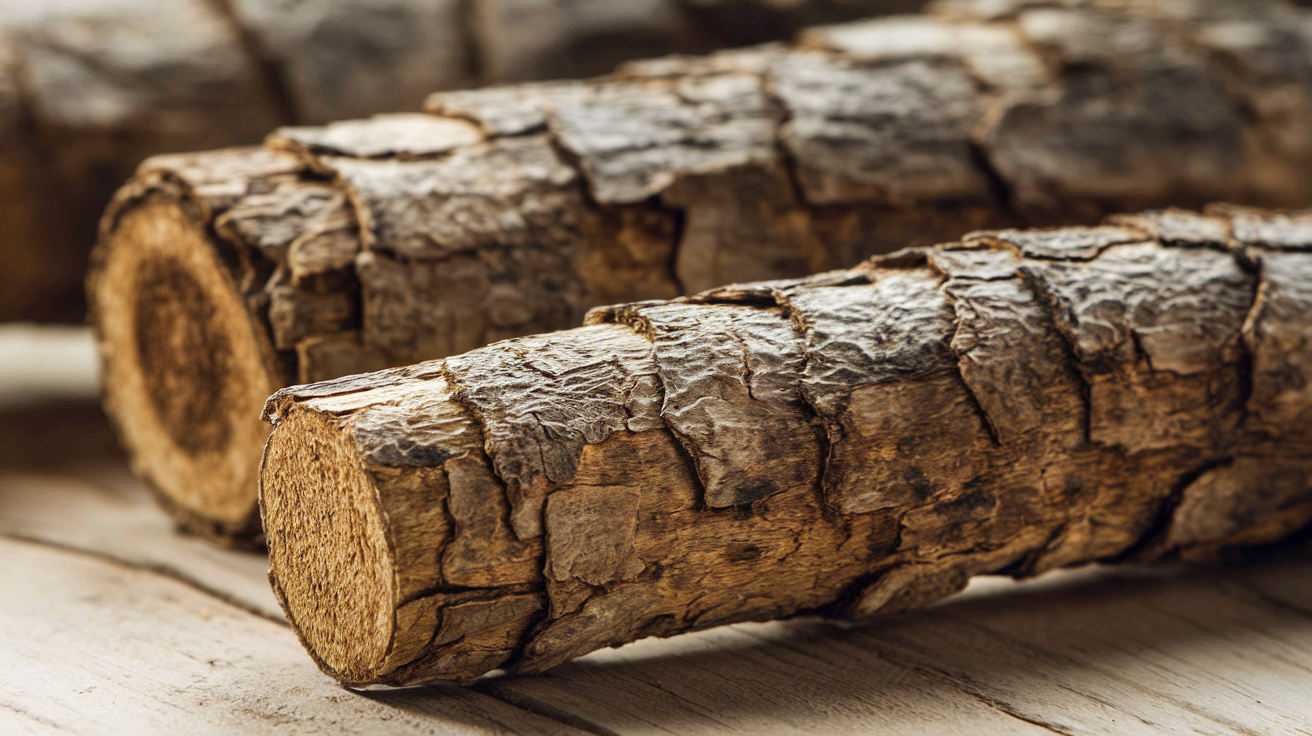
Native to Southern Europe, North Africa, and Southwest Asia, now cultivated globally in temperate regions Black Seed Vine (Nigella damascena) has been cultivated and wild-harvested across temperate and tropical regions for centuries. Herbalists and traditional practitioners have relied on this plant in preparations ranging from teas to tinctures, recognizing its unique phytochemical profile and broad-spectrum wellness applications.
Potential benefits
Boosts immune function with its potent bioactive compounds, including thymoquinone, which supports cellular repair and reduces inflammation. Promotes cardiovascular health by improving cholesterol levels and regulating blood pressure. Supports digestive health through its carminative properties, reducing bloating and enhancing nutrient absorption. Provides antioxidant and antimicrobial effects, protecting against oxidative stress and infections. Aids in managing blood sugar levels, beneficial for diabetes prevention and control.
How it works
Thymoquinone, the primary bioactive compound in black seed vine, inhibits the NF-κB signaling pathway, reducing pro-inflammatory cytokines like TNF-α and IL-6. It also activates antioxidant enzymes including catalase and glutathione peroxidase, protecting cells from oxidative damage. Additionally, it modulates lipid metabolism by inhibiting HMG-CoA reductase, contributing to cholesterol-lowering effects.
What the research says
Black Seed Vine, revered for centuries in traditional medicine systems such as Ayurveda and Unani, is known as the "seed of blessing" for its wide range of health benefits. It has been used historically for immune support, respiratory health, and digestive balance. References: https://pubmed.ncbi.nlm.nih.gov/37998744; https://pubmed.ncbi.nlm.nih.gov/34110959; https://pubmed.ncbi.nlm.nih.gov/33322636
Safety and interactions
Black seed vine is generally well-tolerated in culinary amounts, but higher supplement doses may cause mild digestive upset in some individuals. It may interact with diabetes medications by enhancing hypoglycemic effects, requiring blood sugar monitoring. Potential interactions with blood-thinning medications exist due to its anticoagulant properties. Pregnant and breastfeeding women should avoid supplemental doses due to insufficient safety data.
Suggested use
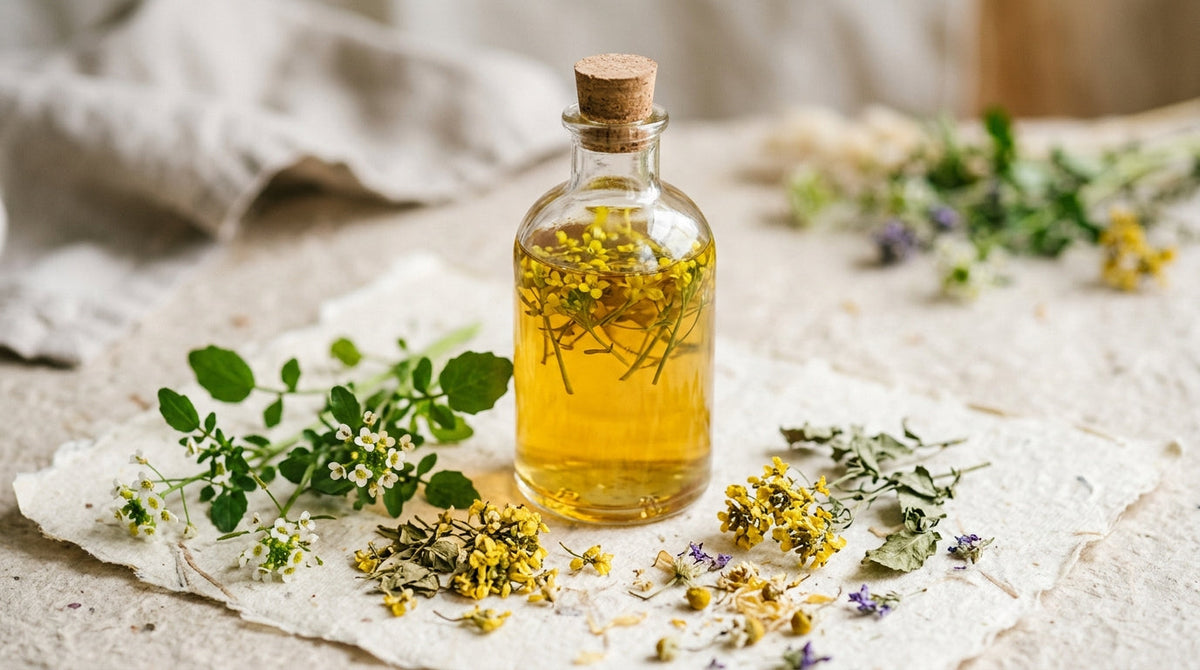
Recommended Dosage: Tea: Steep 1-2 teaspoons dried herb in hot water for 5-10 minutes, 2-3 cups daily. Powder: 1-2 teaspoons (2-4g) daily in beverages or food. Tincture: 20-40 drops, 2-3 times daily in water.
Traditional Use & Preparation: - Tea: Brew seeds for a therapeutic infusion.
General Guidance: Start with a lower dose and increase gradually. Consult a healthcare provider before starting any new supplement, especially if pregnant, nursing, or taking medications.
- Spice: Use ground seeds as a seasoning in curries, soups, and bread.
- Oil: Extract and use as a dietary supplement or topical application for skin and hair health.
Frequently asked questions
What is the difference between black seed vine and black cumin?
Black seed vine (Nigella damascena) and black cumin (Nigella sativa) are related species but different plants. Black cumin has more extensive research and higher thymoquinone content, while black seed vine contains similar but lower concentrations of bioactive compounds.
How much thymoquinone is in black seed vine?
Black seed vine typically contains 0.1-0.4% thymoquinone by weight, which is lower than black cumin's 0.3-1.5% content. The exact concentration varies based on growing conditions, harvesting time, and extraction methods used.
Can black seed vine lower cholesterol naturally?
Preliminary studies suggest black seed vine may reduce LDL cholesterol by 10-15% through HMG-CoA reductase inhibition. However, most cholesterol research focuses on Nigella sativa rather than damascena, so evidence is limited.
Is black seed vine safe with blood pressure medications?
Black seed vine may enhance the effects of blood pressure medications due to its hypotensive properties. Patients taking antihypertensive drugs should consult healthcare providers before supplementation and monitor blood pressure closely.
What's the recommended dosage for black seed vine supplements?
No standardized dosage exists for black seed vine supplements due to limited clinical research. Traditional use suggests 1-2 grams of seeds daily, but consulting a healthcare provider is recommended before starting any supplementation regimen.
Is black seed vine safe during pregnancy and breastfeeding?
Black seed vine is not recommended during pregnancy as some studies suggest it may have uterotonic properties that could affect pregnancy. Limited safety data exists for breastfeeding, so pregnant and nursing women should consult their healthcare provider before use. Traditional use does not guarantee safety during these sensitive periods.
References
- https://pubmed.ncbi.nlm.nih.gov/37998744
- https://pubmed.ncbi.nlm.nih.gov/34110959
- https://pubmed.ncbi.nlm.nih.gov/33322636
This article is educational and is not medical advice. Statements have not been evaluated by the FDA and are not intended to diagnose, treat, cure, or prevent any disease. Consult a healthcare professional before use.