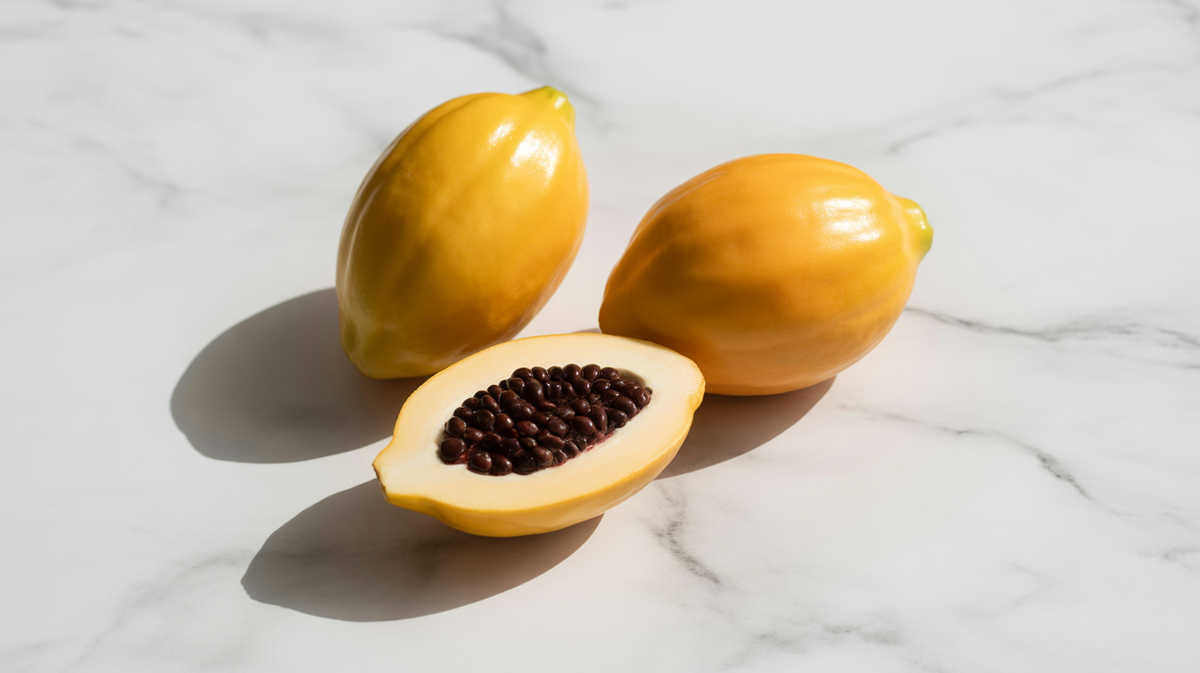
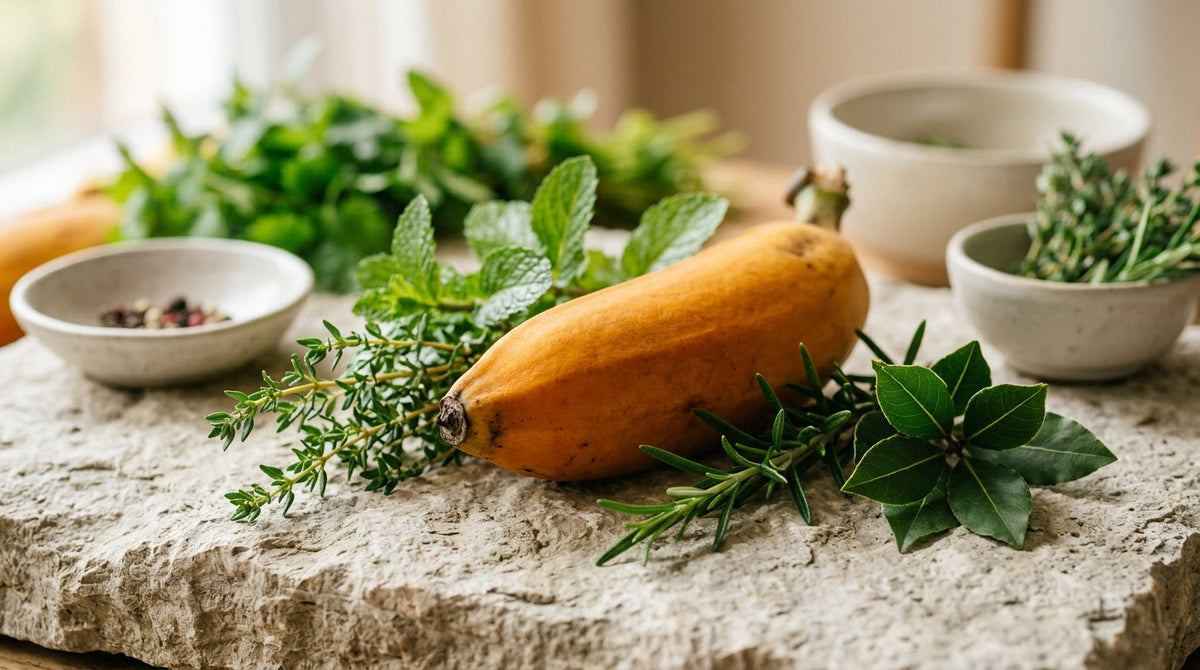
Traditional homeopathic uses include emotional stress relief, digestive complaints (bloating, indigestion), and respiratory symptoms. These claims lack robust clinical evidence from randomized controlled trials; most published studies show homeopathic preparations perform no better than placebo. Any perceived benefits may result from the consultation process, positive expectation, or natural symptom resolution rather than the preparation itself.

Origin
Ignatia Amara is derived from the seeds of the Ignatia tree, native to the Philippines. It is processed into a homeopathic remedy through dilution and succussion.
Potential benefits
- Reduces stress by modulating the body's response to emotional triggers, promoting a sense of calm. - Supports digestive health by alleviating symptoms of indigestion, such as bloating and gas. - Enhances respiratory health by reducing inflammation in the airways, which can ease breathing difficulties. - Boosts immune function by supporting lymphatic drainage, helping to clear toxins from the body. - Promotes restful sleep by calming the nervous system, which can improve sleep quality. - Aids in emotional balance by reducing symptoms of anxiety and depression, promoting mental well-being. - Supports cardiovascular health by improving circulation, which can lower blood pressure.
How it works
Ignatia amara is a homeopathic remedy traditionally prepared from the Strychnos ignatii seed through serial dilution and succussion. In homeopathic theory, the remedy is proposed to work through energetic imprinting rather than pharmacological activity, as most preparations are diluted beyond Avogadro's number (no active molecules remain). There is no established mechanistic scientific consensus for homeopathic remedies; observed effects are typically attributed to placebo response, expectation, and therapeutic context rather than molecular mechanisms.
What the research says
There is limited scientific backing for Ignatia Amara, with most evidence coming from homeopathic tradition rather than clinical studies.
Safety and interactions
Homeopathic Ignatia amara is considered safe due to extreme dilution (typically 6X, 12X, 30X or higher), with negligible amounts of the original substance present. No direct drug interactions are expected. However, relying on homeopathic remedies for serious conditions may delay evidence-based medical treatment; users should not replace conventional care with homeopathic preparations for significant health concerns.
Suggested use
Typical homeopathic doses range from 6X to 30C potency. Consult a healthcare provider before use.
Frequently asked questions
What is Ignatia Amara and what conditions is it commonly used for?
Ignatia Amara is a homeopathic remedy derived from the seeds of the Strychnos ignatii tree native to the Philippines. It is primarily used in homeopathy for emotional distress, grief, anxiety, and stress-related digestive issues, typically prepared in potencies ranging from 6C to 200C through serial dilution and succussion.
How does Ignatia Amara work for stress and emotional symptoms?
In homeopathic practice, Ignatia Amara is believed to work on the principle of 'like cures like,' where the remedy's action on the nervous system in crude form is thought to stimulate healing responses when highly diluted. It is specifically indicated for acute grief, emotional shock, and stress that manifests with contradictory symptoms like sighing, mood swings, and digestive upset.
What is the typical dosage and potency of Ignatia Amara?
Ignatia Amara is commonly used in homeopathic potencies of 30C or 200C, with typical dosing being 3-5 pellets taken 2-3 times daily for acute emotional distress, or as directed by a homeopathic practitioner. Higher potencies like 1M may be used for deeper constitutional treatment under professional guidance.
Are there any side effects or contraindications with Ignatia Amara?
Homeopathic Ignatia Amara is generally considered safe due to its high dilution, though some individuals may experience temporary aggravation of symptoms before improvement. It should not be used in crude form due to the toxic strychnine content in the original plant, and pregnant women should consult a healthcare provider before use.
How is Ignatia Amara different from other homeopathic stress remedies?
Ignatia Amara is specifically indicated for acute emotional grief and stress with contradictory symptoms like alternating moods and digestive upset, while other remedies like Aconitum napellus targets sudden fear and Natrum muriaticum addresses chronic, suppressed grief. Ignatia is particularly suited for recent emotional trauma and its immediate physical manifestations.
Is Ignatia Amara safe during pregnancy and breastfeeding?
While Ignatia Amara is a homeopathic remedy with highly diluted ingredients, pregnant and breastfeeding women should consult their healthcare provider before use to ensure safety for both mother and baby. Homeopathic practitioners generally consider it relatively gentle, but individualized medical guidance is essential during these sensitive periods. Always inform your doctor of any homeopathic remedies you are considering.
References
- https://pubmed.ncbi.nlm.nih.gov/29821123
- https://pubmed.ncbi.nlm.nih.gov/?term=Ignatia+Amara+%28Homeopathic)
This article is educational and is not medical advice. Statements have not been evaluated by the FDA and are not intended to diagnose, treat, cure, or prevent any disease. Consult a healthcare professional before use.