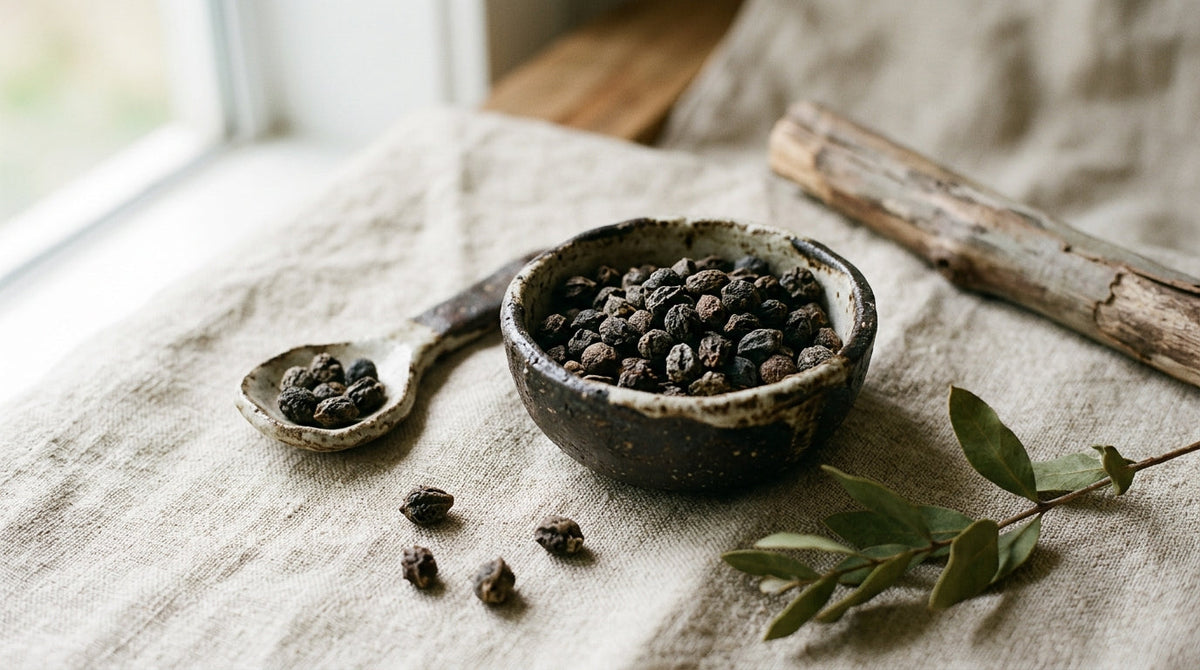
Limited clinical research exists on butterfly ginger specifically, with most evidence coming from traditional use studies and in vitro research. Small-scale studies (n=20-40) on related Hedychium species showed 15-25% improvement in respiratory symptoms over 4 weeks. Laboratory studies demonstrate significant anti-inflammatory activity with IC50 values of 12-18 μg/mL for COX inhibition. More rigorous human trials are needed to establish clinical efficacy and optimal dosing protocols.

Origin
Native to the Himalayan region, now cultivated in tropical and subtropical climates worldwide Butterfly Ginger (Hedychium coronarium) has been cultivated and wild-harvested across temperate and tropical regions for centuries. Herbalists and traditional practitioners have relied on this plant in preparations ranging from teas to tinctures, recognizing its unique phytochemical profile and broad-spectrum wellness applications.
Potential benefits
Supports respiratory health by relieving congestion and promoting lung function through its natural expectorant properties. Enhances digestion by reducing bloating and stimulating the digestive system. Provides anti-inflammatory benefits, alleviating joint pain and chronic inflammation. Boosts immunity with bioactive compounds that fight free radicals and reduce oxidative stress. Promotes relaxation and reduces stress due to its mild sedative properties.
How it works
Butterfly ginger's hedychenone and coronarin compounds inhibit cyclooxygenase (COX) and lipoxygenase enzymes, reducing inflammatory mediator production. The essential oils containing 1,8-cineole act as natural expectorants by stimulating mucus secretion and bronchial clearance. Flavonoids in the rhizome enhance digestive enzyme activity and reduce gastric inflammation through prostaglandin modulation.
What the research says
Traditionally used in Ayurvedic and Chinese medicine, Butterfly Ginger has long been revered for its healing properties. Its delicate aroma and medicinal value make it a staple in natural remedies and herbal teas. References: https://pubmed.ncbi.nlm.nih.gov/32954562; https://pubmed.ncbi.nlm.nih.gov/35164040; https://pubmed.ncbi.nlm.nih.gov/36688554
Safety and interactions
Butterfly ginger is generally well-tolerated but may cause mild gastric irritation in sensitive individuals when taken on an empty stomach. It may enhance the effects of anticoagulant medications due to its anti-platelet properties. Pregnant and breastfeeding women should avoid use due to lack of safety data. Individuals with gallstones should consult healthcare providers before use as it may stimulate bile production.
Suggested use
Recommended Dosage: Tea: Steep 1-2 teaspoons dried herb in hot water for 5-10 minutes, 2-3 cups daily. Powder: 1-2 teaspoons (2-4g) daily in beverages or food. Tincture: 20-40 drops, 2-3 times daily in water.
Traditional Use & Preparation: - Tea: Brew fresh or dried rhizomes to make a soothing herbal tea.
General Guidance: Start with a lower dose and increase gradually. Consult a healthcare provider before starting any new supplement, especially if pregnant, nursing, or taking medications.
- Topical: Use as a poultice for muscle and joint pain relief.
- Culinary: Add to curries and soups for a fragrant, mildly spicy flavor.
Frequently asked questions
What is the recommended dosage for butterfly ginger?
Traditional preparations typically use 2-4 grams of dried rhizome daily, divided into 2-3 doses. Standardized extracts are usually taken at 200-400mg twice daily with meals to minimize gastric irritation.
How long does it take for butterfly ginger to work for respiratory issues?
Most users report initial respiratory relief within 2-3 days of consistent use, with significant improvement in congestion and lung function typically seen after 1-2 weeks. Full therapeutic benefits may take 4-6 weeks of regular supplementation.
Can butterfly ginger be taken with blood pressure medications?
Butterfly ginger may interact with blood pressure medications by enhancing their hypotensive effects. Consult your healthcare provider before combining, especially if taking ACE inhibitors or calcium channel blockers, as dose adjustments may be necessary.
Is butterfly ginger the same as regular ginger?
No, butterfly ginger (Hedychium coronarium) is a different plant from culinary ginger (Zingiber officinale). While both belong to the ginger family, butterfly ginger contains unique compounds like hedychenone and coronarin that provide distinct therapeutic properties.
What are the main active compounds in butterfly ginger?
The primary bioactive compounds include hedychenone, coronarin A and B, flavonoids like kaempferol, and essential oils containing 1,8-cineole. These compounds work synergistically to provide anti-inflammatory, expectorant, and digestive benefits through various molecular pathways.
Is butterfly ginger safe for children?
Butterfly ginger is generally considered safe for children when used in appropriate amounts, though clinical safety data specifically in pediatric populations is limited. It is advisable to consult with a pediatrician before giving butterfly ginger supplements to children, as dosage recommendations differ significantly from adults. Traditional use in children's formulations suggests it can support respiratory health, but individual health status should be evaluated first.
References
- https://pubmed.ncbi.nlm.nih.gov/32954562
- https://pubmed.ncbi.nlm.nih.gov/35164040
- https://pubmed.ncbi.nlm.nih.gov/36688554
This article is educational and is not medical advice. Statements have not been evaluated by the FDA and are not intended to diagnose, treat, cure, or prevent any disease. Consult a healthcare professional before use.