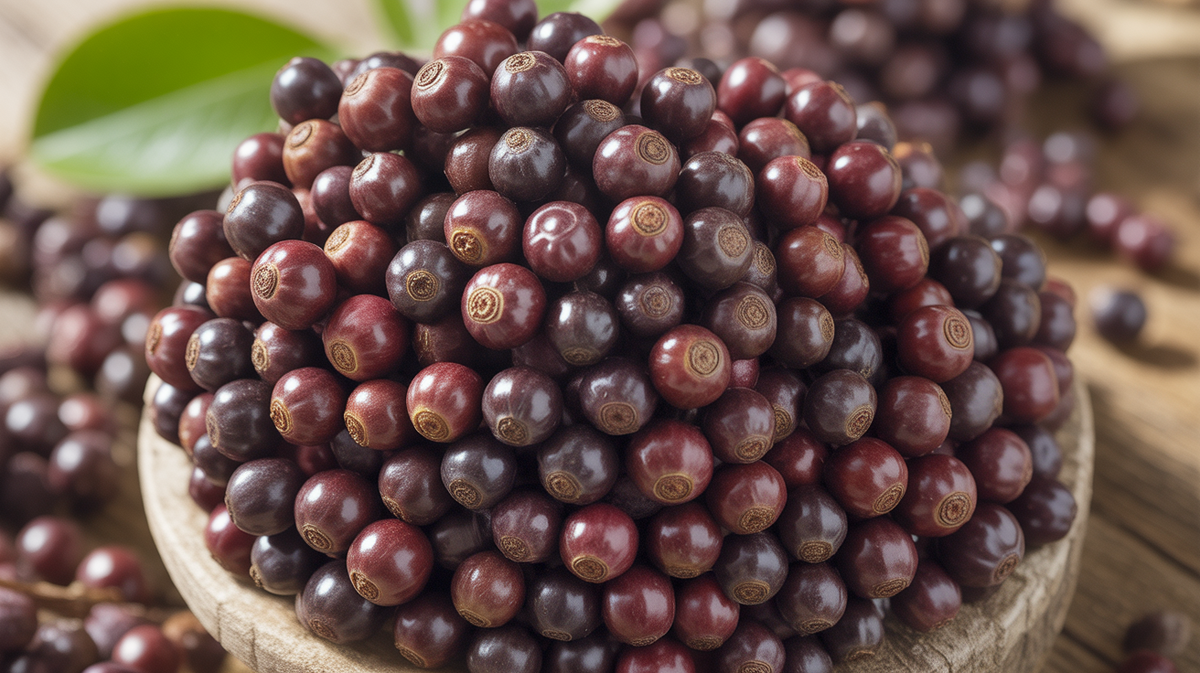
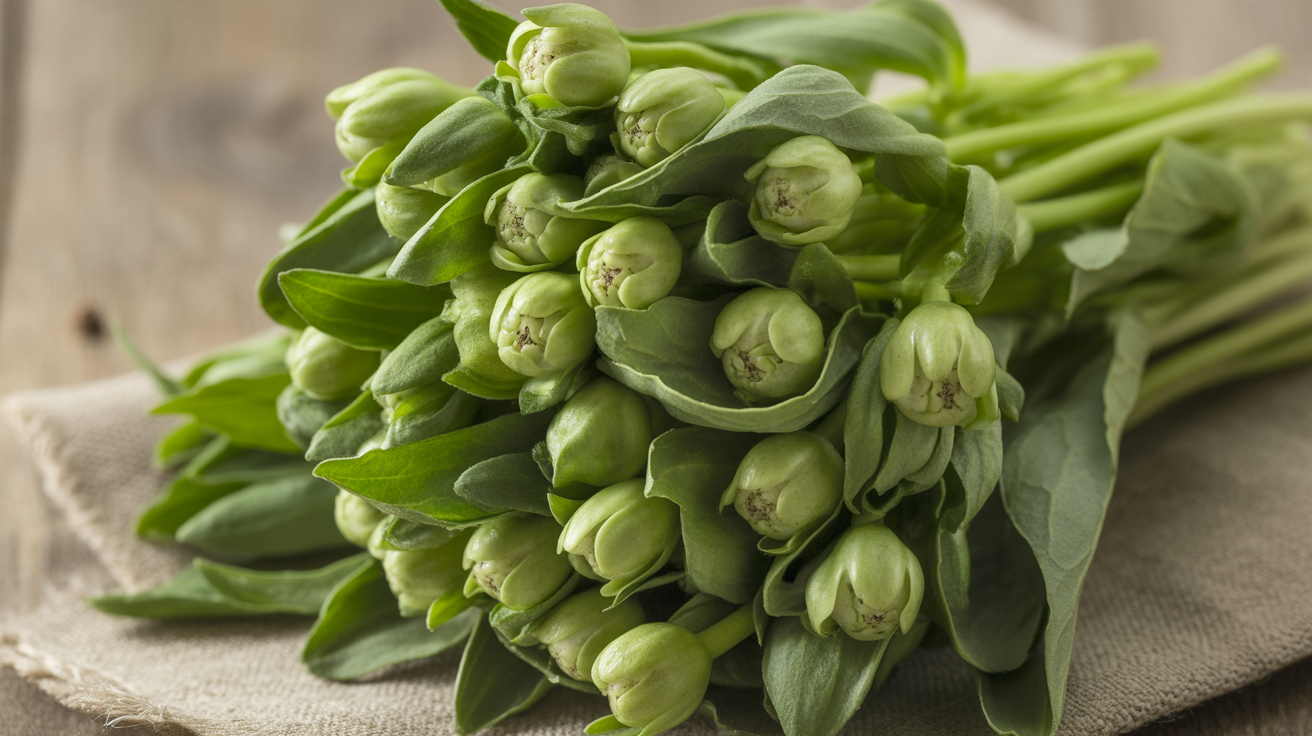
Emerging research, primarily from in vitro and animal studies, supports the traditional uses of Mesona chinensis, indicating significant antioxidant and anti-inflammatory properties. These benefits are largely attributed to the plant's rich content of polysaccharides and flavonoids. Preclinical investigations also suggest its potential in modulating blood sugar levels and promoting gastrointestinal health, as well as inhibiting AGE formation. However, specific human clinical trials with detailed methodologies and large sample sizes are not extensively detailed in the current literature.

Origin
Black Grass Jelly is a traditional culinary and medicinal ingredient derived from the leaves of Mesona chinensis, a plant native to Southeast Asia and China. Revered for its cooling properties and unique gelatinous texture, it is a staple in regional diets. This botanical offers functional benefits for digestive health, detoxification, and antioxidant support.
Potential benefits
- Supports digestive health by soothing the gastrointestinal tract and reducing inflammation through its natural polysaccharides.
- Promotes cooling and detoxification, traditionally used to balance body temperature and aid internal cleansing.
- Provides antioxidant effects via flavonoids and phenolic compounds, reducing oxidative stress and supporting cellular health.
- Helps regulate blood sugar levels, contributing to metabolic health and potentially reducing diabetes risk.
- May aid in weight management by promoting satiety and potentially reducing caloric intake.
How it works
The health benefits of Black Grass Jelly are primarily attributed to its polysaccharides, polyphenols (especially flavonoids), and triterpenoids. Polyphenols exert antioxidant effects by directly scavenging free radicals and inhibiting oxidative stress pathways, with enhanced bioavailability possible via glucosidase-producing bacteria like Lactobacillus plantarum. Furthermore, Mesona extracts demonstrate antiglycation effects by inhibiting the formation of advanced glycation end products (AGEs).
What the research says
Emerging research, including in vitro and animal studies, supports the antioxidant and anti-inflammatory properties of Mesona chinensis. Studies also indicate its potential in modulating blood sugar levels and promoting digestive health, primarily attributed to its polysaccharide and flavonoid content.
Safety and interactions
Comprehensive data regarding specific side effects, drug interactions, contraindications, or safety during pregnancy and lactation for Black Grass Jelly (Mesona chinensis) consumption are not readily available in available research. As with any herbal product, individuals with pre-existing conditions, those on medication, or pregnant/nursing individuals should consult a healthcare professional before therapeutic use. While generally consumed as a food, caution is advised for specific health applications.
Suggested use
- Traditionally served chilled as a dessert, often in syrup or paired with fruits for a refreshing treat.
- Incorporated into beverages such as iced tea or milk tea for its unique texture and cooling effect.
- Used as a versatile culinary ingredient, serving as a topping for desserts like ice cream, smoothies, or puddings.
Frequently asked questions
What is Black Grass Jelly derived from?
Black Grass Jelly, also known as black cincau, is a traditional culinary and medicinal ingredient. It is primarily derived from the leaves of Mesona chinensis or Mesona palustris BL, plants native to Southeast Asia.
What are the primary bioactive compounds responsible for its health benefits?
The main functional compounds in Black Grass Jelly are polysaccharides, polyphenols (including flavonoids), and triterpenoids. These compounds work synergistically to provide its various health-promoting effects, particularly antioxidant and anti-inflammatory actions.
How does Black Grass Jelly exert its antioxidant effects?
Black Grass Jelly's antioxidant activity is largely due to its polyphenols, especially flavonoids, which scavenge free radicals. The presence of Lactobacillus plantarum can further enhance antioxidant bioavailability by hydrolyzing flavonoid conjugates.
What traditional health benefits are associated with Black Grass Jelly?
Traditionally, Black Grass Jelly is consumed for its cooling and detoxifying properties, helping to balance body temperature and aid internal cleansing. It is also used to support digestive health by soothing the gastrointestinal tract and reducing inflammation through its natural polysaccharides.
What is the current scientific understanding of Black Grass Jelly's efficacy?
Emerging research, primarily from in vitro and animal studies, supports the antioxidant, anti-inflammatory, and potential blood sugar modulating effects of Mesona chinensis. These studies highlight the roles of its polysaccharides and flavonoids in promoting digestive health and inhibiting advanced glycation end products (AGEs).
Is Black Grass Jelly safe to take during pregnancy or while breastfeeding?
While Black Grass Jelly has a long history of traditional use in Asian cultures, there is limited clinical data specifically evaluating its safety during pregnancy and lactation. Pregnant and breastfeeding women should consult with a healthcare provider before supplementing, as polysaccharide-rich herbs can affect digestive function and may interact with individual health conditions. Most traditional use suggests it is gentle, but individual circumstances warrant professional medical guidance.
References
- https://www.mdpi.com/1420-3049/26/12/3701
- https://www.sciencedirect.com/science/article/pii/S0926669021002931
This article is educational and is not medical advice. Statements have not been evaluated by the FDA and are not intended to diagnose, treat, cure, or prevent any disease. Consult a healthcare professional before use.