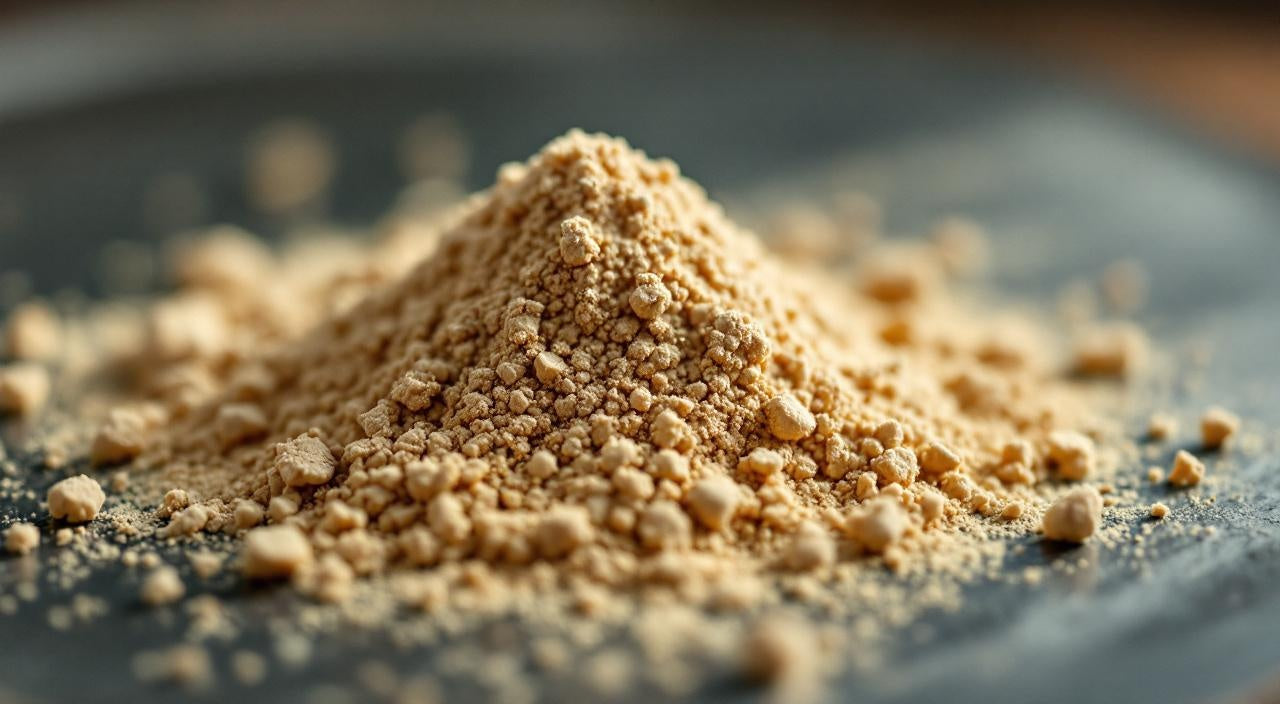
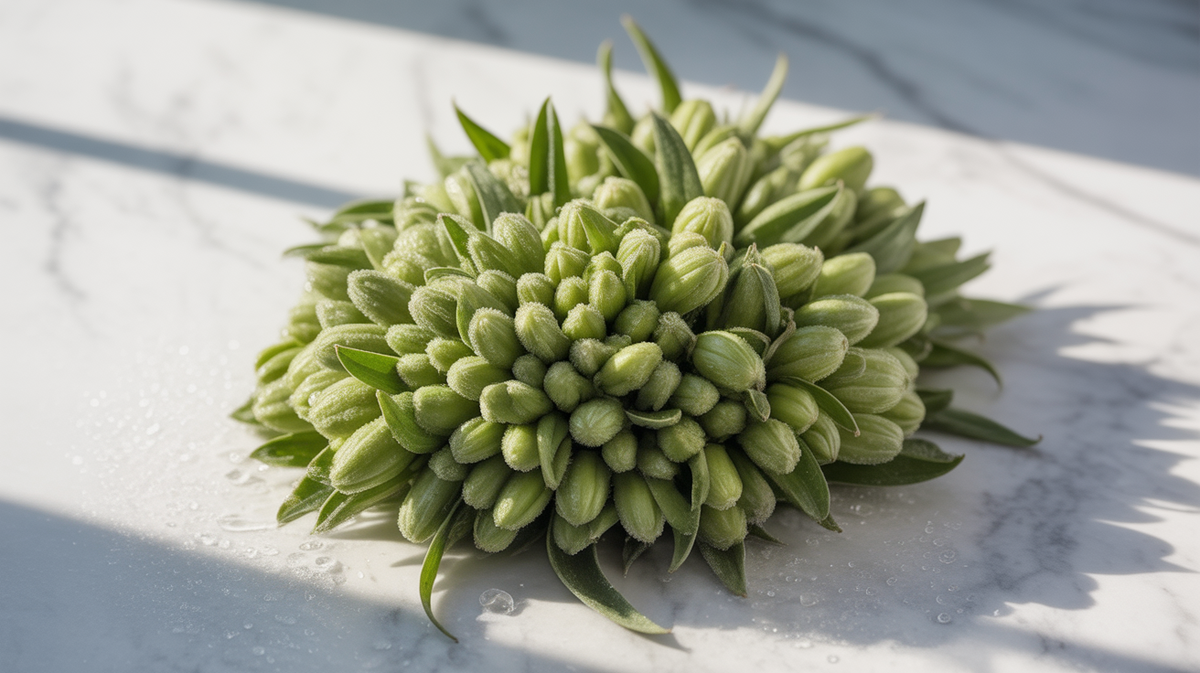
Scientific studies have corroborated Epazote's traditional uses, particularly its antimicrobial and antiparasitic efficacy, largely attributed to ascaridole. Research supports its role in modulating gut microbiota and reducing inflammatory markers within the gastrointestinal tract, confirming its digestive benefits. While these findings largely stem from in vitro and animal studies, they provide a strong foundation for its traditional applications and suggest potential for further human clinical trials. Specific large-scale human clinical trials detailing outcomes and sample sizes are not explicitly provided in the research.

Origin
Epazote Herb, scientifically known as Dysphania ambrosioides, is a hardy, aromatic herb native to Central and South America, particularly Mexico and Guatemala. It flourishes in warm, sunny climates with well-drained soils, and is deeply embedded in the culinary and medicinal traditions of Mesoamerican cultures, valued for its distinctive flavor and functional properties.
Potential benefits
- Exhibits strong antimicrobial effects, particularly against intestinal bacteria and fungi, supporting gastrointestinal health and parasite control.
- Aids digestion by alleviating bloating and flatulence, especially when consumed with legumes, a traditional pairing in Mexican cuisine.
- Demonstrates antioxidant potential through its flavonoid and phenolic content, helping protect cells from oxidative stress.
- Supports respiratory health and acts as a mild bronchodilator in traditional medicine applications, easing congestion.
- Modulates inflammatory responses, contributing to overall cellular well-being.
How it works
The primary mechanism of action for Epazote involves ascaridole, which comprises up to 70% of its essential oil. Ascaridole targets parasites by disrupting their mitochondrial function and inducing the generation of reactive oxygen species, ultimately leading to cellular damage and death. Furthermore, it exhibits antimicrobial effects by permeating bacterial cell membranes and mitochondria, causing cell death. Other compounds like limonene and p-cymene also contribute with mild anti-inflammatory and additional antimicrobial properties, respectively.
What the research says
Scientific studies confirm Epazote's antimicrobial activity, particularly due to ascaridole, and support its traditional use in digestive and antiparasitic treatments. Research highlights its ability to modulate gut microbiota and reduce inflammatory markers in the gastrointestinal tract.
Safety and interactions
Epazote, particularly its essential oil and high doses of ascaridole, can be toxic. Overconsumption may lead to gastrointestinal distress, dizziness, and in severe cases, liver and kidney damage due to ascaridole's toxicity. It is generally advised for pregnant women, breastfeeding mothers, and individuals with liver or kidney conditions to avoid Epazote due to insufficient safety data and potential for adverse effects. There is limited detailed information on specific drug interactions in available research, but caution is warranted when combining with medications, especially those affecting liver function.
Suggested use
- Traditional Culinary: Integral in Mexican cooking, particularly in bean dishes, soups, and moles, to reduce digestive discomfort and enhance flavor.
- Folk Medicine: Used to expel intestinal parasites, reduce flatulence, treat bronchitis, and ease menstrual discomfort.
- Modern Use: Found in culinary spice blends, digestive herbal teas, and as a natural remedy for mild digestive and respiratory complaints.
- Dosage: Typically 1-2 fresh leaves or 1-2 teaspoons dried herb per dish/tea. Use in moderation due to potency.
Frequently asked questions
What is Epazote and where does it originate?
Epazote, scientifically known as Dysphania ambrosioides, is a highly aromatic herb indigenous to Central and South America. It has been cultivated and utilized for centuries, particularly in traditional Mexican and Latin American cuisines. Its strong flavor and medicinal properties make it a staple in various cultural practices.
What are the primary bioactive compounds in Epazote?
The main bioactive compound in Epazote's essential oil is ascaridole, which can constitute up to 70% of its composition. Other important compounds include limonene (5-20%), known for digestive and mild anti-inflammatory effects, and p-cymene (3-10%), contributing additional antimicrobial properties.
How does Epazote specifically combat parasites and microbes?
Epazote's potent antiparasitic and antimicrobial actions are primarily due to ascaridole. This compound disrupts the mitochondrial function of parasites and generates reactive oxygen species, ultimately leading to their death. It also acts against bacteria by penetrating their cell membranes and mitochondria, causing cellular demise.
What traditional uses does Epazote have, especially in cuisine?
Traditionally, Epazote is widely used in Mexican and Latin American cuisine, notably for flavoring bean dishes. Its inclusion not only enhances the taste but also helps reduce the gas and bloating commonly associated with legume consumption. It has also been historically used as a digestive aid and vermifuge.
What other potential health benefits does Epazote offer beyond antiparasitic effects?
Beyond its well-known antiparasitic and antimicrobial properties, Epazote is recognized for aiding digestion by alleviating bloating and flatulence. Research also suggests it possesses antioxidant and anticancer effects, alongside its ability to modulate gut microbiota and reduce inflammatory markers within the gastrointestinal tract.
Is Epazote safe to use during pregnancy and while breastfeeding?
Epazote should be avoided during pregnancy, as traditional use suggests it may have uterine stimulant properties that could pose risks. While small culinary amounts are generally considered safe, concentrated supplements or medicinal doses are not recommended for pregnant or breastfeeding women without consulting a healthcare provider.
References
- https://ethnobiology.org/sites/default/files/pdfs/JoE/24-1/Loganetal2004.pdf
- https://pubmed.ncbi.nlm.nih.gov/?term=Epazote+Herb
This article is educational and is not medical advice. Statements have not been evaluated by the FDA and are not intended to diagnose, treat, cure, or prevent any disease. Consult a healthcare professional before use.