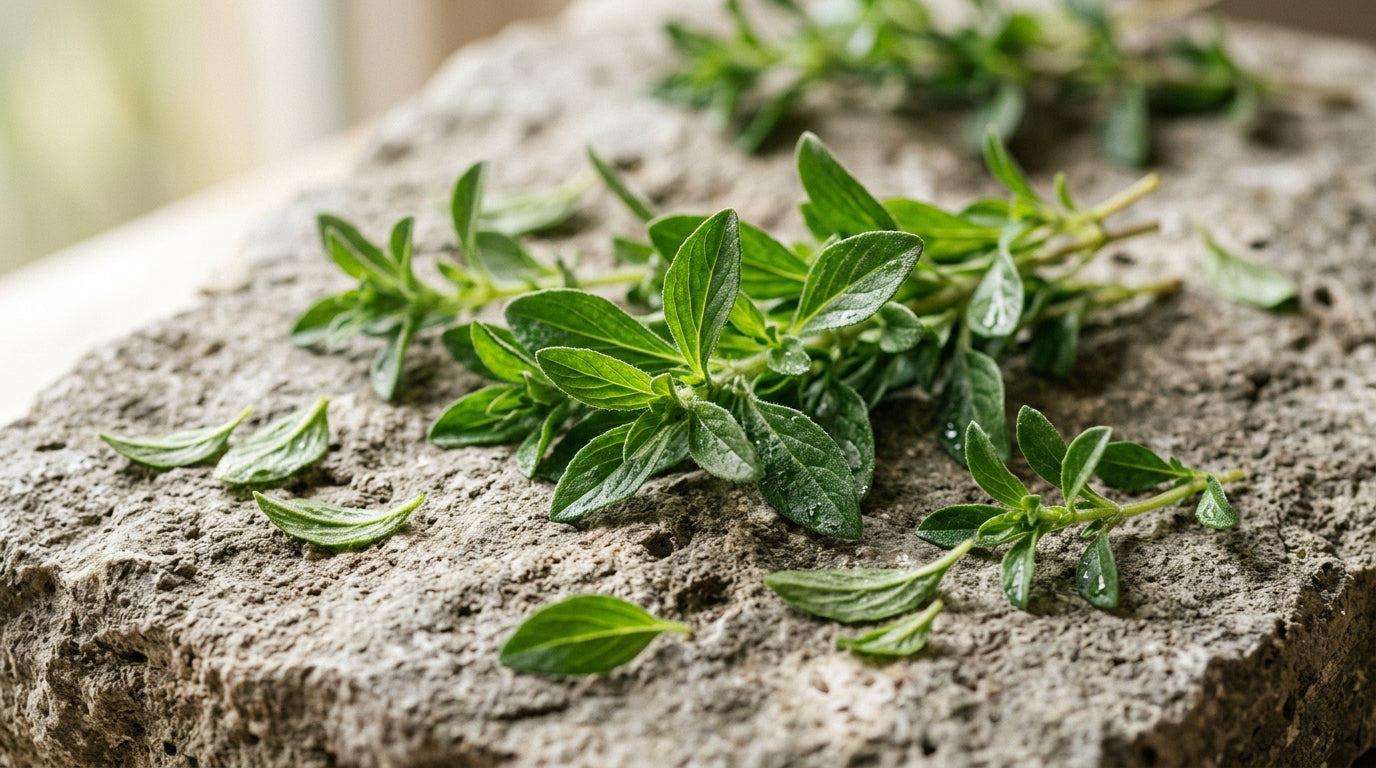
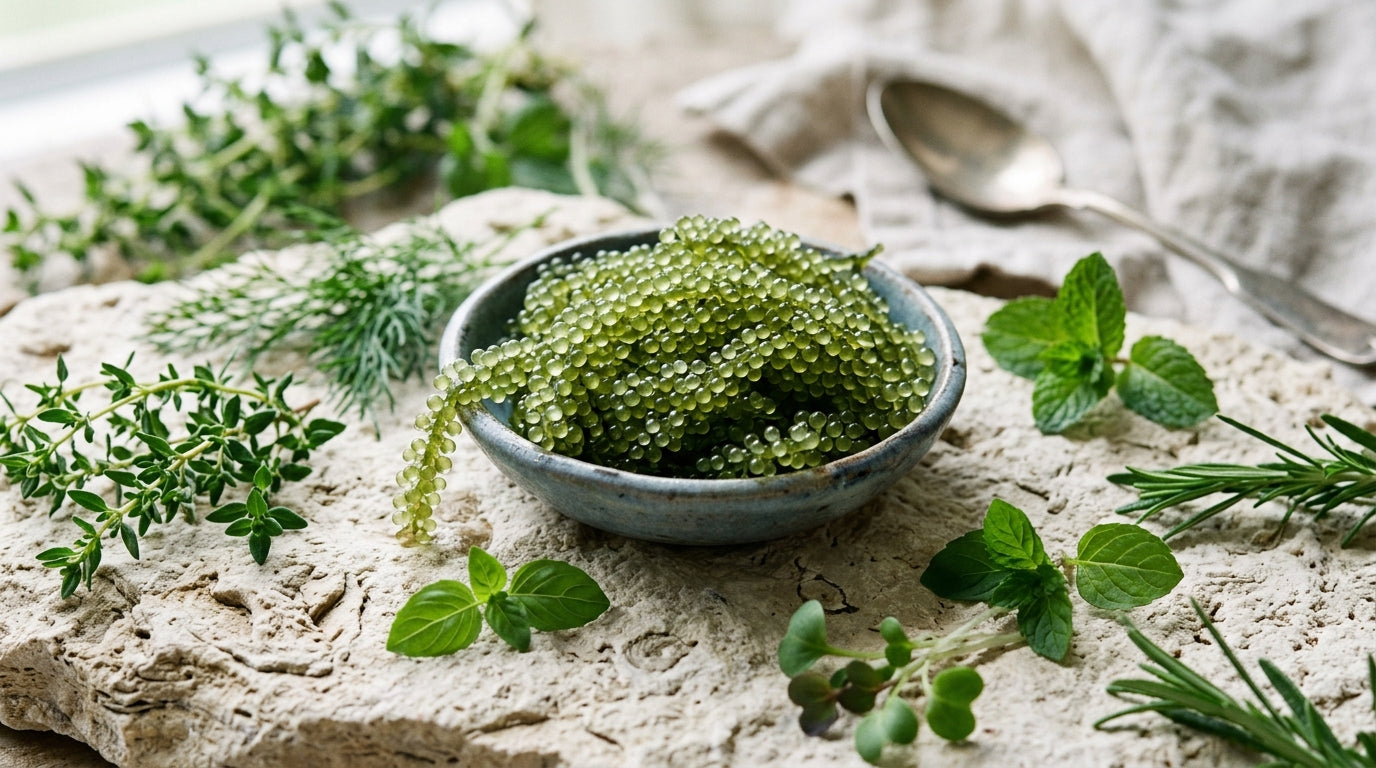
Sea parsley, likely referring to halophytic coastal plants like Crithmum maritimum, contains elevated polyphenols and hydroxycinnamic acids produced through saline stress adaptation pathways. These bioactive compounds demonstrate free radical scavenging activity and anti-inflammatory effects through DPPH radical neutralization mechanisms.

Origin
Sea Parsley (Petroselinum crispum var. neapolitanum) is an aquatic herb native to the coastal regions of the Mediterranean, thriving in salt-kissed marshes, wetlands, and cliffs. This resilient relative of traditional parsley is adapted to brackish and saline conditions. Its tender leaves, with a flavor reminiscent of parsley and celery, make it a prized culinary and medicinal herb in Mediterranean traditions, valued for its digestive and detoxifying properties.
Potential benefits
- Supports digestive wellness by relieving bloating, improving gut motility, and soothing gastrointestinal discomfort.
- Exhibits potent anti-inflammatory effects due to its polyphenolic antioxidants, aiding joint and systemic inflammation.
- Acts as a gentle diuretic, helping the body eliminate toxins and reduce excess water retention.
- Enhances skin vitality by boosting collagen production and protecting against oxidative damage.
- Bolsters immunity with high levels of Vitamin C and other immune-supportive compounds.
How it works
Sea parsley's bioactive compounds, including polyphenols, phenolic acids, and hydroxycinnamic acids, neutralize free radicals through DPPH scavenging pathways. The compounds elevate glutathione levels while reducing malondialdehyde formation in oxidatively stressed tissues. These mechanisms target keratinocyte protection and cardiovascular pathways via antioxidant and anti-inflammatory action.
What the research says
Current evidence derives primarily from in vitro and animal studies rather than human clinical trials. Related parsley compounds showed IC₅₀ 3,310 μg/mL for radical scavenging and reduced oxidative stress markers in rats at 8 mg/100g body weight over 4 weeks. Laboratory studies demonstrated 40% inhibition of cancer cell migration and protection against DNA damage. Clinical validation through human trials is needed to confirm therapeutic applications.
Safety and interactions
Sea parsley appears generally safe for culinary use with no reported hepatotoxicity or nephrotoxicity in animal studies. High furanocoumarin content may cause photosensitivity reactions with sun exposure. Potential hypotensive effects through endothelium-independent vasodilation warrant caution with blood pressure medications. Estrogenic activity suggests avoiding high doses in hormone-sensitive conditions like breast cancer.
Suggested use
- Common Forms: Fresh leaves, dried leaves, herbal teas, green powders.
- Traditional Use: Mediterranean cultures have long used Sea Parsley as a digestive tonic, herbal tea, and culinary herb, also consumed for detoxification.
- Modern Application: Integrated into detox teas, green powders, salads, smoothies, and skin-health supplements.
- Suggested Dosage: 1-2 tablespoons fresh or 1 teaspoon dried daily.
Frequently asked questions
What is the difference between sea parsley and regular parsley?
Sea parsley refers to coastal halophytic plants adapted to salt environments, while regular parsley (Petroselinum crispum) grows in terrestrial conditions. Sea parsley produces higher concentrations of secondary metabolites due to saline stress adaptation through specialized biosynthetic pathways.
How much sea parsley is safe to consume daily?
No established safe dosage exists for sea parsley due to limited human clinical trials. Animal studies used 8 mg/100g body weight, but furanocoumarin content may cause photosensitivity. Culinary amounts appear safe, but therapeutic doses require medical supervision.
Can sea parsley help with inflammation and joint pain?
Laboratory studies show sea parsley's polyphenols demonstrate anti-inflammatory activity through free radical scavenging mechanisms. However, human clinical trials specifically testing anti-inflammatory effects for joint pain are lacking. Current evidence remains preliminary and requires clinical validation.
Does sea parsley interact with blood pressure medications?
Sea parsley may cause hypotensive effects through endothelium-independent vasodilation pathways. This could potentially enhance blood pressure lowering medications, requiring medical monitoring. Patients taking antihypertensive drugs should consult healthcare providers before using therapeutic amounts.
Is sea parsley effective for digestive health?
While traditional use supports digestive applications, specific clinical studies on sea parsley's gastrointestinal effects are limited. Related compounds show antioxidant properties that may theoretically support gut health. Scientific validation of digestive benefits requires dedicated human clinical trials.
Is sea parsley safe during pregnancy and breastfeeding?
Sea parsley should be avoided during pregnancy and breastfeeding due to its diuretic properties and potential uterine stimulant effects, which have not been thoroughly studied in these populations. Pregnant and nursing women should consult their healthcare provider before using any sea parsley supplement to ensure safety for both mother and child.
What is the most bioavailable form of sea parsley supplement?
Liquid extracts and standardized herbal infusions of sea parsley typically offer superior bioavailability compared to dried leaf powders, as they concentrate the active polyphenolic compounds and enhance absorption. Capsules containing powdered sea parsley leaf are also effective, though standardized extracts ensure consistent potency of the active constituents.
Who should avoid taking sea parsley supplements?
Individuals with kidney disorders, those taking diuretic medications, pregnant or breastfeeding women, and people with estrogen-sensitive conditions should avoid sea parsley due to its diuretic effects and potential hormonal activity. Additionally, those with allergies to the Apiaceae plant family (which includes parsley, celery, and fennel) should exercise caution or avoid sea parsley entirely.
References
- https://www.ncbi.nlm.nih.gov/search/all/?term=Sea+Parsley
- https://fdc.nal.usda.gov/fdc-app.html#/search?query=Sea+Parsley
- https://doi.org/10.1016/j.foodchem.2019.02.030
- https://www.ncbi.nlm.nih.gov/pmc/articles/PMC6268257/
This article is educational and is not medical advice. Statements have not been evaluated by the FDA and are not intended to diagnose, treat, cure, or prevent any disease. Consult a healthcare professional before use.