Specific modern human clinical studies rigorously evaluating the efficacy of French Alpine Herb (Artemisia alba) for digestive, immune, or skin health are extremely limited. While traditional use is well-documented, robust data on study types, sample sizes, and quantitative outcomes in human trials are largely unavailable. Preliminary in vitro and animal research on Artemisia species broadly suggests antioxidant and anti-inflammatory potential, but these findings cannot be directly extrapolated to definitive clinical benefits for A. alba.

Origin
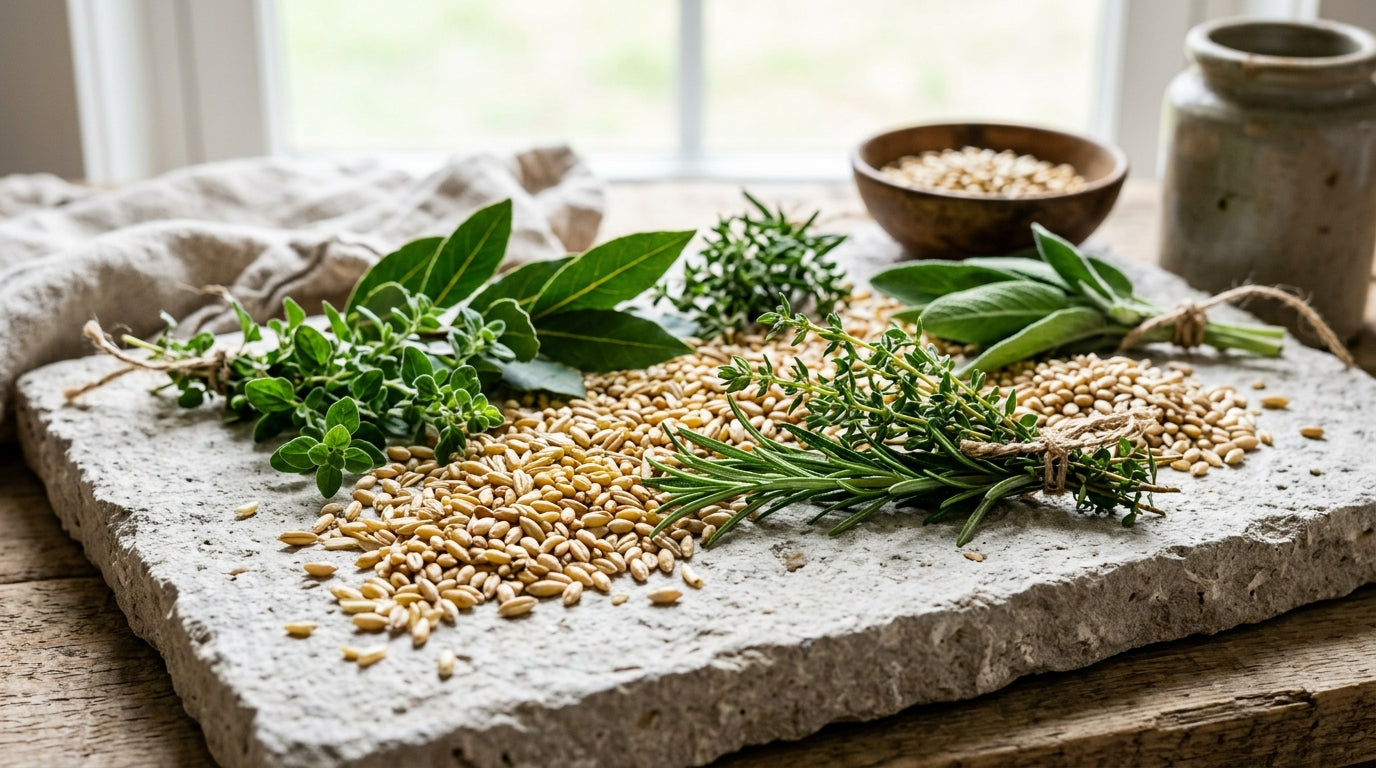
French Alpine Herb (Artemisia alba) is a resilient botanical native to the high-altitude regions of the French Alps, thriving in cool, temperate climates with rocky, well-drained soils. This herb is valued for its rich profile of bioactive compounds, offering significant benefits for digestive health, immune function, and skin vitality.
Potential benefits
- Reduces oxidative stress through its rich content of antioxidants.
- Supports digestive health by soothing the gastrointestinal tract and promoting balance.
- Boosts immune function with its antimicrobial properties.
- Promotes skin health by reducing inflammation and supporting cellular repair.
- Enhances mental clarity and emotional balance through calming effects.
- Provides anti-inflammatory benefits, contributing to overall wellness.
How it works
French Alpine Herb (Artemisia alba) contains flavonoids and phenolic compounds that likely exert antioxidant effects by neutralizing free radicals, thereby reducing oxidative stress. Its traditional gastrointestinal benefits may stem from bitter principles and volatile compounds that could stimulate digestive secretions and possess mild carminative or anti-inflammatory properties, though precise receptor-level mechanisms for A. alba are not fully elucidated in modern science.
What the research says
While French Alpine Herb (Artemisia alba) has a long history of traditional use in French herbal medicine, specific modern scientific studies on its efficacy for digestive, immune, and skin health are limited. Preliminary research on Artemisia species suggests antioxidant and anti-inflammatory potential, but dedicated clinical trials on this specific alpine herb are needed to substantiate its benefits.
Safety and interactions
As comprehensive clinical safety data for French Alpine Herb (Artemisia alba) are scarce, potential side effects are not fully characterized, though allergic reactions in individuals sensitive to the Asteraceae family are possible. Due to the presence of coumarins, there is a theoretical risk of interaction with anticoagulant medications, potentially increasing bleeding risk, yet specific studies on A. alba are lacking. It is generally contraindicated during pregnancy and breastfeeding due to insufficient safety evidence.
Suggested use
- Common Forms: Herbal teas, tinctures, topical applications (extracts).
- Dosage: 1–2 teaspoons of dried herb steeped in hot water for tea; 5–10 grams daily for digestive and skin health support.
- Preparation: Apply extract topically for inflammation relief.
Frequently asked questions
What is French Alpine Herb?
French Alpine Herb is a descriptive term often associated with botanical species like Artemisia alba, a resilient plant native to the high-altitude regions of the French Alps. It is important to note that 'French Alpine Herb' is not a single, officially recognized botanical species or a standardized commercial product, so specific identification can vary.
What are the key compounds in French Alpine Herb (Artemisia alba)?
Research on Artemisia alba indicates the presence of various bioactive compounds, including flavonoids, coumarins, and essential oils. These constituents are thought to contribute to its traditional uses, particularly through their potential antioxidant and anti-inflammatory properties.
Is there strong scientific evidence for its claimed health benefits?
While French Alpine Herb (Artemisia alba) has a rich history of traditional use, specific modern scientific studies on its efficacy for human digestive, immune, or skin health are limited. Preliminary in vitro and animal research on related Artemisia species suggests potential antioxidant and anti-inflammatory activities, but more direct human clinical evidence for A. alba is needed.
Are there any known side effects of French Alpine Herb?
Due to the limited comprehensive clinical data on Artemisia alba, specific side effects are not extensively documented. However, individuals with known allergies to plants in the Asteraceae family (e.g., ragweed, daisies) may experience hypersensitivity reactions. As with any herb, moderation in use is advised.
Can French Alpine Herb interact with medications?
The presence of coumarins in Artemisia alba suggests a theoretical potential for interaction with anticoagulant medications, which could increase the risk of bleeding. However, specific drug interaction studies for French Alpine Herb (Artemisia alba) are scarce. Always consult a healthcare professional before combining herbs with medications.
What is the most effective form of French Alpine Herb supplement?
French Alpine Herb is commonly available as dried leaf tea, liquid extracts, and encapsulated powder formulations. Liquid extracts and teas may offer superior bioavailability compared to capsules due to faster absorption and the preservation of volatile compounds. The choice between forms often depends on personal preference and desired speed of effect, though standardized extracts provide consistent potency across batches.
References
This article is educational and is not medical advice. Statements have not been evaluated by the FDA and are not intended to diagnose, treat, cure, or prevent any disease. Consult a healthcare professional before use.