Preclinical studies, including in vitro and animal models, have extensively demonstrated the anti-diabetic, anti-inflammatory, and hepatoprotective properties of Gynura procumbens. These studies show its ability to reduce fasting blood glucose levels, decrease oxidative stress markers, and inhibit pro-inflammatory cytokines. While preliminary human trials are limited, existing data suggest potential for supporting blood sugar management and cardiovascular health, though larger, robust clinical trials are needed.

Origin
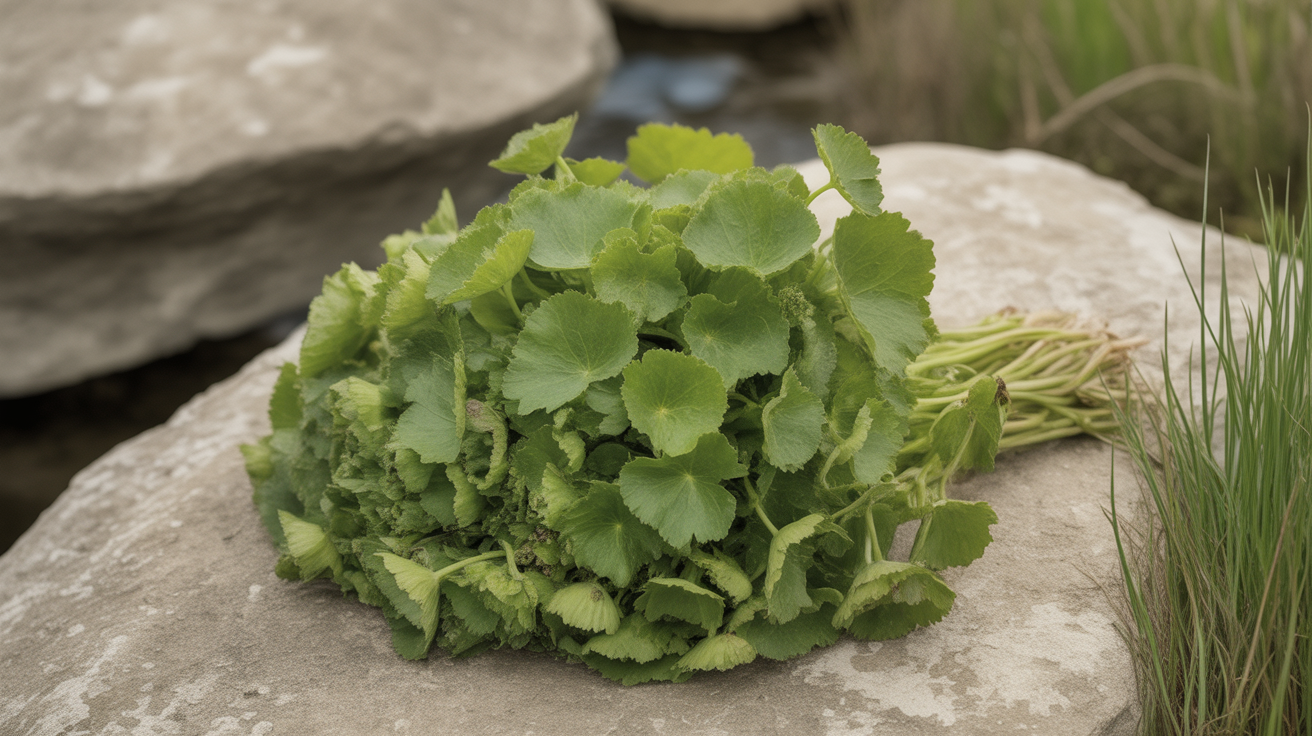
Gynura procumbens, commonly known as Purple Spinach, is a low-growing perennial herb native to Southeast Asia, particularly Malaysia, Indonesia, and Thailand. A member of the Asteraceae family, it is revered for its vibrant purple-veined leaves and therapeutic versatility, offering significant benefits for metabolic and cardiovascular health.
Potential benefits
- Regulates blood glucose levels, supporting healthy blood sugar management.
- Exhibits anti-inflammatory properties, aiding in the reduction of chronic inflammation.
- Supports liver detoxification and improves overall metabolic function.
- Lowers blood pressure, contributing to enhanced cardiovascular health.
- Enhances immune defense through its antimicrobial and antioxidant compounds.
How it works
Gynura procumbens exerts anti-inflammatory effects primarily through flavonoids such as kaempferol, which inhibit glycogen synthase kinase-3β (GSK-3β). Its hypotensive actions are attributed to multiple pathways including angiotensin-converting enzyme (ACE) inhibition, enhanced nitric oxide production, and modulated calcium influx. Additionally, various antioxidant compounds present in the herb neutralize harmful free radicals, contributing to overall cellular protection.
What the research says
Multiple scientific studies validate the anti-diabetic, hepatoprotective, and anti-inflammatory properties of *Gynura procumbens*. Research highlights its capacity to reduce fasting blood glucose, modulate oxidative stress markers, and inhibit inflammatory cytokines, supporting its traditional therapeutic applications.
Safety and interactions
Information regarding the specific side effects and drug interactions of Gynura procumbens in humans is limited in available research. Due to its potential to affect blood glucose and blood pressure, individuals on anti-diabetic or anti-hypertensive medications should exercise caution and consult a healthcare professional. Pregnant and breastfeeding women, and individuals with known medical conditions, should avoid use due to insufficient safety data.
Suggested use
- Common forms: Fresh leaves, dried leaves for tea.
- Preparation: Steep a handful of fresh leaves in hot water for 5–10 minutes for tea. Can be eaten raw in salads or cooked in stir-fries and soups.
- Dosage: Consume tea once or twice daily for detoxification and digestion.
Frequently asked questions
What are the primary bioactive compounds in Gynura procumbens?
Gynura procumbens is rich in various phytochemicals including flavonoids like kaempferol and quercetin, saponins, tannins, terpenoids, sterol glycosides, and chlorogenic acids. These compounds are responsible for its diverse health benefits and pharmacological activities.
How does Gynura procumbens contribute to anti-inflammatory effects?
The herb's anti-inflammatory properties are largely attributed to its flavonoid content, particularly kaempferol, which has been shown to inhibit glycogen synthase kinase-3β (GSK-3β). This mechanism helps reduce chronic inflammation within the body.
What are the mechanisms by which Gynura procumbens affects blood pressure?
Gynura procumbens appears to lower blood pressure through multiple pathways. These include inhibition of angiotensin-converting enzyme (ACE), increased production of nitric oxide (NO) which promotes vasodilation, and reduced influx of calcium ions into cells.
Is Gynura procumbens known for its antioxidant properties?
Yes, Gynura procumbens contains various antioxidant compounds that help neutralize harmful free radicals in the body. This antioxidant activity contributes to its overall health benefits and helps protect cells from oxidative stress.
What traditional uses are associated with Gynura procumbens?
In traditional Asian medicine, Gynura procumbens has been used for centuries, particularly for its ability to regulate blood glucose, support liver detoxification, and act as an anti-inflammatory agent. Its traditional uses align with many of its scientifically validated properties.
Does Gynura procumbens interact with blood pressure or diabetes medications?
Gynura procumbens may potentiate the effects of blood pressure-lowering and blood glucose-regulating medications due to its dual action on these systems. Users taking antihypertensive drugs (such as ACE inhibitors or beta-blockers) or diabetes medications (such as metformin or insulin) should consult their healthcare provider before supplementing, as combined use may result in hypotension or hypoglycemia. Medical supervision is recommended to monitor dosing adjustments and ensure safety.
References
- https://www.ncbi.nlm.nih.gov/search/all/?term=Gynura+procumbens+%28Purple+Spinach%29
- https://fdc.nal.usda.gov/fdc-app.html#/search?query=Gynura+procumbens+%28Purple+Spinach%29
- https://www.ncbi.nlm.nih.gov/pmc/articles/PMC7551376
- https://www.ncbi.nlm.nih.gov/pmc/articles/PMC6404442
- https://pubmed.ncbi.nlm.nih.gov/41830165
This article is educational and is not medical advice. Statements have not been evaluated by the FDA and are not intended to diagnose, treat, cure, or prevent any disease. Consult a healthcare professional before use.