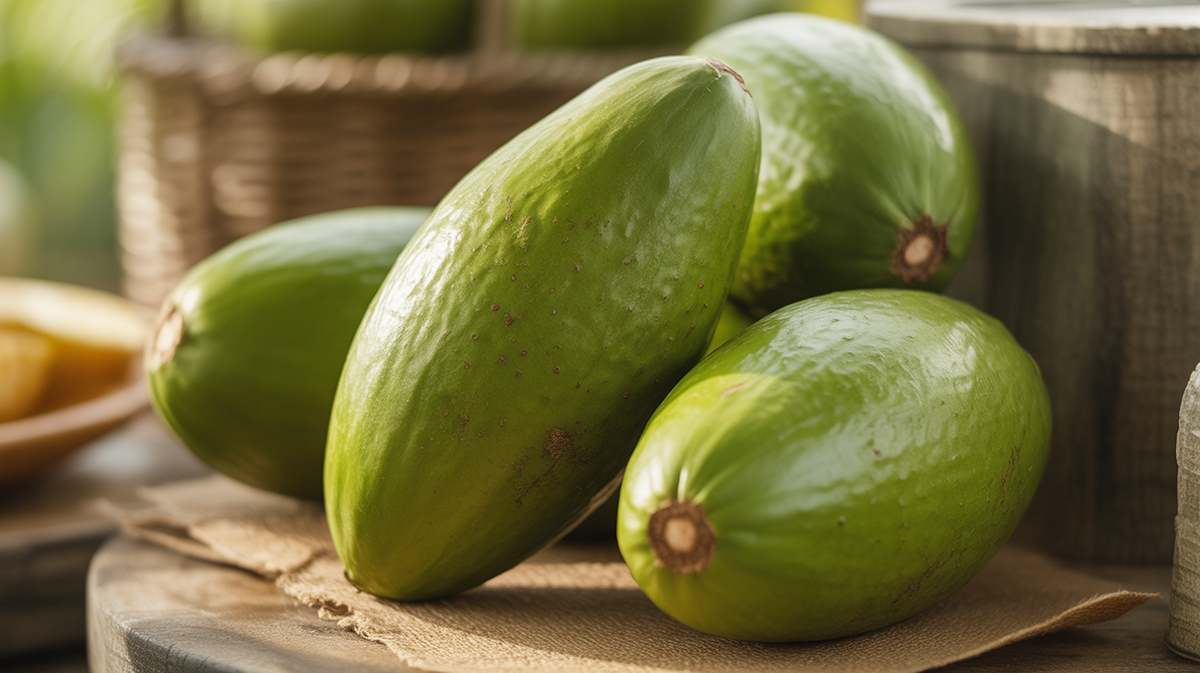
Scientific studies, largely preclinical and *in vitro*, support Pindo palm fruit's antioxidant and immune-modulating properties. Research also indicates its potential role in cardiovascular and metabolic regulation, suggesting benefits for circulation, reducing oxidative stress, and stabilizing glucose metabolism. While these findings are promising for neuroprotection and longevity enhancement, comprehensive human clinical trials detailing specific study designs, sample sizes, and quantified outcomes are currently limited. Further research is needed to validate these preclinical observations in diverse human populations.

Origin
Butia capitata, commonly known as Pinda Palm Fruit, is native to the tropical and subtropical regions of Brazil, Argentina, and Paraguay. It thrives in well-drained, nutrient-rich soils. This fruit is valued for its rich profile of bioactive compounds, contributing to immune resilience, cardiovascular health, and cognitive longevity.
Potential benefits
- Enhances immune resilience by modulating inflammatory pathways and stimulating white blood cell activity.
- Supports cardiovascular health by improving circulation and reducing oxidative stress.
- Regulates blood sugar levels by stabilizing glucose metabolism and enhancing insulin sensitivity.
- Promotes digestive wellness by providing prebiotic fiber that nourishes gut microbiota.
- Offers neuroprotective benefits by reducing oxidative damage and supporting cognitive longevity.
- Supports skin hydration, joint flexibility, and cellular detoxification.
How it works
Pindo palm fruit's primary mechanism involves its rich content of phenolic compounds and carotenoids, which function as powerful antioxidants. These compounds scavenge free radicals through hydrogen or electron donation, effectively reducing oxidative stress and inflammation. Specific phenolics, such as protocatechuic acid and p-hydroxybenzoic acid, contribute to these protective effects by modulating cellular pathways involved in inflammation and immune response.
What the research says
Scientific studies support Pinda Palm Fruit's antioxidant and immune-modulating properties. Research also indicates its role in cardiovascular and metabolic regulation, alongside neuroprotection and longevity enhancement.
Safety and interactions
Specific safety data, including potential side effects, drug interactions, or contraindications for Pindo palm fruit consumption in humans, are not extensively detailed in available research. As a natural fruit, it is generally considered safe when consumed as part of a balanced diet. However, individuals with known allergies to palm species or those with pre-existing health conditions should consult a healthcare professional. Information regarding its safety during pregnancy and lactation is also lacking, and caution is advised until further research is available.
Suggested use
- Common Forms: Consumed fresh, brewed into medicinal tonics, or used in fermented preparations. Available in powdered form for supplements.
- Dosage: 1–2 servings daily.
- Timing: Best eaten fresh for maximum phytonutrient retention or blended into immune-fortifying smoothies.
Frequently asked questions
What are the main health benefits of Pindo Palm Fruit?
Pindo palm fruit is known for enhancing immune resilience by modulating inflammatory pathways and stimulating white blood cell activity. It also supports cardiovascular health by improving circulation and reducing oxidative stress, and aids in regulating blood sugar levels by stabilizing glucose metabolism.
What active compounds are found in Pindo Palm Fruit?
Pindo palm fruit is rich in beneficial bioactive compounds, including phenolic compounds, carotenoids (such as β-carotene), and vitamin C. These components are primarily responsible for its potent antioxidant and health-promoting effects.
How does Pindo Palm Fruit support immune function?
The fruit enhances immune resilience by modulating inflammatory pathways and stimulating white blood cell activity, thanks to its antioxidant and immune-modulating compounds. These actions help the body combat oxidative stress and support a robust immune response against pathogens.
Can Pindo Palm Fruit help with blood sugar regulation?
Yes, research suggests Pindo palm fruit can support the regulation of blood sugar levels. It achieves this by stabilizing glucose metabolism and potentially enhancing insulin sensitivity, contributing to better glycemic control and reducing risks associated with metabolic imbalances.
Are there any known side effects or interactions with Pindo Palm Fruit?
Specific side effects or drug interactions for Pindo palm fruit are not extensively documented in available research. While generally considered safe as a food, individuals with allergies to related palm species or those with existing health concerns should exercise caution and consult a healthcare provider before significant consumption. Safety data for pregnancy and lactation are also scarce.
What is the most bioavailable form of Pinda Palm Fruit supplement?
Pinda Palm Fruit is most bioavailable in standardized extract form, which concentrates the active polyphenols and carotenoids while removing excess fiber that can impair absorption. Whole fruit powders offer superior prebiotic benefits for gut health but have lower bioavailability of individual micronutrients compared to extracts. Liquid extracts and capsulized standardized forms typically provide faster absorption and more consistent dosing than dried whole fruit preparations.
References
- https://fdc.nal.usda.gov/food-search?query=Pinda+Palm+Fruit
- https://pubmed.ncbi.nlm.nih.gov/?term=Pinda+Palm+Fruit
This article is educational and is not medical advice. Statements have not been evaluated by the FDA and are not intended to diagnose, treat, cure, or prevent any disease. Consult a healthcare professional before use.