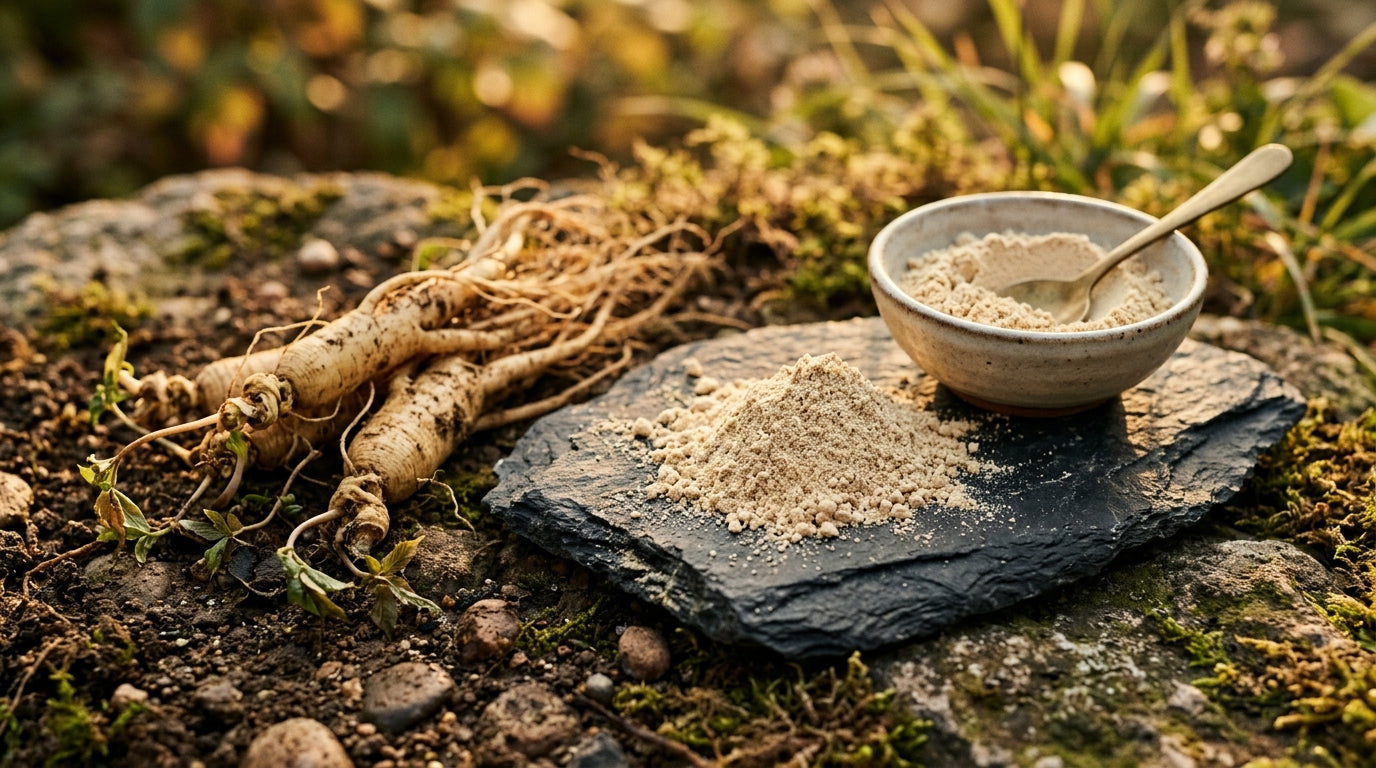
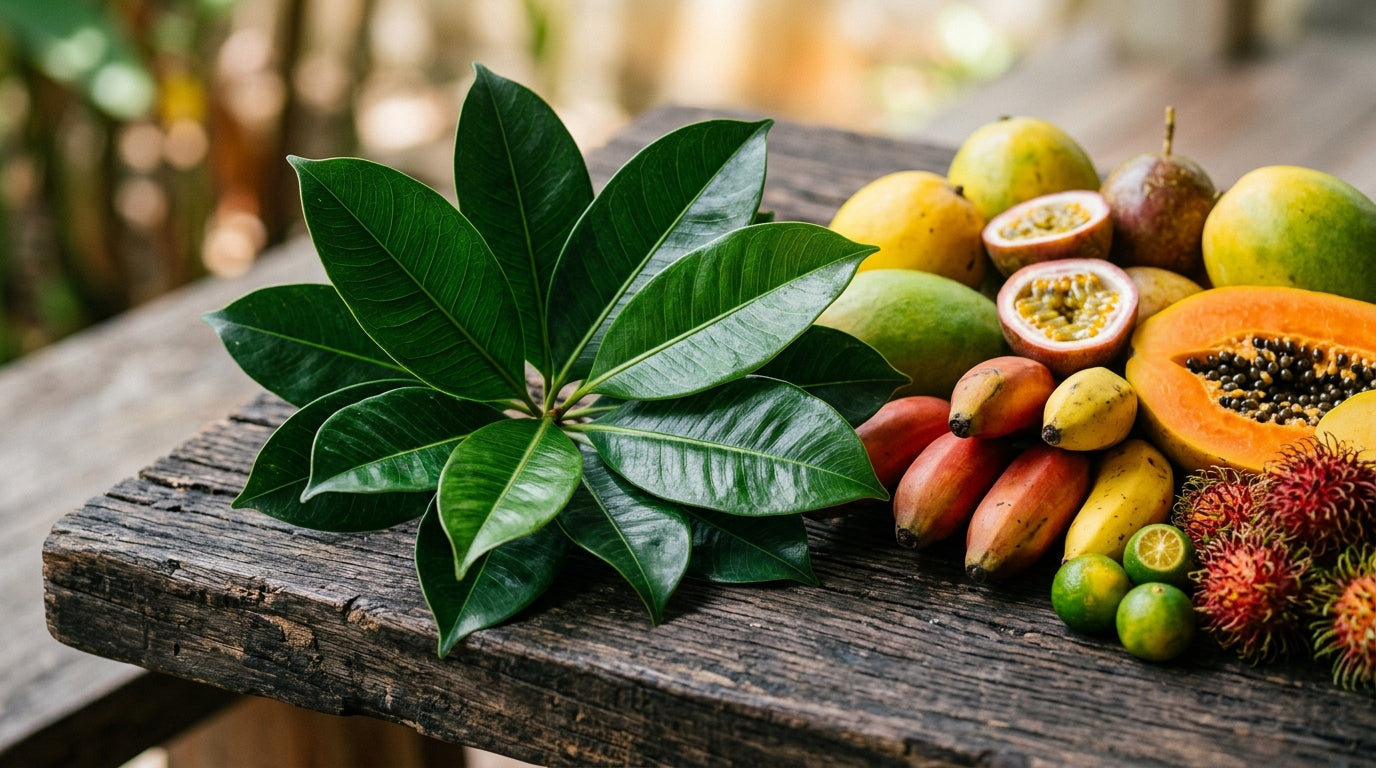
Golden Penda Fruit from Xanthostemon chrysanthus contains phenolic compounds that demonstrate unique photoprotective properties through blue fluorescence conversion mechanisms. Current research focuses on its polyphenol content and potential antioxidant activity, though comprehensive clinical data remains limited.

Origin
Golden Penda Fruit (Xanthostemon chrysanthus) is a vibrant fruit native to the tropical rainforests of Australia, Papua New Guinea, and Southeast Asia. It is recognized for its exceptionally high polyphenol and vitamin C content, making it a significant functional food for immune support and cellular health.
Potential benefits
- Enhances immune function through its exceptionally high vitamin C and polyphenol content.
- Supports gut health by providing dietary fiber and resistant starch, nourishing the microbiome.
- Improves cognitive clarity by reducing oxidative stress and supporting neural pathways.
- Aids collagen synthesis and skin vitality due to its rich vitamin C and antioxidant profile.
- Regulates metabolism and blood sugar levels through its bioactive compounds and fiber.
- Reduces systemic inflammation via its diverse array of polyphenols and ellagitannins.
- Promotes detoxification and circulatory health, supporting overall systemic wellness.
How it works
Golden Penda Fruit's phenolic compounds appear to function through unique photoprotective mechanisms, converting potentially damaging light into non-harmful blue fluorescence. The polyphenol content likely supports antioxidant enzyme systems including superoxide dismutase (SOD), glutathione peroxidase (GPx), and catalase (CAT), though specific molecular pathways in this fruit require further investigation. The high vitamin C content contributes to collagen synthesis through hydroxylation of proline and lysine residues.
What the research says
No direct clinical trials have been conducted specifically on Golden Penda Fruit (Xanthostemon chrysanthus). Current evidence is limited to preliminary laboratory studies investigating its phytochemical profile and traditional use observations. Research on related species suggests potential antioxidant activity, but quantified clinical outcomes, dosage recommendations, and efficacy data are not available. The evidence base remains insufficient for definitive therapeutic claims.
Safety and interactions
No specific safety data, drug interactions, or contraindications have been documented for Golden Penda Fruit consumption. The absence of clinical safety studies means potential adverse effects, interactions with medications, or contraindications during pregnancy and lactation remain unknown. Individuals with known fruit allergies should exercise caution, and consultation with healthcare providers is recommended before therapeutic use. The fruit's safety profile requires comprehensive toxicological evaluation.
Suggested use
- Common forms: Fresh, dried, or standardized extracts.
- Dosage: 1–2 servings of fresh fruit daily, or 500–1000 mg of standardized extract.
- Preparation: Can be consumed directly, or incorporated into tonics and functional products.
Frequently asked questions
What are the main active compounds in Golden Penda Fruit?
Golden Penda Fruit contains phenolic compounds with unique photoprotective properties and high levels of vitamin C and polyphenols. However, specific bioactive compounds and their concentrations have not been fully characterized in published research.
Is Golden Penda Fruit safe to consume?
Safety data for Golden Penda Fruit consumption is currently unavailable, as no comprehensive toxicological studies have been conducted. Individuals should consult healthcare providers before use, especially those with fruit allergies or taking medications.
How much Golden Penda Fruit should I take daily?
No established dosage recommendations exist for Golden Penda Fruit due to the absence of clinical trials. Traditional use patterns and safety profiles have not been systematically studied to determine appropriate consumption levels.
Can Golden Penda Fruit interact with medications?
Potential drug interactions with Golden Penda Fruit have not been studied or documented. Given the lack of interaction data, individuals taking medications should consult healthcare providers before incorporating this fruit into their regimen.
What health conditions can Golden Penda Fruit treat?
While preliminary research suggests potential immune and antioxidant benefits, no clinical evidence supports Golden Penda Fruit as a treatment for specific health conditions. Claims regarding therapeutic efficacy require validation through controlled clinical studies.
What is the best form of Golden Penda Fruit supplement for maximum absorption?
Golden Penda Fruit is most bioavailable in whole fruit or freeze-dried powder form, as these preserve the full spectrum of polyphenols and vitamin C compared to heavily processed extracts. Fresh Golden Penda Fruit offers superior absorption due to its intact fiber matrix and resistant starch, which enhance nutrient bioavailability and support gut microbiome function simultaneously. If using a supplement form, choose products with minimal processing and no added fillers to maintain the synergistic effects of its active compounds.
Who should avoid Golden Penda Fruit or use it with caution?
Individuals with severe fructose intolerance or those on high-dose blood thinners should consult a healthcare provider before supplementing, as the fruit's polyphenol content may have mild anticoagulant properties. People with sensitive digestive systems should introduce Golden Penda Fruit gradually, as its high fiber and resistant starch content can cause temporary bloating or digestive adjustment. Pregnant and nursing women should seek medical guidance before use, as clinical safety data specific to these populations remains limited.
What does current clinical research show about Golden Penda Fruit's effectiveness for cognitive function?
Preliminary studies suggest Golden Penda Fruit's high polyphenol and antioxidant content may reduce oxidative neuroinflammation, a key factor in cognitive decline, though large-scale human trials are still limited. The fruit's ability to support healthy gut-brain axis function through resistant starch fermentation provides a secondary mechanism for potential cognitive benefits. While animal and in vitro evidence is promising, more robust human clinical trials are needed to establish definitive dosage recommendations for cognitive enhancement.
References
- https://www.ncbi.nlm.nih.gov/search/all/?term=Golden+Penda+Fruit
- https://fdc.nal.usda.gov/fdc-app.html#/search?query=Golden+Penda+Fruit
This article is educational and is not medical advice. Statements have not been evaluated by the FDA and are not intended to diagnose, treat, cure, or prevent any disease. Consult a healthcare professional before use.