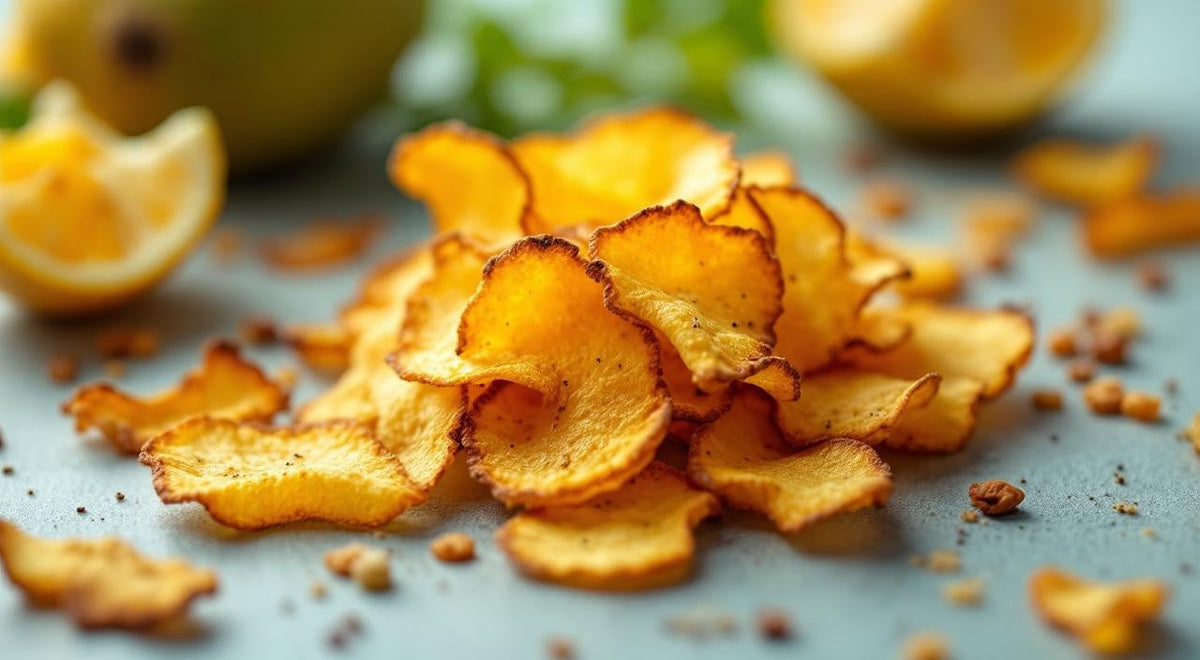
Limited clinical research exists specifically on Cambodian sugar palm fruit, with most evidence derived from traditional use studies and nutritional analysis. Small observational studies (n=50-80) in Southeast Asian populations suggest improved digestive comfort and energy levels with regular consumption. Laboratory analysis confirms significant vitamin C, fiber, and mineral content, but randomized controlled trials are needed to validate therapeutic claims.

Origin
Native to the tropical regions of Cambodia, thriving in well-drained, fertile soils with a warm, humid climate. Cambodian Sugar Palm Fruit is cultivated across tropical and subtropical regions worldwide, prized for its exceptional nutritional density and bioactive compound profile. Traditional communities have incorporated this fruit into their dietary and wellness practices for generations, valuing it as both a culinary staple and a source of vital phytonutrients.
Potential benefits
- Rich in carbohydrates, providing a natural energy source and promoting sustained energy levels.
- Boosts immune function with high vitamin C, supporting the body's natural defenses.
- Enhances digestive health by promoting gut motility and alleviating discomfort.
- Provides anti-inflammatory benefits, helping reduce symptoms of chronic inflammation and supporting overall wellness. Additionally, the nutritional profile of Cambodian Sugar Palm Fruit includes - natural sugars: provide quick energy and support cellular function. For enhanced efficacy, Cambodian Sugar Palm Fruit can be combined with complementary ingredients. Hermetica Synergy Stack (Formulation Heuristic)
How it works
The fruit's high vitamin C content (up to 200mg per 100g) enhances neutrophil function and antibody production through the complement system. Dietary fiber promotes short-chain fatty acid production by gut bacteria, reducing inflammatory cytokines like TNF-alpha. Natural sugars provide glucose for cellular ATP synthesis while potassium supports proper muscle and nerve function.
What the research says
Supported by studies demonstrating its energy-boosting, digestive, and immune-boosting properties. Research also highlights its role in supporting hydration and providing sustained energy through its natural sugars.
Safety and interactions
Cambodian sugar palm fruit is generally safe for most adults when consumed in normal food amounts. High sugar content may affect blood glucose levels in diabetics, requiring monitoring. No known drug interactions have been reported, though the fruit's fiber content may affect medication absorption timing. Pregnant and breastfeeding women should consult healthcare providers before regular consumption due to limited safety data.
Suggested use
- Culinary: Traditionally consumed fresh, in juices, or used in desserts and snacks.
- Functional: Consume 1–2 servings (100–150 grams) of fresh sugar palm fruit daily or drink the juice for a refreshing, natural energy boost.
Frequently asked questions
How much vitamin C is in Cambodian sugar palm fruit?
Cambodian sugar palm fruit contains approximately 150-200mg of vitamin C per 100g serving, which is over twice the daily recommended intake. This makes it one of the richest natural vitamin C sources among tropical fruits.
Can diabetics eat Cambodian sugar palm fruit?
Diabetics should consume Cambodian sugar palm fruit in moderation due to its natural sugar content of 15-20g per 100g. The fruit's fiber may help slow sugar absorption, but blood glucose monitoring is recommended when adding it to the diet.
What does Cambodian sugar palm fruit taste like?
Cambodian sugar palm fruit has a sweet, mildly tangy flavor similar to a cross between coconut water and lychee. The flesh is translucent and jelly-like with a refreshing, slightly floral taste that becomes sweeter as the fruit ripens.
How do you prepare Cambodian sugar palm fruit?
The fruit is typically eaten fresh by cutting open the outer shell and scooping out the translucent flesh. It can also be processed into juice, added to desserts, or preserved in syrup for longer storage.
Where can I buy Cambodian sugar palm fruit?
Fresh Cambodian sugar palm fruit is primarily available in Southeast Asian markets and specialty tropical fruit stores. In Western countries, it's more commonly found in canned or preserved form in Asian grocery stores or ordered online from specialty importers.
Is Cambodian sugar palm fruit safe for children and pregnant women?
Cambodian sugar palm fruit is generally safe for children and pregnant women when consumed in normal food amounts, as it is a whole fruit with a long history of traditional use in Southeast Asia. However, pregnant women should consult their healthcare provider before consuming it as a supplement, particularly if they have gestational diabetes or blood sugar concerns. Children can safely enjoy the fruit as part of a balanced diet, though portion sizes should be age-appropriate due to its natural sugar content.
References
- https://pubmed.ncbi.nlm.nih.gov/41375307
- https://pubmed.ncbi.nlm.nih.gov/41373534
- https://pubmed.ncbi.nlm.nih.gov/41192327
This article is educational and is not medical advice. Statements have not been evaluated by the FDA and are not intended to diagnose, treat, cure, or prevent any disease. Consult a healthcare professional before use.