While ethnopharmacological studies and *in vitro* research suggest broad therapeutic potential for Balsam Apple, particularly its antidiabetic, antimicrobial, and antioxidant properties, human clinical data specifically on its P-gp inhibitory effects is currently limited. Existing studies largely focus on its bioactive compounds like charantin and cucurbitacins, supporting traditional uses. More rigorous clinical trials are needed to validate the efficacy and safety of Balsam Apple extracts and to confirm the clinical relevance of its P-gp modulation in human populations.

Origin
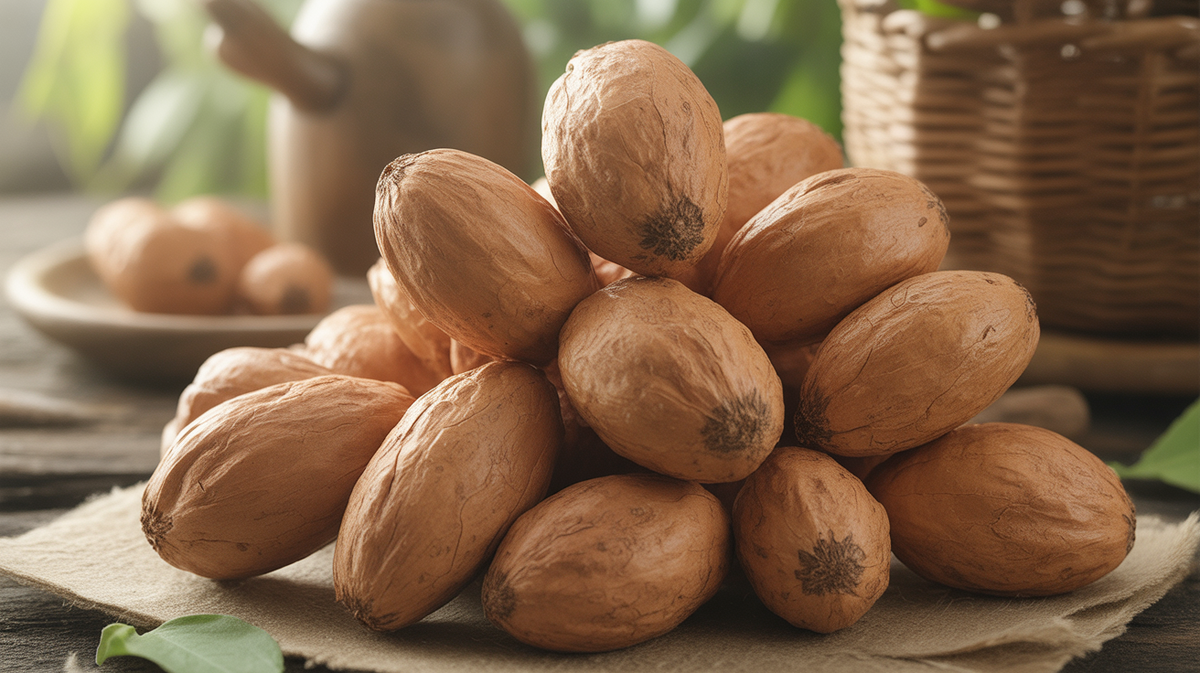
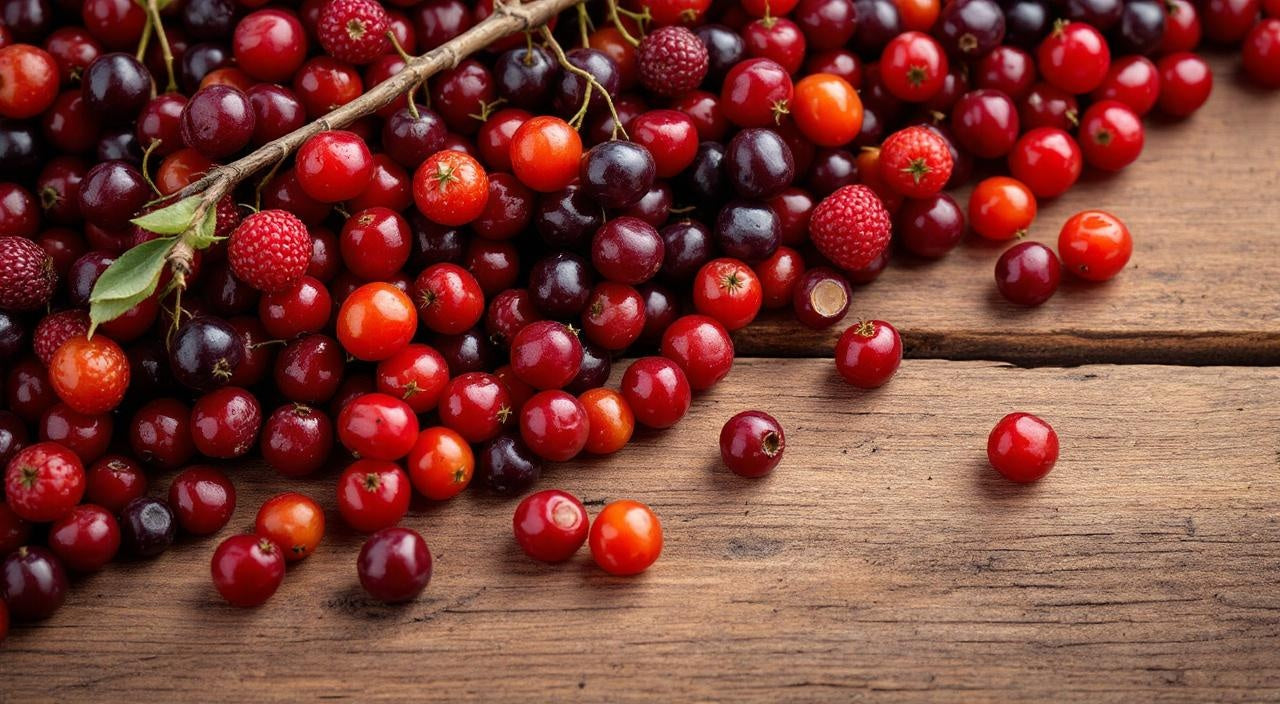
Balsam Apple (*Momordica balsamina*) is a tropical fruit native to Africa and Asia, thriving in warm climates with well-drained soils and full sun exposure. It is traditionally valued in herbal medicine for its antioxidant, anti-inflammatory, and antimicrobial properties, offering significant functional benefits.
Potential benefits
- Exhibits antioxidant properties through bioactive compounds that neutralize free radicals and reduce oxidative stress.
- Demonstrates anti-inflammatory effects by modulating inflammatory markers, potentially relieving pain and swelling.
- Possesses antimicrobial properties that inhibit bacterial and fungal growth, supporting immune health and infection prevention.
- Acts as a digestive aid by enhancing enzyme activity and supporting gastrointestinal function.
- Traditionally used to manage symptoms of diabetes, fever, and various skin disorders.
How it works
Balsam Apple's primary mechanism involves its triterpenes, such as balsaminol C, balsaminagenin B, and balsaminoside A, which specifically inhibit P-glycoprotein (P-gp) efflux. P-gp is a cellular transporter that typically expels drugs from cells, thus limiting their intracellular concentration and bioavailability. By blocking P-gp activity, these triterpenes enhance the cellular uptake of therapeutic compounds, leading to increased efficacy even at relatively low concentrations.
What the research says
Ethnopharmacological studies highlight the therapeutic potential of *Momordica balsamina*'s bioactives, particularly charantin and cucurbitacins. Ongoing research focuses on its antidiabetic, antimicrobial, and antioxidant applications, supporting its traditional uses.
Safety and interactions
As a food, Balsam Apple is generally well-tolerated, but concentrated extracts or high doses may cause gastrointestinal discomfort. A significant concern is its triterpenes' ability to inhibit P-glycoprotein (P-gp), which can alter the pharmacokinetics and potentially increase the bioavailability and effects of co-administered drugs that are P-gp substrates (e.g., certain chemotherapeutics, immunosuppressants, or cardiovascular medications). Patients on prescription medications should consult a healthcare professional due to this potential for drug interactions. Due to insufficient safety data, the use of Balsam Apple extracts is generally advised against during pregnancy and lactation.
Suggested use
- Traditionally, fruits and leaves are prepared as decoctions or poultices for treating fevers, diabetes, skin infections, and digestive ailments in African and Asian herbal medicine.
- Modern applications include incorporation into teas, capsules, and topical treatments in natural health products.
- Typically consumed in small quantities due to its bitterness; used in decoctions, infusions, or topical formulations.
Frequently asked questions
What are the primary bioactive compounds in Balsam Apple?
Balsam Apple contains diverse phytochemicals, including alkaloids, saponins, cardiac glycosides, steroids, and triterpenoids. Key specialized compounds are specific triterpenes like balsaminol C, balsaminagenin B, and balsaminoside A, which contribute to its pharmacological profile.
How do Balsam Apple's compounds enhance therapeutic effects?
The triterpenes in Balsam Apple inhibit P-glycoprotein (P-gp) efflux, a cellular transport mechanism that typically limits drug bioavailability. By blocking P-gp activity, these compounds enhance the cellular uptake of other therapeutic agents, potentially increasing their intracellular concentrations and therapeutic potency.
What traditional uses are associated with Balsam Apple?
Ethnopharmacological studies highlight Balsam Apple's traditional uses, which often include antidiabetic, antimicrobial, and antioxidant applications. It has been historically valued for its medicinal properties in various cultures, particularly in Africa and Asia.
Can Balsam Apple interact with other medications?
Yes, the triterpenes in Balsam Apple inhibit P-glycoprotein (P-gp), which can significantly alter the absorption and effects of drugs that are P-gp substrates. Individuals on prescription medications, especially those for chronic conditions, should consult their healthcare provider before using Balsam Apple.
Is Balsam Apple safe for everyone, including pregnant women?
While generally consumed as a vegetable, specific safety data for concentrated Balsam Apple extracts is limited. Due to insufficient safety information and the potential for drug interactions via P-gp inhibition, its use is generally not recommended during pregnancy and lactation without medical supervision.
What is the most bioavailable form of Balsam Apple for maximum absorption?
Balsam Apple extracts and standardized preparations typically offer superior bioavailability compared to whole fruit, as they concentrate the active compounds and reduce the fiber content that may limit absorption. Fresh Balsam Apple juice consumed shortly after preparation preserves heat-sensitive bioactive compounds, while dried forms may concentrate certain polyphenols but require adequate hydration for optimal digestive transit. The presence of natural acids and oils in Balsam Apple can enhance the absorption of fat-soluble antioxidants when consumed with a meal containing healthy fats.
References
This article is educational and is not medical advice. Statements have not been evaluated by the FDA and are not intended to diagnose, treat, cure, or prevent any disease. Consult a healthcare professional before use.