Maprang fruit (Bouea macrophylla) contains bioactive gallotannins including pentagalloyl glucose (PGG), ethyl gallate (EG), and gallic acid (GA) that demonstrate antiproliferative effects against cancer cells and free radical scavenging activity. These polyphenolic compounds induce apoptosis in MCF-7 breast cancer cells within 24 hours and exhibit antioxidant capacity through DPPH and ABTS radical scavenging mechanisms.

Origin
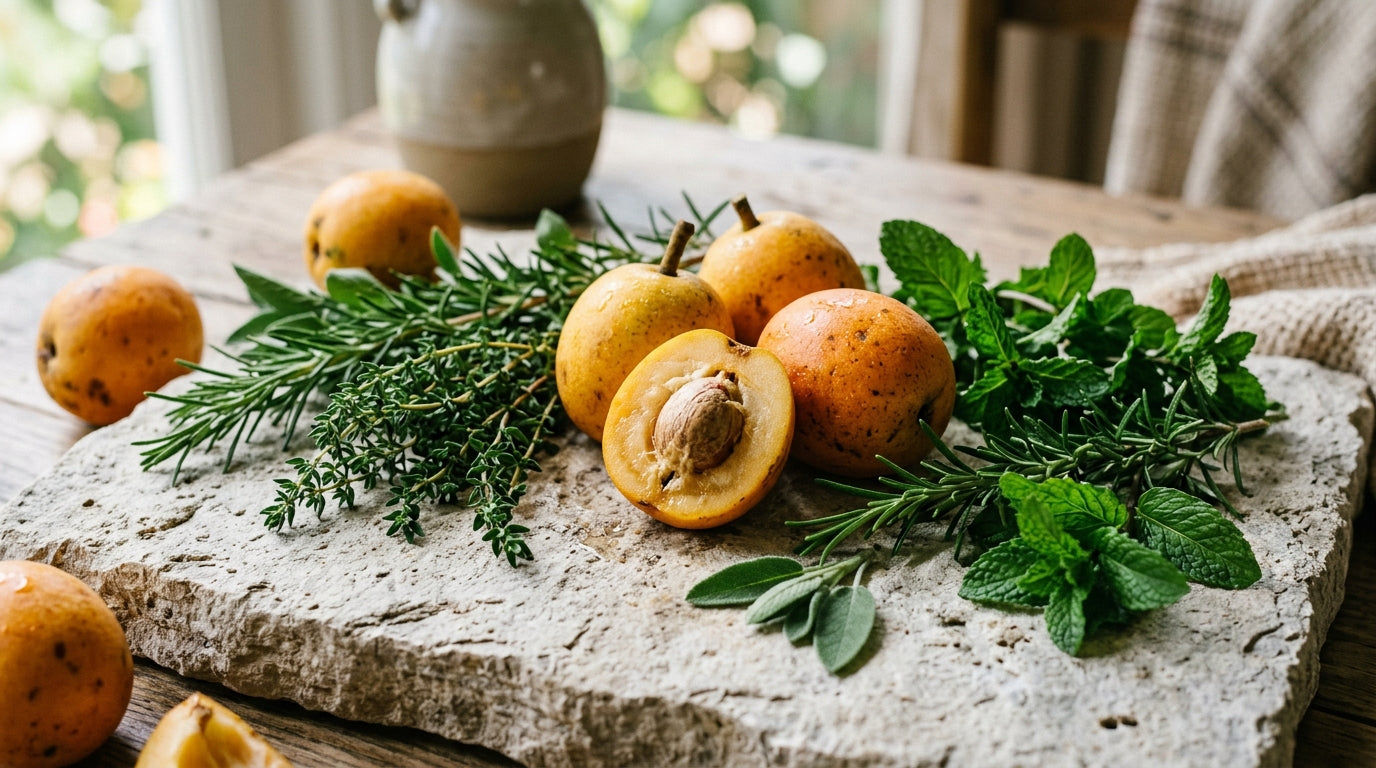
Maprang, Bouea macrophylla, is a tropical fruit tree indigenous to Southeast Asia, specifically Malaysia, West Java, Burma, and North Sumatra, now widely cultivated across the region. Thriving in tropical climates, its vibrant fruit is prized for its sweet, mango-like flavor with a hint of tartness. Maprang is valued in functional nutrition for its rich content of vitamins, minerals, and antioxidants that support immune and skin health.
Potential benefits
- Enhances immune health through high vitamin C, which boosts white blood cell function and provides antioxidant protection.
- Promotes skin vitality by stimulating collagen synthesis and improving elasticity, beneficial for anti-aging.
- Supports eye health with rich beta-carotene content, reducing the risk of age-related macular degeneration.
- Contributes to cardiovascular health by lowering cholesterol and improving circulation, aided by potassium and polyphenols.
- Aids digestive health via dietary fiber, which supports gut motility and fosters a healthy microbiome.
- Provides neuroprotective benefits, enhancing cognitive function and memory through antioxidants that reduce neural oxidative stress.
- Supports muscle relaxation and stress management due to its magnesium content, while B vitamins aid energy metabolism.
How it works
The gallotannins PGG, EG, and GA in maprang seed extract induce cancer cell apoptosis and cell cycle arrest, particularly demonstrated in MCF-7 breast cancer cells at 24 hours. These compounds provide antioxidant protection through free radical scavenging of DPPH and ABTS radicals, with additional ferric reduction activity. The fruit pulp's carotenoids and vitamin C contribute to immune support by enhancing white blood cell function and stimulating collagen synthesis.
What the research says
Current evidence is limited to in vitro laboratory studies with no human clinical trials reported. Maprang seed extract showed antiproliferative activity against leukemia and lung cancer cell lines, including drug-resistant strains, in cell culture studies. Antioxidant testing revealed DPPH scavenging activity with IC50 values 1.5-3.5 times less potent than vitamin C's 13.80 ± 2.26 μg/mL. The strength of evidence remains preliminary, requiring human studies to establish therapeutic efficacy and safety profiles.
Safety and interactions
No documented safety data, drug interactions, or contraindications exist for maprang fruit consumption. While in vitro studies suggest low toxicity of the polyphenolic compounds PGG, EG, and GA to normal cells, clinical safety profiles remain unestablished. Pregnant and breastfeeding women should exercise caution due to lack of safety data. Patients taking medications should consult healthcare providers before using concentrated extracts, as polyphenolic compounds may theoretically interact with drug metabolism.
Suggested use
- Traditionally consumed fresh, or used in Southeast Asian cuisines for salads, desserts, preserves, and pickled dishes.
- Historically, Maprang was used in traditional medicine to support digestion, enhance skin health, and boost energy, with leaves and seeds also utilized for their medicinal properties.
- Modern applications include smoothies, fruit bowls, functional beverages, skincare products, and nutritional supplements.
- Recommended dosage: 100–200 grams of fresh fruit daily for general wellness.
Frequently asked questions
What are the main active compounds in maprang fruit?
The primary bioactive compounds are gallotannins including pentagalloyl glucose (PGG), ethyl gallate (EG), and gallic acid (GA), confirmed through HPLC and LC-MS analysis. The fruit pulp also contains carotenoids, vitamin C, and terpenes like alpha-cadinol at 4.94% in unripe fruit.
Has maprang fruit been tested in human studies?
No human clinical trials have been conducted on maprang fruit to date. Current research is limited to in vitro laboratory studies showing anticancer and antioxidant effects in cell cultures.
How does maprang compare to vitamin C for antioxidant activity?
Maprang seed extract shows DPPH radical scavenging activity that is 1.5-3.5 times less potent than vitamin C's IC50 of 13.80 ± 2.26 μg/mL. However, the fruit pulp itself contains natural vitamin C contributing to overall antioxidant capacity.
What cancer types has maprang been studied against?
Laboratory studies have tested maprang seed extract against MCF-7 breast cancer cells, leukemia cell lines, and lung cancer cells including drug-resistant strains. The extract induced apoptosis in breast cancer cells within 24 hours of treatment.
Is maprang fruit safe to consume?
While the polyphenolic compounds show low toxicity to normal cells in laboratory studies, comprehensive safety data from human consumption is not available. Clinical safety profiles, drug interactions, and contraindications remain unestablished and require further research.
Can I get enough maprang fruit benefits from food sources alone, or do I need a supplement?
Fresh maprang fruit is nutrient-dense and can provide meaningful amounts of vitamin C, beta-carotene, and antioxidants when consumed regularly, making whole fruit an excellent dietary source. However, supplement forms like dried maprang powder or standardized extracts may offer higher concentrated levels of active compounds and more consistent dosing for therapeutic purposes. The choice depends on your access to fresh maprang fruit and whether you're seeking general nutritional support or targeted therapeutic benefits.
Is maprang fruit safe for children and pregnant women to consume?
Maprang fruit is generally recognized as safe for children as part of a normal diet due to its nutrient profile and lack of known toxins; however, specific dosing for pediatric supplements should be determined with a healthcare provider. During pregnancy, maprang fruit's high vitamin C content is beneficial for fetal development and maternal health, though pregnant women should consult their healthcare provider before taking concentrated supplements to ensure appropriate intake levels. As with any dietary change during pregnancy or for young children, moderation and professional guidance are recommended.
Does maprang fruit interact with blood pressure or cholesterol medications?
Maprang fruit's cardiovascular benefits, including potential cholesterol-lowering effects, may have additive effects when combined with statin or antihypertensive medications, which warrants medical supervision. The high vitamin C content in maprang could theoretically affect absorption of certain medications, though clinically significant interactions are not well-documented. Anyone taking cardiovascular medications should inform their healthcare provider before adding maprang supplements to avoid unintended interactions or synergistic effects.
References
- https://www.fruitsinfo.com/ma-praang.php
- https://healthiersteps.com/maprang/
- https://www.thaicookbook.tv/thai-food-ingredients/fruits-and-nuts/thai-maphrang/
- https://pubmed.ncbi.nlm.nih.gov/32679165
- https://www.sciencedirect.com/science/article/pii/S0308814620302936
- https://www.ncbi.nlm.nih.gov/pmc/articles/PMC7652349/
This article is educational and is not medical advice. Statements have not been evaluated by the FDA and are not intended to diagnose, treat, cure, or prevent any disease. Consult a healthcare professional before use.