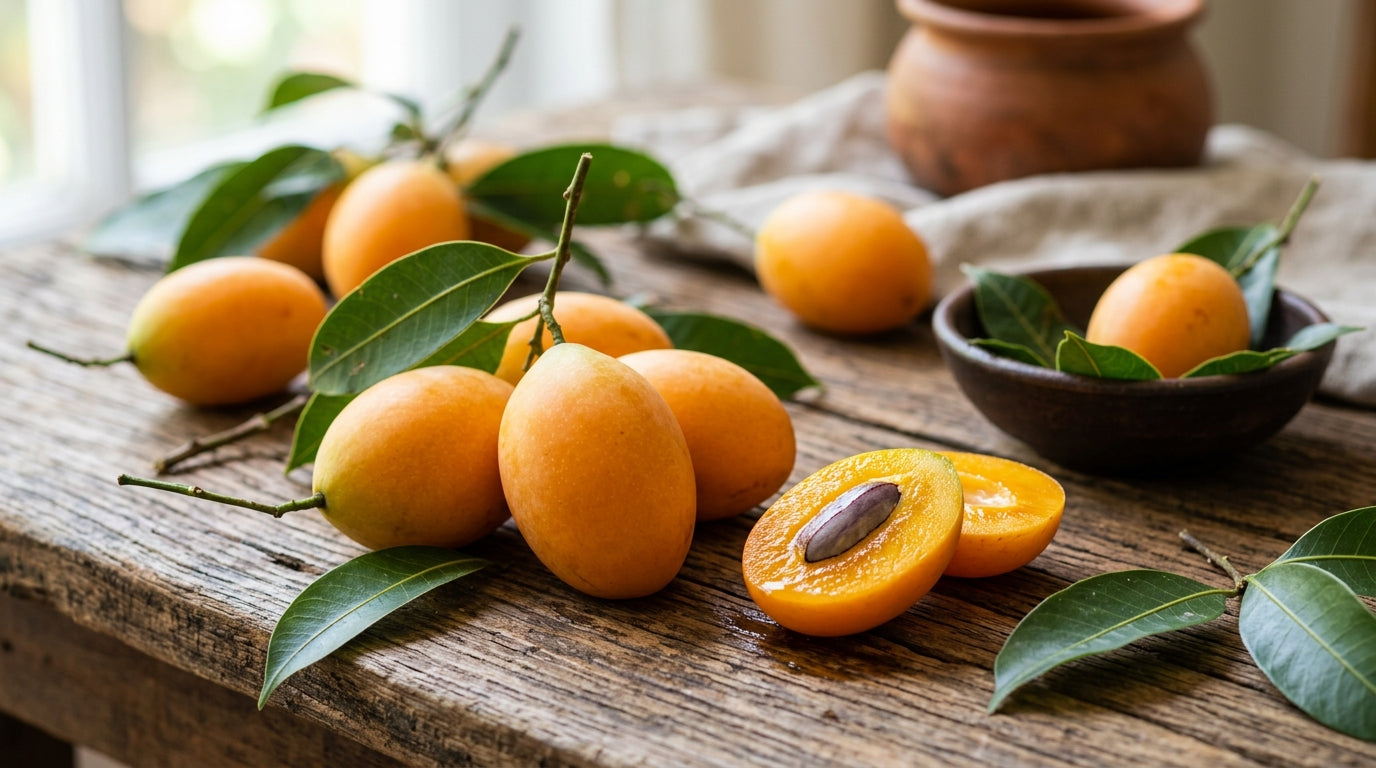
Manna Ash Resin contains bio-phenols, flavonoids, and phenolic compounds that exert dose-dependent antioxidant activity, achieving 23.71% ROS-scavenging at 40 mg/mL concentrations. These bioactive compounds work through multiple pathways including tyrosinase inhibition, NF-κB pathway modulation, and mitochondrial membrane stabilization.

Origin
Manna Ash Resin (Fraxinus ornus) is derived from the Manna Ash tree, native to the warm mountainous regions of Southern Europe, particularly Sicily, Calabria, Greece, and parts of Western Asia. This resin is valued for its unique composition and gentle functional properties.
Potential benefits
- Gently regulates bowel movements, acting as a mild osmotic laxative.
- Supports gut microbiome health by providing prebiotic fibers.
- Balances blood sugar levels through its unique sugar alcohol profile.
- Aids liver detoxification by promoting bile flow and enzymatic activity.
- Improves skin clarity by supporting internal cleansing processes.
- Soothes the nervous system, contributing to emotional calm.
How it works
Bio-phenols and flavonoids in manna ash resin scavenge reactive oxygen species and inhibit tyrosinase and elastase enzymes. The compounds modulate apoptotic pathways by upregulating Bax, downregulating Bcl-2, and reducing NF-κB phosphorylation. Additionally, these bioactives promote cellular differentiation markers including cytokeratin 10, involucrin, and CD31 while reducing M1 macrophage polarization.
What the research says
Current evidence is limited to in vitro studies with no human clinical trials reported. Laboratory studies demonstrate concentration-dependent effects at 5-10 mg/mL in colon cancer cell lines (HCT-116) and wound healing models using keratinocyte, fibroblast, and endothelial cells. Quantified outcomes include 23.71 ± 1.81% ROS-scavenging activity at 40 mg/mL and significant lesion closure within 24 hours in scratch assays. The lack of human studies significantly limits clinical applicability and requires cautious interpretation of potential therapeutic benefits.
Safety and interactions
In vitro studies report no toxic effects on mitochondria or DNA, with traditional use indicating mild laxative effects without adverse reactions. No drug interactions or specific contraindications are documented in available research, though this may reflect insufficient clinical investigation rather than confirmed safety. The absence of human clinical trials means safety profiles during pregnancy, lactation, and in pediatric populations remain unknown. Patients should consult healthcare providers before use, especially those with existing gastrointestinal conditions or taking medications affecting bowel function.
Suggested use
- Traditionally harvested as flakes or granules, dissolved in warm water or milk.
- Used as a fasting sweetener, child-safe laxative, and digestive remedy.
- Modern applications include prebiotic syrups, detox powders, laxative teas, and metabolic sweeteners.
- Recommended dosage: 1–2 teaspoons of flakes/granules or 500–1000 mg/day of a standardized extract (mannitol-based).
Frequently asked questions
What is the active compound responsible for manna ash resin's antioxidant effects?
Bio-phenols, flavonoids, and phenolic compounds form the polyphenol phytocomplex that drives antioxidant activity. These compounds achieve measurable ROS-scavenging effects, with studies showing 23.71% activity at 40 mg/mL concentrations.
How does manna ash resin work for wound healing?
The resin enhances keratinocyte, fibroblast, and endothelial cell migration while promoting cellular differentiation markers like cytokeratin 10 and involucrin. It also reduces inflammatory M1 macrophage polarization and decreases NF-κB phosphorylation to support tissue repair.
Are there any clinical studies on manna ash resin in humans?
No human clinical trials have been conducted on manna ash resin according to available research. Current evidence comes entirely from in vitro laboratory studies using cell cultures, limiting the ability to confirm therapeutic effects in people.
What dosage of manna ash resin is considered effective?
Laboratory studies used concentrations of 5-10 mg/mL for cellular effects and up to 40 mg/mL for antioxidant testing. However, without human clinical trials, no established therapeutic dosage recommendations exist for practical use.
Can manna ash resin interact with medications?
No drug interactions are reported in current research, though this likely reflects insufficient clinical investigation rather than confirmed safety. The traditional mild laxative effect suggests potential interactions with bowel-affecting medications, requiring medical consultation before use.
Is manna ash resin safe for children and pregnant women?
Manna ash resin is generally considered safe for children as a mild laxative and has been used traditionally in pediatric digestive care, though dosing should be adjusted for age and weight. Pregnant women should consult their healthcare provider before use, as while traditionally employed during pregnancy in some cultures, individual circumstances may warrant caution or avoidance. Those with specific medical conditions or taking medications should seek professional guidance before supplementation.
What is the difference between manna ash resin and other natural laxatives like senna or psyllium?
Manna ash resin acts as a gentle osmotic laxative, drawing water into the intestines without stimulating bowel muscles, making it milder than senna which is a stimulant laxative. Unlike psyllium husk which works primarily through bulk and fiber, manna ash combines osmotic action with prebiotic properties that support beneficial gut bacteria. Manna ash resin is typically better tolerated for long-term use due to its gentler mechanism and lower risk of dependency compared to stimulant laxatives.
Who benefits most from manna ash resin supplementation?
Individuals with mild constipation, sensitive digestive systems, or those seeking gentle bowel regulation benefit most from manna ash resin due to its non-irritating osmotic action. People looking to support their microbiome health and prebiotic intake, as well as those interested in liver support and blood sugar management, may find value in regular supplementation. Those with a history of laxative sensitivity or preference for traditional, plant-based digestive aids are also ideal candidates.
References
- https://www.ncbi.nlm.nih.gov/search/all/?term=Manna+Ash+Resin
- https://www.ncbi.nlm.nih.gov/pmc/articles/PMC6073404
- https://www.sciencedirect.com/science/article/pii/S0378874117311047
This article is educational and is not medical advice. Statements have not been evaluated by the FDA and are not intended to diagnose, treat, cure, or prevent any disease. Consult a healthcare professional before use.