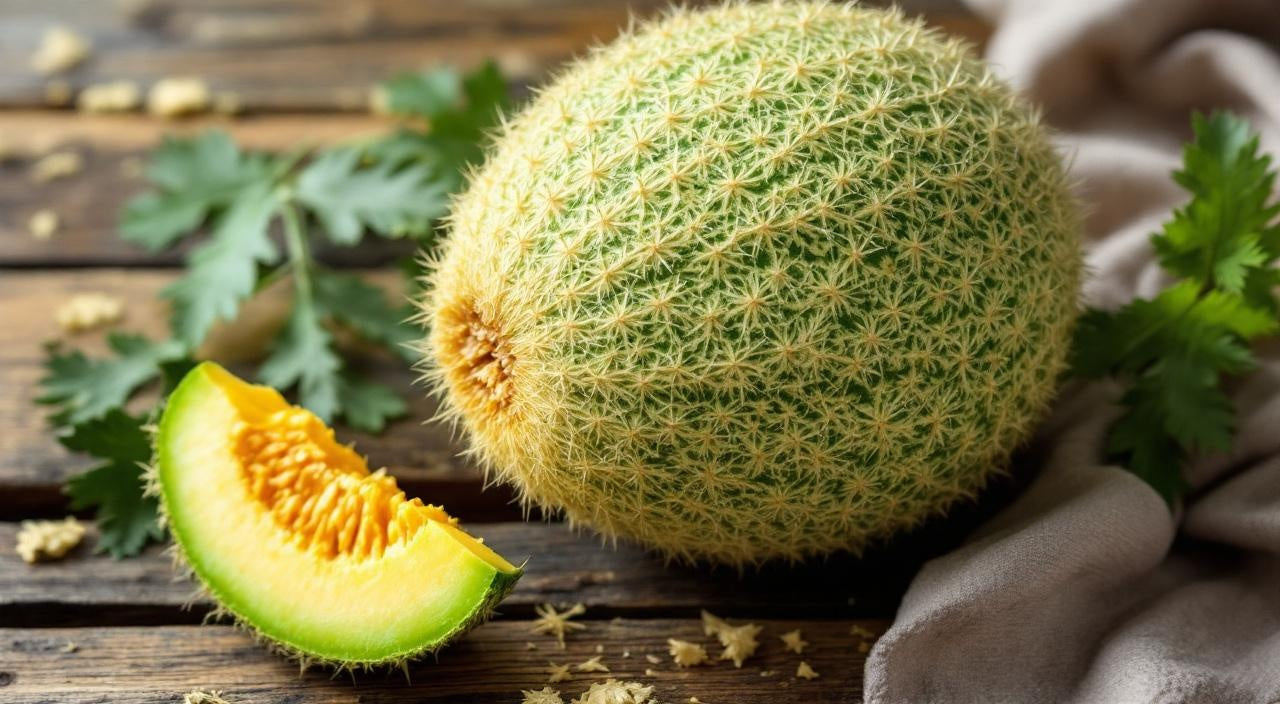
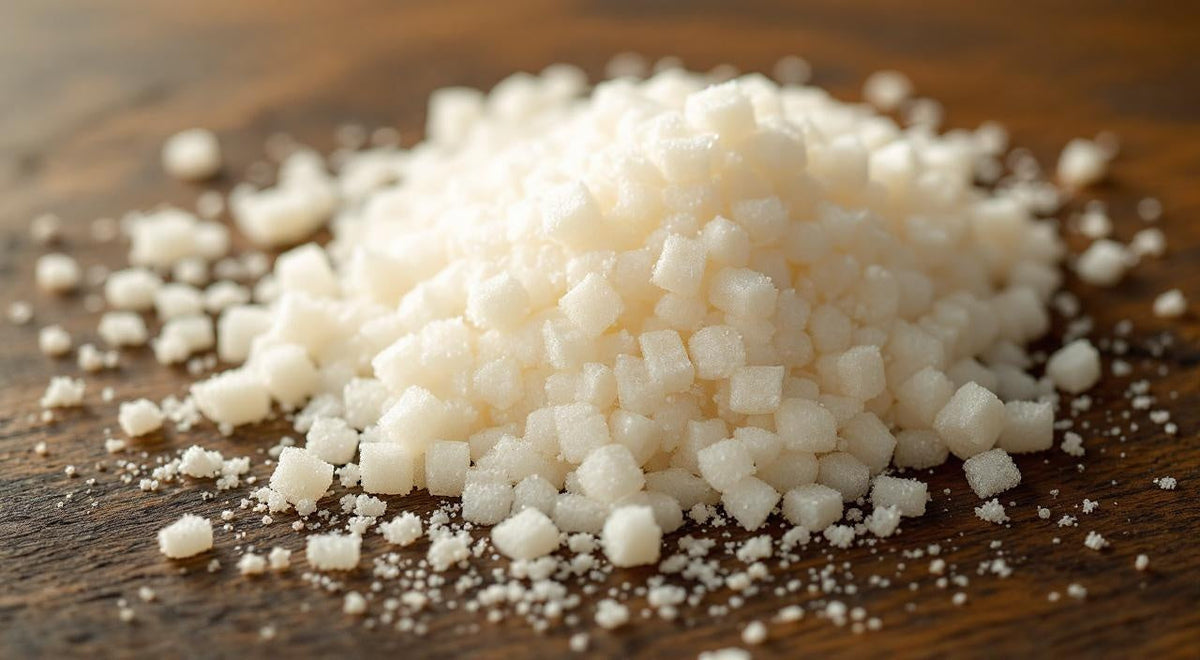
Currently, there are no human clinical trials specifically investigating the health benefits of Kaong (Arenga pinnata) fruit. Existing scientific understanding is primarily derived from preclinical and in vitro research. These early-stage studies indicate potential antioxidant, metabolic, gut-modulating, and immune-modulating benefits, often attributing these to its prebiotic fiber content and diverse phytochemicals. However, further human studies are needed to confirm these effects and establish specific dosages.

Origin
Kaong (Arenga pinnata), also known as Sugar Palm Fruit, is native to Southeast Asia, particularly the Philippines, Indonesia, and Malaysia. It thrives in well-drained, nutrient-rich tropical soils with high humidity. This versatile fruit is traditionally revered for its potent antioxidant, metabolic-supporting, and energy-boosting properties, making it a valuable functional food.
Potential benefits
- Supports metabolic health by regulating blood sugar levels and optimizing insulin sensitivity.
- Enhances cardiovascular wellness by improving circulation and reducing oxidative stress.
- Promotes digestive health through prebiotic fiber that nourishes gut microbiota.
- Provides neuroprotective benefits by reducing oxidative damage and enhancing cognitive function.
- Strengthens immune function with antimicrobial and anti-inflammatory compounds.
- Contributes to sustained energy release, supporting vitality without rapid sugar spikes.
- Aids in liver detoxification and promotes skin rejuvenation through its antioxidant profile.
How it works
Specific mechanisms for Kaong's health benefits are not fully elucidated due to limited research on its precise bioactive compounds. However, its high content of prebiotic fiber is understood to nourish beneficial gut microbiota, contributing to improved digestive health and metabolic regulation. The presence of various phytochemicals, as indicated by preclinical studies, suggests antioxidant activity, which may reduce oxidative stress and support cardiovascular health.
What the research says
Studies, including preclinical and in vitro research, support Kaong's antioxidant, metabolic, gut, and immune-modulating benefits. Research highlights its prebiotic fiber content and diverse phytochemicals as key to its observed effects on blood sugar regulation and digestive health. While promising, further human clinical trials are needed to fully establish its efficacy and optimal dosages.
Safety and interactions
Due to the limited scientific research on Kaong (Arenga pinnata) fruit, comprehensive data regarding specific side effects, drug interactions, or contraindications is unavailable. Traditionally consumed as a food item, it is generally considered safe in typical dietary amounts. However, individuals with allergies to palm products or those with underlying health conditions should exercise caution and consult a healthcare professional. Specific recommendations for pregnancy and lactation cannot be provided without further scientific study.
Suggested use
- Traditional: Consumed fresh, fermented into palm sugar, or used in sweet preserves and tonics in Southeast Asian culinary and medicinal practices.
- Modern Forms: Available as low-glycemic sweeteners, superfruit powders, and botanical extracts.
- Dosage: 1–2 servings daily, as fresh fruit, sweetener, or extract.
Frequently asked questions
What is Kaong?
Kaong is the immature fruit of the sugar palm tree (*Arenga pinnata*), a species native to Southeast Asia, particularly the Philippines. It is commonly harvested, cooked, and preserved as chewy, translucent spheres, primarily used in traditional desserts like halo-halo.
What are the primary health benefits associated with Kaong?
Kaong is traditionally believed to support metabolic health by aiding blood sugar regulation, enhance cardiovascular wellness, and promote digestive health. These benefits are attributed in part to its prebiotic fiber content and general antioxidant properties observed in preliminary research.
Does Kaong contain specific vitamins or minerals?
While some unverified assertions suggest Kaong contains vitamins C, A, E, potassium, and healthy fats, specific analytical evidence confirming these compounds and their precise quantities is lacking in current scientific literature. More rigorous research is needed to determine its definitive nutritional profile.
Are there clinical studies on Kaong's efficacy?
Currently, there are no human clinical trials or extensive human studies on the health benefits of Kaong fruit. The existing evidence primarily comes from preclinical and in vitro research, which indicates potential but requires confirmation through human trials to establish efficacy in humans.
How is Kaong traditionally consumed?
In its native regions, especially the Philippines, Kaong is typically cooked and preserved in syrup. It is widely enjoyed as a sweet, chewy ingredient in various desserts, most famously as a component of the popular Filipino shaved ice dessert, halo-halo.
Is Kaong safe to take with diabetes medications?
Kaong may interact with diabetes medications since it helps regulate blood sugar levels and improve insulin sensitivity. Individuals taking medications like metformin or insulin should consult their healthcare provider before adding Kaong supplements, as the combination could potentially lower blood sugar too much. Monitoring blood glucose levels is recommended when combining Kaong with prescription diabetes treatments.
References
This article is educational and is not medical advice. Statements have not been evaluated by the FDA and are not intended to diagnose, treat, cure, or prevent any disease. Consult a healthcare professional before use.