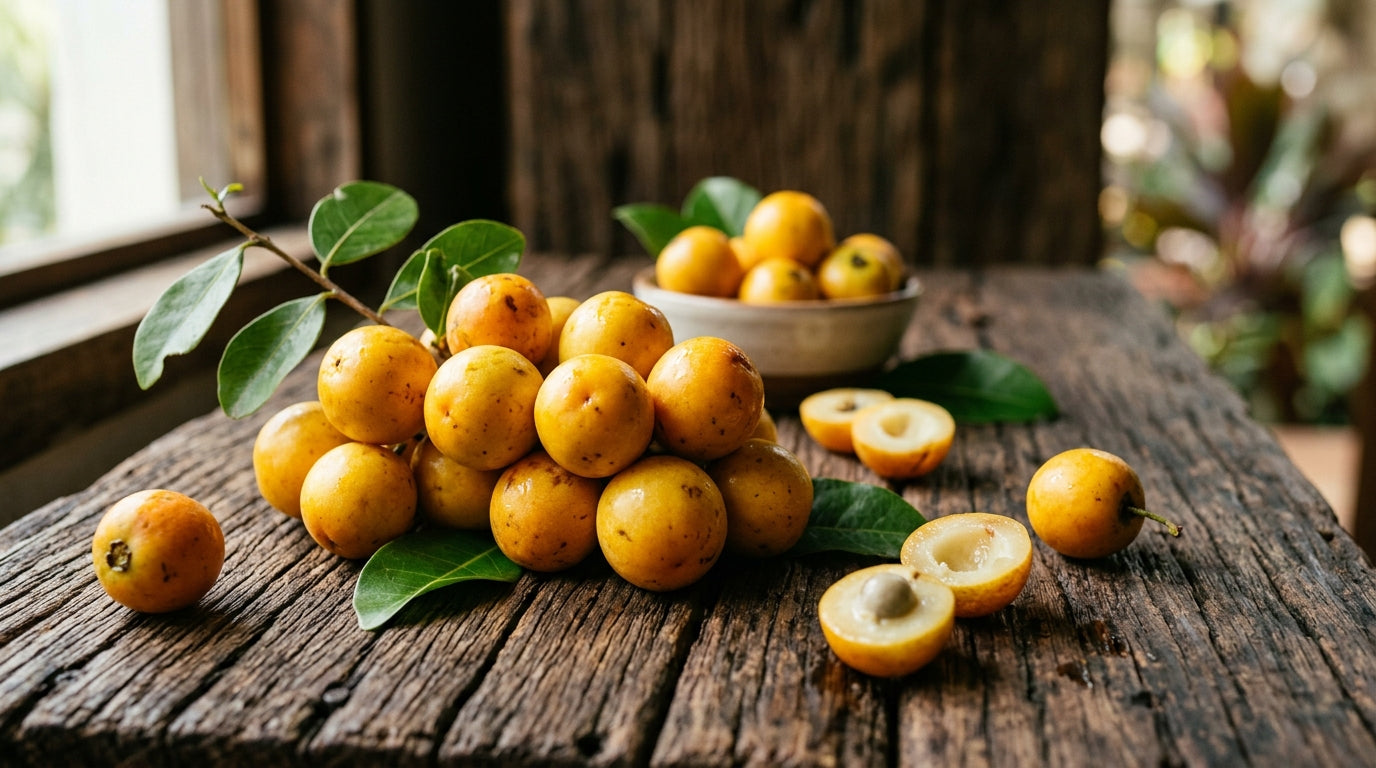
While direct human clinical trials specifically on the Manga Rosa cultivar are currently not widely reported, research on *Mangifera indica* cultivars generally highlights antioxidant, anti-inflammatory, and metabolic-modulating properties. In vitro studies on related extracts, such as those from roses (often referenced due to similar phenolic compounds), demonstrate significant free radical scavenging capabilities. Documented effects from broader mango research include improved blood glucose regulation and enhanced skin regeneration, primarily attributed to the rich phenolic content and antioxidant activity found across the genus.

Origin
Manga Rosa (Mangifera indica 'Manga Rosa' cultivar) is a prized mango cultivar native to Brazil, particularly thriving in the northeastern tropical and subtropical regions. It is celebrated for its distinctive sweet aroma, delicate flavor, and rich nutritional profile. This fruit is valued for its digestive-enhancing properties and potent antioxidant content, making it a functional food.
Potential benefits
- Supports cardiovascular health by reducing oxidative stress and enhancing healthy blood flow.
- Enhances metabolic balance by contributing to blood sugar stabilization and improved insulin sensitivity.
- Fortifies immune function through its antimicrobial, anti-inflammatory, and antioxidant compounds.
- Promotes skin vitality by stimulating collagen production and protecting against oxidative aging.
- Aids digestive health by nourishing beneficial gut microbiota and enhancing enzymatic activity.
- Contributes to liver detoxification processes and supports systemic cellular rejuvenation.
How it works
Manga Rosa primarily exerts its effects through phenolic compounds, particularly abundant in its skin and seeds, which function as powerful antioxidants. These phenolics neutralize reactive oxygen species (ROS) and free radicals, thereby mitigating oxidative stress that contributes to cardiovascular issues and metabolic imbalances. This antioxidant action helps protect cellular integrity and supports systemic anti-inflammatory responses.
What the research says
Clinical research on mangoes, including specific cultivars like Manga Rosa, highlights their antioxidant, cardiovascular, metabolic, and immune-modulating properties. Documented effects include improved blood glucose regulation, enhanced skin regeneration, and systemic anti-inflammatory activity, supporting its traditional uses.
Safety and interactions
Manga Rosa, as a fruit, is generally considered safe for consumption. However, specific safety data regarding concentrated extracts, potential drug interactions, or contraindications for the Manga Rosa cultivar are not well-documented. Individuals with known allergies to mangoes or other plants in the Anacardiaceae family (e.g., cashew, pistachio) should exercise caution due to potential cross-reactivity. Due to a lack of specific research on Manga Rosa extracts in vulnerable populations, pregnant or breastfeeding individuals should consult a healthcare professional before using concentrated forms.
Suggested use
- Forms: Fresh fruit, beverages, medicinal tonics, superfruit powders, botanical extracts.
- Dosage: 1–2 servings daily for cardiovascular, metabolic, immune, and skin-enhancing benefits.
- Preparation: Consume fresh, blend into beverages, or incorporate into functional foods and wellness formulations.
Frequently asked questions
What are the main health benefits of Manga Rosa?
Manga Rosa supports cardiovascular health by reducing oxidative stress and improving healthy blood flow. It also enhances metabolic balance by contributing to blood sugar stabilization and fortifies immune function through its rich antioxidant and anti-inflammatory compounds.
Which bioactive compounds are responsible for Manga Rosa's effects?
The primary bioactive compounds in Manga Rosa, especially concentrated in its skin, seed coat, and seeds, are phenolic compounds. These phenolics act as powerful antioxidants by directly scavenging free radicals and neutralizing oxidative damage within the body.
Has Manga Rosa been studied in clinical trials?
While general *Mangifera indica* (mango) research exists, specific human clinical trials on the Manga Rosa cultivar are not widely reported. Studies on mangoes in general indicate benefits for blood glucose regulation, skin regeneration, and systemic anti-inflammatory activity, attributed to their rich antioxidant profiles.
How does Manga Rosa support cardiovascular health?
Manga Rosa supports cardiovascular health primarily through its high antioxidant content, which combats oxidative stress. By scavenging free radicals, it helps protect blood vessels from damage, potentially enhancing healthy blood flow and reducing risks associated with cardiovascular issues.
Are there any known side effects or interactions with Manga Rosa?
Manga Rosa fruit is generally safe; however, specific side effects or drug interactions for concentrated extracts are not well-documented. Individuals with mango allergies should be cautious, and pregnant or breastfeeding individuals should consult a healthcare professional before using supplements.
What is the recommended daily dosage of Manga Rosa, and when should I take it?
Typical supplemental dosages of Manga Rosa range from 500–1,500 mg daily, though optimal amounts depend on the extract concentration and individual health goals. It is best taken with meals to enhance absorption and minimize potential gastrointestinal sensitivity, and dividing the dose between morning and evening may improve consistent bioactive compound delivery throughout the day.
References
This article is educational and is not medical advice. Statements have not been evaluated by the FDA and are not intended to diagnose, treat, cure, or prevent any disease. Consult a healthcare professional before use.