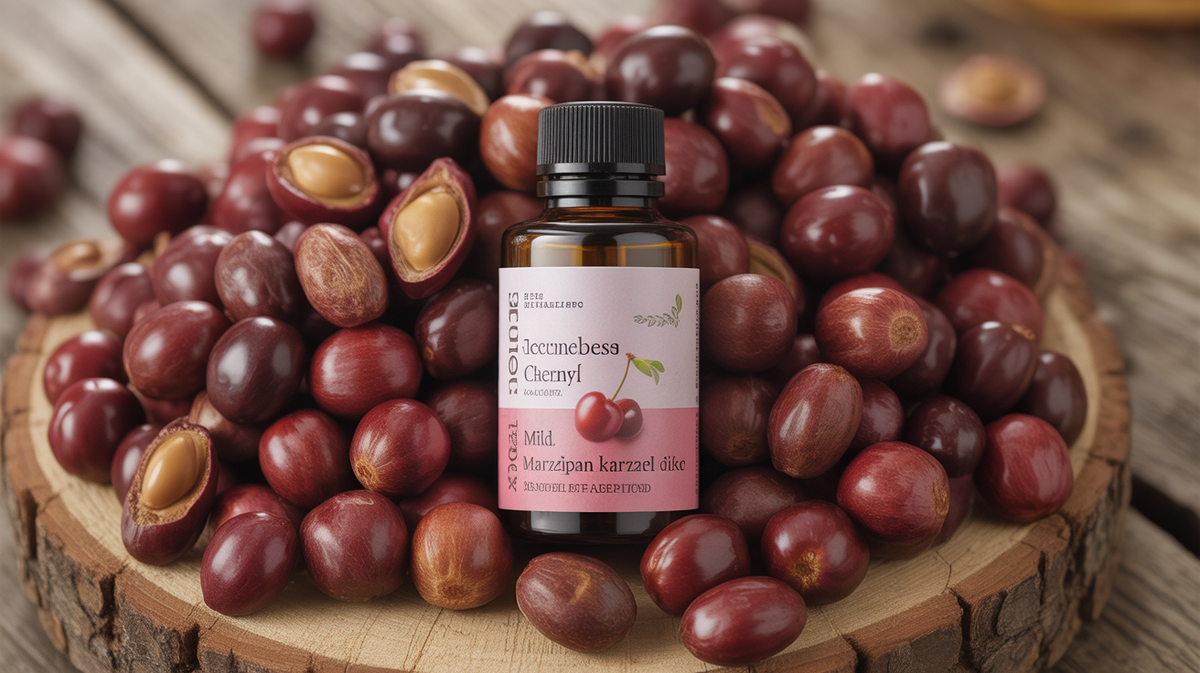
No clinical studies have been conducted on Alamo Vine Fruit (Merremia tuberosa) due to its recognized toxicity and lack of documented human health applications. For the related but distinct species Merremia dissecta, human clinical trials are currently absent. Preclinical *in vitro* and *in vivo* studies, typically using animal models or cell cultures, have explored its extracts for potential anti-inflammatory, antioxidant, and antimicrobial effects. These studies provide preliminary pharmacological insights but do not validate human efficacy or safety.

Origin
Alamo Vine Fruit (Merremia tuberosa), also known as Wood Rose, is native to tropical and subtropical regions of the Americas, including Texas, Mexico, and the Caribbean. While the plant itself has traditional uses, the fruit is primarily valued for its unique woody, rose-like structure rather than for nutritional or medicinal consumption.
Potential benefits
- Lacks known nutritional or medicinal applications for human consumption.
- Contains seeds that are considered toxic and should not be ingested.
- Does not contribute to physiological health benefits, distinguishing it from edible superfoods.
- Primarily valued for its unique aesthetic appeal, forming a woody, rose-like structure.
- Offers ornamental value in crafts and natural décor, serving a decorative rather than a functional dietary purpose.
How it works
While Alamo Vine Fruit (Merremia tuberosa) lacks documented medicinal mechanisms, research on Merremia dissecta suggests its bioactive compounds, including alkaloids, glycosides, and saponins, are responsible for its observed pharmacological activities. These constituents may influence various cellular pathways and enzyme systems, such as antioxidant defense or inflammatory cascades, without specific receptor targets yet fully elucidated. The presence of cyanogenic glycosides also indicates a mechanism involving the release of hydrogen cyanide upon hydrolysis.
What the research says
No significant scientific studies exist on the health benefits or phytochemistry of Alamo Vine fruit for human consumption. Available literature consistently emphasizes its ornamental characteristics and the confirmed toxicity of its seeds, reinforcing its non-edible nature.
Safety and interactions
Alamo Vine Fruit (Merremia tuberosa) is considered toxic due to its seeds and is unequivocally unsafe for human ingestion. For Merremia dissecta, comprehensive human safety data, including common side effects, potential drug interactions, and contraindications, are currently unavailable. Its content of cyanogenic glycosides suggests a significant risk of cyanide poisoning if consumed in sufficient quantities, particularly if plant material is improperly processed. Pregnant or breastfeeding individuals should strictly avoid any consumption of Merremia dissecta due to a complete lack of safety information and potential toxicity.
Suggested use
- Traditional Use: Dried fruit capsules are used decoratively in crafts, wreaths, and floral arrangements.
- Medicinal Use: Limited to other plant parts; the fruit itself is not traditionally consumed or used in medicine.
- Modern Use: Featured in rustic home décor and artisanal crafts as a natural ornamental element.
- Safety: The fruit is not intended for consumption due to the toxicity of its seeds.
Frequently asked questions
What is Alamo Vine Fruit?
Alamo Vine Fruit is primarily identified as the fruit of Merremia tuberosa, also known as Wood Rose. The existing literature indicates it lacks known nutritional or medicinal benefits for human consumption. It is mainly valued for its unique aesthetic appeal and ornamental uses.
Is Alamo Vine Fruit safe for human consumption?
No, Alamo Vine Fruit (Merremia tuberosa) is not safe for human consumption. Its seeds are explicitly identified as toxic and should not be ingested under any circumstances. There are no known physiological health benefits associated with its consumption.
Why is Merremia dissecta mentioned in relation to Alamo Vine Fruit?
Merremia dissecta is mentioned because 'Alamo Vine' can be a common name for this climbing vine, leading to potential confusion with 'Alamo Vine Fruit' (Merremia tuberosa). While distinct, research on Merremia dissecta highlights a different profile of bioactive compounds and pharmacological potential, which does not apply to Merremia tuberosa.
Are there any known health benefits of Alamo Vine Fruit (Merremia tuberosa)?
There are no known nutritional or medicinal health benefits for human consumption associated with Alamo Vine Fruit (Merremia tuberosa). Its primary value is ornamental, and its seeds are toxic, reinforcing its non-edible nature for human health purposes.
Have scientific studies confirmed health benefits for Merremia dissecta?
For Merremia dissecta, no human clinical trials have confirmed health benefits or established dosage. Preclinical studies using cell cultures and animal models have explored potential anti-inflammatory, antioxidant, and antimicrobial properties, but these findings are preliminary and do not translate to human efficacy or safety.
Can Alamo Vine Fruit seeds be used for any purposes despite their toxicity?
While Alamo Vine Fruit seeds are toxic and should never be ingested, they are sometimes utilized in traditional crafts and botanical displays where they are kept in non-consumable forms. The seeds should always be kept away from children and pets due to their poisonous nature. If accidental ingestion occurs, immediate medical attention is recommended.
References
- https://rgvctmn.org/blog/alamo-vine
- https://www.austintexas.gov/department/grow-green/plant-guide/alamo-vine
- https://nativeplantproject.com/cgcv/alamo_vine.htm
- https://pubmed.ncbi.nlm.nih.gov/?term=Alamo+Vine+Fruit
This article is educational and is not medical advice. Statements have not been evaluated by the FDA and are not intended to diagnose, treat, cure, or prevent any disease. Consult a healthcare professional before use.