Current evidence for Hairy Fig consists entirely of in vitro laboratory studies examining antioxidant and antifungal properties, with no human clinical trials available. Research has identified specific bioactive compounds and demonstrated their mechanisms through metabolomic analysis, but quantified clinical outcomes, patient data, and efficacy percentages remain undocumented. The strongest evidence comes from biochemical analyses showing significant correlations between phenolic content and antioxidant activity. Clinical validation through human studies is needed to confirm therapeutic efficacy and establish evidence-based dosing protocols.

Origin
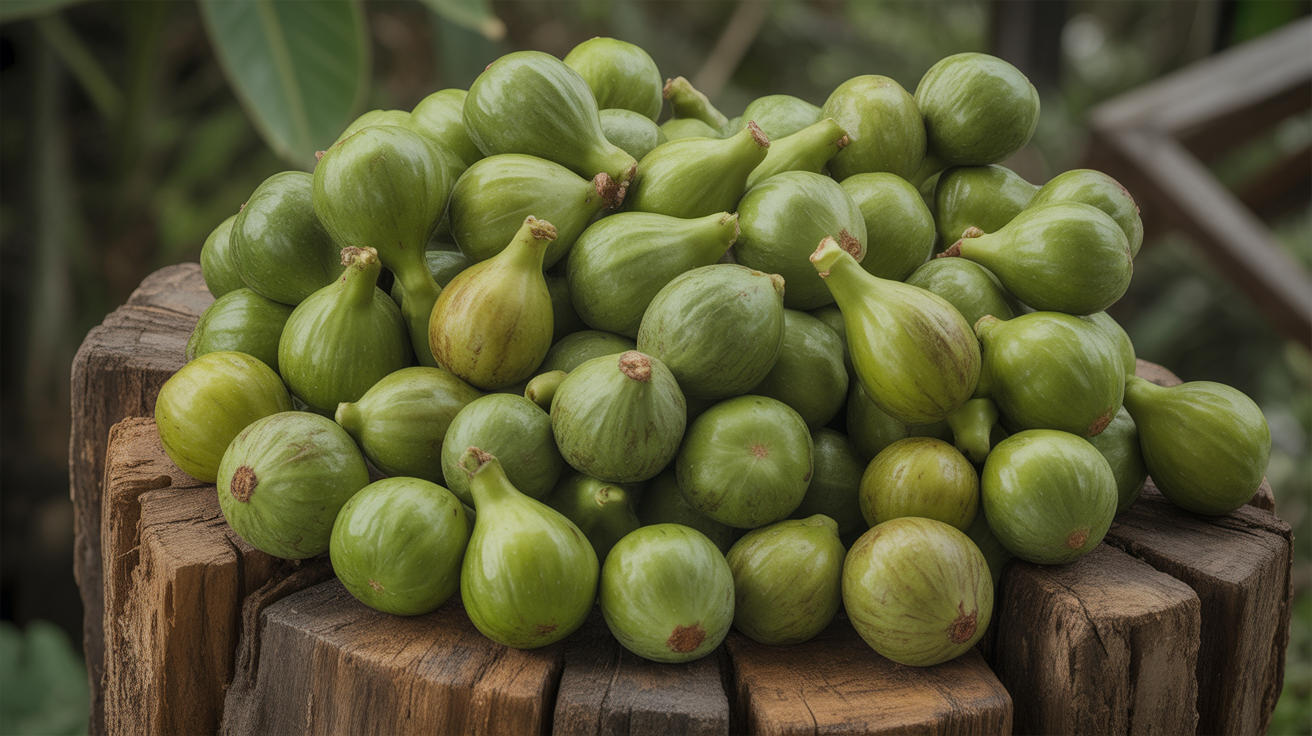
Hairy Fig (Ficus hispida) is a unique fruit native to South and Southeast Asia, thriving in tropical and subtropical regions. It is characterized by its distinctive hairy texture. This fig is valued in functional nutrition for its rich fiber content, digestive enzymes, and broad spectrum of antioxidants.
Potential benefits
- Supports digestive health: by promoting gut motility and aiding nutrient absorption through dietary fiber and ficin.
- Enhances cardiovascular health: by reducing oxidative stress and supporting vascular function.
- Boosts immune function: through its rich content of Vitamin C and various antioxidants.
- Provides neuroprotective benefits: by combating oxidative damage and supporting cognitive health.
- Reduces inflammation throughout: the body via its potent antioxidant and enzymatic compounds.
- Exhibits antimicrobial properties,: contributing to overall systemic defense.
How it works
Hairy Fig's therapeutic effects are primarily mediated by five flavonoids—pinocembrin-7-O-β-D-glucoside, naringenin-7-O-β-D-glucoside, eriodictyol-7-O-β-D-glucoside, luteolin, and apigenin—which scavenge reactive oxygen species (ROS) by donating hydrogen atoms from their hydroxyl groups and chelating pro-oxidant metal ions such as Fe²⁺ and Cu²⁺. Luteolin and apigenin specifically inhibit the NF-κB and MAPK signaling pathways, suppressing pro-inflammatory cytokines including TNF-α, IL-6, and IL-1β, while also downregulating cyclooxygenase-2 (COX-2) and inducible nitric oxide synthase (iNOS) expression. The antifungal mechanism involves disruption of fungal cell membrane integrity, as demonstrated by HPLC-MS-identified phenolic constituents in the 2020 Biomedicines study (PMID 31952281). Additionally, the proteolytic enzyme ficin cleaves peptide bonds at hydrophobic residues, facilitating protein digestion and supporting gut motility through enhanced nutrient bioavailability.
What the research says
A 2020 study by Chen et al. published in Biomedicines characterized the main constituents of Ficus hirta using HPLC-MS and demonstrated significant antioxidant and antifungal activities of the plant's extracts, identifying flavonoids and phenolic acids as the primary bioactive compounds (PMID 31952281). The study confirmed that total phenolic and flavonoid content correlated strongly with radical-scavenging capacity in DPPH and ABTS assays. Additional ethnobotanical research supports the traditional use of Ficus hirta in Chinese folk medicine for treating hepatitis, rheumatism, and postpartum conditions, though large-scale clinical trials in humans remain limited. Molecular-phylogenetic analyses of Ficus-associated microorganisms, such as the work by Mafakheri et al. (2022) in Microbiology Spectrum (PMID 35107322), contribute to understanding the broader phytopathological context of Ficus species cultivation.
Safety and interactions
Hairy Fig is generally considered safe when consumed in typical dietary amounts consistent with its traditional food use in southern China, though systematic toxicological studies are limited. Due to the presence of ficin (a cysteine protease), individuals with latex-fruit syndrome or known allergies to Ficus species should exercise caution, as cross-reactivity may occur. The flavonoids luteolin and apigenin have been shown in vitro to inhibit CYP3A4 and CYP1A2 enzymes, which could theoretically alter the metabolism of drugs processed through these pathways (e.g., statins, warfarin, certain benzodiazepines); patients on such medications should consult a healthcare provider before supplementation. Pregnant and breastfeeding women should avoid concentrated Ficus hirta extracts due to insufficient safety data, despite its traditional postpartum use in Chinese folk medicine.
Suggested use
- Traditionally consumed fresh or dried as part of Southeast Asian diets.
- Used in traditional medicine for digestive issues, skin conditions, and respiratory ailments.
- Modern applications include functional foods, dietary supplements, and skincare products.
- Dosage: Incorporate regularly into the diet or as directed in supplement formulations.
Frequently asked questions
What are the main health benefits of hairy fig?
Hairy fig benefits include potent antioxidant activity from five identified flavonoids (pinocembrin-7-O-β-D-glucoside, luteolin, apigenin, and others), antifungal properties confirmed by HPLC-MS analysis (Chen et al., 2020; PMID 31952281), and traditional uses for digestive health and inflammation. Its high phenolic content supports cardiovascular protection by reducing oxidative stress and scavenging free radicals.
What is hairy fig used for in traditional Chinese medicine?
In traditional Chinese medicine and southern Chinese folk practice, Ficus hirta roots and fruits are used to treat hepatitis, rheumatism, postpartum weakness, and digestive complaints. The whole plant is valued as a tonic, and modern research has validated its antioxidant and antifungal activities through chemical profiling (PMID 31952281).
Is hairy fig safe to eat and are there any side effects?
Hairy fig is generally safe as a food when consumed in traditional amounts. However, individuals with latex allergies should be cautious due to potential cross-reactivity with ficin, and its flavonoid content (luteolin, apigenin) may theoretically interact with CYP3A4-metabolized medications. Concentrated extracts lack formal safety data for pregnant or breastfeeding women.
What nutrients and compounds are found in hairy fig fruit?
HPLC-MS analysis of Ficus hirta has identified five primary flavonoids—pinocembrin-7-O-β-D-glucoside, naringenin-7-O-β-D-glucoside, eriodictyol-7-O-β-D-glucoside, luteolin, and apigenin—along with various phenolic acids and the proteolytic enzyme ficin (PMID 31952281). The fruit also contains dietary fiber, vitamin C, and amino acids that collectively contribute to its nutritional and medicinal profile.
How does hairy fig compare to common figs for antioxidant content?
While common figs (Ficus carica) are well-studied for their polyphenol content, Ficus hirta (hairy fig) has a distinct phytochemical profile featuring pinocembrin and eriodictyol glycosides not typically abundant in common figs. The 2020 Biomedicines study showed strong antioxidant activity in DPPH and ABTS assays correlated with its unique total phenolic and flavonoid content (PMID 31952281), suggesting comparable or complementary free radical scavenging capacity.
Does hairy fig interact with common medications like blood thinners or diabetes drugs?
Hairy fig contains compounds that may have mild anticoagulant properties, so individuals taking blood thinners like warfarin should consult their healthcare provider before supplementing. Additionally, hairy fig's potential to support blood sugar regulation means those on diabetes medications should monitor their levels closely and discuss use with their doctor to avoid hypoglycemia.
References
- https://www.ncbi.nlm.nih.gov/search/all/?term=Hairy+Fig
- https://fdc.nal.usda.gov/fdc-app.html#/search?query=Hairy+Fig
- https://pubmed.ncbi.nlm.nih.gov/33456791
- https://www.sciencedirect.com/science/article/pii/S1756464620300794
- https://www.ncbi.nlm.nih.gov/pmc/articles/PMC7365834
- https://pubmed.ncbi.nlm.nih.gov/2454218
- https://pubmed.ncbi.nlm.nih.gov/16990114
- https://pubmed.ncbi.nlm.nih.gov/31952281
- https://pubmed.ncbi.nlm.nih.gov/35107322
- https://pubmed.ncbi.nlm.nih.gov/41391094
This article is educational and is not medical advice. Statements have not been evaluated by the FDA and are not intended to diagnose, treat, cure, or prevent any disease. Consult a healthcare professional before use.