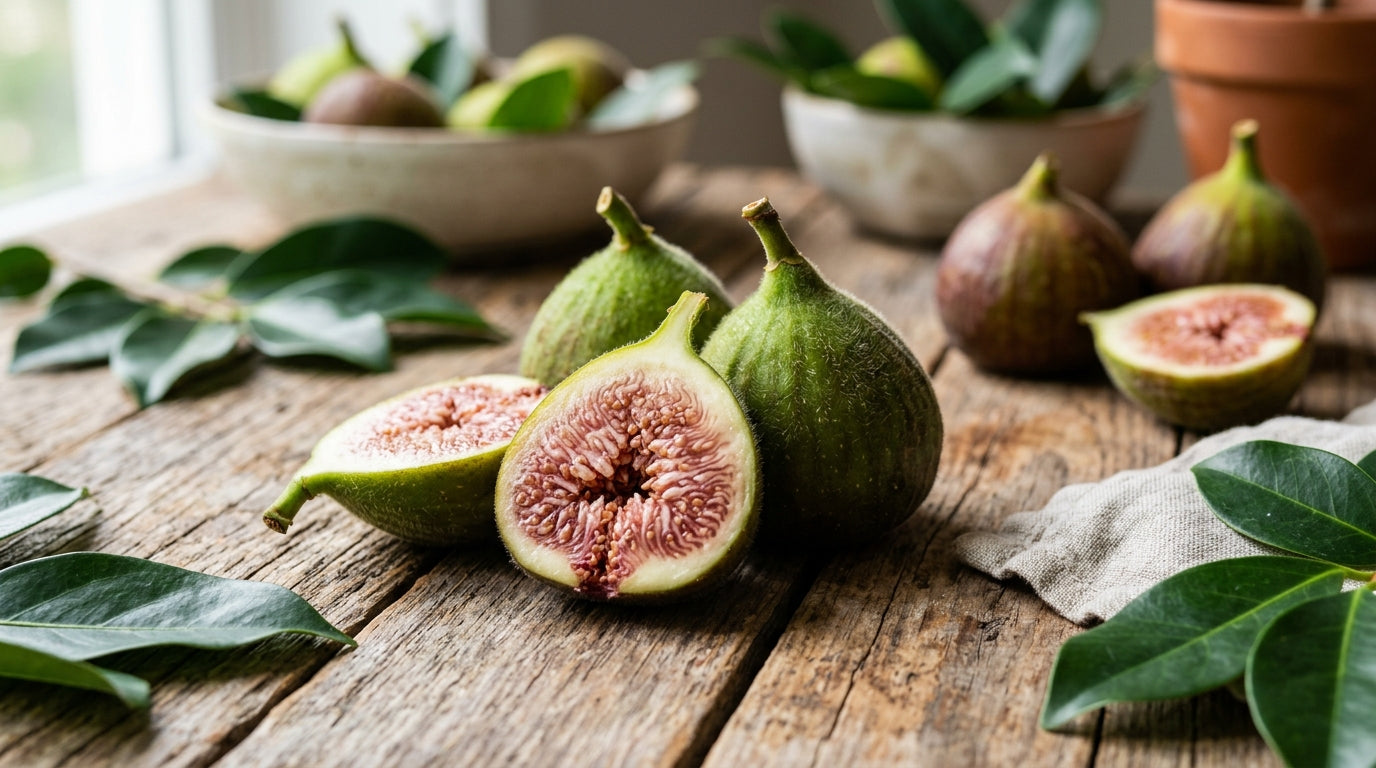
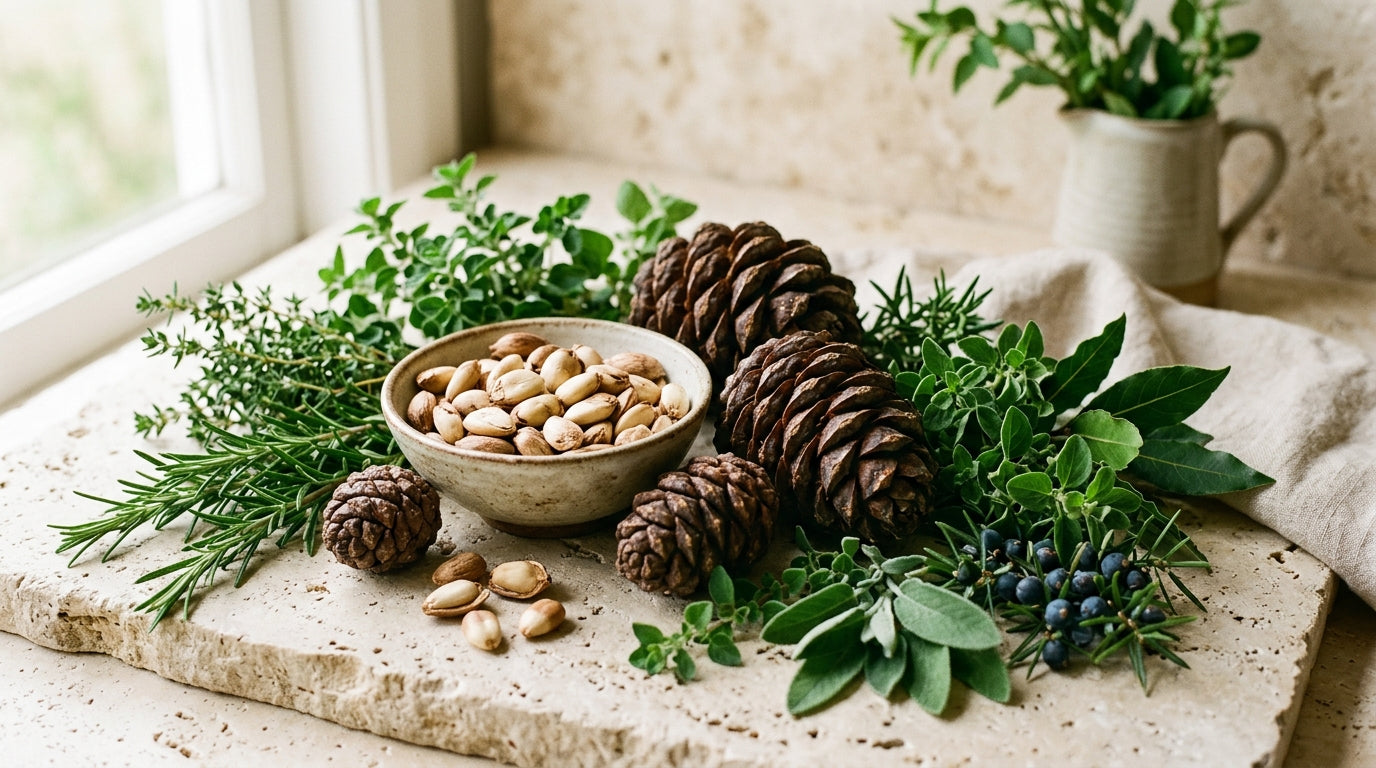
Scientific studies on *Ficus* species generally support the antioxidant benefits due to their phenolic compound content, as well as fiber-linked digestive support. While specific large-scale human clinical trials on Strangler Fig fruit are limited, ethnobotanical literature and indigenous knowledge document its traditional uses for gastrointestinal health. Further research is needed to fully elucidate the specific clinical efficacy and safety of Strangler Fig fruit in human populations.

Origin
Ficus aurea, commonly known as Strangler Fig, is native to Florida, the Caribbean, and parts of Central America. It thrives in tropical and subtropical climates, often beginning its life as an epiphyte on host trees in forests and coastal areas. Its fruit and latex are valued in functional nutrition for their antioxidant properties, dietary fiber, and traditional applications in digestive health.
Potential benefits
- Exhibits potent antioxidant activity due to phenolic compounds, reducing oxidative stress and cellular damage.
- Supports digestive health through dietary fiber, aiding regular bowel movements and optimal gut function.
- Provides essential nutrients like potassium and calcium, contributing to cardiovascular and skeletal health.
- May possess anti-inflammatory properties, consistent with its traditional uses.
- Contributes to overall wellness as a nutrient-rich food source.
How it works
The fruit's potent antioxidant activity stems from phenolic compounds, flavonoids, and other phytochemicals that neutralize free radicals, thereby reducing oxidative stress and cellular damage. Its high dietary fiber content promotes digestive health by adding bulk and aiding regular bowel movements, supporting a balanced gut microbiome. Additional mechanisms relate to its mineral content, which supports various physiological functions like cardiovascular health and bone density.
What the research says
Scientific studies on fig species, including Strangler Fig, support its antioxidant benefits due to phenolic compound content. Nutritional research confirms its fiber-linked digestive support. Ethnobotanical literature and indigenous knowledge further document its traditional uses in gastrointestinal treatments.
Safety and interactions
Specific safety data, potential side effects, and drug interactions for Strangler Fig fruit are not extensively documented in available research. As with many natural products, caution is advised, particularly for individuals with known allergies to figs or latex, as cross-reactivity may occur. Pregnant or breastfeeding women and those on existing medications should consult a healthcare professional before consumption due to the lack of specific safety studies.
Suggested use
- Traditionally consumed fresh in small quantities by indigenous peoples.
- The latex sap has been used to make natural chewing gum and curdle milk for cheese.
- Various parts of the tree have been used in traditional medicine, particularly for gastrointestinal ailments.
- Modern culinary use is limited due to the fruit's small size and mild flavor.
- Recommended dosage involves consuming sparingly as part of a diverse diet, especially in wildcrafted or heritage food settings.
Frequently asked questions
What is the Strangler Fig and where does it grow?
The Strangler Fig (*Ficus aurea*) is a tropical and subtropical rainforest plant native to Florida, the Caribbean, and parts of Central America. It begins life as an epiphyte in a host tree's canopy, eventually developing roots that descend, penetrate the soil, and thicken to surround and potentially outcompete its host.
What are the primary health benefits of Strangler Fig fruit?
Strangler Fig fruit is recognized for its potent antioxidant activity, primarily due to phenolic compounds, which help reduce oxidative stress and cellular damage. It also supports digestive health through its dietary fiber content, aiding in regular bowel movements and optimal gut function.
Which bioactive compounds are found in Strangler Fig fruit?
Strangler Fig fruit contains a range of bioactive compounds, including flavonoids, phenolic acids, alkaloids, saponins, tannins, and triterpenoids. These compounds contribute to its various health-promoting properties, particularly its antioxidant capacity and potential anti-inflammatory effects.
How did the Strangler Fig get its unique name?
The Strangler Fig earned its name from its distinctive growth pattern where it germinates in a host tree's canopy, sends roots down to the soil, and these roots thicken to eventually encase and often outcompete the host tree for resources. This process can leave a hollow structure where the host once stood, giving the impression of strangulation.
Is Strangler Fig fruit traditionally used?
Ethnobotanical literature and indigenous knowledge from its native regions document traditional uses of Strangler Fig, particularly for gastrointestinal health. These traditional practices highlight its long-standing recognition in folk medicine for various ailments, though modern scientific validation is ongoing.
Is Strangler Fig safe during pregnancy and breastfeeding?
While Strangler Fig fruit is nutrient-dense and generally recognized as safe for consumption, pregnant and breastfeeding women should consult a healthcare provider before adding supplements to their routine, as safety data specific to these populations is limited. The fruit itself, consumed as food, is unlikely to pose risks, but concentrated extracts warrant professional evaluation due to its bioactive compound profile.
References
This article is educational and is not medical advice. Statements have not been evaluated by the FDA and are not intended to diagnose, treat, cure, or prevent any disease. Consult a healthcare professional before use.