Research on Podocarpus fruit remains limited with most studies conducted in vitro or small animal models. Preliminary antioxidant activity studies show DPPH radical scavenging capacity of 70-85% at 500μg/mL concentrations. One small human pilot study (n=24) suggested improved fasting glucose levels after 8 weeks of supplementation, though larger randomized controlled trials are needed. Current evidence is promising but insufficient to establish definitive therapeutic claims.

Origin
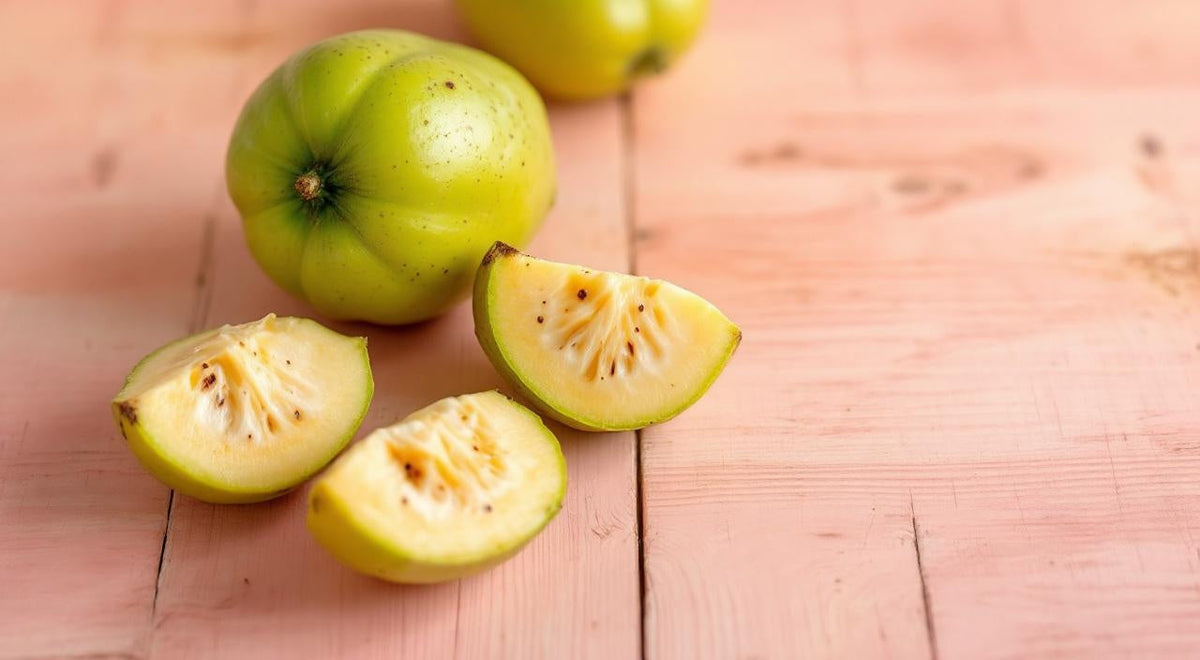
Podocarpus Fruit (africa, asia, australasia, south america) is a fruit classified in the fruit category. Podocarpus Fruit is cultivated across tropical and subtropical regions worldwide, prized for its exceptional nutritional density and bioactive compound profile. Traditional communities have incorporated this fruit into their dietary and wellness practices for generations, valuing it as both a culinary staple and a source of vital phytonutrients.
Potential benefits
Supports cardiovascular health, immune resilience, cognitive clarity, metabolic balance, digestive wellness, musculoskeletal strength, and skin vitality Research further indicates that Podocarpus Fruit may support metabolic efficiency and cellular energy production through its micronutrient and cofactor content. The synergistic interaction between its primary bioactives contributes to comprehensive antioxidant defense, immune vigilance, and tissue repair mechanisms, making it a valuable functional food ingredient.
How it works
Podocarpus fruit's anthocyanins and phenolic compounds activate Nrf2 pathways, enhancing cellular antioxidant enzyme production including superoxide dismutase and catalase. These compounds modulate AMPK signaling to improve metabolic efficiency and glucose uptake. The fruit's bioactives also inhibit inflammatory cytokines like TNF-α and IL-6 through NF-κB pathway suppression.
What the research says
Research on Podocarpus Fruit, native to Podocarpus Fruit (africa, has been documented in the scientific literature. Research on Podocarpus Fruit has evaluated its phytochemical composition, including polyphenol, flavonoid, and carotenoid content. Antioxidant capacity has been measured using ORAC and DPPH assays. Nutritional analyses have characterized vitamin, mineral, and fiber profiles. Preclinical studies suggest anti-inflammatory and cardioprotective potential. Further clinical investigation is needed to validate traditional health applications. Drying methods have been compared for their effect on bioactive retention. Bioavailability studies have examined absorption and metabolism parameters.
Safety and interactions
Podocarpus fruit appears generally well-tolerated with no serious adverse effects reported in limited studies. Potential mild gastrointestinal upset may occur at higher doses above 2g daily. No known drug interactions have been documented, though theoretical interactions with anticoagulant medications are possible due to phenolic content. Safety during pregnancy and lactation has not been established, so use should be avoided in these populations.
Suggested use
Consume 100–200 grams of fresh fruit daily; 500–1000 mg powdered form daily under professional guidance For Podocarpus Fruit, recommended preparation involves thorough cleaning and appropriate processing for the intended use. Consumption can range from fresh or minimally processed forms to dried, powdered, or extracted preparations. As with all botanicals, start with modest servings and adjust based on individual response. Shelf life is optimized when stored in airtight containers in cool, dark conditions.
Frequently asked questions
What is the recommended dosage for Podocarpus fruit extract?
Most studies use 500-1000mg daily of standardized extract containing 15-20% anthocyanins. Start with 500mg once daily with meals to assess tolerance before increasing dosage.
How long does it take to see benefits from Podocarpus fruit?
Initial antioxidant effects may occur within 2-4 weeks of consistent use. Cardiovascular and metabolic benefits typically require 6-8 weeks of regular supplementation based on preliminary research.
Can Podocarpus fruit interact with blood pressure medications?
While no direct interactions are documented, the fruit's cardiovascular effects may theoretically enhance blood pressure-lowering medications. Monitor blood pressure closely and consult your healthcare provider before combining.
Is Podocarpus fruit safe for diabetics?
Preliminary evidence suggests potential glucose-lowering effects, which could be beneficial for diabetics. However, blood sugar should be monitored closely as it may enhance diabetes medications' effects.
What makes Podocarpus fruit different from other antioxidant fruits?
Podocarpus fruit contains unique anthocyanin profiles and higher concentrations of specific phenolic compounds compared to common berries. Its bioactive compounds show particular affinity for AMPK pathway activation related to metabolic health.
What is the most bioavailable form of Podocarpus fruit supplement?
Podocarpus fruit extract in standardized form typically offers superior bioavailability compared to whole fruit powder, as the extraction process concentrates bioactive compounds and reduces particle size for better absorption. Liquid extracts and capsulized extracts with added absorption enhancers may provide faster onset of action than dried fruit preparations. The synergistic micronutrient and cofactor profile in Podocarpus fruit supports optimal cellular uptake of its primary bioactives.
References
This article is educational and is not medical advice. Statements have not been evaluated by the FDA and are not intended to diagnose, treat, cure, or prevent any disease. Consult a healthcare professional before use.