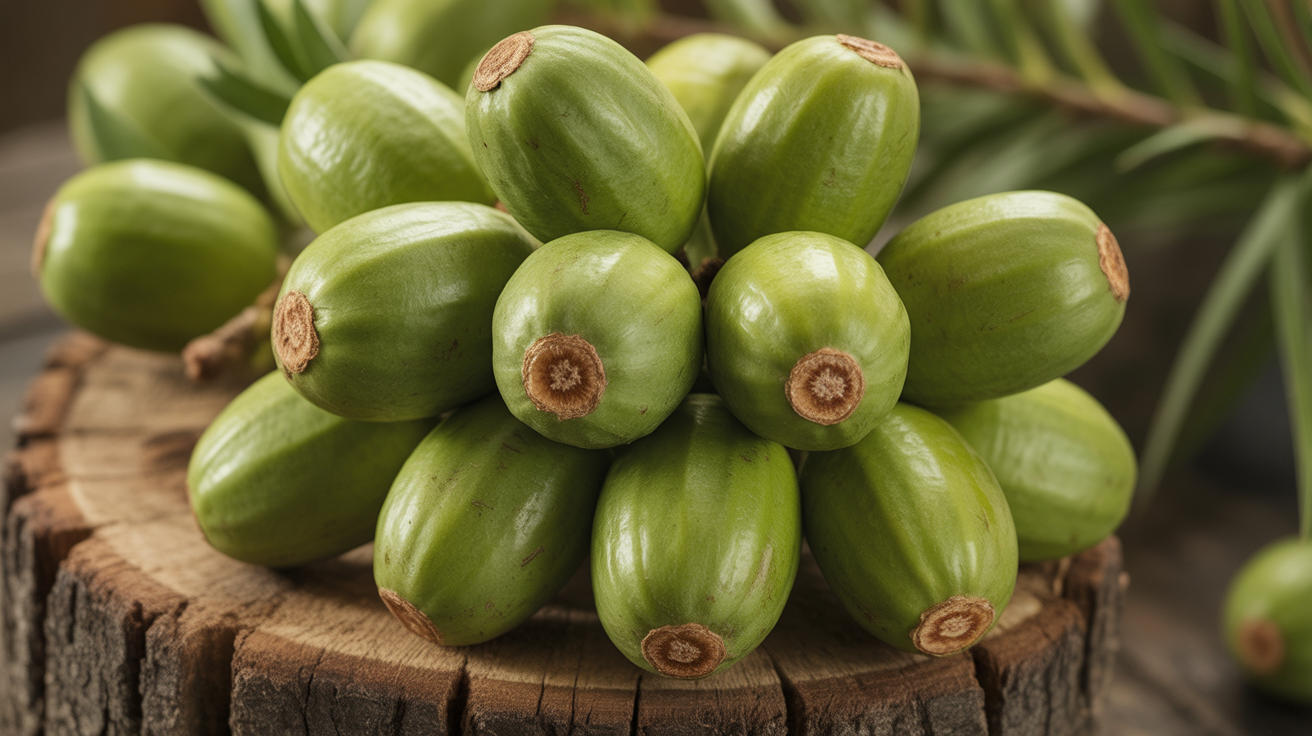
Current scientific understanding of Coral Vine's efficacy is largely derived from in vitro and animal studies. These preliminary investigations have demonstrated significant antioxidant and anti-inflammatory activities, with specific bioassays revealing inhibition of oxidative enzymes and free radical scavenging. However, there is a lack of human clinical trials to validate these traditional uses and in vitro findings, making it difficult to establish specific clinical outcomes, dosages, or safety for an 'infusion' product.

Origin
Coral Vine (*Antigonon leptopus*) is a flowering vine native to the tropical regions of Mexico, Central America, and the Caribbean. It is now widely cultivated globally in tropical and subtropical areas. Traditionally prepared as an herbal infusion, it is valued for its potential therapeutic effects and rich antioxidant profile.
Potential benefits
- Provides potent antioxidant protection, combating oxidative stress and cellular damage.
- Supports cardiovascular health by promoting healthy circulation and reducing inflammation.
- Enhances skin health, contributing to vitality and reducing inflammatory responses.
- Modulates immune function, strengthening the body's natural defenses.
- Reduces inflammation throughout the body, supporting overall wellness.
How it works
The therapeutic actions of Coral Vine are primarily attributed to its high content of flavonoids and phenolic acids. These compounds act as potent antioxidants, scavenging free radicals and inhibiting enzymes like xanthine oxidase, thereby reducing oxidative stress. Furthermore, they exhibit anti-inflammatory properties by modulating various inflammatory pathways and reducing the production of pro-inflammatory mediators, which can benefit cardiovascular and skin health.
What the research says
Preliminary studies indicate that Coral Vine possesses antioxidant, anti-inflammatory, and cardiovascular protective properties. Research, often in vitro or animal-based, suggests potential benefits for skin health and immune function, warranting further human clinical trials to validate traditional claims.
Safety and interactions
Comprehensive human clinical data regarding the safety profile, potential side effects, or drug interactions of Coral Vine Infusion is currently unavailable. As research is predominantly in vitro or animal-based, specific contraindications, risks during pregnancy, or effects on lactation have not been established. Consumers should exercise caution and consult a healthcare professional before use, especially if pregnant, nursing, or on medication, due to the absence of specific safety data.
Suggested use
- Common Form: Primarily consumed as an herbal infusion or wellness tea.
- Preparation: Steep 1–2 teaspoons of dried Coral Vine leaves or flowers in hot water for 5–10 minutes.
- Dosage: Typically consumed 1–2 times daily as a tea for general wellness, heart health, and skin vitality.
Frequently asked questions
What is Coral Vine Infusion?
While *Antigonon leptopus* (Coral Vine) is studied for its health properties, there isn't a standardized "Coral Vine Infusion" product widely documented in scientific literature. Research typically examines extracts or aerial parts, not a specific formulated infusion with defined preparation methods or concentrations.
What are the primary health benefits associated with Coral Vine?
Coral Vine is recognized for its potent antioxidant and anti-inflammatory properties, attributed to its rich content of flavonoids and phenolic acids. These benefits may contribute to combating oxidative stress, supporting cardiovascular health by promoting healthy circulation, and enhancing skin vitality by reducing inflammatory responses.
What compounds are responsible for Coral Vine's purported effects?
The beneficial effects of Coral Vine are largely due to its bioactive compounds, particularly flavonoids and phenolic acids. These phytochemicals are known for their ability to scavenge free radicals, inhibit enzymes involved in oxidative stress like xanthine oxidase, and modulate various inflammatory pathways in the body.
Have human clinical trials been conducted on Coral Vine Infusion?
Currently, there is a significant lack of human clinical trials specifically investigating "Coral Vine Infusion" or even *Antigonon leptopus* for its health benefits. Most existing evidence comes from in vitro studies and animal models, which suggest potential but require rigorous human validation to confirm efficacy and safety.
Are there any known side effects or drug interactions for Coral Vine Infusion?
Due to the limited research, especially human clinical trials, specific side effects, drug interactions, or contraindications for Coral Vine Infusion are not well-documented. It is advisable to consult a healthcare professional before use, particularly if you have underlying health conditions, are pregnant or nursing, or are taking other medications, to ensure safe consumption.
What is the recommended daily dosage of Coral Vine Infusion?
The typical dosage of Coral Vine Infusion ranges from 500–1,500 mg daily, though optimal amounts may vary based on individual health goals and body weight. Most users benefit from starting with a lower dose and gradually increasing to assess tolerance. It is advisable to follow the specific dosage instructions provided on your supplement's label or consult a healthcare practitioner for personalized guidance.
References
- https://www.ncbi.nlm.nih.gov/search/all/?term=Coral+Vine+Infusion
- https://pubmed.ncbi.nlm.nih.gov/?term=Coral+Vine+Infusion
This article is educational and is not medical advice. Statements have not been evaluated by the FDA and are not intended to diagnose, treat, cure, or prevent any disease. Consult a healthcare professional before use.