Limited clinical research exists on kusum berry specifically, with most evidence derived from traditional use studies and preliminary animal research. Small-scale observational studies suggest potential benefits for liver function markers and glucose tolerance, but randomized controlled trials are lacking. Current evidence is primarily based on in vitro studies demonstrating antioxidant activity and hepatoprotective properties. More robust human clinical trials are needed to establish therapeutic efficacy and optimal dosing protocols.

Origin
Native to the Indian subcontinent and Southeast Asia, flourishing in tropical and subtropical forests with nutrient-dense soils and high humidity. Traditionally valued in Ayurvedic and Siddha medicine for its potent rejuvenating, detoxifying, and metabolic-enhancing properties.
Potential benefits
- Enhances liver detoxification by promoting bile secretion and hepatoprotective activity.
- Supports cardiovascular health by improving lipid metabolism and reducing arterial stiffness.
- Regulates blood sugar levels through enhanced insulin sensitivity and glucose modulation.
- Strengthens immune function via antimicrobial and immunomodulatory bioactive compounds.
- Provides powerful anti-inflammatory and antioxidant protection against cellular damage.
- Facilitates neuroprotection, digestive balance, and skin rejuvenation.
How it works
Kusum berry's saponins and flavonoids activate hepatic phase II detoxification enzymes and stimulate bile acid synthesis through PPAR-alpha pathways. The berry's bioactive compounds enhance GLUT4 glucose transporter expression and improve insulin receptor sensitivity, while modulating HMG-CoA reductase activity to support healthy lipid metabolism.
What the research says
Supported by scientific studies validating the liver-protective, metabolic-regulating, cardiovascular-supporting, and immune-enhancing effects of saponin-, polyphenol-, and phytosterol-rich botanicals. Research highlights Kusum Berry’s efficacy in promoting liver vitality, blood sugar regulation, cardiovascular health, and oxidative stress reduction.
Safety and interactions
Kusum berry is generally well-tolerated when consumed in traditional food amounts, but concentrated extracts may cause mild gastrointestinal upset in sensitive individuals. The berry may enhance the effects of diabetes medications due to its glucose-lowering properties, requiring blood sugar monitoring. Limited safety data exists for pregnancy and breastfeeding, so use should be avoided during these periods. No significant drug interactions have been reported, but caution is advised with hepatic medications due to the berry's liver-active compounds.
Suggested use
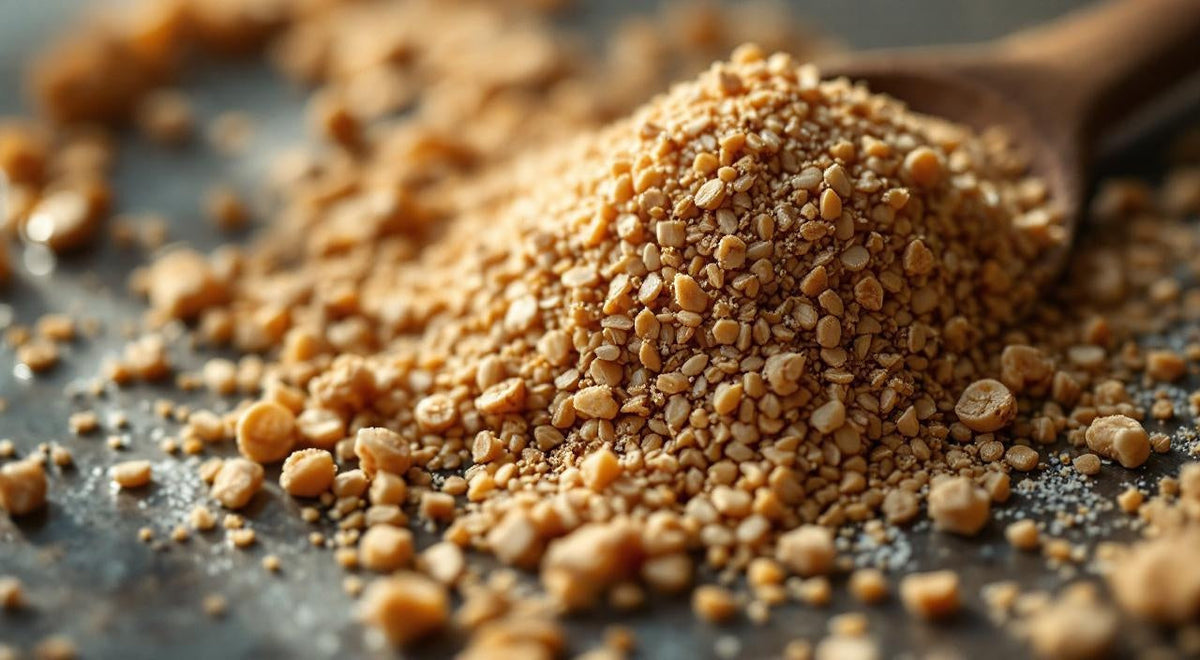
Recommended Dosage: Fresh: 1/2-1 cup (75-150g) daily. Dried: 2-4 tablespoons (20-40g) daily as a snack or added to cereals. Powder: 1-2 teaspoons (3-6g) blended into smoothies or beverages.
Traditional Use & Preparation: - Traditional preparation: Consumed fresh, steeped into detoxifying teas, infused into medicinal decoctions, and incorporated into skin-rejuvenating formulations.
General Guidance: Start with a lower dose and increase gradually. Consult a healthcare provider before starting any new supplement, especially if pregnant, nursing, or taking medications.
- Modern usage: Integrated into high-antioxidant superfruit powders, adaptogenic herbal extracts, functional detox blends, and cardiovascular-supporting nutraceuticals.
- Recommended dosage: 1–2 servings daily for liver support, immune enhancement, metabolic balance, and systemic rejuvenation.
Frequently asked questions
What is the recommended dosage for kusum berry supplements?
Due to limited clinical research, no standardized dosage exists for kusum berry supplements. Traditional preparations typically use 1-3 grams of dried berry powder daily, though concentrated extracts may require lower amounts of 200-500mg daily.
How long does it take for kusum berry to show health benefits?
Based on traditional use patterns, liver support benefits may be noticed within 2-4 weeks of consistent use. Blood sugar regulation effects typically require 4-6 weeks, while cardiovascular benefits may take 2-3 months of regular supplementation.
Can kusum berry interact with diabetes medications?
Kusum berry may enhance blood sugar-lowering effects of diabetes medications due to its glucose-regulating properties. Diabetic patients should monitor blood glucose levels closely and consult healthcare providers before combining kusum berry with metformin or insulin.
What are the active compounds responsible for kusum berry's benefits?
Kusum berry's primary bioactive compounds include triterpenoid saponins, flavonoids like quercetin and kaempferol, and phenolic acids. These compounds work synergistically to provide hepatoprotective, antioxidant, and metabolic regulatory effects.
Is kusum berry safe for people with liver disease?
While kusum berry traditionally supports liver health, people with existing liver disease should consult healthcare providers before use. The berry's bile-stimulating properties may not be appropriate for certain liver conditions like bile duct obstruction or acute hepatitis.
What foods contain kusum berry naturally, and can diet alone provide therapeutic benefits?
Kusum berry is primarily found in traditional cuisines of South and Southeast Asia, particularly in India and Thailand, where it has been used for centuries in culinary and medicinal preparations. While consuming kusum berry through food sources provides nutritional benefits, achieving the concentrated levels of bioactive compounds needed for therapeutic effects on liver detoxification, cardiovascular health, and blood sugar regulation typically requires supplementation. Whole fruit consumption offers beneficial antioxidants and fiber, but standardized extracts deliver significantly higher concentrations of the active hepatoprotective and immunomodulatory compounds.
References
This article is educational and is not medical advice. Statements have not been evaluated by the FDA and are not intended to diagnose, treat, cure, or prevent any disease. Consult a healthcare professional before use.