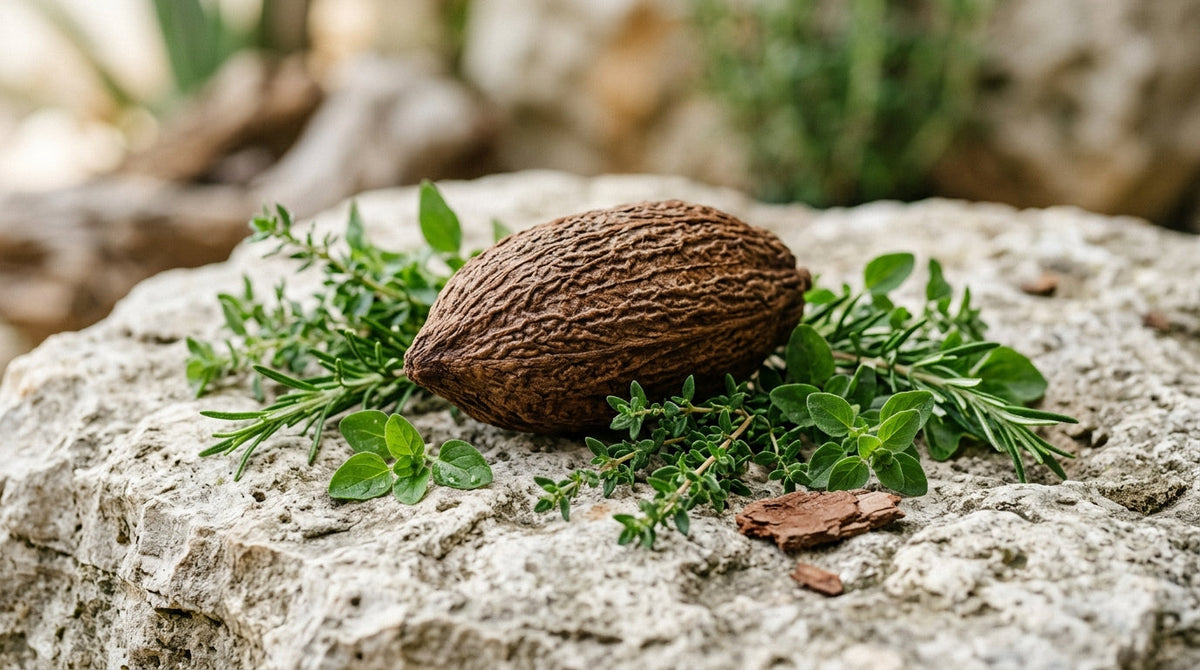
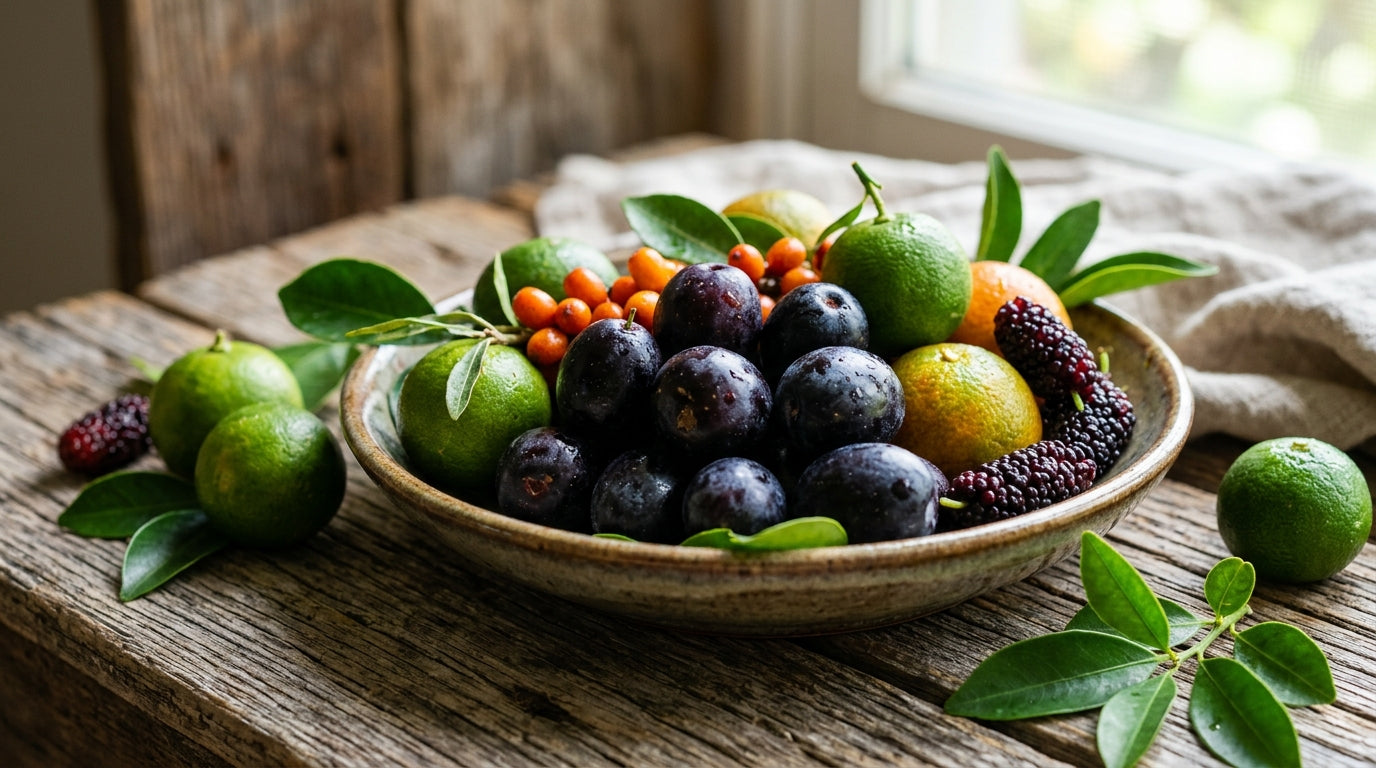
Myrobalan fruit from Terminalia species contains chebulagic acid and chebulanin, which provide antioxidant and anti-inflammatory effects by neutralizing free radicals and modulating cellular pathways. These compounds demonstrate hepatoprotective activity by regulating metabolic proteins and inhibiting hepatocyte apoptosis.

Origin
Myrobalan Fruit (Terminalia chebula), also known as Haritaki, is native to South and Southeast Asia, including India, Nepal, China, and Sri Lanka. This revered fruit is a cornerstone of traditional medicine systems, valued for its profound adaptogenic and rejuvenating properties in functional nutrition.
Potential benefits
- Supports digestive health by acting as a natural laxative, improving enzyme secretion, and enhancing bowel regularity.
- Promotes liver detoxification by enhancing bile secretion and protecting liver cells from oxidative stress.
- Strengthens immune resilience through chebulinic and chebulagic acids, tannins, and flavonoids that neutralize oxidative stress.
- Aids respiratory support by clearing mucus and easing symptoms of asthma and bronchitis.
- Modulates cardiovascular health and metabolic balance by lowering cholesterol and regulating blood pressure.
- Enhances adaptogenic stress resilience and cognitive function by supporting adrenal function and mental clarity.
How it works
Chebulagic acid and chebulanin work through multiple cellular pathways, neutralizing free radicals while regulating metabolic proteins that protect hepatocytes from apoptosis. The phenolic compounds activate endogenous antioxidant defense systems and modulate immune pathways. In cancer research, these compounds upregulate p53 tumor suppressor protein and enhance caspase activation in both extrinsic and intrinsic apoptotic pathways.
What the research says
Current evidence is limited to laboratory and in vitro studies using cell models, with no published human clinical trials providing quantified therapeutic outcomes. Laboratory studies show antibacterial activity against uropathogenic E. coli and cytotoxic effects against human breast cancer and liver cancer cell lines. Research demonstrates synergistic effects when combined with conventional treatments like doxorubicin through NF-κB pathway inhibition. Comprehensive clinical trials with human subjects are needed to validate therapeutic efficacy and establish dosing protocols.
Safety and interactions
Comprehensive safety data, adverse effects profiles, and drug interaction studies are not available in current literature. No specific contraindications, pregnancy safety data, or dosage guidelines have been established through clinical research. Researchers explicitly note that toxicity studies, standardization protocols, and clinical safety investigations are needed before global therapeutic use can be recommended. Patients should consult healthcare providers before use, especially when taking conventional medications or during pregnancy.
Suggested use
- Traditionally, it is a core herb in Ayurveda, known as "the King of Medicines" and a primary ingredient in Triphala, revered for promoting longevity and body-mind balance.
- Used across Ayurvedic, Tibetan, and Traditional Chinese Medicine for digestion, detoxification, respiratory, and emotional health.
- Modernly incorporated into detox teas, digestive supplements, immune-boosting formulas, liver cleanses, cognitive support blends, and longevity tonics.
- Recommended dosage: 500–1000 mg of standardized extract daily or 1–2 grams of powdered fruit.
Frequently asked questions
What are the main active compounds in myrobalan fruit?
The primary bioactive compounds are chebulagic acid and chebulanin, along with phenolic compounds, flavonoids, and carotenoids. These compounds provide the fruit's antioxidant, anti-inflammatory, and hepatoprotective properties.
Has myrobalan fruit been tested in human clinical trials?
No human clinical trials with quantified outcomes have been published. All current evidence comes from laboratory studies and in vitro cell models, indicating more clinical research is needed.
What is the difference between myrobalan fruit and Triphala?
Myrobalan fruit refers to individual Terminalia species fruits, while Triphala is an Ayurvedic formulation combining three myrobalan fruits: Terminalia chebula, Terminalia bellirica, and Phyllanthus emblica. Triphala shows synergistic effects when the three fruits are combined.
Is myrobalan fruit safe to take with medications?
Safety data and drug interaction profiles are not established through clinical research. Current literature lacks comprehensive toxicity studies and contraindication guidelines, making it essential to consult healthcare providers before combining with medications.
What conditions has myrobalan fruit been studied for?
Laboratory studies have investigated its effects on liver protection, cancer cell lines, urinary tract infections, and immune system modulation. However, these are preliminary in vitro studies rather than human therapeutic applications.
What is the best form of myrobalan fruit supplement—powder, extract, or whole fruit?
Standardized extracts typically offer higher bioavailability and more consistent potency of active compounds like chebulinic acid compared to raw powder. Whole dried fruit provides additional fiber benefits for digestive support but may have variable concentrations of tannins and polyphenols depending on harvest and storage conditions. Many practitioners recommend standardized extracts for targeted therapeutic effects, while whole fruit forms are preferred if maximizing digestive bulking is the primary goal.
Who should avoid myrobalan fruit, and are there specific populations at higher risk for side effects?
Individuals with chronic diarrhea, irritable bowel syndrome with diarrhea-predominant symptoms, or severe dehydration should avoid myrobalan fruit due to its potent laxative properties. Those with kidney disease or electrolyte imbalances may experience complications from excessive bowel movements and fluid loss. Pregnant women should consult a healthcare provider before use, as the strong purgative action and tannin content could potentially affect pregnancy.
How does myrobalan fruit dosage vary depending on whether it is used for digestive support versus immune or liver support?
For digestive support and regularity, typical doses range from 500–1,500 mg of standardized extract or 1–2 grams of whole fruit powder taken once daily, often in the evening. For immune and antioxidant benefits, lower maintenance doses of 250–500 mg daily may be sufficient to deliver therapeutic levels of tannins and flavonoids without laxative effects. Liver detoxification protocols sometimes use higher concentrations, but prolonged use at maximum doses increases the risk of electrolyte depletion and should be monitored by a practitioner.
References
- https://www.ncbi.nlm.nih.gov/search/all/?term=Myrobalan+Fruit
- https://fdc.nal.usda.gov/fdc-app.html#/search?query=Myrobalan+Fruit
- https://www.sciencedirect.com/science/article/pii/S0963996918301586
- https://www.ncbi.nlm.nih.gov/pmc/articles/PMC7160032/
This article is educational and is not medical advice. Statements have not been evaluated by the FDA and are not intended to diagnose, treat, cure, or prevent any disease. Consult a healthcare professional before use.