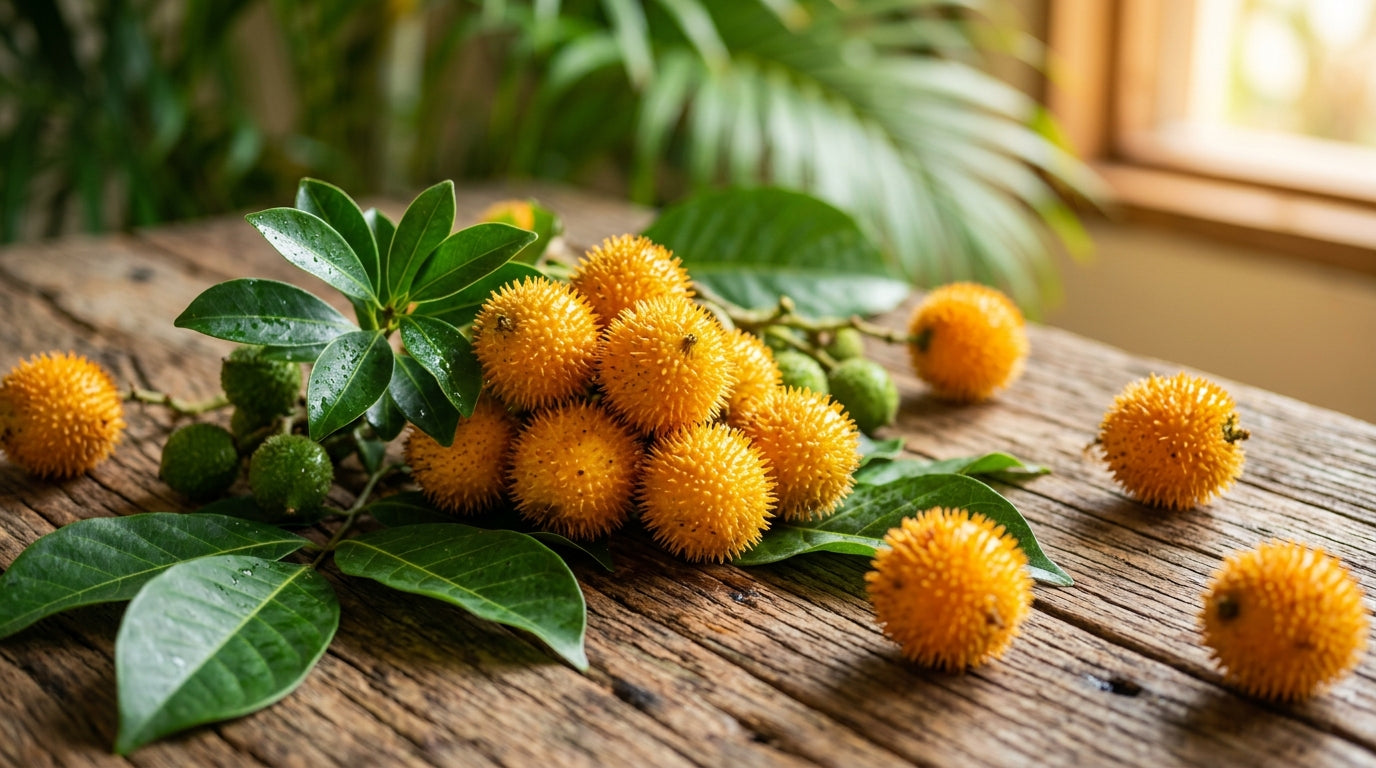
Arctic cranberry (Vaccinium oxycoccos and related Vaccinium spp.) is exceptionally rich in A-type proanthocyanidins (PACs), anthocyanins, quercetin, and vitamin C that inhibit uropathogenic E. coli adhesion to uroepithelial cells, scavenge reactive oxygen species, and modulate gut microbiota (Saraiva et al., 2025; PMID 40290034). Scerbak et al. (2018; PMID 29717416) demonstrated that lowbush cranberry extract extended C. elegans lifespan by up to 25% via DAF-16/FOXO signaling, while Esposito et al. (2019; PMID 31611784) showed Alaskan berry extracts promote dermal wound repair through integrin signaling and bioenergetic modulation.

Origin
Arctic Cranberry (Vaccinium vitis-idaea), also known as Lingonberry, is a resilient shrub native to the cold northern regions of Europe, North America, and Asia. Thriving in boreal forests and tundra ecosystems, it produces small, tart red berries. This superberry is highly valued for its medicinal and culinary properties, offering significant antioxidant and immune-supporting benefits.
Potential benefits
- Combats oxidative stress and inflammation through high levels of anthocyanins and flavonoids.
- Supports urinary tract health by preventing bacterial adhesion with proanthocyanidins.
- Enhances immune function and protects against infections due to its rich vitamin C content.
- Supports metabolic balance and blood sugar regulation via its dietary fiber content.
- Promotes skin elasticity and collagen synthesis, reducing free radical damage with antioxidants and vitamin C.
How it works
A-type proanthocyanidins (PACs), structurally unique to cranberry species due to their A-type interflavan bond at C2→O→C7, bind specifically to P-fimbriae and type 1 fimbriae on uropathogenic Escherichia coli, physically blocking bacterial adhesion to mannose and α-D-galactopyranosyl-(1→4)-β-D-galactopyranoside receptors on uroepithelial cell surfaces (PMID 40290034). Cranberry anthocyanins (cyanidin-3-galactoside, peonidin-3-arabinoside) and quercetin glycosides neutralize reactive oxygen species by donating hydrogen atoms to superoxide and hydroxyl radicals, while simultaneously inhibiting NF-κB-mediated pro-inflammatory cytokine expression (PMID 18211023). At the longevity level, bioactive compounds in lowbush cranberry activate the DAF-16/FOXO transcription factor, upregulating stress-response genes including superoxide dismutase (sod-3) and catalase (ctl-1), which collectively extend organismal lifespan and promote neuronal maintenance (PMID 29717416). Additionally, cranberry polyphenols modulate integrin signaling cascades (FAK/Src) and mitochondrial bioenergetics to accelerate dermal wound repair and tissue regeneration (PMID 31611784).
What the research says
Current evidence is primarily from preclinical and in vitro studies, with limited human clinical trial data available. Laboratory studies demonstrate antioxidant activity with IC50 values of 61.1 µg/ml for superoxide scavenging and 54.7 µg/ml for nitric oxide scavenging. Animal studies show significant anti-inflammatory effects over 10 weeks, including 63% reduction in hepatic TLR4 and 24% decrease in NF-κB expression. Quantified human clinical outcomes for urinary tract infection prevention and other therapeutic applications require further investigation through controlled trials.
Safety and interactions
Arctic cranberry products are generally recognized as safe at typical dietary intakes (1–2 servings daily or 300–500 mL juice), though concentrated cranberry extracts containing high levels of oxalate may increase the risk of kidney stone formation in susceptible individuals. Cranberry can potentiate the anticoagulant effects of warfarin by inhibiting CYP2C9-mediated metabolism, potentially increasing INR values; patients on warfarin or other coumarin anticoagulants should consult their healthcare provider before consuming high-dose cranberry supplements. Individuals allergic to Vaccinium species or salicylates should exercise caution, as cranberry contains naturally occurring salicylic acid. Mild gastrointestinal side effects such as diarrhea or stomach upset have been reported at doses exceeding 1,000 mg of concentrated extract daily.
Suggested use
- Traditionally consumed fresh, as jams, sauces, and preserves in Nordic and indigenous cuisine.
- Modern forms include supplements, juices, smoothies, and skincare products.
- Recommended dosage: 1/4–1/2 cup of fresh or frozen berries, or 500–1000 mg of extract.
- Traditionally used for urinary tract infections, digestive balance, and immune support.
Frequently asked questions
How much arctic cranberry extract should I take daily for urinary tract health?
The commonly recommended dosage for arctic cranberry extract is 500–1000 mg per day, or roughly 1/4 to 1/2 cup of fresh or frozen berries. This range is considered sufficient to deliver meaningful levels of A-type proanthocyanidins (PACs), the key compounds that block uropathogenic E. coli adhesion to bladder wall cells. Standardised PAC content (ideally 36 mg PACs per dose) is a useful quality marker when choosing a supplement. Always consult a healthcare provider for personalised guidance, especially if UTIs are recurrent.
Does arctic cranberry help with blood sugar regulation?
Arctic cranberry contains dietary fibre and polyphenols that may support metabolic balance and blood sugar regulation. Fibre slows glucose absorption in the gut, blunting post-meal blood sugar spikes. Quercetin and anthocyanins found in arctic cranberry have also been shown in preclinical studies to modulate glucose metabolism pathways. While direct clinical trials on arctic cranberry and glycaemic control are limited, its polyphenol-rich profile makes it a promising complementary dietary addition for those focused on metabolic health.
Can arctic cranberry improve skin health and collagen production?
Yes, arctic cranberry shows meaningful potential for skin health. Esposito et al. (2019; PMID 31611784) found that Alaskan berry extracts promote dermal wound repair through integrin signalling and bioenergetic modulation. Arctic cranberry's high vitamin C content directly supports collagen synthesis, while its anthocyanins and quercetin neutralise reactive oxygen species that break down skin elasticity. Together, these mechanisms may reduce visible signs of ageing, support wound healing, and protect the dermal matrix from free radical damage.
Is arctic cranberry safe to take with antibiotics for a UTI?
Arctic cranberry is generally considered safe alongside antibiotic therapy and may even be complementary — its A-type proanthocyanidins prevent bacterial adhesion, which can support antibiotic effectiveness by keeping bacteria from establishing biofilms. However, some polyphenols can influence drug-metabolising enzymes (e.g., CYP450), potentially altering antibiotic plasma levels. The evidence specifically for cranberry-antibiotic interactions is limited. It is advisable to consult your healthcare provider or pharmacist before combining arctic cranberry supplements with antibiotics to ensure compatibility and appropriate dosing.
What are the side effects of taking arctic cranberry supplements?
Arctic cranberry is well-tolerated for most people when consumed in food or supplement quantities. At higher doses, the most commonly reported side effects include gastrointestinal discomfort such as bloating, diarrhoea, or stomach upset due to its high polyphenol and fibre content. Its acidity may also aggravate acid reflux in sensitive individuals. People on blood-thinning medications like warfarin should use caution, as cranberry compounds may influence anticoagulant activity. Those with a history of oxalate kidney stones should also limit high-dose supplementation due to oxalic acid content.
Does arctic cranberry support gut microbiome health?
Yes. A 2025 narrative review by Saraiva et al. (PMID 40290034) confirmed that cranberry proanthocyanidins and polyphenols favourably modulate gut microbiota composition. Arctic cranberry polyphenols act as prebiotics, selectively promoting beneficial bacteria such as Lactobacillus and Bifidobacterium species while reducing populations of pathogenic bacteria. This gut microbiota modulation may also contribute indirectly to urinary tract health, as a healthier gut microbiome reduces the reservoir of uropathogenic E. coli available to colonise the urinary tract.
How does arctic cranberry compare to cranberry juice for UTI prevention?
Arctic cranberry supplements, particularly standardised extracts, deliver concentrated A-type proanthocyanidins (PACs) without the high sugar content found in most commercial cranberry juices. Many cranberry juices are diluted or sweetened, significantly reducing their active PAC content. Standardised arctic cranberry extract at 500–1000 mg provides a more reliable therapeutic dose for preventing uropathogenic E. coli adhesion compared to drinking large volumes of juice. For UTI prevention specifically, a PAC-standardised supplement is generally considered more effective and lower in calories than juice.
Can arctic cranberry support brain or neurological health?
Emerging preclinical evidence suggests arctic cranberry may support neurological health. Scerbak et al. (2018; PMID 29717416) found that lowbush cranberry extract not only extended lifespan in C. elegans by up to 25% via DAF-16/FOXO signalling, but also promoted axon branching in posterior touch receptor neurons — an indicator of neuronal plasticity. Quercetin and anthocyanins in arctic cranberry also cross the blood-brain barrier and have demonstrated antioxidant and anti-inflammatory effects in neural tissue in preclinical models. Human trials specifically on arctic cranberry and cognition remain limited.
What are the main health benefits of arctic cranberry?
Arctic cranberry benefits include urinary tract infection prevention through A-type proanthocyanidins that block E. coli adhesion (PMID 40290034), potent antioxidant protection from anthocyanins and quercetin (PMID 18211023), and longevity promotion via DAF-16/FOXO signaling as demonstrated in C. elegans models where lifespan was extended by up to 25% (PMID 29717416). Additional benefits include wound healing support, immune enhancement from vitamin C, and metabolic regulation through dietary fiber.
How does arctic cranberry prevent urinary tract infections?
Arctic cranberry contains A-type proanthocyanidins (PACs) that bind to P-fimbriae and type 1 fimbriae on uropathogenic E. coli, physically preventing the bacteria from adhering to uroepithelial cell receptors. Saraiva et al. (2025, PMID 40290034) confirmed that these cranberry polyphenols also favorably modulate gut microbiota, creating a synergistic anti-infective effect alongside direct anti-adhesion mechanisms.
References
- https://www.ncbi.nlm.nih.gov/search/all/?term=Arctic+Cranberry
- https://fdc.nal.usda.gov/fdc-app.html#/search?query=Arctic+Cranberry
- https://doi.org/10.1002/j.2042-7158.2012.00318.x
- https://www.ncbi.nlm.nih.gov/pmc/articles/PMC3654239/
This article is educational and is not medical advice. Statements have not been evaluated by the FDA and are not intended to diagnose, treat, cure, or prevent any disease. Consult a healthcare professional before use.