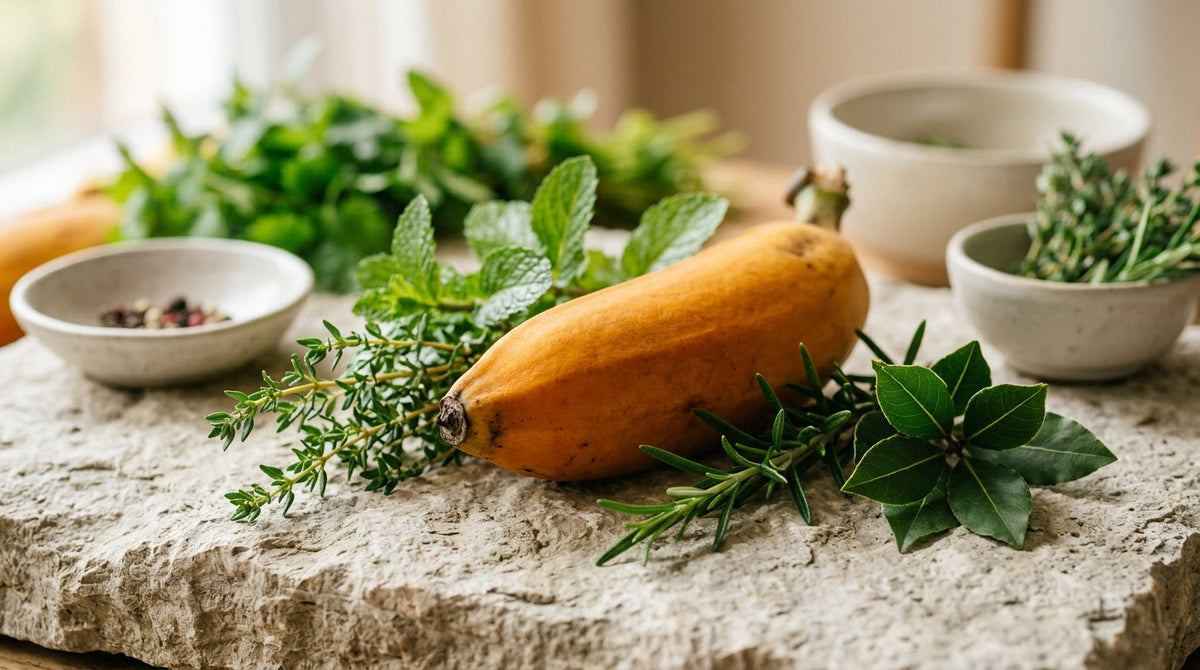
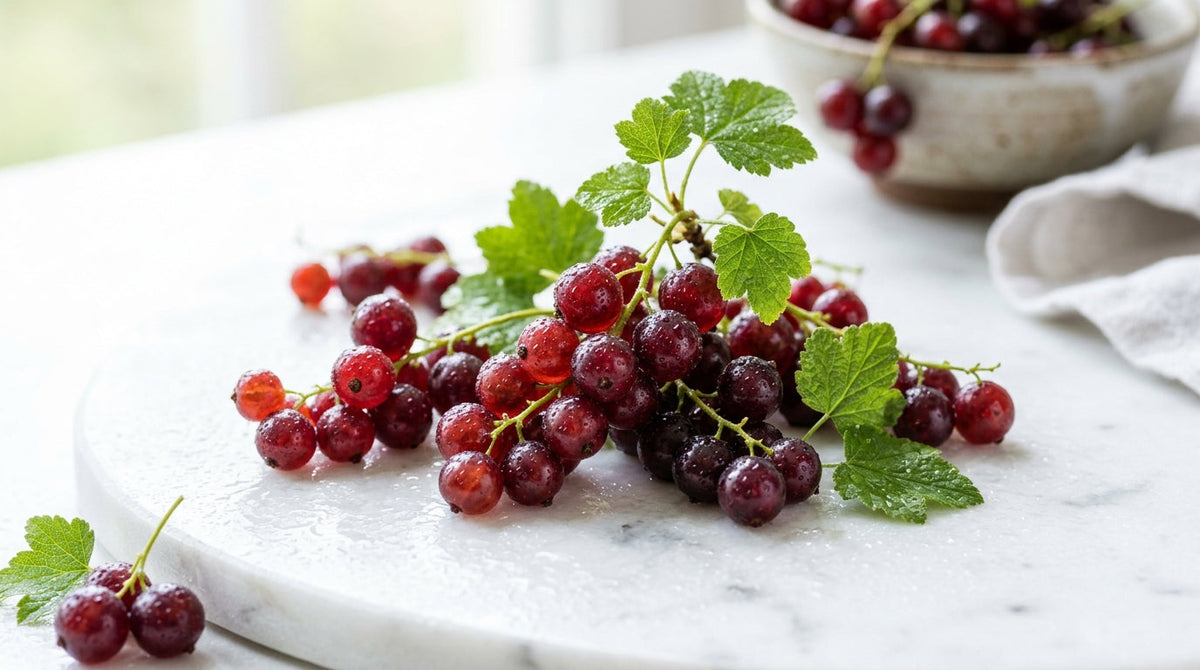
While traditional use and antioxidant profiling suggest benefits for Mora Berry (Rubus glaucus), comprehensive human clinical trials specifically on its cardiovascular, cognitive, or other health outcomes are limited in accessible literature. Existing research primarily highlights its potent antioxidant capacity through in vitro and preliminary animal studies, attributing effects to compounds like anthocyanins and Vitamin C. Further well-controlled human studies are needed to establish specific dosages, efficacy, and long-term effects.

Origin
Mora Berry (Rubus glaucus), also known as Andean Blackberry, is indigenous to the high-altitude regions of the Andes, spanning Colombia, Ecuador, Panama, Guatemala, Honduras, Mexico, and El Salvador. It thrives in tropical highland climates with well-drained soils, offering a rich source of antioxidants and functional nutrients.
Potential benefits
- Reduces oxidative stress and cellular damage through potent antioxidant compounds like anthocyanins and Vitamin C.
- Supports cardiovascular health by improving endothelial function and contributing to blood pressure regulation.
- Enhances cognitive function and may offer neuroprotective effects against age-related decline.
- Promotes digestive health and regularity due to its significant dietary fiber content.
- Aids in maintaining healthy blood sugar levels by moderating glucose absorption.
How it works
Mora Berry's primary mechanism involves its high content of anthocyanins and Vitamin C, which scavenge free radicals, thereby reducing oxidative stress and inflammation at a cellular level. These antioxidants are thought to contribute to improved endothelial function by protecting blood vessel integrity and may modulate pathways involved in neuronal health, potentially offering neuroprotective benefits.
What the research says
Research on Mora Berry (Rubus glaucus) highlights its potent antioxidant capacity, primarily due to anthocyanins and Vitamin C, which contribute to its cardiovascular and neuroprotective effects. Studies also support its role in digestive health through its dietary fiber content.
Safety and interactions
As a fruit, Mora Berry (Rubus glaucus) is generally considered safe for consumption as part of a balanced diet. However, specific clinical data regarding its side effects, drug interactions, or contraindications, especially in concentrated supplement forms, are largely undocumented. Due to the lack of specific safety studies, pregnant or breastfeeding individuals, and those with underlying medical conditions or taking medications, should consult a healthcare professional before consuming large quantities or supplements. Allergic reactions, typical of fruit consumption, are possible but not specifically documented for Mora Berry.
Suggested use
- Common Forms: Fresh fruit, juices, jams, desserts, health supplements, functional foods.
- Traditional Use: Consumed fresh or processed; used in folk medicine for digestive issues and inflammation.
- Modern Use: Incorporated into supplements and functional foods for antioxidant and cardiovascular benefits.
- Dosage: Regular consumption as part of a balanced diet is recommended.
Frequently asked questions
What are the primary health benefits of Mora Berry?
Mora Berry is recognized for its potent antioxidant properties, primarily due to anthocyanins and Vitamin C, which help reduce oxidative stress. This action supports cardiovascular health by improving endothelial function and may also offer benefits for cognitive function and neuroprotection.
What active compounds are found in Mora Berry?
The main active compounds in Mora Berry include powerful antioxidants such as anthocyanins, which give the berry its deep color, and a significant amount of Vitamin C. These compounds are largely responsible for the berry's health-promoting effects, particularly its antioxidant and anti-inflammatory potential.
Is there scientific research supporting Mora Berry's benefits?
Research on Mora Berry (Rubus glaucus) highlights its high antioxidant capacity from anthocyanins and Vitamin C, suggesting roles in cardiovascular and neuroprotective effects. While in vitro and preliminary studies support these properties, comprehensive human clinical trials specifically on Mora Berry are limited, warranting further investigation into its precise health benefits and mechanisms.
How does Mora Berry contribute to cardiovascular health?
Mora Berry supports cardiovascular health through its rich antioxidant content, particularly anthocyanins, which help protect blood vessels from oxidative damage. This protection can improve endothelial function, contributing to better blood flow and potentially aiding in blood pressure regulation. Its fiber content also supports overall heart health.
Are there any known side effects or drug interactions with Mora Berry?
As a natural fruit, Mora Berry is generally well-tolerated when consumed in typical dietary amounts. However, specific clinical data on potential side effects or drug interactions, especially concerning concentrated extracts or supplements of Rubus glaucus, are not extensively documented. It is advisable to consult a healthcare professional if you have concerns or are taking medications.
What foods contain Mora Berry and can I get sufficient amounts from diet alone?
Mora berries are primarily grown in Central and South America, particularly in regions like Costa Rica and Colombia, making them less common in typical Western diets compared to blueberries or blackberries. While fresh mora berries can be found in specialty markets or Latin American grocery stores, obtaining therapeutic levels of their active compounds through diet alone may be challenging for most consumers outside these regions. Supplemental forms allow for concentrated and consistent dosing of mora berry's beneficial anthocyanins and vitamin C compared to occasional fresh fruit consumption.
References
This article is educational and is not medical advice. Statements have not been evaluated by the FDA and are not intended to diagnose, treat, cure, or prevent any disease. Consult a healthcare professional before use.