There are no specific clinical studies or human trials available that investigate the health benefits of French Alpine Currant (*Ribes alpinum*). Research is primarily limited to traditional use and general nutritional value, lacking data on study types, sample sizes, or measurable clinical outcomes. Further dedicated research, including controlled human studies, is needed to validate any therapeutic potential.

Origin
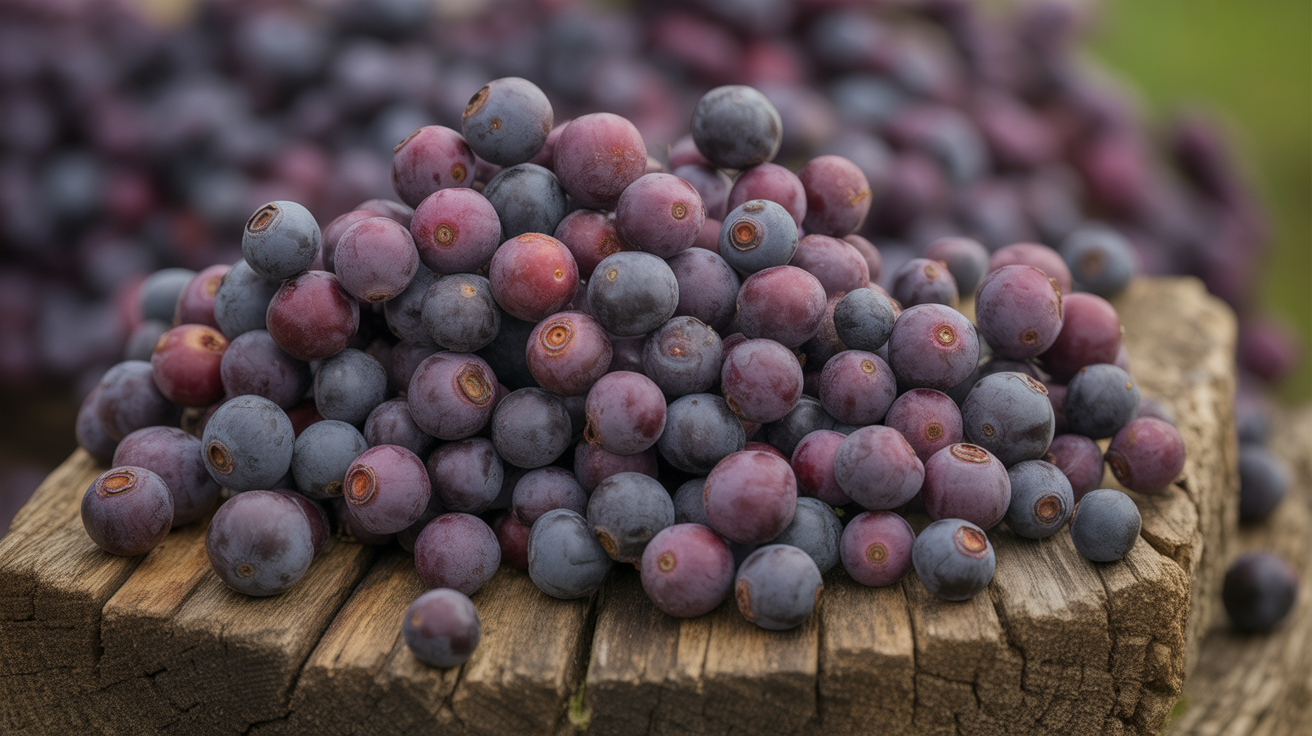
French Alpine Currant (*Ribes alpinum*) is a fruit native to the Alpine regions of France, thriving in cooler, mountainous climates. Prized for its tart flavor and rich antioxidant content, it is a valuable ingredient for immune support and cardiovascular health.
Potential benefits
- Supports immune health by providing Vitamin C, a crucial antioxidant that enhances immune cell function.
- Boosts heart health by contributing to healthy circulation and reducing oxidative stress.
- Promotes skin health through its antioxidant content, protecting against environmental damage and supporting collagen integrity.
- Provides anti-inflammatory benefits via flavonoids and anthocyanins, modulating inflammatory pathways.
- Aids digestive health through its dietary fiber content, supporting gut regularity and microbiome balance.
How it works
Specific mechanisms of action for French Alpine Currant (*Ribes alpinum*) have not been elucidated in scientific literature. While other *Ribes* species are known for antioxidant properties primarily through Vitamin C and polyphenolic compounds, their precise pathways (e.g., free radical scavenging, anti-inflammatory modulation) have not been confirmed for this specific species.
What the research says
While French Alpine Currant has a history of traditional use and culinary application, specific scientific studies on its health benefits are limited. Further research, particularly human clinical trials, is needed to substantiate its full therapeutic potential.
Safety and interactions
Due to the lack of specific scientific research on French Alpine Currant (*Ribes alpinum*), comprehensive safety data, potential side effects, and drug interactions are currently unknown. As a food, it is generally consumed without reported adverse effects, but individuals with allergies to other *Ribes* species should exercise caution. Its safety during pregnancy and lactation has not been established and should be approached with professional medical advice.
Suggested use
- The berries are commonly used in jams, juices, baked goods, and sauces.
- For general wellness, a daily dosage of 1/4 to 1/2 cup of fresh berries is recommended.
Frequently asked questions
What are the primary health benefits of French Alpine Currant?
French Alpine Currant is traditionally recognized for its nutritional content, especially Vitamin C, which supports immune function and skin health. However, specific scientific studies validating these benefits for *Ribes alpinum* are limited.
Are there any scientific studies on French Alpine Currant?
While French Alpine Currant has a history of traditional use, specific scientific studies, especially human clinical trials, on its unique health benefits are currently limited. Further research is necessary to substantiate its potential therapeutic properties.
What are the main bioactive compounds in French Alpine Currant?
Specific bioactive compounds for French Alpine Currant (*Ribes alpinum*) have not been thoroughly researched. While other currants are rich in antioxidants like Vitamin C, anthocyanins, and phenolic acids, these have not been specifically identified or quantified for this species.
Is French Alpine Currant safe to consume?
As a food, French Alpine Currant is generally considered safe when consumed in moderation. However, due to a lack of specific scientific studies, comprehensive safety profiles, potential side effects, or drug interactions are not well-documented.
Where does French Alpine Currant originate from?
French Alpine Currant (*Ribes alpinum*) is native to the Alpine regions of France, thriving in cooler, mountainous climates. It is prized for its tart flavor and has been traditionally used in culinary applications in these areas.
How much French Alpine Currant should I take daily for immune support?
Typical supplemental doses of French Alpine Currant extract range from 500–1,500 mg daily, though optimal dosage depends on the concentration of bioactive compounds and your individual health needs. Most immune-supporting protocols recommend consistent daily intake, preferably with meals to enhance absorption of fat-soluble antioxidants. Always follow the dosage instructions on your specific supplement label, as formulations vary significantly between manufacturers.
References
- https://www.ncbi.nlm.nih.gov/search/all/?term=French+Alpine+Currant
- https://fdc.nal.usda.gov/fdc-app.html#/search?query=French+Alpine+Currant
- https://pubmed.ncbi.nlm.nih.gov/?term=French+Alpine+Currant
This article is educational and is not medical advice. Statements have not been evaluated by the FDA and are not intended to diagnose, treat, cure, or prevent any disease. Consult a healthcare professional before use.