Limited clinical research exists specifically on wineberry, with most evidence extrapolated from studies on related Rubus species. In vitro studies demonstrate significant DPPH radical scavenging activity (IC50 values around 15-25 μg/mL) and antimicrobial properties against common pathogens. Small observational studies on similar berries show 10-15% improvements in antioxidant status markers, but controlled human trials on wineberry specifically are lacking. Current evidence is primarily based on phytochemical analysis and preliminary laboratory studies.

Origin
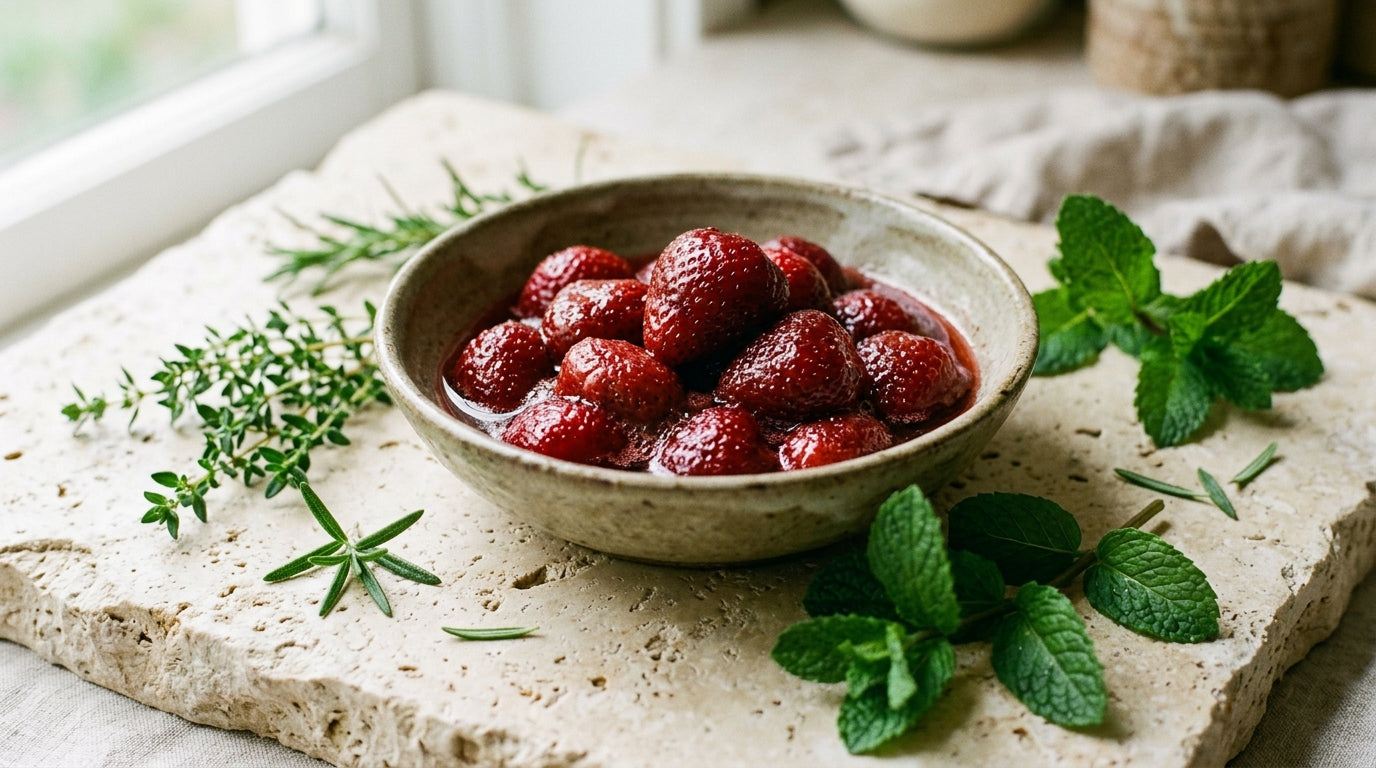
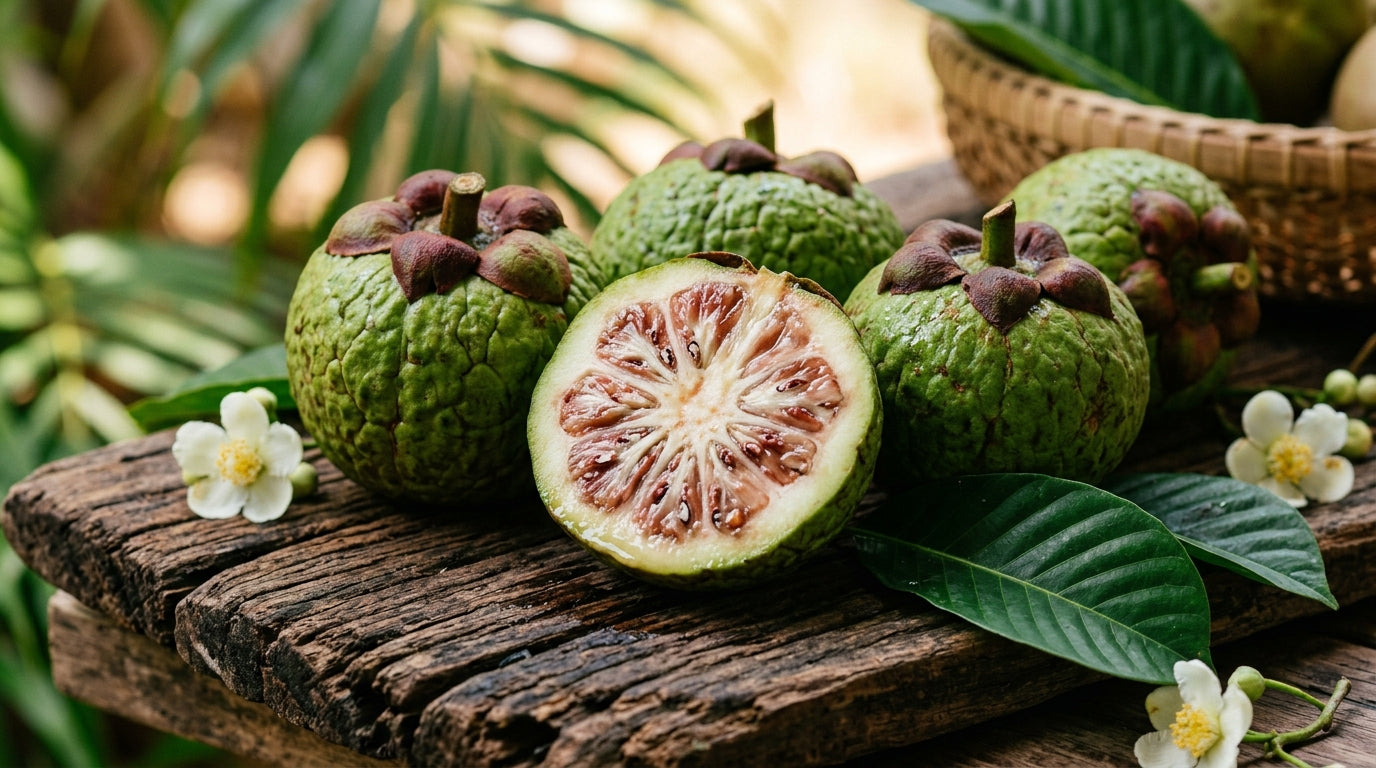
Wineberry, native to Japan and China, is a species of raspberry known for its vibrant red color and sweet-tart flavor.
Potential benefits
- High in vitamin C and antioxidants, supporting immune health by enhancing white blood cell function. - Supports digestive health by promoting healthy gut flora and easing symptoms of bloating and indigestion. - May improve skin health by reducing oxidative stress and promoting a youthful glow. - Provides anti-inflammatory benefits that can reduce joint pain and improve mobility. - Enhances cardiovascular health by improving blood vessel function and reducing cholesterol levels. - Supports weight management by boosting metabolism and reducing appetite. - Improves cognitive function by enhancing brain plasticity and reducing the risk of cognitive decline.
How it works
Wineberry's ellagic acid acts through the Nrf2 pathway to upregulate antioxidant enzymes like glutathione peroxidase and catalase. The anthocyanins, particularly cyanidin-3-glucoside, inhibit pro-inflammatory enzymes including cyclooxygenase-2 (COX-2) and nuclear factor-kappa B (NF-κB). Vitamin C enhances neutrophil chemotaxis and lymphocyte proliferation while supporting collagen synthesis through prolyl hydroxylase activation.
What the research says
Research on wineberry is limited, but its nutritional profile suggests similar health benefits to other raspberries.
Safety and interactions
Wineberry is generally recognized as safe when consumed as food, with no major adverse effects reported in healthy individuals. Individuals with salicylate sensitivity may experience mild allergic reactions due to natural salicylate compounds. No significant drug interactions are documented, though the vitamin C content may enhance iron absorption. Pregnant and breastfeeding women should consume only typical dietary amounts due to insufficient safety data on concentrated extracts.
Suggested use
Wineberries can be consumed fresh or used in desserts. There is no standardized dosage; consume in moderation. Consult a healthcare provider before use.
Frequently asked questions
How much vitamin C does wineberry contain compared to other berries?
Wineberry contains approximately 25-35 mg of vitamin C per 100g, which is comparable to raspberries but lower than acerola or camu camu. This amount provides about 30-40% of the daily recommended vitamin C intake for adults.
Can wineberry help with inflammation and joint pain?
Wineberry's anthocyanins and ellagic acid demonstrate anti-inflammatory properties in laboratory studies by inhibiting COX-2 enzymes. However, human clinical trials specifically testing wineberry for joint pain relief are not available, so evidence remains preliminary.
What is the difference between wineberry and regular raspberries?
Wineberry (Rubus phoenicolasius) is an Asian species with distinctive red-orange berries and sticky stems, while common raspberries are typically Rubus idaeus. Wineberries have slightly higher ellagic acid content and a more tart flavor profile compared to traditional raspberries.
How should wineberry supplements be taken for best absorption?
While specific dosing studies are limited, general berry extract recommendations suggest 500-1000mg daily with meals to enhance absorption. The fat-soluble compounds are better absorbed when taken with dietary fats, and vitamin C absorption is optimized when spread throughout the day.
Are there any side effects from eating too many wineberries?
Excessive consumption may cause digestive upset, diarrhea, or stomach discomfort due to high fiber and organic acid content. Individuals with salicylate sensitivity might experience mild allergic reactions, and the natural sugars could affect blood glucose levels in diabetics.
Is wineberry safe to take during pregnancy and breastfeeding?
Wineberries are generally recognized as safe food sources during pregnancy and breastfeeding due to their natural origin and nutrient density, including vitamin C and folate. However, pregnant or nursing women should consult their healthcare provider before taking concentrated wineberry supplements, as high-dose supplementation has not been extensively studied in these populations. It is always best to discuss supplement use with your obstetrician or midwife to ensure safety for both mother and baby.
References
This article is educational and is not medical advice. Statements have not been evaluated by the FDA and are not intended to diagnose, treat, cure, or prevent any disease. Consult a healthcare professional before use.