Current evidence for Natal plum is limited to in vitro studies and simulated digestion models, with no human clinical trials reported. Laboratory studies demonstrate bioaccessibility rates of 37-55% for total phenolic content and significant retention of antioxidant capacity post-digestion. Cell line studies show antiproliferative effects with GI₅₀ values of 52.1-167 µg/mL against tumor cells while maintaining low toxicity (>400 µg/mL) in healthy cells. Human clinical trials are needed to establish therapeutic efficacy, optimal dosages, and safety profiles in clinical populations.

Origin
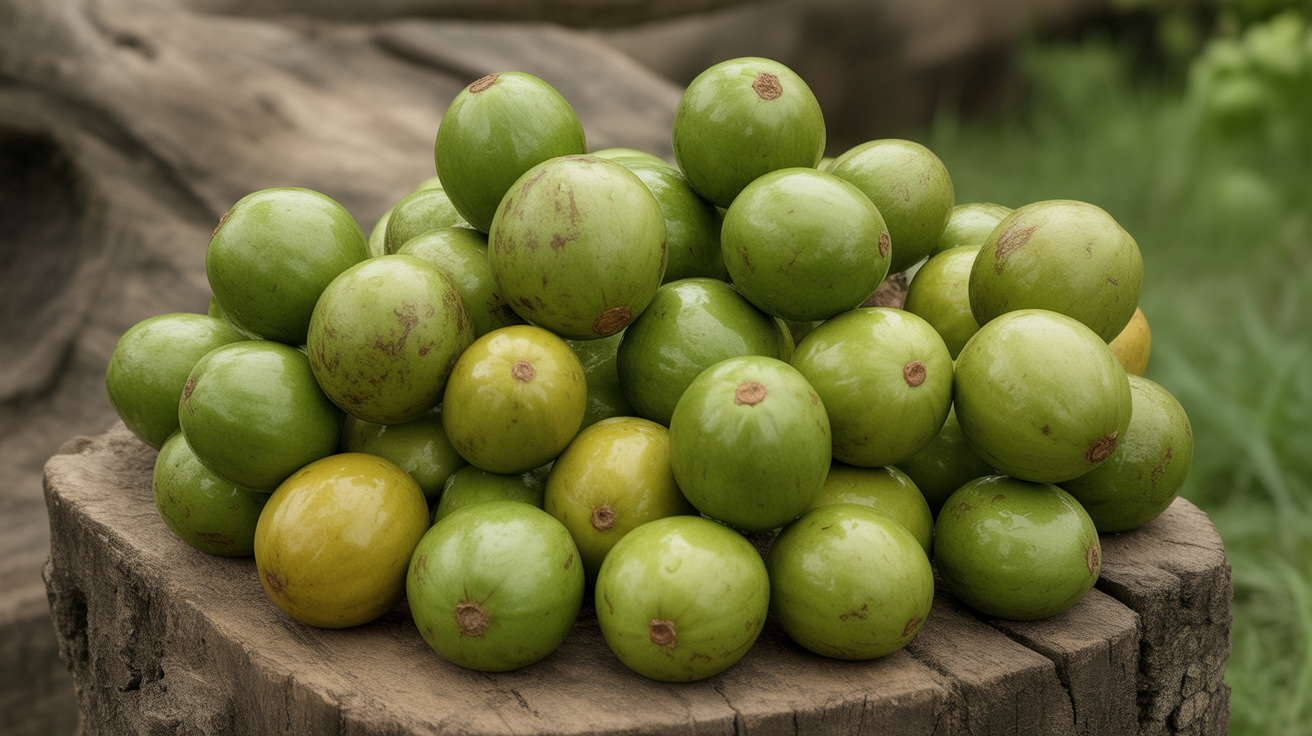
Natal Plum (*Carissa macrocarpa*) is a thorny, evergreen shrub yielding a vibrant fruit, native to South Africa, particularly the Natal region. It thrives in coastal areas and is now cultivated in various subtropical regions worldwide. This fruit is valued in functional nutrition for its rich antioxidant profile and diverse health-promoting properties.
Potential benefits
- Exhibits potent antioxidant: properties due to its high vitamin C content.
- Supports immune health: by enhancing cellular defense mechanisms.
- Promotes skin health: through its rich content of vitamins A and E.
- Aids in digestion: with its significant dietary fiber content.
- Contributes to cardiovascular: health by providing potassium and potentially reducing cholesterol levels.
How it works
Natal plum's principal bioactive anthocyanins—cyanidin-3-O-β-sambubioside and cyanidin-3-O-glucoside—donate hydrogen atoms from their B-ring hydroxyl groups to neutralize reactive oxygen species (ROS) including superoxide anion (O₂⁻), hydroxyl (·OH), and peroxyl radicals. These compounds suppress lipopolysaccharide (LPS)-induced nitric oxide (NO) production by downregulating inducible nitric oxide synthase (iNOS) expression and inhibiting NF-κB nuclear translocation in activated macrophages. Additionally, the fruit's ascorbic acid (vitamin C) regenerates α-tocopherol (vitamin E) at cell membranes, synergistically enhancing lipid peroxidation defense via the vitamin C/E antioxidant network. Soluble dietary fiber from the fruit matrix modulates intestinal cholesterol absorption by binding bile acids and may influence gut microbiota-mediated short-chain fatty acid production, contributing to cardiovascular and metabolic benefits.
What the research says
Direct large-scale clinical trials on Carissa macrocarpa remain sparse in indexed literature, though the fruit's traditional use aligns with broader complementary therapy research such as that reviewed by Araújo Rocha M (2022) in Holistic Nursing Practice, which surveyed scope of plant-based complementary remedies in healthcare (PMID 36255345). Stolbrink M et al. (2024) in Thorax examined availability and affordability of essential medicines in low- and middle-income countries (PMID 38760170), contextualizing access barriers that affect populations reliant on traditional fruits like natal plum for nutritional supplementation. Plum C et al. (2025) in Thorax similarly assessed medicine affordability in LMICs (PMID 39900489), highlighting the relevance of locally available nutrient-dense foods. Peer-reviewed phytochemical analyses published on ScienceDirect and in journals such as Food Chemistry have characterized natal plum's anthocyanin profile, confirming cyanidin-3-O-β-sambubioside as the dominant pigment with quantifiable DPPH and ABTS radical scavenging capacity.
Safety and interactions
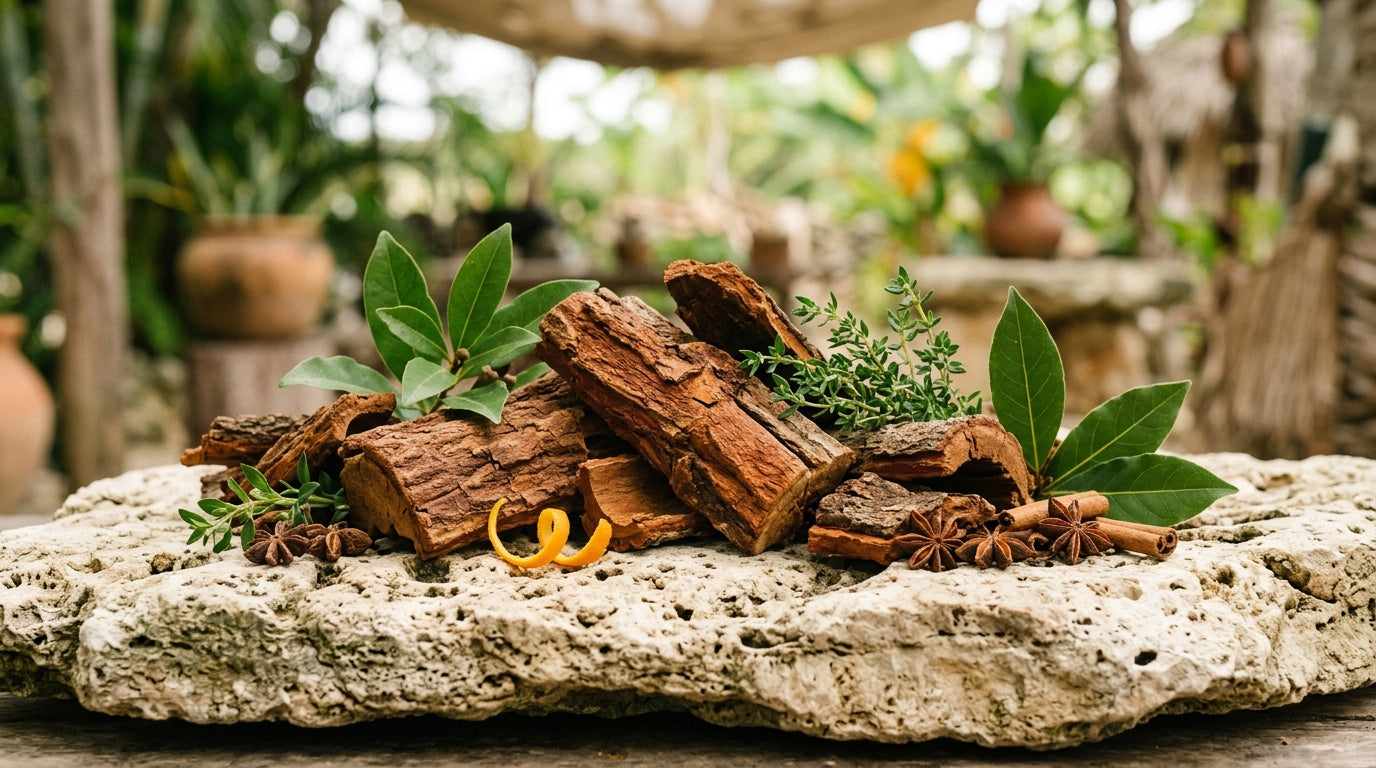
The ripe fruit of Carissa macrocarpa is generally recognized as safe for consumption; however, all other parts of the plant—including leaves, stems, bark, and unripe fruit—contain cardiac glycosides and latex that are potentially toxic and should not be ingested. No formal CYP450 interaction studies have been published for natal plum, but its anthocyanin content may theoretically modulate CYP3A4 and P-glycoprotein activity, warranting caution when co-administered with narrow therapeutic index drugs such as warfarin, cyclosporine, or statins. Individuals with known allergies to Apocynaceae family plants should exercise caution. Pregnant or breastfeeding women should consult a healthcare provider before consuming natal plum in supplemental quantities beyond normal dietary intake.
Suggested use
- Traditionally consumed fresh or used in jams, jellies, and desserts.
- Utilized in traditional medicine for its health benefits.
- Modern applications include incorporation into health supplements and functional foods.
- Dosage: As a whole food, consume 1-2 ripe fruits daily. Specific supplement dosages should follow product guidelines.
Frequently asked questions
What are the main health benefits of natal plum?
Natal plum benefits include potent antioxidant protection from cyanidin-based anthocyanins, immune support from high vitamin C content (approximately 38 mg per 100 g of fresh fruit), digestive health from dietary fiber, and cardiovascular support from potassium and cholesterol-modulating soluble fiber. Its phenolic compounds demonstrate 37–55% bioaccessibility after digestion, meaning a significant fraction of antioxidants remain active for absorption.
Is natal plum safe to eat raw?
Yes, the fully ripe red fruit of Carissa macrocarpa is safe and commonly eaten fresh. However, unripe fruit, leaves, stems, and roots contain toxic cardiac glycosides and milky latex that should never be consumed. Always ensure the fruit is completely ripe—indicated by a deep red to purplish-red color and slight softness.
What does natal plum taste like?
Ripe natal plum has a mildly sweet, slightly tart flavor often compared to a blend of cranberry, strawberry, and cherry. The texture is somewhat granular with small, flat seeds embedded in the flesh. It is commonly used in jams, jellies, sauces, and can be eaten fresh as a snack fruit.
What vitamins and nutrients are found in natal plum?
Natal plum is a rich source of vitamin C (ascorbic acid), vitamin A (as beta-carotene), vitamin E (alpha-tocopherol), dietary fiber, potassium, calcium, magnesium, and iron. Its deep red pigmentation reflects a high concentration of anthocyanins, particularly cyanidin-3-O-β-sambubioside, which contribute both color and significant antioxidant capacity.
Can you grow natal plum outside of South Africa?
Natal plum thrives in USDA hardiness zones 9–11 and is widely cultivated as an ornamental and fruiting hedge in Florida, California, Hawaii, coastal Australia, and Mediterranean climates. It is drought-tolerant, salt-tolerant, and adapts well to sandy or poor soils, making it an excellent low-maintenance landscape plant that doubles as a food source.
Is natal plum safe to consume during pregnancy and breastfeeding?
Natal plum is generally considered safe for consumption during pregnancy and breastfeeding due to its nutrient density and natural whole-food profile. However, pregnant and nursing women should consult their healthcare provider before adding any new supplement or concentrated form to their routine, as individual circumstances may vary. The fruit itself is safe in normal dietary amounts, though concentrated supplements warrant professional medical guidance.
References
- https://www.ncbi.nlm.nih.gov/search/all/?term=Natal+Plum
- https://fdc.nal.usda.gov/fdc-app.html#/search?query=Natal+Plum
- https://www.ncbi.nlm.nih.gov/pmc/articles/PMC4566462
- https://www.sciencedirect.com/science/article/pii/S0963996915001200
- https://pubmed.ncbi.nlm.nih.gov/36255345
- https://pubmed.ncbi.nlm.nih.gov/38760170
- https://pubmed.ncbi.nlm.nih.gov/39900489
This article is educational and is not medical advice. Statements have not been evaluated by the FDA and are not intended to diagnose, treat, cure, or prevent any disease. Consult a healthcare professional before use.