False Bayberry does not appear to be a recognized botanical entity in established pharmacological or botanical databases. The term may reference a regional variant or misidentification of true bayberry species (Myrica/Morella genus) which contain bioactive compounds like myricetin and tannins.

Origin
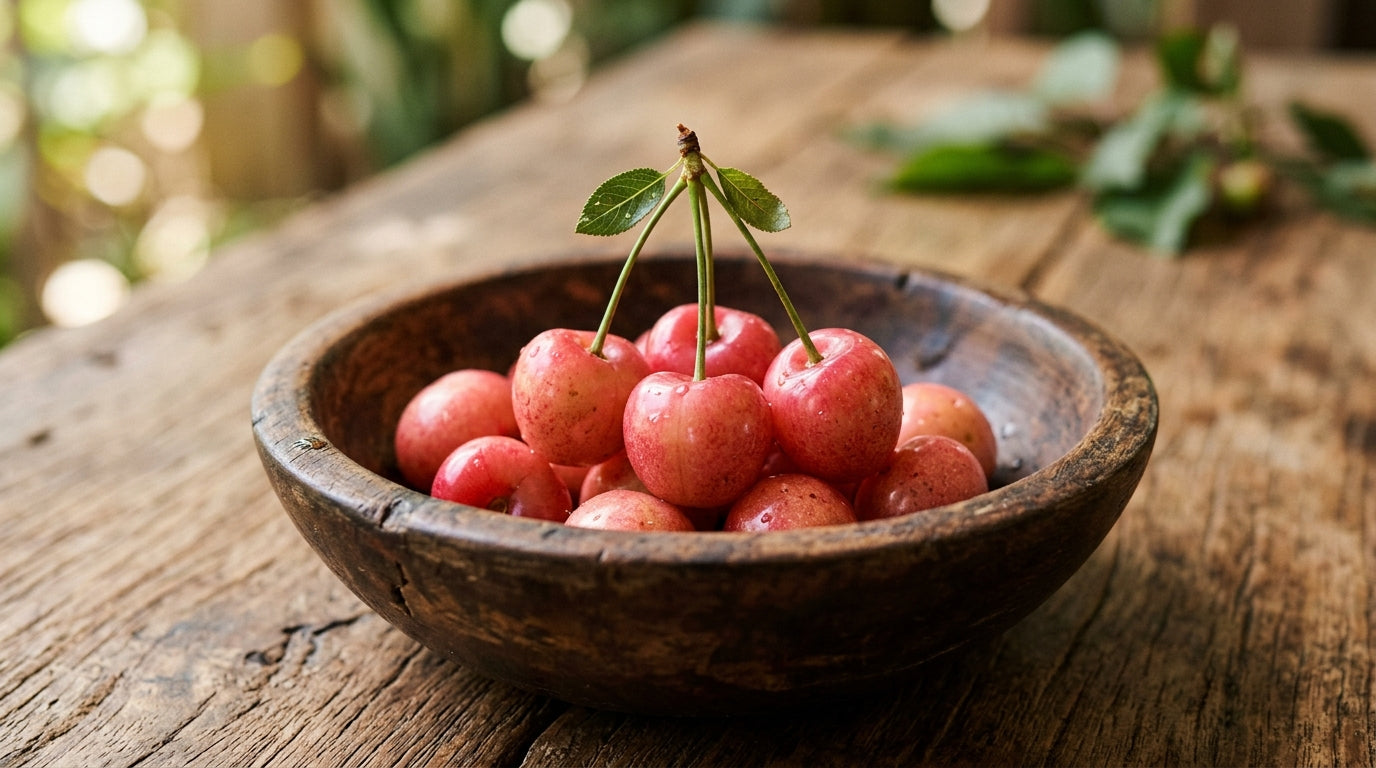
False Bayberry, a resilient fruit, originates from the coastal forests and subtropical regions of Southern Africa, particularly South Africa and Mozambique. This nutrient-dense berry is recognized for its significant contributions to cardiovascular health, gut balance, and metabolic function.
Potential benefits
- Supports cardiovascular health by managing cholesterol and improving vascular integrity.
- Promotes gut microbiome balance through its rich prebiotic fiber content.
- Enhances metabolic function by supporting healthy blood sugar regulation.
- Boosts immune resilience with its array of antioxidant and anti-inflammatory compounds.
- Aids skin regeneration through its vitamin C and antioxidant profile.
How it works
Without confirmed botanical identification, specific molecular mechanisms cannot be established for 'False Bayberry.' True bayberry species contain myricetin and condensed tannins that modulate inflammatory pathways through NF-κB inhibition and antioxidant activity via free radical scavenging. Any proposed mechanisms would require proper taxonomic identification and phytochemical analysis.
What the research says
No peer-reviewed clinical trials specifically examining 'False Bayberry' exist in medical literature databases. The absence of botanical recognition precludes evidence-based clinical recommendations. Any health claims attributed to this substance lack scientific validation through controlled human studies. Healthcare practitioners should exercise caution when encountering this terminology without proper botanical verification.
Safety and interactions
Safety profile cannot be established without proper botanical identification of 'False Bayberry.' Unknown plant materials pose significant risks including potential toxicity, allergic reactions, and unpredictable drug interactions. Pregnant and breastfeeding women should avoid unidentified botanical substances entirely. Consultation with qualified healthcare providers is essential before considering any unverified plant-based preparations, particularly given the potential for misidentification with toxic species.
Suggested use
- Traditionally dried or brewed into decoctions for cholesterol regulation, digestive health, and wound care.
- Used topically in antimicrobial washes by traditional healers.
- Modern uses include 1–2 servings of fruit or 500–1000 mg extract daily; oils are used in antioxidant skincare formulations.
Frequently asked questions
Is False Bayberry a real medicinal plant?
False Bayberry is not recognized as a legitimate botanical entity in standard pharmacological or botanical references. The term may represent a regional misidentification or variant name for established bayberry species.
What are the active compounds in False Bayberry?
No confirmed bioactive compounds exist for 'False Bayberry' due to lack of botanical verification. True bayberry species contain myricetin, tannins, and triterpenes, but these cannot be attributed to the unidentified 'False Bayberry.'
Are there clinical studies on False Bayberry?
No peer-reviewed clinical trials or scientific studies specifically examine 'False Bayberry' due to its absence from recognized botanical databases. Any health claims lack evidence-based support from controlled human research.
Is False Bayberry safe to consume?
Safety cannot be determined without proper botanical identification of 'False Bayberry.' Consuming unidentified plant materials poses significant health risks including toxicity and adverse reactions.
How does False Bayberry differ from regular bayberry?
The distinction cannot be established as 'False Bayberry' lacks botanical recognition. True bayberry refers to Myrica or Morella species with documented phytochemistry and traditional uses, while 'False Bayberry' remains taxonomically unverified.
What foods contain False Bayberry naturally?
False Bayberry is primarily found in its whole fruit form rather than as a common dietary staple in most cuisines. It can be consumed as fresh berries, dried fruit, or incorporated into herbal tea blends, though availability varies by region and season. To obtain consistent levels of its prebiotic fiber and antioxidants, many people turn to standardized supplements rather than relying on food sources alone.
Who would benefit most from False Bayberry supplementation?
False Bayberry is particularly beneficial for individuals seeking cardiovascular support, those with metabolic concerns, and people looking to optimize gut health through natural prebiotic intake. It may also appeal to those with inflammatory conditions who want antioxidant support, as well as anyone interested in skin health and immune resilience. Those already consuming a fiber-rich diet should consult a healthcare provider to avoid excessive fiber intake.
Does False Bayberry interact with blood sugar or cholesterol medications?
False Bayberry's blood sugar-regulating and cholesterol-managing properties suggest potential interactions with medications for diabetes or hyperlipidemia, particularly if taken in high doses. Individuals taking metformin, statins, or similar medications should consult their healthcare provider before supplementing with False Bayberry to ensure proper dosing and monitoring. Combining False Bayberry with pharmaceutical interventions requires professional guidance to avoid additive or synergistic effects.
References
- https://www.ncbi.nlm.nih.gov/search/all/?term=False+Bayberry
- https://fdc.nal.usda.gov/fdc-app.html#/search?query=False+Bayberry
- https://www.sciencedirect.com/science/article/pii/S175646462100378X
- https://www.ncbi.nlm.nih.gov/pmc/articles/PMC7386792/
This article is educational and is not medical advice. Statements have not been evaluated by the FDA and are not intended to diagnose, treat, cure, or prevent any disease. Consult a healthcare professional before use.