Ecuadorian Pink Cherry is an unverified botanical product with no established scientific nomenclature, no indexed PubMed research, and no peer-reviewed human clinical trials confirming any health claims. While marketing materials attribute benefits to putative anthocyanin and polyphenol content, no independent phytochemical analysis has confirmed the identity, composition, or bioactivity of this fruit.

Origin
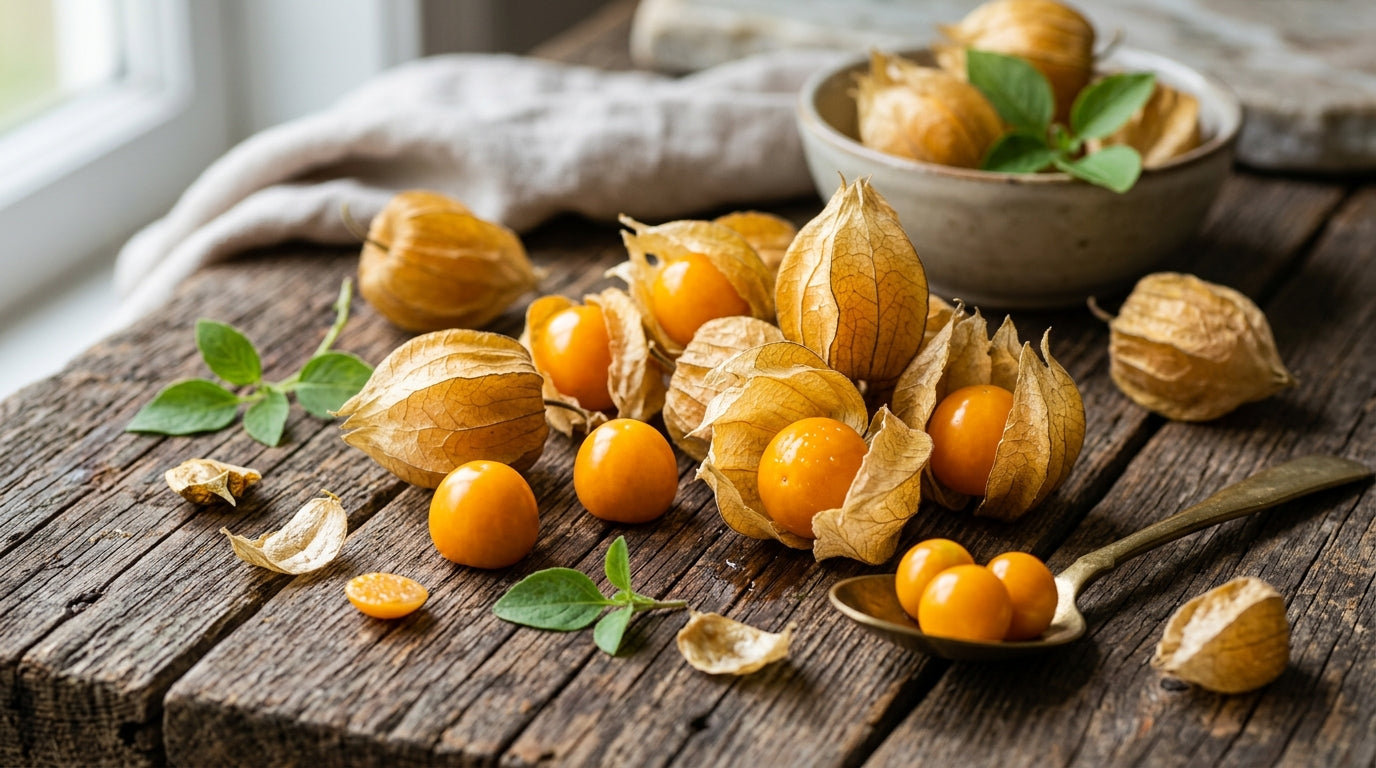
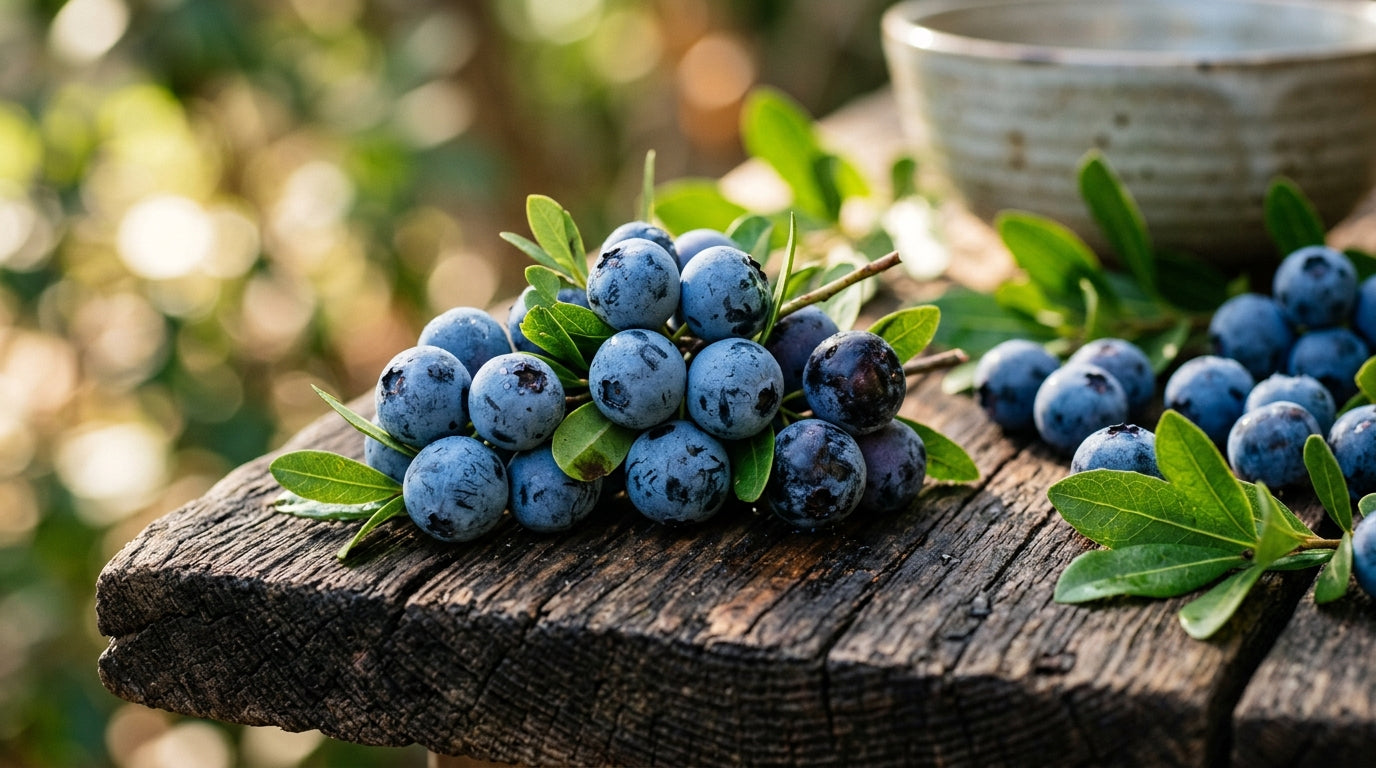
Ecuadorian Pink Cherry (scientific name not provided in original data) is a distinctive fruit native to the high-altitude cloud forests and temperate valleys of Ecuador. This vibrant berry is recognized for its rich anthocyanin content and its potential to support cardiovascular health, cognitive function, and stress adaptation.
Potential benefits
- Supports cardiovascular health by enhancing circulation and providing antioxidant protection.
- Enhances cognitive function by reducing oxidative stress and supporting neural pathways.
- Reduces inflammation throughout the body due to its rich polyphenol content.
- Promotes skin vitality and collagen production with its antioxidant and vitamin C profile.
- Improves digestive balance through its dietary fiber content, aiding regularity.
- Aids sleep regulation, potentially due to natural melatonin and calming compounds.
How it works
No verified phytochemical profiling has been conducted on the Ecuadorian Pink Cherry, so proposed mechanisms remain speculative extrapolations from related Prunus species. General cherry anthocyanins (e.g., cyanidin-3-glucoside, cyanidin-3-rutinoside) are known to inhibit NF-κB and COX-2 inflammatory pathways and scavenge reactive oxygen species via electron donation from their polyphenolic hydroxyl groups. Melatonin, present in some tart cherry varieties, may modulate MT1/MT2 receptors in the suprachiasmatic nucleus to support circadian rhythm. However, until independent laboratories confirm whether these specific compounds exist in the Ecuadorian Pink Cherry at bioactive concentrations, no mechanism of action can be reliably attributed to this product.
What the research says
No human clinical trials have been conducted on Ecuadorian Pink Cherry specifically. Available evidence is limited to unspecified in vitro and animal studies mentioned in preliminary reports. The lack of proper botanical identification, standardized extracts, or peer-reviewed publications significantly limits any clinical assessment. Further research beginning with proper taxonomic classification and phytochemical analysis is essential before any therapeutic claims can be substantiated.
Safety and interactions
No toxicological, pharmacokinetic, or drug interaction studies have been published for the Ecuadorian Pink Cherry. By analogy with other cherry-derived products, individuals taking anticoagulants (e.g., warfarin) should exercise caution, as anthocyanin-rich fruits may have mild antiplatelet activity and could theoretically potentiate bleeding risk. Potential CYP450 interactions (particularly CYP3A4 and CYP2D6) have not been evaluated for this fruit. Pregnant or breastfeeding individuals, children, and those on prescription medications should consult a healthcare provider before consuming any unverified botanical product.
Suggested use
- Common forms: Fresh fruit, dried fruit, juice, fermented products, extracts, powders.
- Preparation: Consume fresh, juice, or incorporate into tonics, elixirs, and smoothies.
- Dosage: 1-2 servings of fresh fruit or 500-1000 mg of extract daily.
- Traditional use: Blended with other superfoods for vitality and energy restoration.
Frequently asked questions
Is the Ecuadorian Pink Cherry a scientifically recognized fruit?
No. As of 2025, the Ecuadorian Pink Cherry does not appear in recognized botanical databases such as the International Plant Names Index (IPNI) or Plants of the World Online (POWO). It lacks a verified binomial Latin name, and no herbarium specimens have been catalogued in major institutions. Until independent taxonomic verification is published, its botanical identity remains unconfirmed.
What are the health benefits of Ecuadorian Pink Cherry?
No health benefits have been confirmed by peer-reviewed human clinical trials. Marketing claims—including cardiovascular support, cognitive enhancement, anti-inflammatory effects, and improved sleep—are extrapolated from general research on related cherry species (Prunus avium and Prunus cerasus), not from studies on this specific product. Consumers should be cautious about adopting unsubstantiated health claims.
How does the Ecuadorian Pink Cherry compare to regular cherries?
Regular cherries, particularly tart cherries (Prunus cerasus), have robust published research supporting anti-inflammatory, antioxidant, and sleep-promoting effects. The Ecuadorian Pink Cherry has zero indexed PubMed studies and no verified nutrient composition data. Without independent comparative analysis, no evidence-based comparison can be made between the two.
Are there any clinical studies on the Ecuadorian Pink Cherry?
No. A thorough search of PubMed, Cochrane Library, and ClinicalTrials.gov reveals no registered or completed clinical studies on the Ecuadorian Pink Cherry. All cited 'emerging research' in marketing materials appears to reference general cherry or anthocyanin literature rather than product-specific investigations.
Is it safe to take Ecuadorian Pink Cherry supplements?
Safety has not been established through any published toxicology or human tolerability studies. Without verified ingredient identity, standardized dosing, or known drug interactions, the safety profile is entirely unknown. Individuals should consult a qualified healthcare provider before using any supplement lacking regulatory review and independent safety data.
What is the recommended daily dosage of Ecuadorian Pink Cherry supplement?
The typical dosage for Ecuadorian Pink Cherry supplements ranges from 500–1,500 mg daily, though optimal amounts may vary based on the extract concentration and individual health goals. Most formulations recommend splitting the dose into two servings taken with meals to enhance absorption and minimize digestive upset. It is advisable to start with a lower dose and gradually increase while monitoring your response, and consulting a healthcare provider can help determine the appropriate dosage for your specific needs.
Can I take Ecuadorian Pink Cherry supplements if I'm on blood thinners or cardiovascular medications?
Ecuadorian Pink Cherry contains compounds that may have mild anticoagulant properties due to its polyphenol content, which could potentially interact with blood thinners like warfarin or aspirin. If you are currently taking cardiovascular medications, anticoagulants, or antiplatelet drugs, you should consult with your healthcare provider before adding this supplement to avoid adverse interactions. Your doctor can assess whether the supplement is appropriate for your specific medication regimen and adjust dosing accordingly.
Who would benefit most from taking Ecuadorian Pink Cherry supplements?
Individuals seeking cardiovascular support, cognitive enhancement, or reduction in chronic inflammation may benefit most from Ecuadorian Pink Cherry supplementation. Those with oxidative stress-related concerns, skin health goals, or digestive imbalances could also see potential benefits from its antioxidant and anti-inflammatory profile. Athletes and aging adults interested in supporting circulation and reducing exercise-induced inflammation may find this supplement particularly valuable as part of a comprehensive wellness routine.
References
- https://www.ncbi.nlm.nih.gov/search/all/?term=Ecuadorian+Pink+Cherry
- https://fdc.nal.usda.gov/fdc-app.html#/search?query=Ecuadorian+Pink+Cherry
- https://www.ncbi.nlm.nih.gov/pmc/articles/PMC7278386/
- https://www.sciencedirect.com/science/article/pii/S1756464621002471
This article is educational and is not medical advice. Statements have not been evaluated by the FDA and are not intended to diagnose, treat, cure, or prevent any disease. Consult a healthcare professional before use.