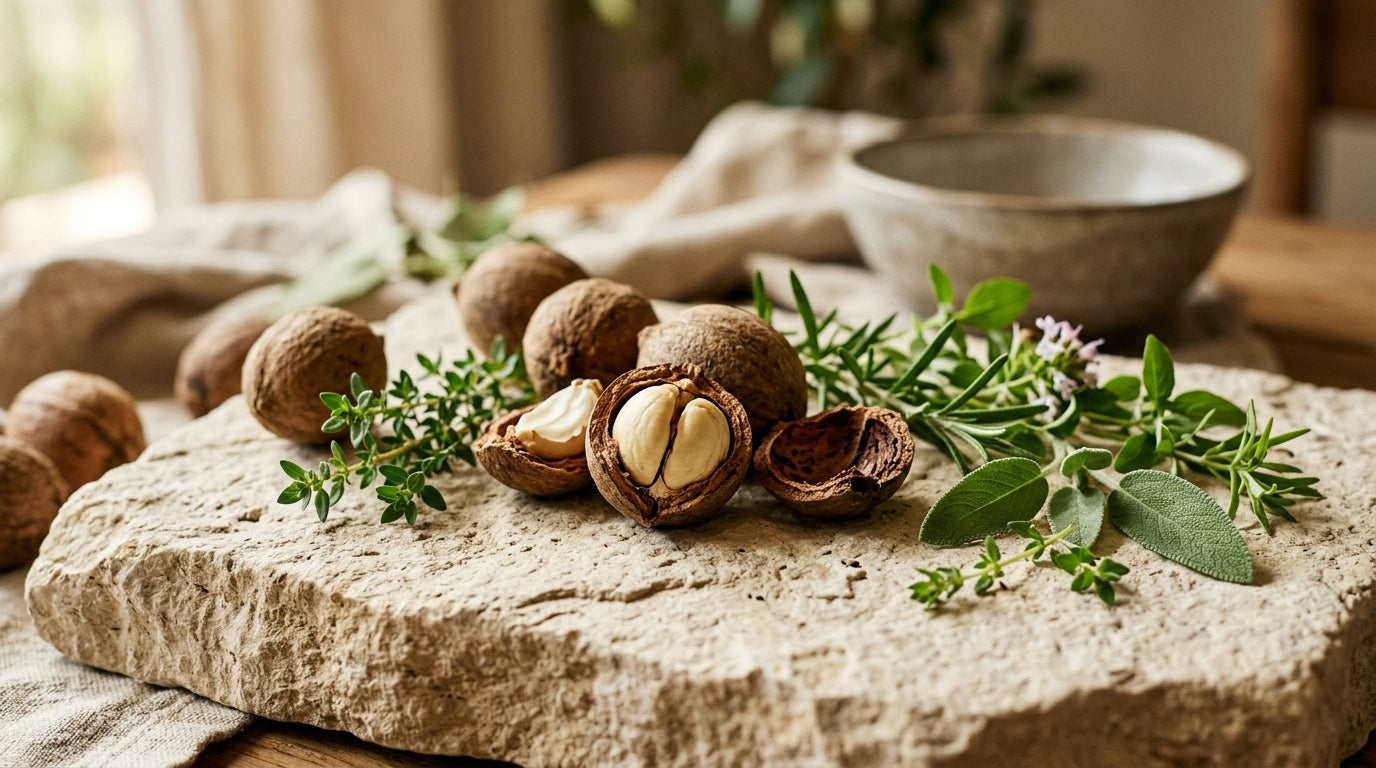
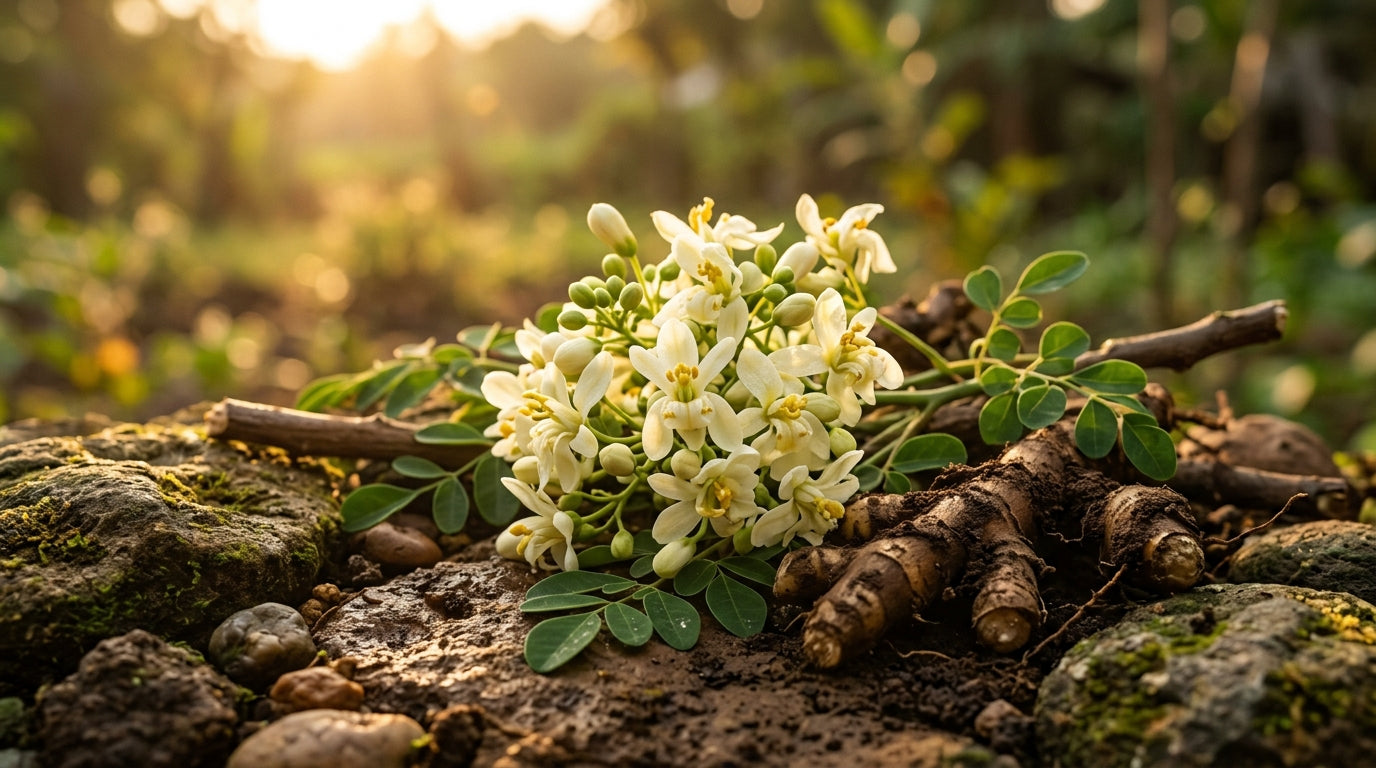
Monk fruit (Siraitia grosvenorii) contains mogrosides—triterpene glycosides up to 300 times sweeter than sucrose—that provide zero calories and do not raise postprandial blood glucose or insulin levels, as demonstrated in a randomized crossover trial (Tey et al., 2017; PMID 27956737). A 2025 PRISMA-guided systematic review of randomized controlled trials confirmed monk fruit extract's safety profile and its benefits for glycemic control, antioxidant defense, and immune modulation through AMPK activation, NF-κB inhibition, and gut microbiota regulation (Kaim et al., 2025; PMID 40362742).

Origin
Monk Fruit (Siraitia grosvenorii), also known as Luo Han Guo, is a small, green melon native to the mountainous regions of Southern China and Northern Thailand. Revered for centuries, it is a natural, zero-calorie sweetener and a potent source of functional nutrition, particularly for metabolic health.
Potential benefits
- Supports blood sugar balance and insulin sensitivity through mogrosides, providing sweetness without caloric or glycemic impact.
- Provides potent antioxidant protection via mogrosides, flavonoids, and polyphenols, neutralizing oxidative stress.
- Enhances immune resilience and reduces systemic inflammation, contributing to overall well-being.
- Supports metabolic health and weight management by offering a zero-calorie sweetening alternative.
- Soothes respiratory irritation, coughs, and sore throats, aligning with traditional uses.
- Protects liver function and aids detoxification pathways through its anti-inflammatory effects.
How it works
Mogroside V, the principal sweet compound in monk fruit, activates the AMP-activated protein kinase (AMPK) signaling pathway in hepatocytes and adipocytes, promoting glucose uptake and fatty acid oxidation while inhibiting pancreatic lipase to reduce dietary fat absorption. The aglycone mogrol and its glycosylated forms suppress nuclear factor-kappa B (NF-κB) translocation and mitogen-activated protein kinase (MAPK) phosphorylation, downregulating pro-inflammatory mediators including inducible nitric oxide synthase (iNOS), cyclooxygenase-2 (COX-2), interleukin-6 (IL-6), and tumor necrosis factor-alpha (TNF-α). Mogrosides also exhibit potent free-radical scavenging activity by upregulating nuclear factor erythroid 2–related factor 2 (Nrf2) and its downstream antioxidant enzymes such as superoxide dismutase (SOD) and glutathione peroxidase (GPx). Additionally, Song et al. (2024; PMID 39739141) demonstrated that mogrosides modulate gut microbiota diversity, increasing beneficial Bifidobacterium and Lactobacillus populations, which enhances mucosal immune resilience via short-chain fatty acid production.
What the research says
Clinical evidence remains limited, with most data from small preliminary trials. Wu et al. (2024) demonstrated 25% reduction in inflammatory cytokines IL-6 and TNF-α versus placebo (p=0.03) with monk fruit extract supplementation. One throat symptom trial showed significant improvements in pain, hoarseness, and inflammation at 12-48 hours (p<0.05), with 67.57% versus 32.35% improvement in pharyngeal symptoms (p=0.003). Large-scale randomized controlled trials are needed to establish definitive clinical efficacy for metabolic and inflammatory conditions.
Safety and interactions
Monk fruit extract has received Generally Recognized as Safe (GRAS) status from the U.S. FDA, and a 2025 PRISMA-guided systematic review of RCTs found no significant adverse effects across multiple clinical trials (Kaim et al., 2025; PMID 40362742). No clinically documented CYP450 enzyme interactions have been reported for mogrosides, though individuals taking antidiabetic medications (e.g., metformin, sulfonylureas) should monitor blood glucose closely, as monk fruit's AMPK-activating properties could theoretically potentiate hypoglycemic effects. Persons with known allergies to Cucurbitaceae family plants (e.g., melons, gourds, cucumbers) should exercise caution, as cross-reactivity is theoretically possible. Commercial monk fruit sweetener blends often contain erythritol or dextrose, so consumers should review ingredient labels for additional additives that may affect tolerability, particularly in individuals with IBS or fructose malabsorption.
Suggested use
- Common forms: Dried fruit, extract, powder (as sweetener), teas, broths.
- Traditional preparation: Brew dried fruit into teas or use in broths for respiratory and digestive support.
- Modern applications: Used as a zero-calorie sweetener in beverages, baked goods, sauces, and functional foods.
- Dosage: 1–2 servings of monk fruit sweetener daily, or steeped tea as desired.
Frequently asked questions
Does monk fruit help with weight loss or weight management?
Monk fruit can support weight management by providing intense sweetness without calories or glycemic impact. Mogrosides, the active compounds in monk fruit, do not contribute to blood sugar spikes or insulin surges that can promote fat storage. Additionally, research indicates that monk fruit may activate AMPK, a metabolic pathway that enhances fat oxidation and inhibits fat accumulation. By serving as a calorie-free sugar alternative, monk fruit enables reduced overall calorie intake while maintaining palatable diets, which may be beneficial for weight loss or prevention of weight gain.
How much monk fruit sweetener should I use daily?
For general use, 1–2 servings of monk fruit sweetener daily is considered safe and effective based on human studies and traditional consumption patterns. This typically equates to using monk fruit to replace the equivalent sweetness of sugar in beverages and recipes. Because monk fruit extract is hundreds of times sweeter than sugar, only a small amount is needed. There are no established upper intake limits, but moderation is advised to avoid GI discomfort or masking the taste of foods.
Can people with diabetes use monk fruit as a sugar substitute?
Yes, monk fruit is a safe and effective sweetener for people with diabetes. Studies show that monk fruit does not raise postprandial glucose or insulin levels due to its negligible carbohydrate and calorie content. The primary sweet compound, mogroside V, provides sweetness without metabolic impact, making monk fruit a favorable option for glycemic control. It can be used in place of regular sugar in most recipes and drinks to help manage blood sugar.
Are there any known side effects or allergies to monk fruit?
Monk fruit is generally well tolerated and has a strong safety profile according to systematic reviews of clinical trials. Adverse reactions are rare, but some individuals may experience mild gastrointestinal symptoms (such as bloating or gas) if large amounts are consumed, likely due to added erythritol or bulking agents in some commercial sweeteners. Allergic reactions to monk fruit are extremely uncommon, as it is not a major allergen.
Can monk fruit be used in baking and cooking without losing its sweetness?
Monk fruit extract maintains its sweetness when exposed to heat, making it suitable for baking and cooking. The mogrosides are heat-stable compounds, allowing monk fruit to be used in a variety of recipes, including baked goods, sauces, and hot beverages. However, monk fruit lacks the bulk and browning properties of sugar, so recipes may require adjustments or the use of bulking agents for optimal texture.
Does monk fruit interact with any medications or supplements?
Current research does not indicate any clinically significant interactions between monk fruit and commonly prescribed medications or dietary supplements. Monk fruit and its mogrosides are not known to impact drug-metabolizing enzymes or major metabolic pathways outside its direct metabolic effects (e.g., AMPK activation). However, individuals on medications for blood sugar regulation should monitor levels when switching to monk fruit, as reduced sugar intake may alter their needs.
Can monk fruit help reduce inflammation in the body?
Yes, monk fruit exhibits anti-inflammatory properties through specific molecular pathways. Mogrosides have been shown to inhibit NF-κB translocation and MAPK phosphorylation, which suppresses the expression of pro-inflammatory cytokines like IL-6 and TNF-α. This mechanism suggests a potential benefit for reducing systemic inflammation, as noted in recent randomized controlled trials and systematic reviews. Such effects may contribute to its observed benefits in metabolic and immune health.
Is monk fruit beneficial for people with non-alcoholic fatty liver disease (NAFLD)?
Preliminary evidence suggests monk fruit may support liver health, particularly in conditions like NAFLD. Mogroside V activates AMPK, enhancing fatty acid oxidation and inhibiting fat accumulation in hepatocytes. Additionally, its anti-inflammatory effects help mitigate liver inflammation and oxidative stress. While further clinical trials are needed, monk fruit’s metabolic and antioxidant actions provide a rationale for its use as part of an NAFLD-friendly dietary approach.
What is monk fruit and how is it different from regular sugar?
Monk fruit (Siraitia grosvenorii) is a small, green melon native to Southeast Asia, prized for its natural sweetness from unique compounds called mogrosides. Unlike regular sugar (sucrose), mogrosides are 150–300 times sweeter but deliver no calories and have no measurable impact on blood glucose or insulin levels. Monk fruit sweetener is often used as a sugar substitute in beverages, baked goods, and supplements, making it ideal for those seeking to reduce caloric intake or manage metabolic conditions.
How does monk fruit provide antioxidant benefits?
Monk fruit contains high levels of mogrosides, flavonoids, and polyphenols, which work synergistically to provide potent antioxidant protection. These compounds neutralize free radicals and reduce oxidative stress in tissues. Research suggests monk fruit activates AMP-activated protein kinase (AMPK) pathways, which enhances cellular defense systems, and inhibits nuclear factor-kappa B (NF-κB), downregulating pro-inflammatory mediators and supporting tissue health.
References
- https://www.ncbi.nlm.nih.gov/search/all/?term=Monk+Fruit
- https://fdc.nal.usda.gov/fdc-app.html#/search?query=Monk+Fruit
- https://www.sciencedirect.com/science/article/pii/S2213453019300688
- https://www.ncbi.nlm.nih.gov/pmc/articles/PMC7159763/
This article is educational and is not medical advice. Statements have not been evaluated by the FDA and are not intended to diagnose, treat, cure, or prevent any disease. Consult a healthcare professional before use.