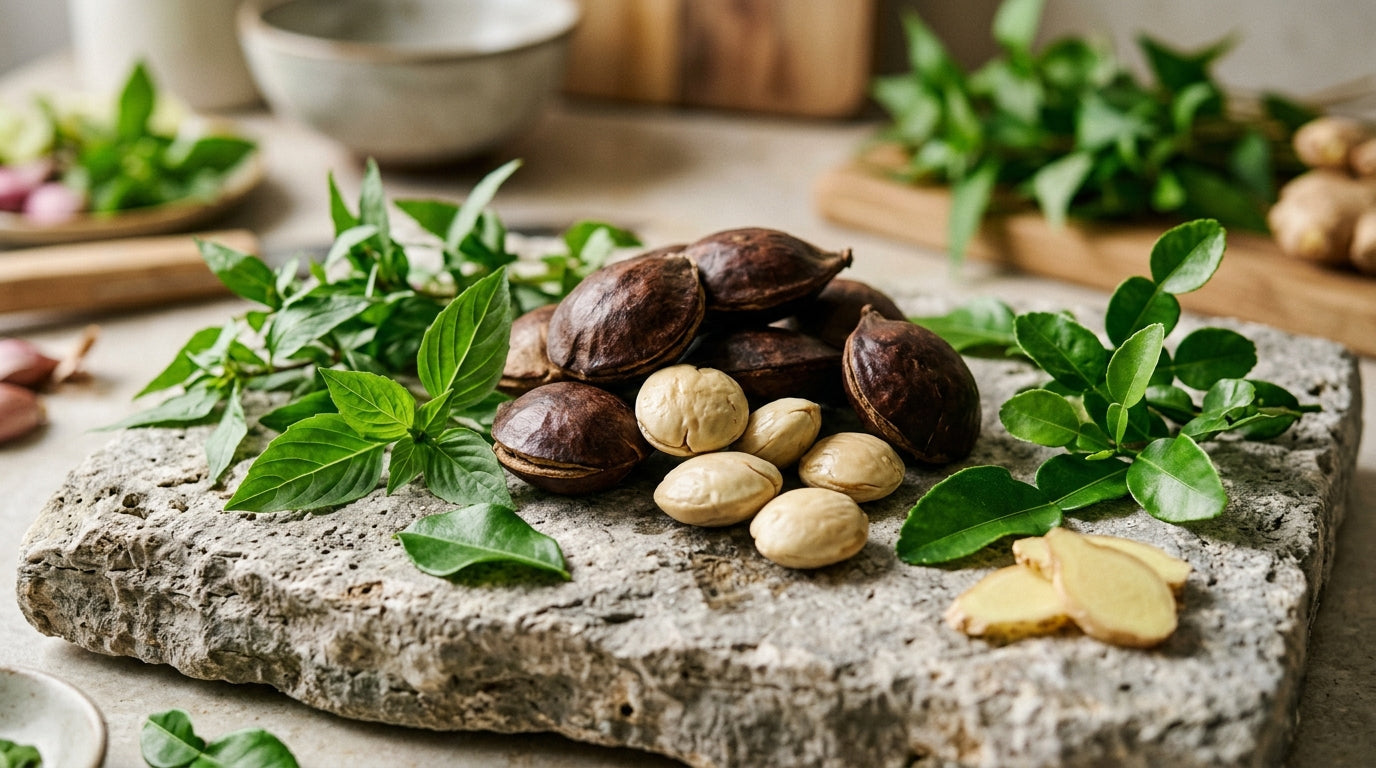
Jackfruit (Artocarpus heterophyllus) is a nutrient-dense tropical fruit rich in bioactive polysaccharides, prenylated flavonoids (artocarpin, morin, quercetin), lectins (jacalin), and carotenoids that collectively demonstrate potent antioxidant activity (DPPH radical scavenging of 21.82–69.64% at 0.25–4 mg/ml), anti-inflammatory effects, and metabolic benefits including blood sugar regulation and hepatoprotective activity via AMPK and MAPK signaling pathways (PMID 40204999). A 2023 critical review in Critical Reviews in Food Science and Nutrition confirmed jackfruit's efficacy across in vitro, animal, and emerging human models for cardioprotection, glycemic control, antimicrobial defense, and anticancer activity, positioning it as one of the most pharmacologically versatile tropical fruits studied to date (PMID 35144492).

Origin
Jackfruit (Artocarpus heterophyllus) is a large, nutrient-rich tropical fruit native to South and Southeast Asia, particularly India, Sri Lanka, and Bangladesh. Celebrated for its fibrous texture and mildly sweet flavor, it is consumed in both ripe and unripe forms. This versatile fruit is packed with dietary fiber, vitamins, and antioxidants, offering significant functional benefits for digestion, immunity, and metabolic health.
Potential benefits
- Supports digestive and gut health with resistant starch and dietary fiber, promoting regularity and microbiome diversity.
- Regulates metabolic and blood sugar levels through flavonoids and polysaccharides that enhance insulin sensitivity.
- Provides potent antioxidant and cellular longevity benefits with polyphenols and saponins that neutralize oxidative stress.
- Enhances immune support and inflammation control by boosting white blood cell activity and reducing systemic inflammation.
- Supports cognitive function and neuroprotection via B vitamins like thiamine and riboflavin, aiding neurotransmitter synthesis.
- Promotes heart health with potassium and magnesium, which help regulate blood pressure and cardiovascular function.
- Aids in weight management due to its low calorie and high fiber content, contributing to satiety.
How it works
Jackfruit's quercetin and morin inhibit cyclooxygenase-2 (COX-2) and lipoxygenase (LOX) enzymes while suppressing NF-κB-mediated transcription of pro-inflammatory cytokines (TNF-α, IL-6), and its polysaccharides (JFPs-P, WSPs) reduce malondialdehyde levels while upregulating anti-inflammatory interleukin-10 (IL-10) (PMID 35144492; PMID 40203947). Artocarpin, a prenylated flavonoid unique to Artocarpus species, targets Akt1/2 kinase signaling to induce G1 cell cycle arrest and caspase-dependent apoptosis in cancer cell lines, while jacalin, a galactose-specific lectin, binds IgA and modulates immune cell activation (PMID 38144022; PMID 25569520). Green jackfruit flour activates AMP-activated protein kinase (AMPK), enhancing hepatic fatty acid oxidation and glucose uptake, while simultaneously inhibiting the MAPK/ERK cascade to reduce hepatic inflammation and fibrosis progression toward hepatocellular carcinoma (PMID 40204999). Jackfruit carotenoids (β-carotene, lutein) quench singlet oxygen and peroxyl radicals, protecting cellular membranes from lipid peroxidation, while resistant starch escapes upper GI digestion to serve as a fermentable substrate for short-chain fatty acid (SCFA) production by colonic microbiota, supporting gut barrier integrity (PMID 30723733; PMID 39857420).
What the research says
Current evidence for jackfruit is limited to in vitro and cell culture studies, with no published human clinical trials available. Laboratory studies demonstrate that water-soluble polysaccharides maintain >94% cell viability at 250 μg/ml in colon cancer cell lines (HT29/SW620), while ethyl acetate fractions show 80–94% radical scavenging activity. Seed extracts at 35 mg/ml concentrations have shown anti-angiogenic effects in laboratory models. The absence of human trials significantly limits the clinical applicability of these preliminary findings.
Safety and interactions
Jackfruit is generally recognized as safe when consumed as food, but its high carbohydrate content (particularly in ripe fruit) may affect glycemic control in individuals with diabetes, necessitating blood glucose monitoring when combined with hypoglycemic agents such as metformin or insulin due to additive blood sugar-lowering effects (PMID 35144492). Jacalin and other jackfruit lectins have immunomodulatory activity and may theoretically interfere with immunosuppressive medications (e.g., cyclosporine, tacrolimus); patients on such therapies should consult a physician before consuming concentrated jackfruit extracts (PMID 25569520). Cross-reactivity has been documented in individuals with birch pollen or latex allergies due to shared epitopes, a condition known as latex-fruit syndrome, and anaphylactic reactions have been reported in sensitized individuals. No significant CYP450 enzyme interactions have been documented in the published literature to date, though in vitro studies suggest flavonoids like quercetin can inhibit CYP3A4 and CYP2C9 at supraphysiological concentrations, warranting caution with narrow therapeutic index drugs such as warfarin or cyclosporine at high supplemental intakes.
Suggested use
- Common forms: Fresh (ripe or unripe), canned, dried, flour, chips, or roasted seeds.
- Preparation: Ripe fruit eaten fresh or in desserts; unripe fruit cooked in savory dishes as a meat substitute.
- Traditional use: Roasted seeds consumed for energy, digestion, and immune support in Ayurvedic and Southeast Asian cultures.
- Dosage: 100-200 grams of fresh fruit per serving; for roasted seeds, 1-2 tablespoons (15-30g) daily.
Frequently asked questions
Does jackfruit have potential anticancer properties?
Emerging research highlights jackfruit’s phytochemicals, especially artocarpin and jacalin lectins, for their potential anticancer properties. Artocarpin has demonstrated the ability to induce cell cycle arrest and promote apoptosis in cancer cell models by modulating Akt1/2 kinase signaling and triggering caspase-dependent pathways. In vitro studies also show that jackfruit’s flavonoids and polyphenols may inhibit tumor proliferation via COX-2 and NF-κB pathway suppression. However, while these mechanisms are promising, human clinical trials are limited, so jackfruit should not be considered a sole cancer treatment.
How much jackfruit should I eat daily to get health benefits?
For general health benefits, consuming 100–200 grams of fresh jackfruit per serving, as part of a balanced diet, is common practice. This amount provides significant dietary fiber, vitamins, and bioactive compounds that support various health aspects such as metabolic and cardiovascular health. For roasted seeds, 15–30 grams (1–2 tablespoons) daily is traditional. Always monitor for digestive tolerance, especially if increasing fiber intake, and consult a healthcare provider if you have underlying health conditions.
Can jackfruit be used as a meat substitute in plant-based diets?
Yes, jackfruit—particularly the unripe (young) fruit—is widely used in plant-based diets as a meat substitute. Its fibrous texture closely mimics shredded meat when cooked, making it ideal for dishes like tacos, curries, and sandwiches. Beyond texture, jackfruit offers a low-calorie, high-fiber alternative rich in potassium, vitamin C, and various antioxidants. However, it is low in protein, so pairing it with legumes or tofu can help meet protein needs in a vegetarian or vegan diet.
Are there any known side effects or allergies associated with jackfruit?
Jackfruit is generally safe for most people when consumed as food. However, allergic reactions, though rare, have been reported, especially in individuals sensitive to birch pollen or latex due to cross-reactive proteins. Symptoms may include itching, swelling, or gastrointestinal upset. Jackfruit has a moderate carbohydrate content, so people with advanced diabetes should monitor intake. Large quantities may cause digestive discomfort owing to its high fiber. Consult a healthcare provider if you have food allergies or concerns.
Can jackfruit support heart health or lower blood pressure?
Yes, jackfruit contributes to heart health largely due to its high potassium and magnesium content, nutrients known for their role in maintaining healthy blood pressure. Its polyphenols and carotenoids also exhibit antioxidant activity, reducing oxidative stress and inflammation, which are risk factors for cardiovascular disease. Additionally, dietary fiber in jackfruit may help lower LDL cholesterol. These benefits are supported by both preclinical evidence and its traditional dietary use, though more human-specific trials are warranted.
Is jackfruit good for weight management or dietary weight loss?
Jackfruit can be a helpful food in weight management diets. It is relatively low in calories and high in dietary fiber, which promotes satiety and helps regulate appetite. The resistant starch content slows carbohydrate absorption and may support stable blood sugar, potentially reducing cravings. While jackfruit offers these benefits, it is most effective as part of a balanced, calorie-controlled diet rather than a sole weight loss solution.
Does jackfruit offer any cognitive or brain health benefits?
Jackfruit provides B vitamins such as thiamine and riboflavin, which are essential for neurotransmitter synthesis and overall brain function. Some animal studies suggest that its antioxidant-rich polyphenols and carotenoids can protect neurological tissues from oxidative stress, a contributor to cognitive decline. While these mechanisms are scientifically plausible, direct human evidence for jackfruit’s neuroprotective effects is still emerging. It may support brain health as part of a varied, nutrient-rich diet.
Can I consume jackfruit if I have latex allergy?
Caution is advised for individuals with latex allergy when consuming jackfruit. The fruit contains proteins similar to those found in natural rubber latex, which may trigger allergic reactions in sensitive individuals. Reported symptoms include oral itching, swelling, skin reactions, or respiratory discomfort. If you have a known latex allergy, consult with your healthcare provider before eating jackfruit or try a small amount under supervision to monitor for reactions.
Does jackfruit help regulate blood sugar levels or benefit people with diabetes?
Yes, jackfruit has shown potential in regulating blood sugar levels, particularly due to its unique blend of dietary fiber, polysaccharides, and flavonoids such as quercetin and morin. These compounds work by enhancing insulin sensitivity and modulating the activity of AMPK signaling, which improves glucose uptake in cells. Preclinical studies have found a reduction in blood glucose and improved glycemic control after jackfruit supplementation (PMID 35144492). While evidence in human models is still emerging, jackfruit may be beneficial as part of a balanced diet for people with diabetes. However, portion control is advised due to its carbohydrate content.
Can jackfruit improve digestion or support gut health?
Jackfruit is rich in resistant starch and dietary fiber, both of which promote digestive health by supporting regular bowel movements and enhancing the diversity of gut microbiota. The fiber content acts as a prebiotic, feeding beneficial bacteria in the colon and contributing to improved gut barrier function. Studies show regular consumption may help increase short-chain fatty acid production, which has anti-inflammatory effects and supports a healthy gastrointestinal environment (PMID 30723733).
References
- https://fdc.nal.usda.gov/fdc-app.html#/search?query=Jackfruit
- https://www.frontiersin.org/articles/10.3389/fnut.2020.00168/full
- https://www.frontiersin.org/articles/10.3389/fphar.2022.876495/full
- https://www.ncbi.nlm.nih.gov/search/all/?term=Jackfruit
- https://doi.org/10.1016/j.jff.2021.104914
- https://doi.org/10.1016/j.jff.2021.105835
- https://pubmed.ncbi.nlm.nih.gov/?term=Jackfruit
- https://www.ncbi.nlm.nih.gov/pmc/articles/PMC7602739/
- https://www.ncbi.nlm.nih.gov/pmc/articles/PMC7747165/
- https://www.sciencedirect.com/science/article/abs/pii/S1756464619303724
- https://www.sciencedirect.com/science/article/abs/pii/S1756464621017056
This article is educational and is not medical advice. Statements have not been evaluated by the FDA and are not intended to diagnose, treat, cure, or prevent any disease. Consult a healthcare professional before use.