Manzanita berries (Arctostaphylos spp.) contain arbutin, ursolic acid, and polyphenolic tannins that provide urinary antiseptic, anti-inflammatory, and antioxidant effects—arbutin metabolizes to hydroquinone, which disrupts bacterial cell membranes, while ursolic acid modulates the NF-κB inflammatory pathway and inhibits COX-2 expression. A closely related species (Vaccinium arctostaphylos) demonstrated significant reductions in serum lipids, hs-CRP, and oxidative stress markers in a randomized, double-blind, placebo-controlled clinical trial (PMID 24587807), and a 2019 RCT showed antihypertensive efficacy in overweight hypertensive patients (PMID 31126570).

Origin
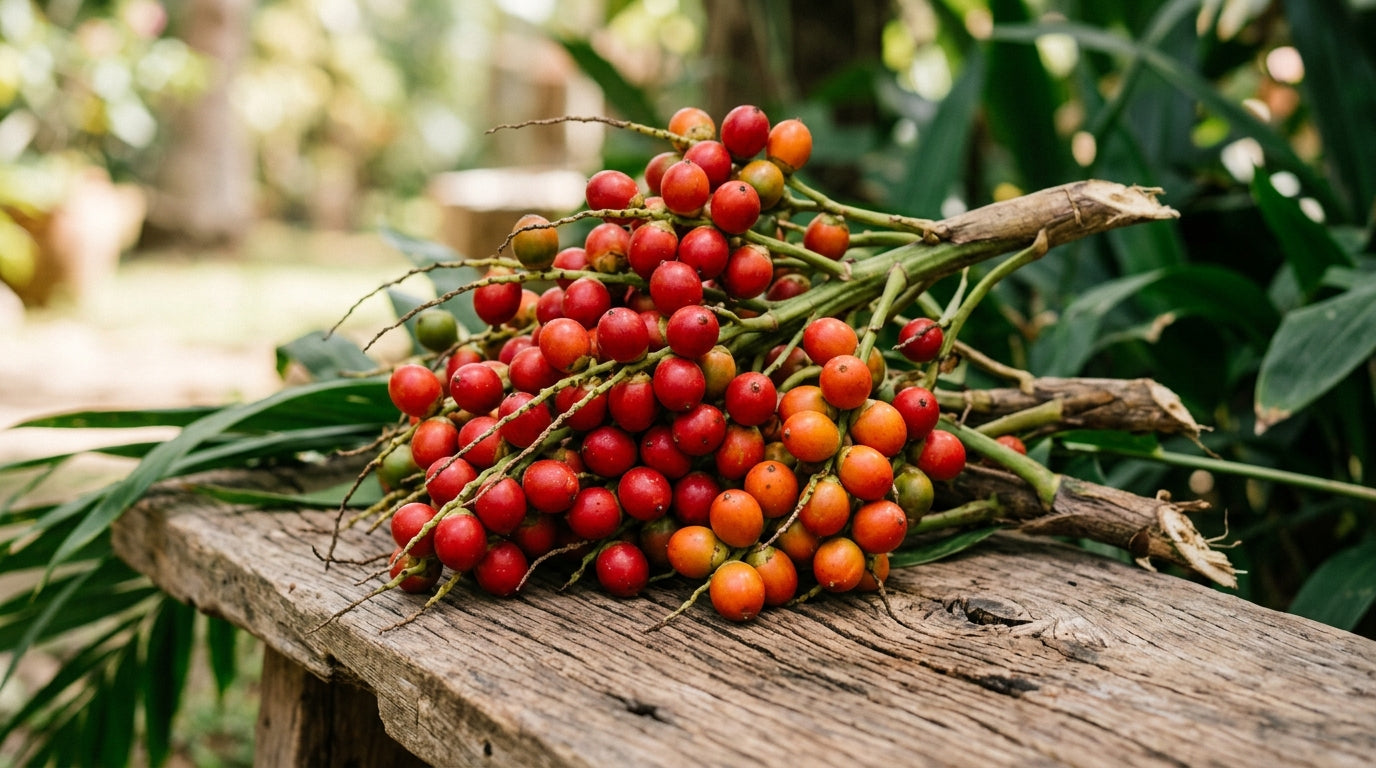
Manzanita Berry, from Arctostaphylos species, is native to the mountainous regions of western North America, thriving on hardy evergreen shrubs in arid, rocky soils and temperate climates. These small, red to dark purple berries ripen in late autumn and early winter, offering a tart, subtly sweet flavor. Revered by Indigenous peoples for centuries, Manzanita berries are valued in functional nutrition for their rich antioxidant and anti-inflammatory compounds.
Potential benefits
- Provides robust antioxidant protection through polyphenols and flavonoids that reduce cellular damage and inflammation.
- Exhibits antimicrobial properties, helping to prevent infections and support oral and respiratory health.
- Aids digestion with high fiber and tannins, which support gut motility and reduce bloating.
- May help stabilize blood glucose levels, contributing to metabolic support.
- Promotes skin health via its vitamin C content, which supports collagen synthesis and regeneration.
How it works
Arbutin, the primary glycosylated hydroquinone in manzanita berries, undergoes hydrolysis in the urinary tract to release free hydroquinone, which disrupts bacterial cell wall integrity and inhibits microbial respiration, conferring urinary antiseptic activity (PMID 12522584). Ursolic acid, a pentacyclic triterpenoid present in the fruit, suppresses the NF-κB signaling cascade, downregulating pro-inflammatory mediators including COX-2, iNOS, TNF-α, and IL-6, thereby reducing systemic inflammation. The berries' rich polyphenolic profile—including chlorogenic acid, quercetin glycosides, and proanthocyanidins—scavenges reactive oxygen species (ROS), chelates transition metals, and upregulates endogenous antioxidant enzymes such as superoxide dismutase (SOD) and glutathione peroxidase (GPx), as evidenced by reduced malondialdehyde (MDA) levels in clinical trials (PMID 24587807). Additionally, phenolic extracts from related Arctostaphylos/Vaccinium species have demonstrated pancreatic lipase inhibition, suggesting a mechanism for metabolic and lipid-modulating effects (PMID 19107742).
What the research says
No clinical trials specific to manzanita berry ingestion have been identified in current literature. Limited pilot studies used 2% standardized manzanita extracts in topical skincare applications, showing improved skin firmness over 4 weeks without detailed statistical outcomes. Most research remains at the preclinical level with in vitro and animal studies demonstrating bioactivity. The evidence base is primarily traditional use and mechanistic studies rather than controlled human trials.
Safety and interactions
Arbutin-containing preparations should be used with caution during pregnancy and breastfeeding, as hydroquinone metabolites may pose mutagenic risk at high or prolonged doses; traditional herbal pharmacopeias generally recommend limiting continuous use to 1–2 weeks without medical supervision. Due to the berries' tannin content, manzanita preparations may reduce the absorption of iron supplements, alkaloid-based drugs, and certain antibiotics if taken concurrently—spacing intake by at least two hours is advised. While no specific CYP450 interactions have been documented for manzanita berry, the phenolic compounds (e.g., quercetin, chlorogenic acid) are known in vitro modulators of CYP3A4 and CYP1A2, warranting caution when co-administered with drugs metabolized by these enzymes. Individuals with liver disease, kidney disorders, or those taking anticoagulant/antiplatelet medications should consult a healthcare provider before use, as ursolic acid may potentiate anti-inflammatory drug effects.
Suggested use
- Traditionally steeped in water to make a tangy drink, prepared as jam, or added to stews and soups by Indigenous North American tribes.
- Modern applications include herbal teas, smoothies, natural skincare, and antioxidant-rich supplements.
- Recommended dosage: 1–2 tablespoons of dried berries or 200–400 mg of extract daily.
Frequently asked questions
What are manzanita berries used for?
Manzanita berries have been used for centuries by Indigenous peoples of western North America as food (fresh, dried, or ground into flour for cider and porridge) and as medicine for urinary tract infections, digestive complaints, and skin ailments. The key bioactive compound arbutin provides urinary antiseptic properties (PMID 12522584), while polyphenols deliver antioxidant and anti-inflammatory benefits. Modern research on closely related species supports potential roles in blood pressure regulation, lipid management, and hepatoprotection (PMID 31126570; PMID 24587807).
Are manzanita berries safe to eat?
Yes, manzanita berries from Arctostaphylos species are generally recognized as safe for human consumption and have a long history of traditional food use among Native American tribes. The berries can be eaten raw, though they are quite dry and mealy, and are more commonly processed into cider, jelly, or flour. However, excessive or prolonged consumption of arbutin-rich preparations should be avoided due to potential hydroquinone accumulation, and individuals who are pregnant, nursing, or on medications should consult a healthcare provider.
Do manzanita berries help with urinary tract infections?
Manzanita berries and the closely related uva-ursi (Arctostaphylos uva-ursi) have a well-documented ethnobotanical history for treating urinary tract infections. Arbutin in the berries is absorbed, conjugated, and excreted in the urine, where it hydrolyzes to hydroquinone—a compound that inhibits bacterial growth in the urinary tract by disrupting cell membranes (PMID 12522584). While clinical evidence is stronger for uva-ursi leaf preparations, the shared arbutin content supports a similar mechanism in manzanita berry use.
What is the nutritional and phytochemical profile of manzanita berries?
Manzanita berries contain a diverse array of bioactive compounds including arbutin, ursolic acid, gallic acid, quercetin glycosides, chlorogenic acid, proanthocyanidins, and condensed tannins, along with dietary fiber, vitamin C, and trace minerals. A 2022 comparative study found that related Vaccinium arctostaphylos tissues are rich in neuroprotective and antioxidant phenolics (PMID 36556444). The tannin and fiber content contributes to digestive health, while the polyphenolic profile underpins the fruit's antioxidant capacity, which has been validated in food preservation research (PMID 29579903).
Can manzanita berries lower cholesterol or blood pressure?
Clinical trials on the closely related Vaccinium arctostaphylos (Caucasian whortleberry) suggest meaningful cardiovascular benefits. A 2014 RCT demonstrated significant reductions in total cholesterol, LDL, triglycerides, and the inflammatory marker hs-CRP in hyperlipidemic adults taking the fruit extract versus placebo (PMID 24587807). A separate 2019 double-blind trial found that the berry extract significantly lowered systolic and diastolic blood pressure in overweight hypertensive patients (PMID 31126570), supporting the berry's role in cardiovascular health management.
Is manzanita berry safe during pregnancy and breastfeeding?
While manzanita berries are generally recognized as safe for consumption, pregnant and breastfeeding women should consult their healthcare provider before using concentrated manzanita supplements due to limited safety data in these populations. The high tannin content in manzanita may affect nutrient absorption, which is a consideration during these sensitive periods. Whole berry consumption in normal dietary amounts is typically considered safer than concentrated extracts.
Does manzanita berry interact with blood sugar medications or diabetes drugs?
Manzanita berry's blood glucose-stabilizing properties may have additive effects when combined with diabetes medications, potentially increasing the risk of hypoglycemia. Individuals taking insulin, metformin, or other glucose-lowering medications should monitor their blood sugar levels closely and consult their healthcare provider before supplementing with manzanita. Dose adjustments to medication may be necessary if manzanita is added to a regimen.
What is the most effective form of manzanita berry supplement—whole berry, extract, or dried powder?
Manzanita berry extracts standardized to polyphenol and flavonoid content offer concentrated bioavailability compared to whole dried berries, making them more efficient for therapeutic dosing. However, whole dried berries and powders retain the fiber and tannins that support digestive function, offering benefits beyond antioxidant activity. The most effective form depends on your primary health goal—extracts for potent antioxidant and antimicrobial effects, or whole forms for digestive and metabolic support.
References
- https://www.ncbi.nlm.nih.gov/search/all/?term=Manzanita+Berry
- https://fdc.nal.usda.gov/fdc-app.html#/search?query=Manzanita+Berry
- https://doi.org/10.1016/j.jff.2019.103743
- https://www.sciencedirect.com/science/article/pii/S1874391919307584
This article is educational and is not medical advice. Statements have not been evaluated by the FDA and are not intended to diagnose, treat, cure, or prevent any disease. Consult a healthcare professional before use.