Research on catmon fruit is primarily limited to in vitro antioxidant assays demonstrating significant DPPH radical scavenging activity and phenolic content analysis. Small-scale preliminary studies have measured total phenolic content ranging from 45-78 mg gallic acid equivalents per 100g fresh fruit. No large-scale human clinical trials have been conducted to establish therapeutic dosages or clinical efficacy. Current evidence is promising but requires more robust clinical validation.

Origin
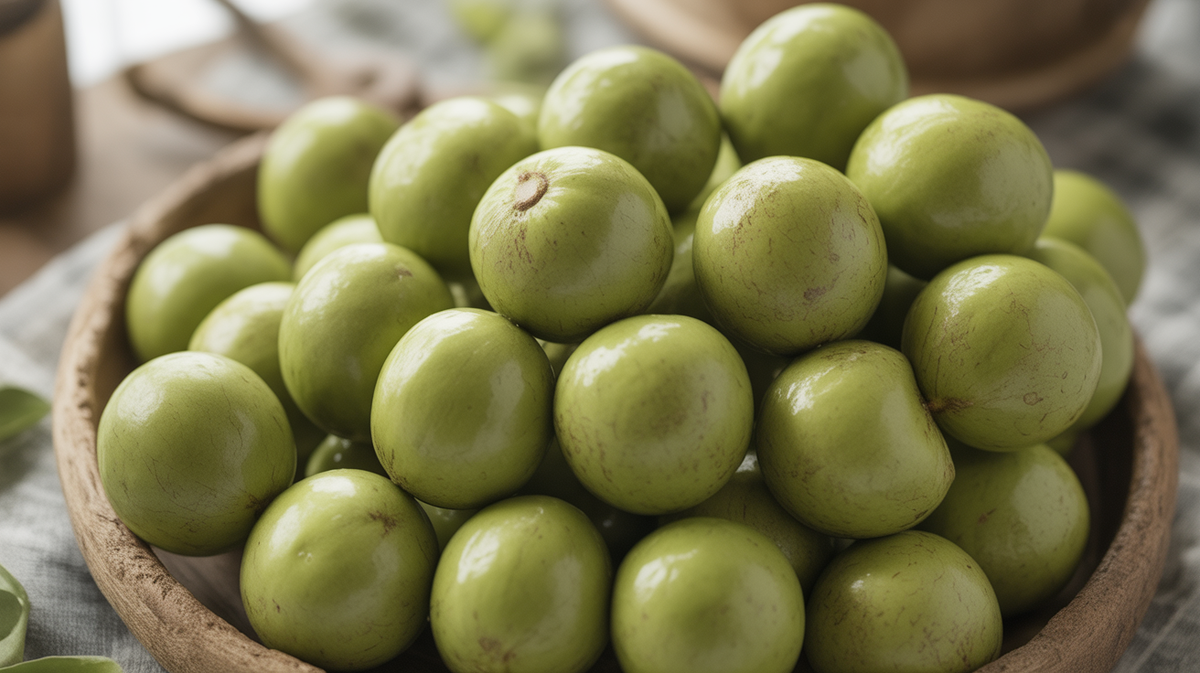
Endemic to the Philippines, commonly found in low to medium altitude forests across multiple islands; thrives in tropical climates with well-drained soils. Catmon Fruit is cultivated across tropical and subtropical regions worldwide, prized for its exceptional nutritional density and bioactive compound profile. Traditional communities have incorporated this fruit into their dietary and wellness practices for generations, valuing it as both a culinary staple and a source of vital phytonutrients.
Potential benefits
- Exhibits potent antioxidant activity due to high levels of phenolic compounds and flavonoids, helping to reduce oxidative stress and support immune defense.
- Supports immune function by protecting against cellular damage and enhancing natural defenses.
- Aids in digestion through its natural acidity, which stimulates gastric secretions and promotes nutrient absorption.
- Possesses antimicrobial properties, particularly in the pulp and peel, contributing to its traditional use for infections and its modern potential as a natural food preservative.
- Traditionally used to treat coughs, fever, and gastrointestinal ailments, including constipation.
How it works
Catmon fruit's phenolic compounds and flavonoids act as electron donors, neutralizing free radicals and preventing lipid peroxidation in cellular membranes. These antioxidants activate the Nrf2 pathway, upregulating endogenous antioxidant enzymes like glutathione peroxidase and catalase. The fruit's natural acids also support digestive enzyme activity and maintain optimal gastric pH levels.
What the research says
Research confirms its rich phytochemical profile, antioxidant capacity, and antimicrobial efficacy (PCAARRD, DLSHSI, JournalAIR), aligning with its traditional medicinal uses. Peer-reviewed research on Catmon Fruit includes phytochemical profiling, in vitro bioactivity screening, and nutritional composition analysis using standardized analytical methods. Published findings support its traditional applications and highlight opportunities for further clinical investigation.
Safety and interactions
Catmon fruit appears generally safe when consumed as a food, with no documented serious adverse effects in healthy individuals. The fruit's natural acidity may cause gastric irritation in sensitive individuals or those with existing peptic ulcers. No specific drug interactions have been reported, though the antioxidant compounds may theoretically affect medications metabolized by cytochrome P450 enzymes. Safety during pregnancy and lactation has not been established through clinical studies.
Suggested use
Recommended Dosage: Fresh: Consume 1-2 servings (about 150g) daily as part of a balanced diet. Powder: Mix 1-2 teaspoons (3-6g) into smoothies, yogurt, or beverages. Dried: 30-50g daily as a nutrient-dense snack.
Traditional Use & Preparation: - Traditional: Used in Filipino cuisine as a souring agent in dishes like sinigang; processed into jams, sauces, and traditional remedies for coughs, fevers, and digestive complaints.
General Guidance: Start with a lower dose and increase gradually. Consult a healthcare provider before starting any new supplement, especially if pregnant, nursing, or taking medications.
- Modern: Explored in functional foods and as a natural preservative due to its antimicrobial activity; used in nutraceutical formulations for immune and gut health.
- Recommended intake: Use fresh in culinary preparations or as a decoction in traditional remedies; regular dietary inclusion recommended for antioxidant and digestive support.
Frequently asked questions
How much catmon fruit should I eat daily for antioxidant benefits?
No standardized dosage has been established through clinical trials. Traditional consumption patterns suggest 1-2 fresh fruits (approximately 50-100g) may provide beneficial phenolic compounds, though optimal therapeutic doses require further research.
What antioxidant compounds are found in catmon fruit?
Catmon fruit contains phenolic compounds including gallic acid derivatives and flavonoids such as quercetin and catechin. These compounds contribute to its DPPH radical scavenging activity of approximately 45-78 mg gallic acid equivalents per 100g fresh fruit.
Can catmon fruit help with digestive problems?
The fruit's natural acids may support digestion by maintaining gastric pH and promoting enzyme activity. However, clinical evidence for digestive benefits is lacking, and the acidity may actually worsen symptoms in individuals with acid reflux or peptic ulcers.
Is catmon fruit safe to take with blood pressure medications?
No specific interactions with blood pressure medications have been documented. However, the fruit's antioxidant compounds could theoretically affect drug metabolism, so patients on medications should consult healthcare providers before regular consumption as a supplement.
How does catmon fruit compare to other antioxidant fruits?
Catmon fruit shows moderate antioxidant activity with 45-78 mg GAE per 100g, which is lower than blueberries (約140 mg GAE/100g) but comparable to oranges. More comparative studies are needed to establish its relative antioxidant potency among tropical fruits.
Is catmon fruit safe for children and pregnant women?
Catmon fruit is generally recognized as safe for children and pregnant women when consumed in normal food amounts, as it is a whole fruit with a long history of use in traditional diets. However, pregnant women should consult their healthcare provider before using catmon fruit supplements or concentrated extracts, as safety data specific to supplemental forms during pregnancy is limited. Children can safely enjoy catmon fruit as part of a balanced diet to support their developing immune systems.
References
This article is educational and is not medical advice. Statements have not been evaluated by the FDA and are not intended to diagnose, treat, cure, or prevent any disease. Consult a healthcare professional before use.