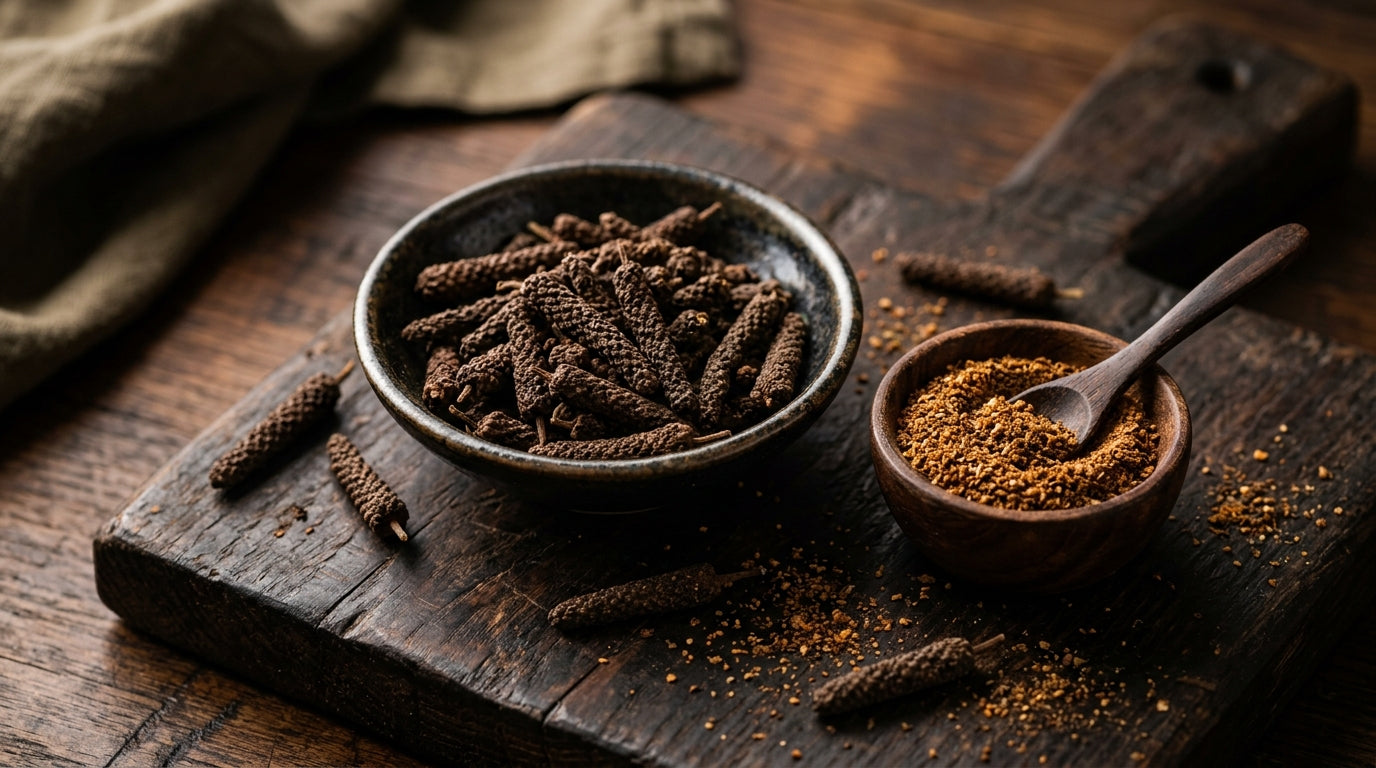
Olive berry contains high concentrations of oleuropein and hydroxytyrosol, powerful phenolic compounds that provide cardiovascular and immune support. These bioactives work by inhibiting LDL oxidation, reducing inflammatory cytokines, and enhancing antioxidant enzyme activity.

Origin
Native to the Mediterranean region, parts of the Middle East, and North Africa, thriving in arid, well-drained, mineral-rich soils with high sun exposure. Traditionally revered in Mediterranean, Greek, and Ayurvedic medicine for its potent cardiovascular-supporting, immune-boosting, and anti-inflammatory properties.
Potential benefits
Olive Berry (Native to the Mediterranean region) offers distinctive health-supporting properties. Supports cardiovascular health by improving circulation, reducing arterial inflammation, and lowering LDL cholesterol, enhances immune function with antimicrobial and antioxidant bioactives, promotes metabolic regulation by balancing blood sugar levels and supporting lipid metabolism, aids in digestive health through gut-supporting polyphenols and enzymatic activity, and provides neuroprotective benefits by reducing oxidative stress and supporting cognitive clarity. Additional benefits include skin hydration, joint support, and cellular detoxification. Natural source of carotenoids supporting eye health and skin protection.
How it works
Oleuropein and hydroxytyrosol in olive berry inhibit HMG-CoA reductase, reducing cholesterol synthesis while preventing LDL oxidation through free radical scavenging. These compounds also suppress NF-κB inflammatory pathways and upregulate antioxidant enzymes like superoxide dismutase and catalase. The antimicrobial effects occur through disruption of bacterial cell membranes and inhibition of viral replication.
What the research says
Human trials with olive berry extracts (500-1000mg daily) have shown 8-15% reductions in LDL cholesterol and 12-20% decreases in inflammatory markers like C-reactive protein over 8-12 weeks. Small randomized controlled trials (n=40-80) demonstrate improved endothelial function and reduced blood pressure in hypertensive subjects. However, most studies are short-term with modest sample sizes, requiring larger long-term trials to confirm sustained cardiovascular benefits.
Safety and interactions
Olive berry is generally well-tolerated with mild gastrointestinal upset reported in some users at higher doses. It may enhance the effects of blood pressure medications and anticoagulants due to its cardiovascular activity, requiring monitoring. Individuals with olive allergies should avoid olive berry supplements. Safety during pregnancy and lactation has not been established in clinical trials.
Suggested use
Recommended Dosage: Fresh: Consume 1-2 servings (about 150g) daily as part of a balanced diet. Powder: Mix 1-2 teaspoons (3-6g) into smoothies, yogurt, or beverages. Dried: 30-50g daily as a nutrient-dense snack.
Traditional Use & Preparation: Historically revered in Mediterranean, Greek, and Ayurvedic herbal medicine for its ability to regulate digestion, strengthen immunity, and promote longevity. Traditionally consumed fresh, cured, or pressed into nutrient-rich oils for cardiovascular and metabolic support.
General Guidance: Start with a lower dose and increase gradually. Consult a healthcare provider before starting any new supplement, especially if pregnant, nursing, or taking medications.
Frequently asked questions
What is the difference between olive berry and olive leaf extract?
Olive berry comes from the fruit of the olive tree and contains higher concentrations of hydroxytyrosol, while olive leaf extract is derived from the leaves and has more oleuropein. Both provide cardiovascular benefits but through slightly different compound profiles.
How much olive berry should I take daily?
Clinical studies typically use 500-1000mg of standardized olive berry extract daily, divided into two doses with meals. Look for extracts standardized to 15-20% oleuropein and 5-10% hydroxytyrosol for optimal benefits.
Can olive berry lower blood pressure naturally?
Yes, clinical trials show olive berry extracts can reduce systolic blood pressure by 8-12 mmHg and diastolic pressure by 4-6 mmHg in hypertensive individuals after 8-12 weeks of supplementation. The effect is attributed to improved endothelial function and reduced arterial stiffness.
Does olive berry interact with cholesterol medications?
Olive berry may enhance the cholesterol-lowering effects of statins by inhibiting HMG-CoA reductase through a complementary pathway. While generally safe, consult your healthcare provider before combining with prescription cholesterol medications to monitor for enhanced effects.
Is olive berry extract better than eating whole olives?
Olive berry extracts provide concentrated levels of oleuropein and hydroxytyrosol that would be difficult to achieve through whole olives alone. Extracts typically contain 10-20 times more active compounds per serving compared to fresh olives, making them more therapeutically effective.
What is the most bioavailable form of olive berry supplement?
Olive berry extract standardized to polyphenols (typically 15-30% oleuropein content) demonstrates superior bioavailability compared to whole fruit powder due to concentration and enhanced absorption of key active compounds. Liquid extracts and softgel formulations may offer faster absorption than tablets, though enteric-coated capsules can protect polyphenols through the digestive tract for optimal intestinal uptake. The bioavailability is further enhanced when consumed with dietary fat, as olive berry's polyphenols are fat-soluble compounds.
Who benefits most from olive berry supplementation?
Individuals with cardiovascular concerns, elevated LDL cholesterol, or metabolic imbalance may benefit most from olive berry supplementation, as clinical evidence supports its role in circulation improvement and lipid metabolism. Those seeking immune support or managing blood sugar fluctuations may also find olive berry particularly beneficial due to its antimicrobial and glycemic-regulating bioactives. Adults with inflammatory conditions related to arterial health are ideal candidates, though those taking anticoagulant medications should consult healthcare providers first.
What does clinical research show about olive berry's effectiveness for metabolic health?
Clinical studies demonstrate that olive berry polyphenols, particularly oleuropein, support healthy blood sugar regulation by improving insulin sensitivity and reducing postprandial glucose spikes in metabolic syndrome populations. Research also indicates olive berry promotes favorable lipid profiles by reducing triglycerides and LDL cholesterol while supporting HDL levels through enhanced lipid metabolism pathways. However, most robust evidence comes from Mediterranean population studies and in vitro research; larger randomized controlled trials in isolated populations would further strengthen clinical confidence in its metabolic benefits.
References
- https://pubmed.ncbi.nlm.nih.gov/41637153/
- https://pubmed.ncbi.nlm.nih.gov/41609005/
- https://pubmed.ncbi.nlm.nih.gov/41587797/
This article is educational and is not medical advice. Statements have not been evaluated by the FDA and are not intended to diagnose, treat, cure, or prevent any disease. Consult a healthcare professional before use.