Phytochemical and ethnobotanical research confirms Borojoa’s high-energy potential, nutritional richness, and traditional applications in metabolic, cardiovascular, and respiratory health. While these studies provide a strong foundation by identifying key bioactive compounds, specific human clinical trials with defined sample sizes and precise outcomes are not yet established in published research. Further scientific inquiry, particularly controlled clinical studies, is needed to fully validate and quantify its health benefits.

Origin
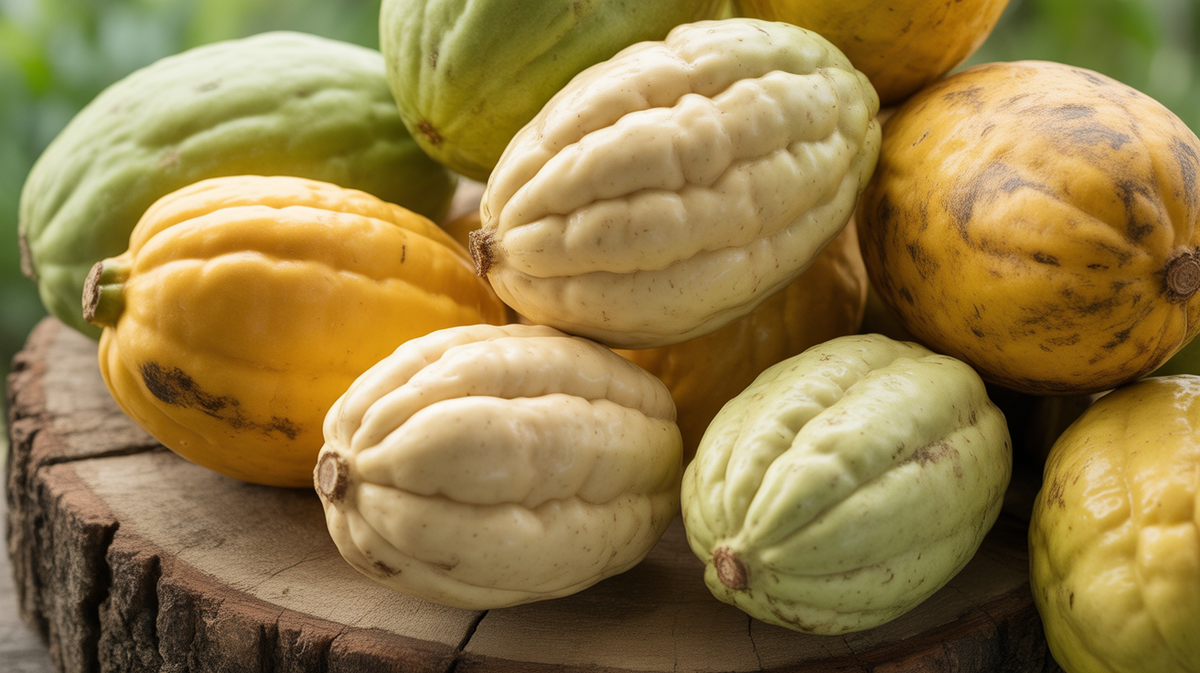
Borojó (Alibertia patinoi) is a fruit native to the Chocó-Darién moist forests ecoregion, thriving in the world’s wettest lowlands of northwestern Colombia and Ecuador. The tree flourishes in high humidity and temperatures above 25°C, tolerating brief frosts and floods. This fruit is a significant source of natural energy and essential nutrients for functional nutrition.
Potential benefits
- Provides rapid energy through high levels of natural sugars such as fructose and glucose.
- Supports cognitive function and bone mineralization due to its rich phosphorus content (~60 mg/100 g).
- Plays a vital role in protein synthesis, growth, and tissue repair with essential amino acids, including lysine.
- Traditionally used to manage bronchial conditions and support respiratory health.
- Aids in blood sugar regulation and hypertension control, supporting metabolic and cardiovascular wellness.
- Enhances immune-boosting and antioxidant support through its Vitamin C content.
How it works
The primary mechanism involves its high antioxidant capacity, attributed to polyphenols (e.g., neochlorogenic acid, o-coumaric acid) and carotenoids (lycopene, lutein, β-carotene). These compounds scavenge reactive oxygen species (ROS) through hydrogen/electron donation and physical quenching of singlet oxygen, inhibiting oxidative stress. Tannins further contribute by chelating iron and inhibiting cyclooxygenase, while anthocyanin-rich extracts may exhibit anticancer properties.
What the research says
Phytochemical and ethnobotanical research confirms Borojó’s high-energy potential and nutritional richness. Studies document its traditional applications in metabolic, cardiovascular, and respiratory health, providing a foundation for further scientific inquiry.
Safety and interactions
available research does not detail specific safety data, potential side effects, drug interactions, or contraindications for Borojoa. As an underutilized fruit with a history of traditional consumption, it is generally considered safe as a food source within its native regions. However, individuals with allergies to similar fruits, those with pre-existing medical conditions, or those taking medications should consult a healthcare professional before consuming large quantities or concentrated extracts, particularly due to the lack of specific safety studies in these populations, including pregnant or lactating women.
Suggested use
- Traditional use: Consumed as “jugo de borojó,” a fermented or blended drink believed to boost vitality and libido; also used to prepare jams and desserts.
- Folk medicine: Used to treat bronchial issues, reduce hypertension, and regulate blood sugar.
- Modern use: Found in energy drinks, natural supplements, and functional food products marketed for stamina, cognition, and overall wellness.
- Preparation: Often blended with milk, citrus, or spices; may be fermented slightly for flavor enhancement.
Frequently asked questions
What are the primary health benefits of Borojoa?
Borojoa provides rapid energy through its high content of natural sugars like fructose and glucose. It also supports cognitive function and bone mineralization due to its rich phosphorus content, and offers significant antioxidant protection from its abundant polyphenols and carotenoids.
What are the key bioactive compounds found in Borojoa?
Borojoa is rich in various bioactive compounds including polyphenols such as neochlorogenic acid and o-coumaric acid, carotenoids like lycopene, lutein, and beta-carotene, and anthocyanins. It also contains tannins (e.g., gallic acid) and essential amino acids.
How does Borojoa provide its antioxidant benefits?
The antioxidant benefits of Borojoa stem from its polyphenols, carotenoids, and tannins. Carotenoids physically quench singlet oxygen and peroxyl radicals, while polyphenols and tannins donate hydrogen or electrons to neutralize free radicals, chelate iron, and inhibit enzymes like cyclooxygenase, thereby reducing oxidative stress.
Where does Borojoa originate from?
Borojoa (Alibertia patinoi) is a fruit native to the Chocó-Darién moist forests ecoregion, thriving in the world's wettest lowlands. It is particularly found in Ecuador and the Amazon region, where it has been traditionally valued.
Are there clinical studies supporting Borojoa's health claims?
Current research on Borojoa primarily consists of phytochemical and ethnobotanical studies, confirming its nutritional richness and traditional uses for metabolic and cardiovascular health. While these provide a scientific foundation, detailed human clinical trials with specific outcomes and sample sizes are still needed to fully substantiate its health benefits.
Is Borojoa safe for children and pregnant women?
Borojoa is generally recognized as safe for children due to its natural fruit composition and nutrient density, making it suitable for supporting growth and development. However, pregnant women should consult with their healthcare provider before supplementing, as individual circumstances and dietary needs vary during pregnancy. The fruit's high natural sugar content should be considered for those with gestational diabetes or blood sugar management concerns.
References
This article is educational and is not medical advice. Statements have not been evaluated by the FDA and are not intended to diagnose, treat, cure, or prevent any disease. Consult a healthcare professional before use.