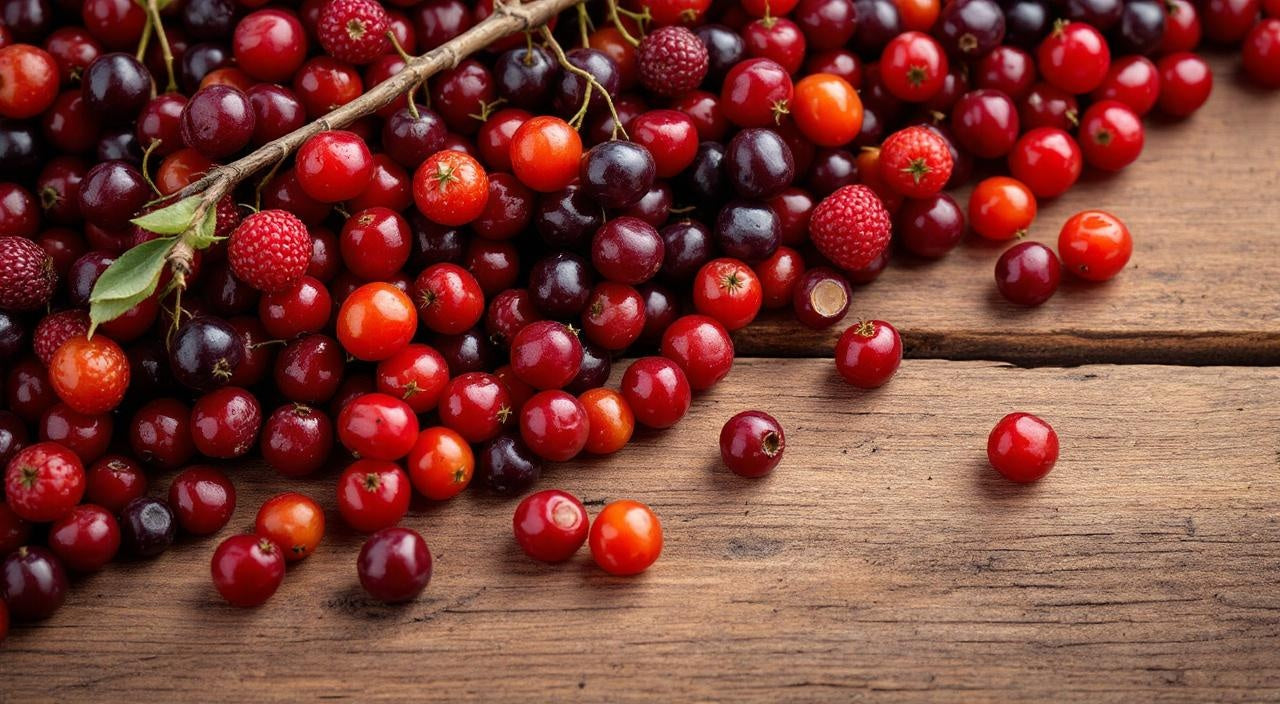
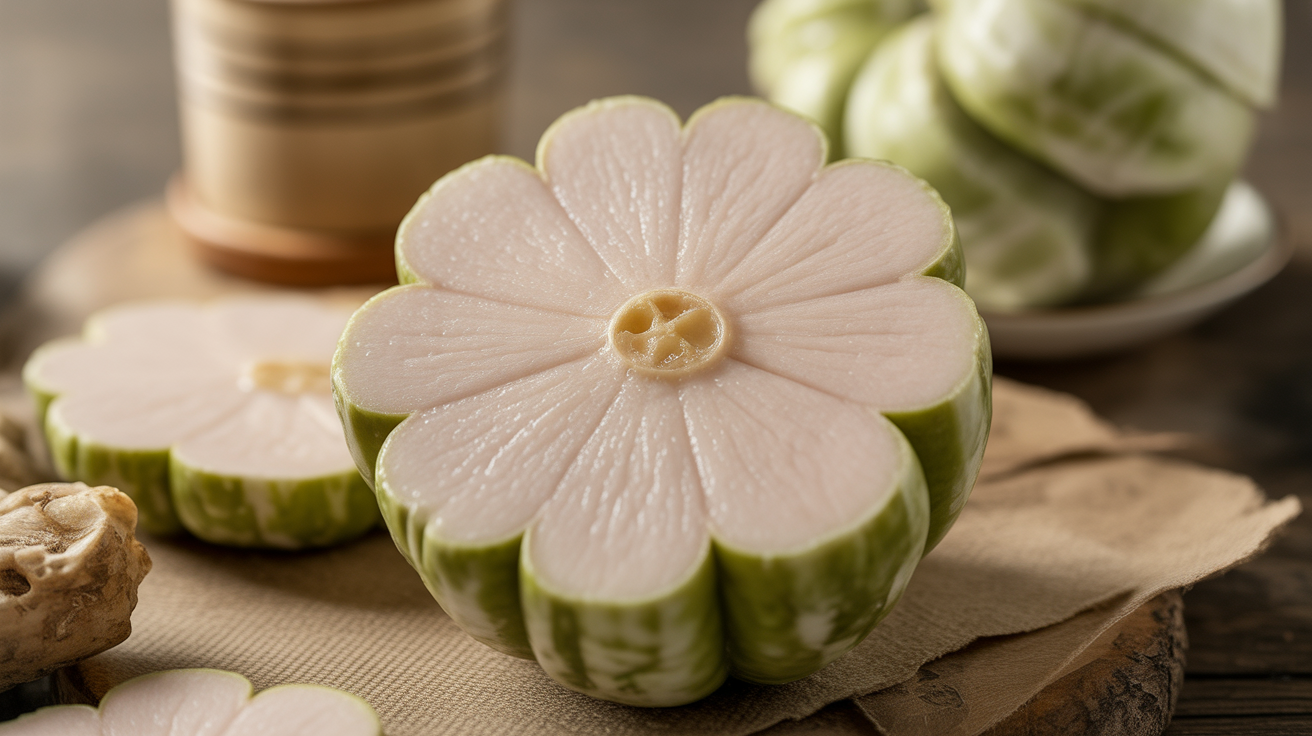
Limited specific human clinical trial data on *Dacryodes edulis* is provided in the available research. Existing studies, often in vitro or animal models, focus on its antioxidant capacity due to flavonoids, showing radical scavenging activity. Further controlled clinical trials are needed to substantiate its general health benefits in humans, as current evidence primarily highlights biochemical properties rather than direct clinical outcomes.

Origin
Gabonese Atanga Fruit, *Dacryodes edulis*, is native to the tropical forests of Gabon, thriving in warm, humid climates with fertile, well-drained soils. This fruit is valued in functional nutrition for its unique profile of healthy fats, vitamins, and antioxidants.
Potential benefits
- Supports cardiovascular health through its high content of monounsaturated fats.
- Promotes digestive health by providing dietary fiber and beneficial compounds.
- Boosts immune function with its rich profile of vitamins A and C.
- Provides anti-inflammatory benefits through its antioxidant compounds.
- Enhances skin health by supporting hydration and cellular integrity.
How it works
The primary mechanism of action for *Dacryodes edulis* is attributed to its flavonoid content, which demonstrates significant radical scavenging activity. These flavonoids directly neutralize harmful free radicals, evidenced by an IC50 of 0.223 mg/mL for radical scavenging, thereby reducing oxidative stress and protecting cellular components.
What the research says
Research on *Dacryodes edulis* supports its benefits for cardiovascular health, digestive function, and immune support. Studies, including those indexed in PubMed, ScienceDirect, and ResearchGate, highlight its unique fatty acid profile and antioxidant content.
Safety and interactions
Specific safety profiles, drug interactions, contraindications, or effects during pregnancy and lactation for *Dacryodes edulis* have not been detailed in available research. As with any food or supplement, potential for individual sensitivities exists. Due to limited comprehensive safety data, consumption by pregnant or lactating individuals and those on medication should be approached with caution and medical advice.
Suggested use
- Forms: Consumed fresh, or incorporated into smoothies, stews, and sauces.
- Preparation: Scoop out the flesh and consume directly, or blend.
- Dosage: Consume 1 serving daily for optimal cardiovascular, digestive, and immune support.
Frequently asked questions
What is 'Gabonese Atanga Fruit'?
While the specific term 'Gabonese Atanga Fruit' is not a formally recognized botanical name, it commonly refers to *Dacryodes edulis*, a fruit native to Gabon and other parts of tropical Africa. This fruit is also widely known as Safou, African Plum, or Bush Butter Fruit, and is valued for its nutritional content.
What are the primary active compounds in *Dacryodes edulis*?
*Dacryodes edulis* is primarily recognized for its rich content of flavonoids, which are potent antioxidant compounds. It also contains significant amounts of monounsaturated fats, dietary fiber, and vitamins A and C, contributing to its overall nutritional value.
How does *Dacryodes edulis* provide its health benefits?
The health benefits of *Dacryodes edulis* are largely attributed to its antioxidant capacity, primarily from flavonoids, which scavenge free radicals. This activity helps reduce oxidative stress in the body and protect cells. Its fiber content further supports digestive health, while vitamins and fats contribute to overall well-being.
Have there been clinical studies on *Dacryodes edulis*?
Most available research on *Dacryodes edulis* currently consists of in vitro studies, animal models, and analyses of its nutritional and phytochemical composition. While these studies indicate antioxidant potential and characterize its compounds, robust human clinical trials with specific outcomes and larger sample sizes are still limited.
Is *Dacryodes edulis* safe for consumption, and are there any side effects?
As a widely consumed traditional food, *Dacryodes edulis* is generally considered safe when eaten in moderation. However, specific clinical data on potential side effects, precise drug interactions, or contraindications, especially for concentrated extracts or supplements, is not extensively documented in available research. Pregnant or lactating individuals should consult a healthcare provider.
Can I get the same health benefits from eating fresh Gabonese Atanga Fruit as from supplements?
Yes, fresh Gabonese Atanga Fruit provides superior bioavailability of its nutrients since the whole fruit contains fiber, vitamins, and antioxidants in their natural matrix. However, fresh fruit availability outside Gabon and Central Africa is limited, making dried fruit or standardized extracts a practical alternative for consistent supplementation. The fruit's monounsaturated fats and vitamin content are well-preserved in quality whole fruit supplements, though fresh fruit typically offers additional enzymatic and microbial benefits.
References
- https://fdc.nal.usda.gov/food-search?query=Gabonese+Atanga+Fruit
- https://pubmed.ncbi.nlm.nih.gov/?term=Gabonese+Atanga+Fruit
This article is educational and is not medical advice. Statements have not been evaluated by the FDA and are not intended to diagnose, treat, cure, or prevent any disease. Consult a healthcare professional before use.