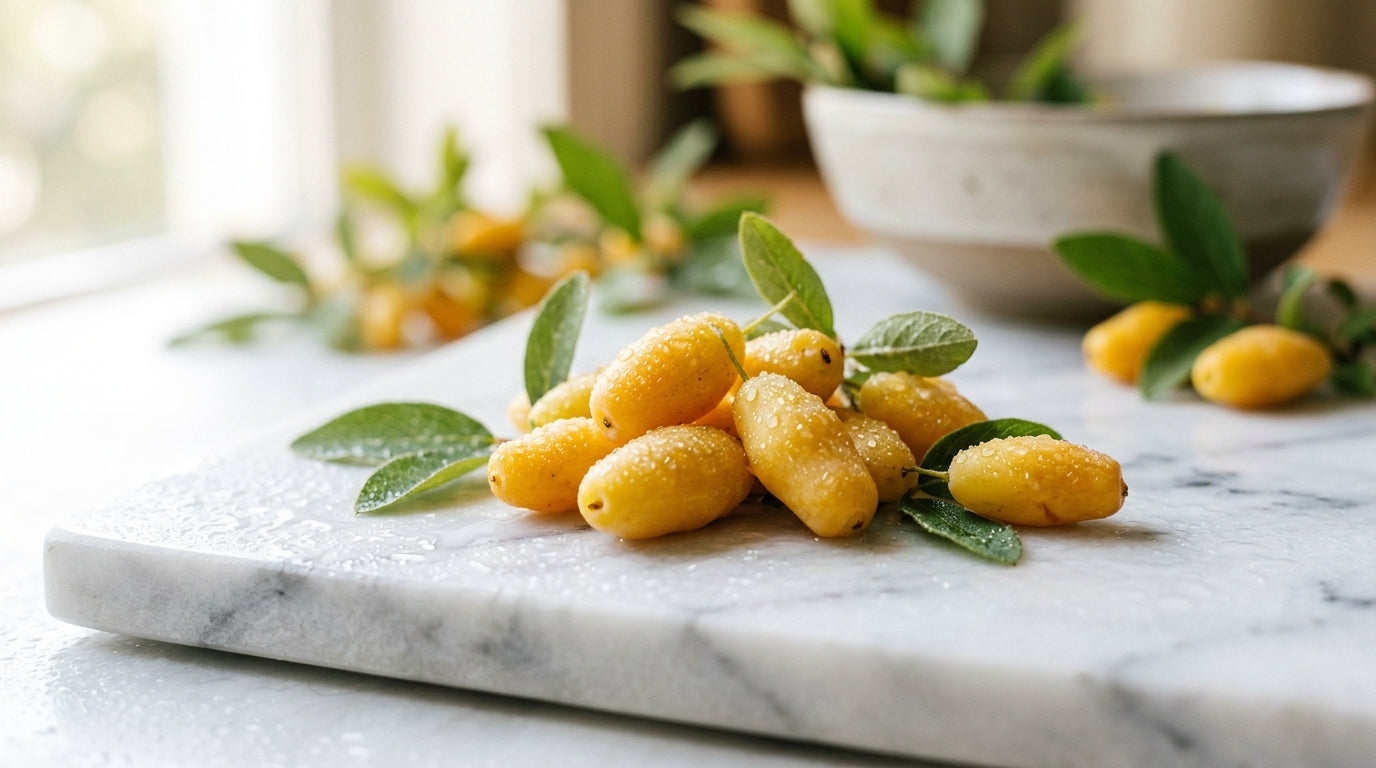
Guamuchil fruit (Pithecellobium dulce) contains high concentrations of phenolic compounds, with peel fractions reaching 15.46 mg GAE g⁻¹, that demonstrate potent antioxidant activity through DPPH and ABTS radical scavenging mechanisms. The fruit's bioactive compounds modulate metabolic health by stimulating beneficial gut bacteria like Faecalibacterium prausnitzii to produce butyrate and upregulating PPAR-γ/adiponectin pathways for enhanced insulin sensitivity.

Origin
Guamuchil (Pithecellobium dulce) is a versatile leguminous tree native to Mexico, Central America, and northern South America. Its pods contain a sweet-tart pulp, traditionally valued for its potent digestive, antimicrobial, and antioxidant properties, making it a significant functional food.
Potential benefits
- Supports digestive health by providing dietary fiber, promoting bowel regularity and nourishing beneficial gut bacteria.
- Enhances immune function and antimicrobial defense through bioactive compounds that support white blood cell activity.
- Neutralizes oxidative stress via its rich polyphenol content, promoting cellular longevity and DNA repair.
- Reduces systemic inflammation, supporting tissue repair and potentially alleviating discomfort.
- Supports healthy lipid profiles and regulates blood pressure, contributing to cardiovascular health.
- Improves metabolic efficiency by modulating glucose and lipid metabolism.
How it works
Phenolic compounds in guamuchil fruit, concentrated primarily in the peel fraction, scavenge DPPH and ABTS radicals while chelating metals to inhibit reactive oxygen species formation. The fruit's bioactive compounds stimulate beneficial bacteria like Faecalibacterium prausnitzii and Ruminococcus species to produce short-chain fatty acids, particularly butyrate. These metabolites upregulate PPAR-γ and adiponectin pathways, enhancing insulin sensitivity while modulating GIP incretin response through delayed gastric emptying.
What the research says
Human clinical evidence remains extremely limited, with only one documented study examining Pithecellobium dulce fruit flour intake effects on metabolic parameters. This preliminary research demonstrated enhanced short-chain fatty acid production and trends toward attenuated GIP response post-consumption, with insulin sensitivity improvements persisting up to 4 days. The majority of supporting evidence derives from in vitro studies showing antioxidant activity (peel DPPH: 4.13 mg AAE g⁻¹) and cytotoxicity against HeLa cancer cells. Larger randomized controlled trials are critically needed to establish clinical efficacy and safety profiles in humans.
Safety and interactions
No specific safety concerns, drug interactions, or contraindications have been documented in available research, though this likely reflects insufficient clinical investigation rather than confirmed safety. In vitro studies demonstrate cytotoxic activity against HeLa cancer cells, raising questions about potential effects on healthy human cells that remain unaddressed. The absence of adverse event data from human studies represents a significant knowledge gap requiring comprehensive safety evaluation. Pregnant and breastfeeding women should exercise caution given the complete lack of safety data in these populations.
Suggested use
- Fresh pulp: 1–2 cups (150–300g) daily, consumed directly or blended into smoothies.
- Extract: 500–1,500 mg daily, typically in capsule or powdered form for antioxidant and metabolic support.
- Traditionally, seeds and bark were used for antimicrobial remedies and teas.
Frequently asked questions
What are the main bioactive compounds in guamuchil fruit?
Guamuchil fruit contains phenolic compounds (15.46 mg GAE g⁻¹ in peel), flavonoids, alkaloids, anthraquinones, terpenes, sterols, tannins, and saponins. The peel fraction demonstrates the highest concentration of bioactive compounds compared to pulp (6.25 mg GAE g⁻¹) and seeds (0.23 mg GAE g⁻¹).
How does guamuchil fruit affect gut bacteria?
Guamuchil fruit stimulates beneficial bacteria including Faecalibacterium prausnitzii and Ruminococcus species to produce short-chain fatty acids, particularly butyrate. This microbiota modulation contributes to improved metabolic health and sustained insulin sensitivity improvements lasting up to 4 days post-consumption.
What is the antioxidant capacity of guamuchil fruit?
The peel fraction demonstrates significant antioxidant activity with DPPH radical scavenging capacity of 4.13 ± 0.03 mg AAE g⁻¹ and ABTS activity of 6.01 ± 0.01 mg AAE g⁻¹. This antioxidant activity correlates positively with total phenolic content and operates through metal chelation and ROS inhibition mechanisms.
Are there any clinical studies on guamuchil fruit in humans?
Human clinical evidence is extremely limited, with only one documented study examining Pithecellobium dulce fruit flour effects on metabolic parameters. The study showed enhanced SCFA production and trends toward improved GIP response, but larger randomized controlled trials are needed to establish clinical efficacy.
Is guamuchil fruit safe to consume?
No specific safety concerns have been reported, but this reflects insufficient clinical investigation rather than confirmed safety. In vitro cytotoxic activity against cancer cells raises unanswered questions about effects on healthy human cells, requiring comprehensive safety evaluation before widespread use.
Can guamuchil fruit interact with blood thinners or anticoagulant medications?
While guamuchil fruit contains polyphenols with mild anticoagulant properties, there is limited clinical evidence of significant interactions with prescription blood thinners like warfarin or DOACs. However, individuals taking anticoagulant medications should consult their healthcare provider before adding guamuchil supplements, as polyphenol-rich fruits may theoretically potentiate anticoagulant effects. No major adverse interactions have been documented, but caution is warranted in high-dose supplementation contexts.
Who benefits most from guamuchil fruit supplementation?
Individuals with compromised gut health, chronic inflammation, or weakened immune function may benefit most from guamuchil supplementation due to its fiber content and immune-supporting bioactive compounds. Those seeking natural antioxidant support or managing oxidative stress-related conditions like metabolic syndrome may also find value in regular consumption. People with constipation or poor digestive motility could particularly benefit from guamuchil's prebiotic fiber content.
How does guamuchil fruit compare to other fiber-rich tropical fruits like plantain or jicama for digestive health?
Guamuchil provides both soluble and insoluble fiber similar to plantain, but offers significantly higher polyphenol and antimicrobial compound concentrations that jicama lacks, giving it enhanced anti-inflammatory properties. While jicama is lighter and less sweet, guamuchil delivers stronger prebiotic activity to nourish beneficial gut bacteria, making it more targeted for dysbiosis. Plantain is more calorie-dense and starch-focused, whereas guamuchil provides a more balanced micronutrient profile with greater antioxidant potency.
References
- https://www.frontiersin.org/articles/10.3389/fphar.2022.876789/full
- https://pubmed.ncbi.nlm.nih.gov/32158734
- https://doi.org/10.1016/j.jff.2021.106011
- https://www.sciencedirect.com/science/article/abs/pii/S1756464621018417
- https://www.ncbi.nlm.nih.gov/pmc/articles/PMC7604623/
This article is educational and is not medical advice. Statements have not been evaluated by the FDA and are not intended to diagnose, treat, cure, or prevent any disease. Consult a healthcare professional before use.