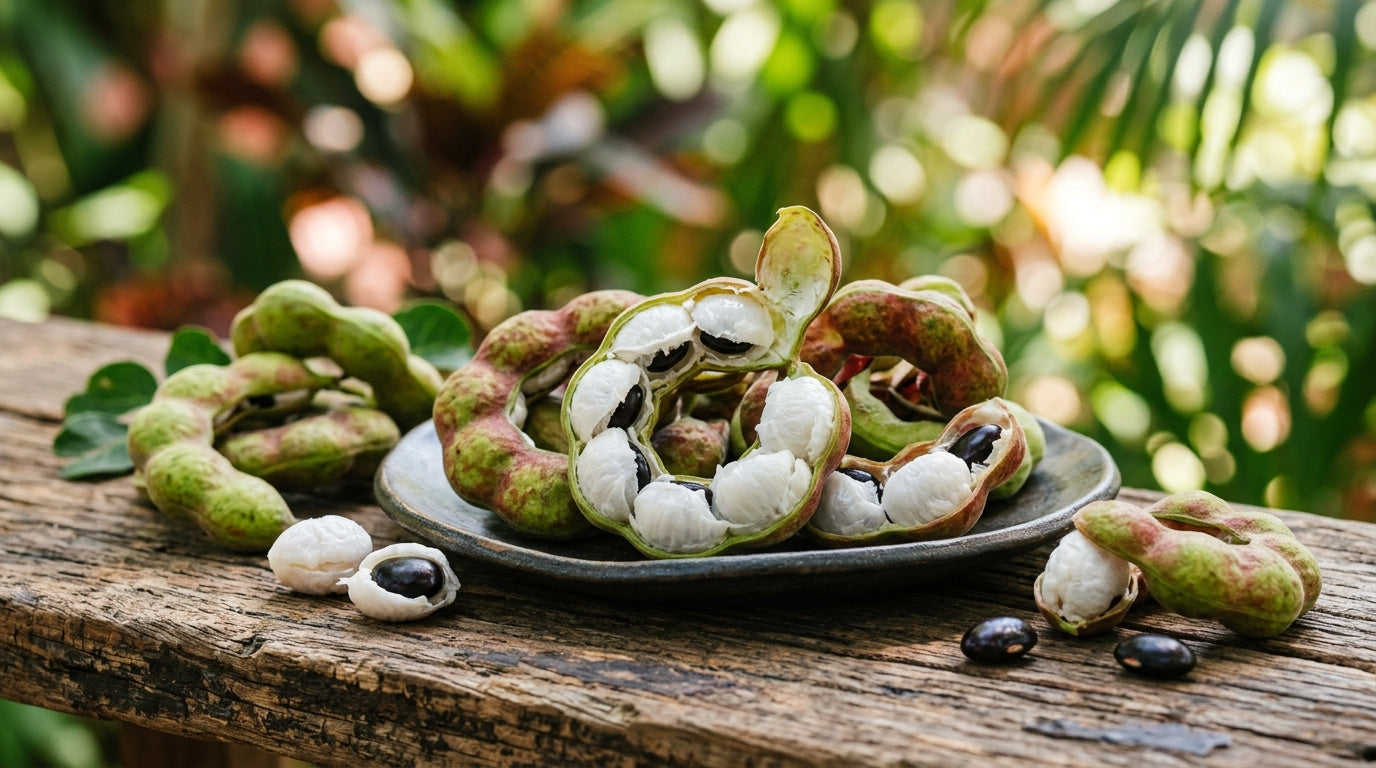
Indian Goosegrass contains flavonoids like luteolin and quercetin that inhibit COX-2 enzymes and scavenge free radicals, providing anti-inflammatory and antioxidant effects. The plant's phenolic acids and saponins enhance antioxidant enzymes GPX, GR, CAT, and GST while supporting hepatoprotective activity.

Origin
Indian Goosegrass (*Eleusine indica*) is a resilient annual grass native to tropical and subtropical regions of Asia and Africa. Valued for its hardiness and nutritional profile, it is recognized for its potential to support digestive health, metabolic wellness, and immune resilience.
Potential benefits
- Supports digestive health by promoting regularity and a balanced gut microbiome through its fiber content.
- Enhances metabolic wellness by aiding blood sugar regulation and supporting energy metabolism.
- Boosts immune resilience with its antioxidant and antimicrobial compounds.
- Provides cardiovascular protection by supporting healthy circulation and reducing oxidative stress.
- Reduces inflammation and supports joint health through its bioactive phytochemicals.
How it works
Flavonoids including luteolin, apigenin, and quercetin scavenge free radicals and inhibit COX-2 enzymes to reduce inflammation and lipid peroxidation. Phenolic acids like ferulic and caffeic acid strengthen capillaries and promote circulation. The plant's bioactive compounds collectively boost antioxidant enzymes GPX, GR, CAT, and GST while increasing glutathione (GSH) levels to combat oxidative stress.
What the research says
Limited human clinical trials exist, with most evidence from animal and in vitro studies. In hepatoprotective rat studies using CCl4-induced toxicity, doses showed dose-dependent GSH increases and restored antioxidant enzyme activities. Anti-cancer research on MCF-7 breast cancer cells demonstrated IC50 of approximately 85 μg/ml, reducing cell viability to 34.09% at 100 μg/ml. Anti-inflammatory studies showed 35.60-74.50% inhibition in neutrophils and 39.60-63.40% in macrophages, though larger human trials are needed to confirm clinical efficacy.
Safety and interactions
No major safety concerns reported in available studies, though high methaemoglobin generation was noted with crude extracts, particularly n-hexane fractions. Potential COX-2 inhibition may interact with NSAIDs, requiring monitoring when used concurrently. Should be avoided during pregnancy and lactation due to insufficient safety data. Traditional Ayurvedic properties suggest caution in individuals with aggravated Vata dosha, and allelopathic phenolic compounds warrant careful dosing considerations.
Suggested use
- Traditional Use: Employed in Ayurvedic and African medicine for respiratory issues, infections, and digestive disorders.
- Modern Forms: Used in functional teas, encapsulated supplements, and wellness formulations.
- Dosage: Specific dosage varies by preparation; consult product guidelines for optimal use.
Frequently asked questions
What are the main bioactive compounds in Indian Goosegrass?
Indian Goosegrass contains flavonoids like luteolin, apigenin, and quercetin, phenolic acids including ferulic and caffeic acid, alkaloids with indole derivatives, saponins, and terpenoids with specific 30-carbon structures. These compounds work synergistically to provide antioxidant, anti-inflammatory, and hepatoprotective effects.
Is Indian Goosegrass effective for liver protection?
Animal studies show hepatoprotective effects through dose-dependent increases in glutathione (GSH) and restoration of antioxidant enzymes GPX, GR, CAT, and GST in CCl4-induced liver toxicity. However, human clinical trials are limited, and more research is needed to confirm liver protective benefits in humans.
What is the recommended dosage for Indian Goosegrass?
No standardized human dosage exists due to limited clinical trials. In vitro studies used concentrations ranging from 10-100 μg/ml, with IC50 values around 85 μg/ml for anti-cancer effects. Professional guidance is essential before use due to potential methaemoglobin generation at higher concentrations.
Can Indian Goosegrass interact with medications?
Potential COX-2 enzyme inhibition may interact with NSAIDs and anti-inflammatory medications. No specific drug interactions are well-documented, but the plant's bioactive compounds could theoretically affect medication metabolism. Consultation with healthcare providers is recommended before combining with prescription medications.
Is Indian Goosegrass safe during pregnancy?
Indian Goosegrass should be avoided during pregnancy and lactation due to insufficient safety data in these populations. Traditional Ayurvedic classifications suggest potential effects on Vata dosha, and the lack of human clinical trials makes safety assessment difficult during sensitive periods.
What foods contain Indian Goosegrass, and can I get sufficient amounts from diet alone?
Indian Goosegrass (Phyllanthus niruri) is not commonly available as a whole food in standard Western diets, though it grows naturally in tropical and subtropical regions where it may be consumed as a traditional herb or added to local dishes. To obtain therapeutic amounts of its bioactive compounds like phyllanthin and hypophyllanthin for health benefits, supplementation is typically necessary, as dietary amounts from occasional consumption are generally insufficient. However, incorporating it into herbal teas or traditional preparations in cultures where it grows naturally can provide additional nutritional support alongside a balanced diet.
Does the form of Indian Goosegrass supplement (powder, extract, capsule) affect its effectiveness?
Standardized extracts of Indian Goosegrass are generally more bioavailable and potent than whole-plant powders, as extraction concentrates the active compounds and improves absorption in the digestive tract. Capsules containing standardized extracts (typically standardized to phyllanthin content) deliver consistent dosing and bypass potential taste barriers associated with powders or teas. Liquid extracts may offer faster absorption, but whole-plant powders provide additional fiber benefits for digestive health, making the optimal form dependent on your specific health goals.
Who would benefit most from Indian Goosegrass supplementation?
Individuals seeking support for digestive regularity, blood sugar management, or immune function may benefit most from Indian Goosegrass, particularly those looking to complement a healthy lifestyle with antioxidant-rich botanicals. People with metabolic concerns or those seeking cardiovascular support through natural compounds could also find this ingredient useful as part of a comprehensive wellness regimen. Those with inflammatory conditions or seeking anti-microbial botanical support may experience benefits, though individual results vary and consultation with a healthcare provider is recommended for personalized recommendations.
References
- https://www.ncbi.nlm.nih.gov/search/all/?term=Indian+Goosegrass
- https://pubmed.ncbi.nlm.nih.gov/33789255
- https://www.sciencedirect.com/science/article/pii/S1878535219300673
- https://www.ncbi.nlm.nih.gov/pmc/articles/PMC7365818/
This article is educational and is not medical advice. Statements have not been evaluated by the FDA and are not intended to diagnose, treat, cure, or prevent any disease. Consult a healthcare professional before use.