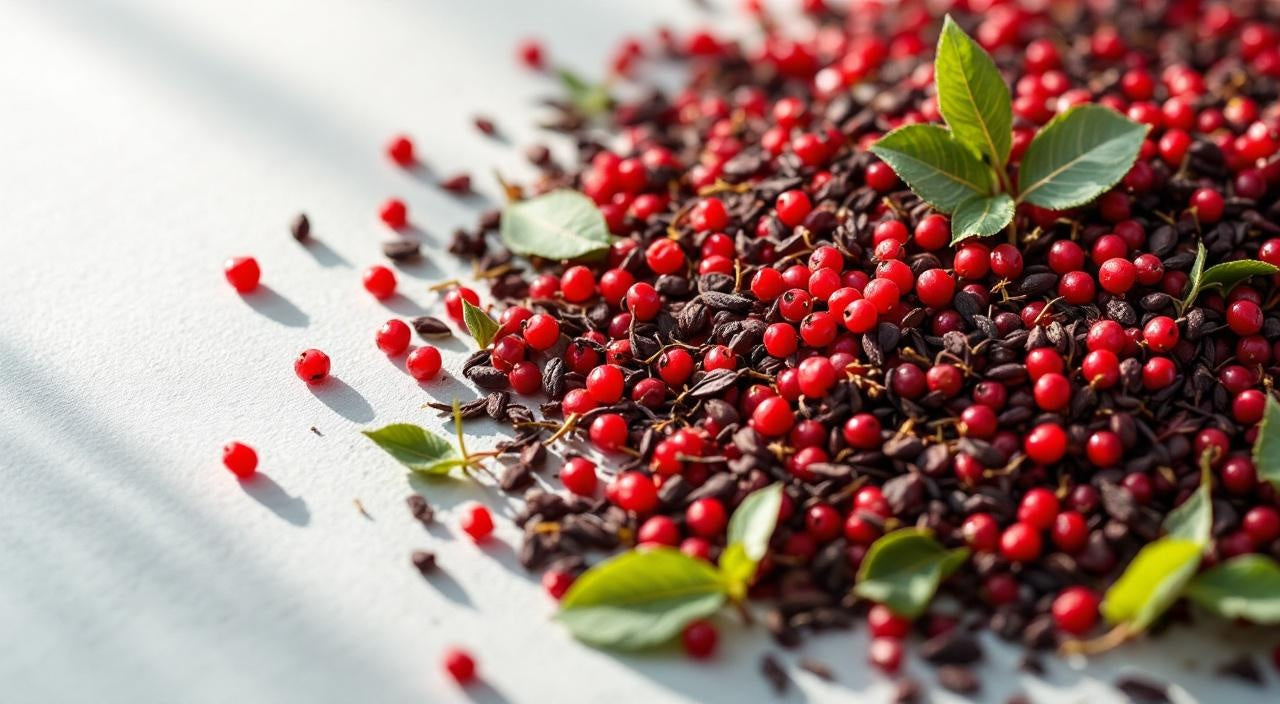
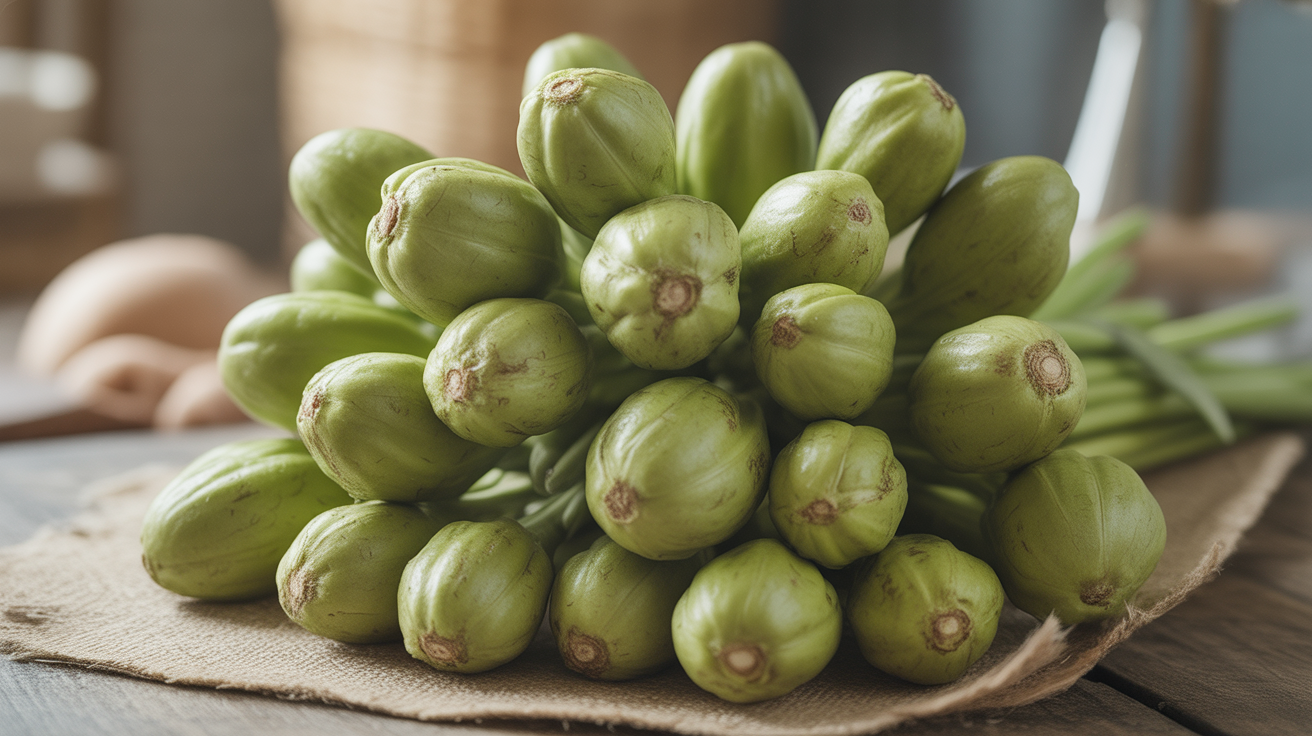
While highly valued in traditional medicine, scientific studies on Korean Green Plum are predominantly preliminary, focusing on *in vitro* and animal models. Research suggests its polyphenols and organic acids provide antioxidant, anti-inflammatory, and digestive benefits, showing inhibition of inflammatory markers like NO, IL-6, and TNF-α. Specific human clinical trials with defined sample sizes and outcomes are still emerging to fully validate these effects.

Origin
Korean Green Plum (Prunus mume, often referred to as Prunus salicina in some contexts) is native to East Asia, particularly Korea, thriving in temperate climates with fertile, well-drained soils. This tart fruit is highly valued in functional nutrition for its rich content of organic acids, flavonoids, and vitamin C, supporting digestive health and immune function.
Potential benefits
- Provides potent antioxidant protection through its high content of flavonoids and anthocyanins.
- Supports digestive health by promoting gut motility and balancing gastric acidity with organic acids.
- Boosts immune function by supplying abundant Vitamin C and other immune-modulating compounds.
- Promotes skin health by enhancing collagen synthesis and protecting against oxidative stress.
- Reduces inflammation through its diverse profile of bioactive phytochemicals.
How it works
Korean Green Plum exerts its effects primarily through phenolic compounds and flavonoids such as rutin, which scavenge free radicals and inhibit pro-inflammatory cytokines like NO, IL-6, and TNF-α. Its organic acids contribute to digestive balance and gut motility, while seed oils provide essential fatty acids, tocopherols, and phytosterols for broader nutritional support.
What the research says
While traditionally valued, scientific studies specifically on Korean Green Plum (Prunus mume/salicina) are emerging. Preliminary research suggests its antioxidant, anti-inflammatory, and digestive benefits, primarily attributed to its organic acids and polyphenols, warranting further clinical investigation.
Safety and interactions
Comprehensive data on the specific side effects, drug interactions, and contraindications for Korean Green Plum consumption are not detailed in available research. As with many natural products, individual sensitivities may vary. Pregnant or breastfeeding individuals should consult a healthcare professional before use, due to the lack of specific safety studies in these populations.
Suggested use
- Common Forms: Fresh fruit, pickled (maesil-cheong), extract, or in sauces and jams.
- Dosage (Fresh Fruit): 1–2 servings (50–100 grams) daily.
- Dosage (Extract): 1 teaspoon daily, incorporated into recipes or beverages.
- Traditional Use: Widely used in Korean cuisine for its tart flavor and health-promoting properties, often fermented into a syrup (maesil-cheong).
- Modern Applications: Integrated into functional foods, drinks, and supplements for digestive and immune support.
Frequently asked questions
What are the primary health benefits of Korean Green Plum?
Korean Green Plum offers potent antioxidant protection through its high content of flavonoids and anthocyanins. It supports digestive health by promoting gut motility and balancing gastric acidity with organic acids, while boosting immune function with Vitamin C and other compounds.
Which compounds are responsible for Korean Green Plum's effects?
Its primary bioactive compounds include phenolics and flavonoids like rutin, which are responsible for antioxidant and anti-inflammatory actions. Seed oils contribute oleic and linoleic acids, tocopherols, and phytosterols, adding to its nutritional and health properties.
How does Korean Green Plum exert its anti-inflammatory effects?
The flavonoids and phenolics in Korean Green Plum demonstrate anti-inflammatory activity by inhibiting key inflammatory mediators. Research shows it can significantly inhibit nitric oxide (NO), interleukin-6 (IL-6), and tumor necrosis factor-alpha (TNF-α), reducing inflammation.
Is there strong scientific evidence for Korean Green Plum's health benefits?
Preliminary research, primarily *in vitro*, suggests antioxidant, anti-inflammatory, and digestive benefits, attributing these to its organic acids and polyphenols. While promising, more comprehensive human clinical trials are needed to fully establish and confirm these effects.
What is Korean Green Plum and how is it traditionally used?
Korean Green Plum refers to the unripe fruit of Prunus mume, a plant native to East Asia. Traditionally, it is valued as both food and medicine in Korean and Chinese cultures, known for its balanced nutrition and various medicinal properties.
Is Korean Green Plum safe to take with blood thinners or anticoagulant medications?
Korean Green Plum contains compounds that may have mild anticoagulant properties, so caution is warranted when combining it with blood thinners like warfarin or aspirin. It is advisable to consult with a healthcare provider before supplementing if you are currently taking anticoagulant medications. Most dietary amounts are considered safe, but supplemental doses warrant medical oversight.
References
This article is educational and is not medical advice. Statements have not been evaluated by the FDA and are not intended to diagnose, treat, cure, or prevent any disease. Consult a healthcare professional before use.