Sea lettuce algae (Ulva lactuca) contains electrophilic compounds with α,β-unsaturated carbonyl moieties that activate the Nrf2 antioxidant pathway by alkylating Keap1 protein. These bioactive compounds demonstrate anti-inflammatory effects by reducing nitric oxide and PGE2 production in macrophages while providing essential minerals including iodine for thyroid function.

Origin
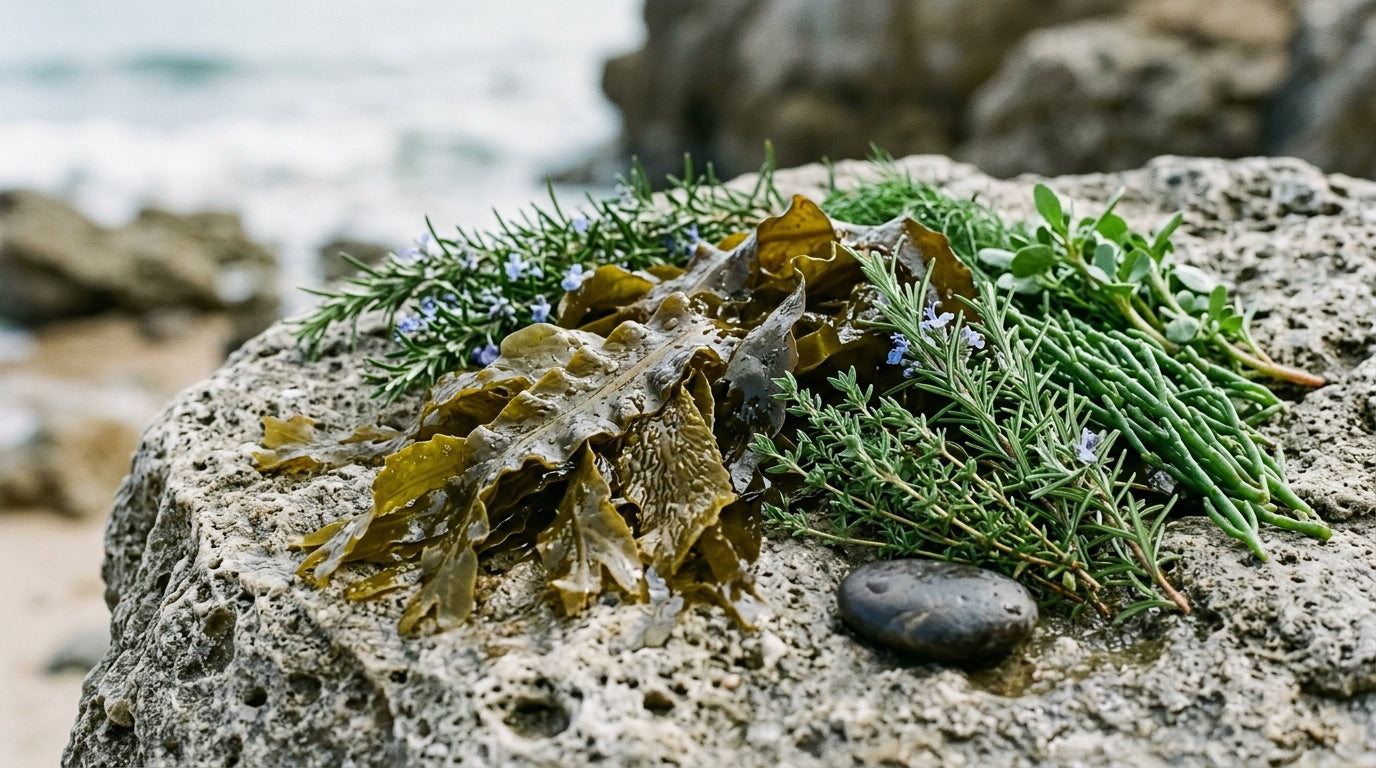
Sea lettuce (Ulva lactuca) is a vibrant green macroalga thriving in temperate and tropical coastal regions worldwide. This edible seaweed attaches to substrates in nutrient-rich intertidal and shallow subtidal zones. Valued for its comprehensive nutritional profile, it is a significant source of essential minerals, vitamins, and bioactive compounds for functional nutrition.
Potential benefits
- Supports thyroid function by providing a rich source of iodine, essential for hormone synthesis and metabolic regulation.
- Enhances cardiovascular health through essential minerals like potassium and magnesium, which regulate blood pressure and heart rhythm.
- Promotes digestive wellness via soluble dietary fiber, fostering gut motility and a balanced microbiome.
- Reduces oxidative stress and inflammation with a high concentration of antioxidants, including beta-carotene, vitamin C, and polyphenols.
- Contributes to muscle repair and growth by supplying a complete profile of essential amino acids.
- Modulates immune response through bioactive compounds like ulvans, exhibiting antiviral and anti-inflammatory properties.
How it works
Electrophilic compounds in Ulva lactuca act as Michael acceptors, alkylating Keap1 protein and disrupting the Keap1-Nrf2 complex. This promotes Nrf2 nuclear translocation and induces antioxidant response element (ARE)-driven genes like Nqo1 and hPAP. The mechanism also attenuates LPS-induced iNOS and Cox2 expression, reducing inflammatory mediators NO and PGE2 in RAW264.7 macrophages.
What the research says
Current evidence is limited to preclinical studies with no published human clinical trials available. In mouse models, oral administration of 140 mg/kg showed 3.2-fold increase in hPAP expression in liver and 3.9-fold in lung after 12 hours, confirming bioavailability and Nrf2 pathway activation. The small sample size (n=3) and lack of human data significantly limit clinical applicability. Well-controlled human trials are needed to establish therapeutic efficacy and safety profiles.
Safety and interactions
No specific safety concerns, drug interactions, or contraindications are documented in current research literature. Preclinical studies in mice showed bioavailability without reported toxicity at tested doses of 140 mg/kg. However, the high iodine content may pose risks for individuals with thyroid disorders or those on thyroid medications. Pregnant and breastfeeding women should exercise caution due to potential iodine excess and lack of safety data in these populations.
Suggested use
- Forms: Fresh, dried, powdered, rehydrated.
- Culinary Use: Add to salads, soups, smoothies, or use as a seasoning.
- Dosage: 5–10 grams of dried sea lettuce daily.
- Applications: Functional foods, nutritional supplements, plant-based protein products, vegan omega-3 supplements.
Frequently asked questions
What compounds in sea lettuce algae provide antioxidant benefits?
Sea lettuce contains electrophilic compounds with α,β-unsaturated carbonyl moieties that activate the Nrf2 antioxidant pathway. It also provides polysaccharides, polyphenols, and anthocyanins that contribute to its antioxidant properties.
How much iodine does sea lettuce algae contain for thyroid support?
While sea lettuce is recognized as a rich source of iodine essential for thyroid hormone synthesis, specific iodine concentrations vary by harvesting location and processing methods. The iodine content can be significant enough to support thyroid function but may also pose risks for those with thyroid conditions.
Are there any clinical studies proving sea lettuce algae benefits in humans?
No human clinical trials have been published to date. Current evidence comes only from preclinical mouse studies showing Nrf2 pathway activation and anti-inflammatory effects in cell cultures.
What is the recommended dosage for sea lettuce algae supplements?
No established human dosage recommendations exist due to lack of clinical trials. Preclinical studies used 140 mg/kg in mice, but this cannot be directly extrapolated to human dosing without proper clinical research.
Can sea lettuce algae interact with thyroid medications?
Due to its high iodine content, sea lettuce may potentially interfere with thyroid medications and monitoring. Individuals taking thyroid drugs should consult healthcare providers before use, as excess iodine can affect thyroid hormone levels and medication effectiveness.
Is sea lettuce algae safe during pregnancy and breastfeeding?
Sea lettuce algae is generally recognized as safe during pregnancy and breastfeeding due to its whole-food nutrient profile, though excessive iodine intake should be avoided as it may affect fetal thyroid development. Pregnant and nursing women should consult their healthcare provider before supplementing, as iodine requirements increase during these periods and excessive amounts can be harmful. The iodine content in sea lettuce varies by source and processing, making professional guidance essential for appropriate dosing during these sensitive life stages.
What is the difference between sea lettuce algae and other commonly used seaweeds like kelp or nori?
Sea lettuce algae (Ulva species) typically contains less iodine than kelp but more than nori, making it a moderate source for iodine-conscious consumers who want thyroid support without excessive intake. While kelp is primarily used for intensive iodine supplementation, sea lettuce offers a more balanced mineral profile with higher potassium and magnesium content relative to its iodine levels. Nori, commonly used in sushi, contains minimal iodine but excels in protein and vitamin content, whereas sea lettuce provides superior fiber and micronutrient diversity for overall digestive and cardiovascular health.
Who should avoid sea lettuce algae supplementation due to underlying health conditions?
Individuals with hyperthyroidism, Graves' disease, or those on thyroid-suppressing medications should avoid sea lettuce due to its iodine content, which could exacerbate their condition. People with a history of iodine sensitivity or allergies to iodine-containing compounds should consult a healthcare provider before use. Those with shellfish allergies may experience cross-reactivity with seaweed products, though sea lettuce allergies are relatively rare compared to other seaweed species.
References
- https://www.ncbi.nlm.nih.gov/search/all/?term=Sea+Lettuce+Algae
- https://pubmed.ncbi.nlm.nih.gov/35567892
- https://www.sciencedirect.com/science/article/pii/S0963996919302894
- https://www.ncbi.nlm.nih.gov/pmc/articles/PMC7533126/
This article is educational and is not medical advice. Statements have not been evaluated by the FDA and are not intended to diagnose, treat, cure, or prevent any disease. Consult a healthcare professional before use.