Nipa palm sap (Nypa fruticans) contains bioactive phenolic compounds including gallic acid, quercetin, and catechin that provide antioxidant activity with DPPH scavenging at SC50 = 105.23 µg/mL. The sap demonstrates anti-inflammatory properties by inhibiting nitric oxide production in activated macrophages with IC50 values of 17.59-28.29 µL/mL.

Origin
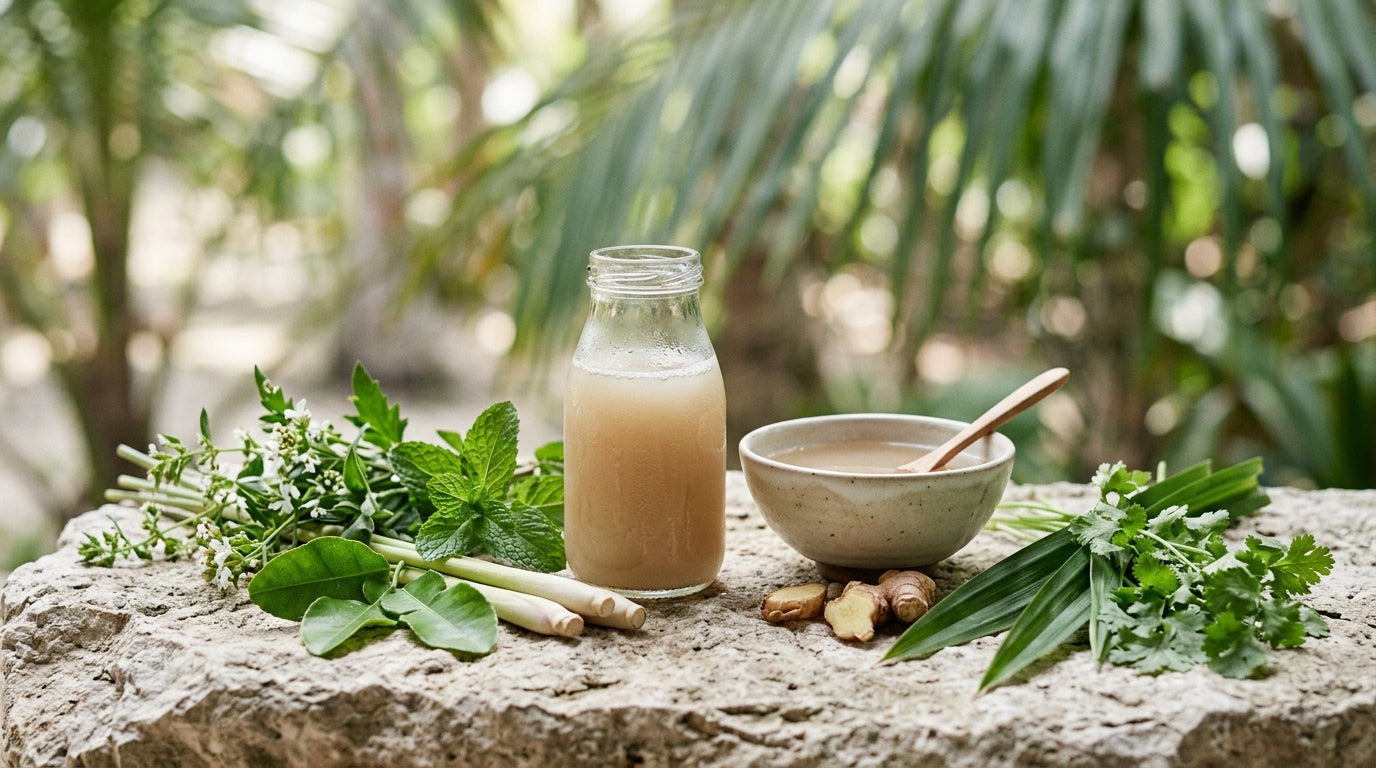
Nipa Palm Sap (Nypa fruticans) is a natural sweetener and functional beverage tapped from the flower stalks of the Nipa palm. This unique palm is native to Southeast Asia and the Indian subcontinent, thriving in coastal and estuarine mangrove ecosystems with saline, waterlogged soils. The sap is valued in functional nutrition for its electrolyte-rich profile and prebiotic properties, supporting hydration and gut health.
Potential benefits
- Supports hydration and electrolyte balance due to its rich mineral content.
- Promotes prebiotic gut health through inulin-type prebiotics, fostering a healthy microbiome.
- Exhibits antioxidant properties, primarily from phenolic compounds, reducing oxidative stress.
- Aids in energy metabolism by providing natural sugars for sustained vitality.
- Contributes to glycemic control, offering a lower glycemic index compared to refined sugars.
- Supports liver detoxification processes, assisting the body's natural cleansing.
- Provides an internal cooling effect, traditionally used to alleviate fever and inflammation.
How it works
Nipa palm sap's phenolic compounds including gallic acid, isoquercetin, quercetin, catechin, and rutin scavenge DPPH and nitric oxide radicals while inhibiting lipid peroxidation. The bioactive compounds inhibit pancreatic lipase and cholesterol esterase enzymes for antilipidemic effects, and suppress nitric oxide production in LPS-activated RAW 264.7 macrophages for anti-inflammatory activity. Antimicrobial effects occur through disruption of bacterial cell membranes via peptidoglycan and phospholipid interactions.
What the research says
Current evidence for nipa palm sap is limited to in vitro studies using cell lines such as RAW 264.7 macrophages and enzymatic assays. Laboratory studies demonstrate dose-dependent anti-inflammatory effects at concentrations of 12.5-25 µL/mL and antilipidemic activity with 41.66% cholesterol esterase inhibition at 300 µg/mL. No human clinical trials have been conducted to validate these preliminary findings. The evidence strength is weak, requiring controlled human studies to establish therapeutic efficacy and appropriate dosing protocols.
Safety and interactions
Nipa palm vinegar (fermented sap) shows no toxicity to human skin fibroblasts at concentrations up to 1.0 mg/mL in laboratory testing. No documented drug interactions or specific contraindications have been identified in available research. Safety data is limited to basic cytotoxicity screening, with no comprehensive animal studies or human safety trials reported. Pregnant and nursing women should avoid use due to insufficient safety data, and comprehensive toxicological evaluation is needed before therapeutic recommendations.
Suggested use
- Common Forms: Fresh sap, fermented palm wine/vinegar, evaporated syrup, natural sweetener.
- Preparation: Traditionally tapped from flower stalks. Can be consumed fresh, or processed into sugar and vinegar.
- Dosage: For fresh sap, 100-150 ml per day; for evaporated syrup, 1-2 teaspoons per day.
- Applications: Used in health beverages, natural sweeteners, functional foods, and as a plant-based electrolyte drink.
Frequently asked questions
What are the main bioactive compounds in nipa palm sap?
Nipa palm sap contains phenolic compounds including gallic acid, isoquercetin, quercetin, catechin, and rutin at concentrations of 167.10 µg GAE/mL. Additional bioactive compounds include tannins, alkaloids, saponins, flavonoids, steroids, triterpenoids, and phytol.
How effective is nipa palm sap as an antioxidant?
Laboratory studies show nipa palm sap scavenges DPPH radicals with SC50 = 105.23 µg/mL and nitric oxide radicals with SC50 = 0.84 µg/mL. However, it shows only weak inhibition of lipid peroxidation compared to standard antioxidants.
Can nipa palm sap help with cholesterol management?
In vitro studies demonstrate nipa palm sap inhibits cholesterol esterase with 41.66% inhibition at 300 µg/mL, outperforming simvastatin at the same concentration. It also inhibits pancreatic lipase and suppresses cholesterol micellization, but human studies are needed to confirm clinical relevance.
Is nipa palm sap safe for regular consumption?
Limited safety testing shows no toxicity to human cells up to 1.0 mg/mL, but comprehensive safety studies in animals and humans are lacking. No drug interactions have been identified, though more extensive toxicological evaluation is needed before regular therapeutic use.
What is the difference between fresh nipa palm sap and nipa palm vinegar?
Fresh nipa palm sap is the unprocessed liquid tapped from flower stalks, while nipa palm vinegar (NPV) is the fermented form that concentrates bioactive compounds. Most research focuses on the fermented vinegar form, which contains higher concentrations of phenolic compounds and demonstrated bioactivity.
How much nipa palm sap should I consume daily for health benefits?
Most traditional uses recommend 30–60 ml (1–2 fluid ounces) of fresh nipa palm sap daily, though optimal dosage varies based on individual health goals and digestive tolerance. Since nipa palm sap contains natural sugars, starting with smaller amounts (15–30 ml) and gradually increasing allows your body to adapt, particularly if you're new to prebiotics. Fermented forms like nipa palm vinegar are often used in smaller quantities—1–2 tablespoons diluted in water—due to their concentrated nature. Consult a healthcare provider to determine the appropriate dose for your specific needs.
Is nipa palm sap safe for pregnant women and children?
Nipa palm sap is generally recognized as safe for most populations due to its natural origin and low toxicity profile, but pregnant women should consult their healthcare provider before regular consumption to ensure it aligns with their individual health plan. For children, nipa palm sap can be introduced gradually in small amounts as part of a balanced diet, though its natural sugar content should be monitored, especially for young children prone to dental sensitivity. The prebiotic inulin in nipa palm sap may cause mild digestive changes (bloating or gas) in children unaccustomed to high-fiber foods. Parents should introduce it slowly and discontinue if adverse reactions occur.
What does the current clinical research say about nipa palm sap's effectiveness for gut health?
Research indicates that nipa palm sap's inulin-type prebiotic content can support beneficial gut bacteria growth, though most evidence comes from in vitro studies and traditional use rather than large-scale human clinical trials. A limited number of human studies suggest that regular consumption may improve digestive comfort and microbial diversity, but sample sizes have been small and long-term efficacy data remains sparse. The prebiotic mechanism is well-established for similar inulin sources, lending credibility to nipa palm's potential, but high-quality randomized controlled trials specifically on nipa palm sap are needed to strengthen the evidence base. Current evidence is considered promising but not yet definitive for clinical recommendations.
References
- https://fdc.nal.usda.gov/fdc-app.html#/search?query=Nipa+Palm+Fruit
- https://www.ncbi.nlm.nih.gov/search/all/?term=Nipa+Palm+Fruit
- https://www.ncbi.nlm.nih.gov/search/all/?term=Nipa+Palm+Sap
- https://www.ncbi.nlm.nih.gov/pmc/articles/PMC154606/
- https://www.ncbi.nlm.nih.gov/pmc/articles/PMC23710209/
- https://www.ncbi.nlm.nih.gov/pmc/articles/PMC26321511/
- https://www.ncbi.nlm.nih.gov/pmc/articles/PMC8076185
- https://www.sciencedirect.com/science/article/pii/S1878450X22000494
This article is educational and is not medical advice. Statements have not been evaluated by the FDA and are not intended to diagnose, treat, cure, or prevent any disease. Consult a healthcare professional before use.