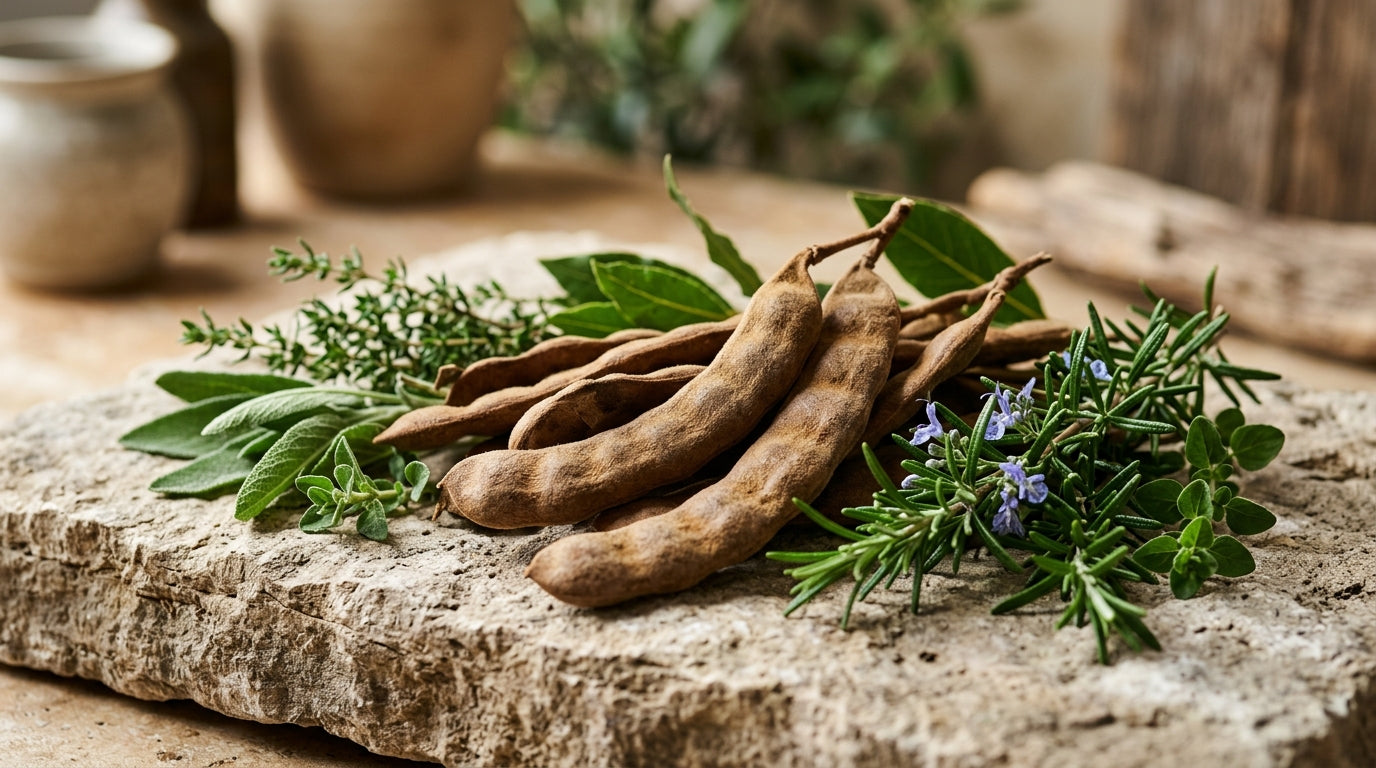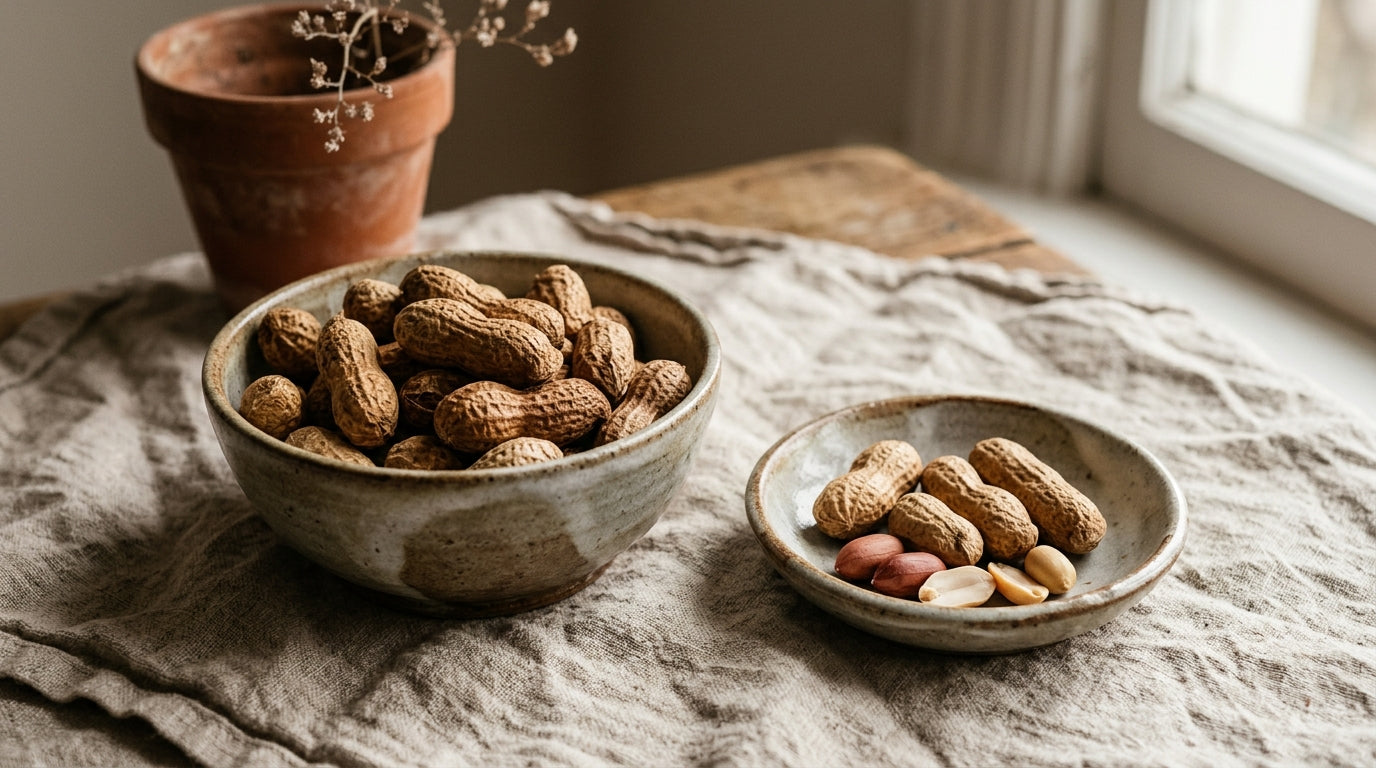
Monkey Nut (Arachis hypogaea) seeds are rich in monounsaturated oleic acid and polyunsaturated linoleic acid, which reduce LDL cholesterol by inhibiting hepatic HMG-CoA reductase, alongside resveratrol, p-coumaric acid, and niacin that collectively lower cardiovascular disease risk—a benefit supported by umbrella reviews showing nut consumption reduces CVD mortality by up to 29% (PMID 32326404). The seeds also supply choline for acetylcholine synthesis and bioavailable magnesium, manganese, and folate that support neurotransmitter function, glycemic regulation, and cellular antioxidant defense.

Origin
Monkey Nut (Arachis hypogaea), commonly known as peanut, is a legume native to South America, widely cultivated across Africa, Asia, and the Southern United States. Valued for its dense nutritional profile, it serves as a foundational ingredient in functional nutrition for its broad-spectrum health benefits.
Potential benefits
- Supports cardiovascular health by improving lipid profiles and reducing arterial stiffness due to monounsaturated and polyunsaturated fats.
- Enhances brain function and cognitive clarity through niacin and choline, which are crucial for neurotransmitter synthesis.
- Promotes metabolic balance by regulating blood sugar and insulin sensitivity, aided by dietary fiber and healthy fats.
- Improves gut health and microbiome diversity through its rich dietary fiber content, supporting digestive regularity.
- Sustains energy levels and muscle recovery with essential amino acids, particularly arginine, vital for circulation and protein synthesis.
- Reduces systemic inflammation due to the presence of resveratrol and other polyphenols, offering antioxidant protection.
How it works
Oleic acid (18:1 n-9) and linoleic acid (18:2 n-6) in monkey nut seeds downregulate hepatic HMG-CoA reductase and upregulate LDL receptor expression, synergistically lowering circulating LDL cholesterol and improving the LDL-to-HDL ratio. The phytosterol content (principally β-sitosterol at ~60–80 mg per 100 g) competes with dietary cholesterol for intestinal absorption via NPC1L1 transporter displacement, further reducing cholesterol bioavailability. Choline, present at approximately 52 mg per 100 g of raw peanuts, serves as the substrate for choline acetyltransferase (ChAT), which catalyzes acetylcholine synthesis critical for hippocampal memory consolidation and parasympathetic signaling. Additionally, resveratrol and p-coumaric acid activate the Nrf2-ARE antioxidant pathway, upregulating superoxide dismutase (SOD) and glutathione peroxidase (GPx), while simultaneously inhibiting NF-κB-mediated pro-inflammatory cytokine transcription (TNF-α, IL-6).
What the research says
Current evidence comes primarily from nutritional and biochemical analyses rather than controlled clinical trials specific to monkey nuts. Observational studies suggest cardiovascular benefits through improved lipid profiles, though sample sizes and study durations vary widely across research. Limited clinical data exists specifically for cognitive enhancement claims, with most evidence derived from individual nutrient studies rather than whole seed interventions. The metabolic regulation benefits are supported by general legume research but lack monkey nut-specific randomized controlled trials.
Safety and interactions
Peanut allergy is one of the most common and potentially severe IgE-mediated food allergies, affecting approximately 1–3% of children in Western populations; exposure can trigger anaphylaxis, and individuals with known tree nut or legume allergies should exercise caution and consult an allergist before consumption. Monkey nuts contain moderate oxalate levels (~187 mg per 100 g), which may contribute to calcium oxalate kidney stone formation in susceptible individuals, and their vitamin K content (~0.7 µg per 28 g serving) is negligible so warfarin interaction risk is minimal. However, peanuts are a notable source of omega-6 linoleic acid, and excessive intake alongside anticoagulant or antiplatelet medications (e.g., aspirin, clopidogrel) may theoretically augment bleeding tendency due to altered eicosanoid balance, though clinical evidence for this interaction at dietary levels is limited. Aflatoxin contamination from Aspergillus flavus and A. parasiticus molds is a recognized safety concern; consumers should select properly stored, inspected products and avoid visibly damaged or discolored kernels.
Suggested use
- Traditionally consumed raw, roasted, or ground into pastes for energy and nourishment.
- Used in South American tonics and African medicinal porridges for stamina and immune support.
- Valued in Ayurveda for warming and stabilizing blood sugar.
- Modern uses include protein powders, cardiovascular blends, nootropic snacks, and adaptogenic performance formulas.
- Recommended dosage: 1–2 servings or 500–1000 mg of extract daily.
Frequently asked questions
What is monkey nut and is it the same as a peanut?
Monkey nut is a common colloquial name for the peanut (Arachis hypogaea), a legume cultivated primarily for its edible seeds that develop underground. Despite being called a 'nut,' it is botanically a legume in the family Fabaceae, more closely related to lentils and chickpeas than to true tree nuts such as almonds or walnuts.
What are the main health benefits of monkey nuts?
Monkey nuts support cardiovascular health through their monounsaturated and polyunsaturated fat profile, which lowers LDL cholesterol and improves endothelial function; the PREDIMED trial (PMID 23432189) showed a ~30% reduction in major cardiovascular events with a nut-supplemented Mediterranean diet. They also provide niacin (~12 mg per 100 g), folate, magnesium, and choline, supporting neurotransmitter synthesis, metabolic regulation, and antioxidant defense.
How many monkey nuts should you eat per day?
Most clinical guidelines and research, including the PREDIMED protocol (PMID 24829485), suggest approximately 30 g (about a small handful, or roughly 28–35 peanuts) per day as a beneficial serving. This amount provides around 170 calories, 7 g of protein, and meaningful doses of healthy fats without excessive caloric intake, fitting well within a balanced diet.
Are monkey nuts good for gut health and digestion?
Yes, monkey nuts contain approximately 8.5 g of dietary fiber per 100 g, including both soluble and insoluble fractions that promote colonic motility and support microbiome diversity. The British Dietetic Association guidelines emphasize dietary fiber from whole-food sources, including nuts and legumes, as a primary strategy for managing chronic constipation in adults.
Can monkey nuts help reduce the risk of type 2 diabetes?
Epidemiological evidence reviewed by Mozaffarian (Circulation, 2016; PMID 26746178) identifies suboptimal nut and seed intake as a modifiable dietary risk factor for type 2 diabetes. The fiber, magnesium (~168 mg per 100 g), and healthy fat content of monkey nuts improve insulin sensitivity and attenuate postprandial glycemic spikes, and observational data consistently link regular nut consumption with a 13–27% lower risk of developing type 2 diabetes.
Are monkey nuts safe for people with peanut allergies?
Monkey nuts are peanuts, so they are not safe for people with peanut allergies and should be strictly avoided. Even trace amounts can trigger allergic reactions ranging from mild itching to severe anaphylaxis in sensitive individuals. Those with peanut allergies should consult their healthcare provider before consuming any peanut-derived products.
Does roasting or processing monkey nuts affect their nutritional value?
Roasting monkey nuts can slightly reduce some heat-sensitive vitamins like B vitamins, but it enhances the bioavailability of certain antioxidants and makes minerals more accessible. Raw and roasted monkey nuts retain their beneficial monounsaturated and polyunsaturated fats, though added salt or oil during processing can increase sodium content. The difference in nutritional profile between raw and roasted is minimal, and both forms provide substantial health benefits.
Can monkey nuts interact with blood-thinning medications like warfarin?
Monkey nuts are not known to significantly interact with blood-thinning medications like warfarin; however, their high vitamin K content (in the skin) could theoretically affect anticoagulant effectiveness if consumed in very large quantities. Individuals taking warfarin or other anticoagulants should maintain consistent intake of monkey nuts rather than drastically changing consumption patterns, and should discuss dietary changes with their healthcare provider. For most people on standard anticoagulant doses, moderate monkey nut consumption poses minimal interaction risk.
References
- https://www.ncbi.nlm.nih.gov/search/all/?term=Monkey+Nut
- https://fdc.nal.usda.gov/fdc-app.html#/search?query=Monkey+Nut
- https://www.ncbi.nlm.nih.gov/pmc/articles/PMC6566872/
- https://www.sciencedirect.com/science/article/pii/S2213453020300792
This article is educational and is not medical advice. Statements have not been evaluated by the FDA and are not intended to diagnose, treat, cure, or prevent any disease. Consult a healthcare professional before use.