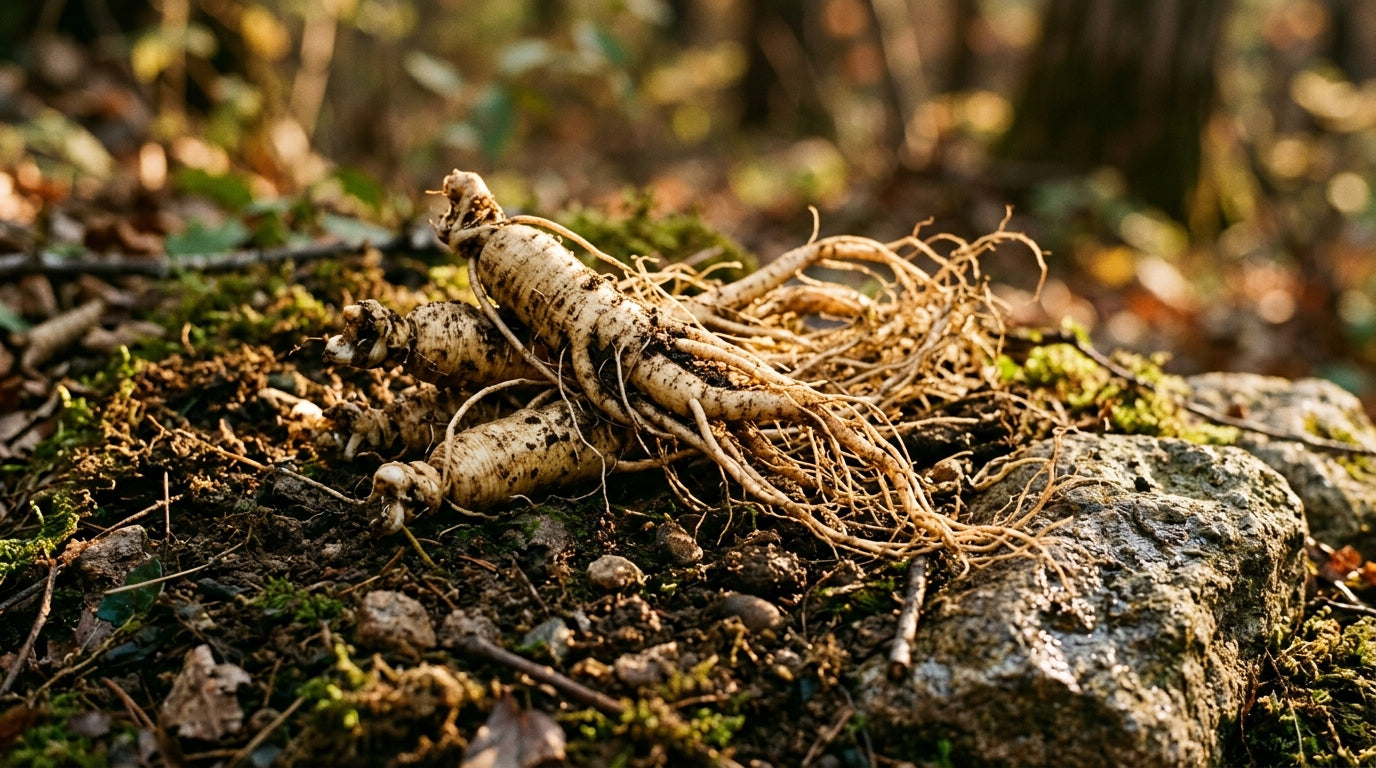
Kurrajong seeds (Brachychiton populneus) are nutrient-dense Australian native seeds containing approximately 18.1g protein, 24.7g fat, 567mg potassium per 100g, and bioactive flavonoids including quercetin and kaempferol derivatives whose antioxidant capacity correlates strongly (r=0.978) with total phenolic content via phosphomolybdenum reduction assays. No peer-reviewed PubMed-indexed clinical trials currently exist for this species, though ethnobotanical and compositional analyses confirm their traditional use as a high-energy bush food by Aboriginal Australians for thousands of years, with seeds typically roasted to remove irritant hairs before consumption.

Origin
Kurrajong Seeds (Brachychiton populneus) are native to the arid and semi-arid regions of Australia, particularly the eastern and central parts. The tree thrives in nutrient-poor, well-drained soils, and its seeds have been a vital source of sustenance for Aboriginal communities for millennia.
Potential benefits
- Promotes cardiovascular health by regulating cholesterol and enhancing circulation.
- Optimizes metabolic function by stabilizing blood glucose and lipid profiles.
- Boosts immune resilience through antimicrobial, anti-inflammatory, and antioxidant bioactives.
- Enhances digestive health by supplying prebiotic fiber and calming gastrointestinal inflammation.
- Supports cognitive performance by reducing neuroinflammation and protecting neurons.
- Provides sustained energy and supports muscle repair with high-quality plant-based protein.
How it works
Kurrajong seeds contain flavonoids—principally quercetin and kaempferol glycoside derivatives—and phenolic acids that scavenge reactive oxygen species (ROS) by donating hydrogen atoms from hydroxyl groups on their aromatic ring structures, thereby neutralizing superoxide anion (O₂⁻), hydroxyl (·OH), and peroxyl (ROO·) radicals. Phosphomolybdenum reduction assays indicate that the total antioxidant capacity of kurrajong seed extracts is strongly correlated (r=0.978) with total phenolic content, suggesting phenolics are the primary drivers of electron-transfer-based antioxidant mechanisms, reducing Mo(VI) to Mo(V). The seed's soluble dietary fiber fraction may function as a prebiotic substrate for colonic fermentation by Bifidobacterium and Lactobacillus species, producing short-chain fatty acids (SCFAs) such as butyrate that modulate NF-κB inflammatory signaling pathways in intestinal epithelial cells. Additionally, the lipid fraction—rich in oleic and linoleic fatty acids—may contribute to cardiovascular benefits through competitive inhibition of hepatic HMG-CoA reductase activity, though this mechanism remains unconfirmed in clinical studies specific to this species.
What the research says
Current evidence is limited to in vitro studies and nutritional analysis, with no human clinical trials reported. Laboratory studies by Batool et al. (2019) confirmed phytochemical profiles across different extracts and demonstrated antioxidant activity through various assays. Nutritional analysis reveals high protein content (18.1g/100g), beneficial fat profile (24.7g/100g), and significant mineral content including 288mg magnesium per 100g dry weight. Clinical efficacy data with human endpoints remains absent, limiting therapeutic claims.
Safety and interactions
Kurrajong seed pods contain fine irritant hairs (trichomes) that can cause significant skin and mucosal irritation if ingested raw; traditional Aboriginal preparation methods involve roasting the pods to neutralize these hairs before extracting and consuming the seeds. No formal drug interaction studies, CYP450 enzyme inhibition assays, or clinical safety trials have been conducted specifically on Brachychiton populneus seeds. Given the presence of quercetin and kaempferol—flavonoids known to inhibit CYP3A4 and CYP2C9 in vitro in other plant species—individuals taking warfarin, statins, or other CYP3A4/CYP2C9-metabolized medications should exercise caution until species-specific pharmacokinetic data become available. Pregnant and breastfeeding women should consult healthcare providers before consumption due to the absence of reproductive safety data.
Suggested use
- Traditional Use: Consumed by Indigenous Australians as a high-energy staple; roasted, ground into flour, or brewed as a coffee-like beverage.
- Modern Forms: Incorporated into protein powders, functional baking blends, and adaptogenic formulas.
- Culinary Use: Eaten whole as a snack, milled into flour for baking, blended into pastes, or steeped as a tea.
- Dosage: 1–2 servings daily in flour, powder, or roasted form for digestive, cardiovascular, and metabolic benefits.
Frequently asked questions
Do kurrajong seeds have antioxidant properties?
Yes. Kurrajong seeds contain flavonoids—primarily quercetin and kaempferol glycoside derivatives—and phenolic acids that neutralise reactive oxygen species (ROS) by donating hydrogen atoms from hydroxyl groups on their aromatic ring structures. This scavenges superoxide anion (O₂⁻), hydroxyl (·OH), and peroxyl (ROO·) radicals. Phosphomolybdenum reduction assays show a strong correlation (r=0.978) between total phenolic content and antioxidant capacity, indicating phenolics are the primary drivers. No clinical trials currently confirm these effects in humans, but phytochemical analyses consistently identify meaningful antioxidant potential.
How much protein do kurrajong seeds contain?
Kurrajong seeds provide approximately 18.1g of protein per 100g, making them a notable plant-based protein source comparable to many conventional legumes. They also contain around 24.7g fat, 11.2g carbohydrates, and 567mg potassium per 100g. This macronutrient profile supports muscle repair and sustained energy, which aligns with their historical use as a high-energy staple food among Aboriginal Australians. These figures come from Australian food science and ethnobotanical compositional analyses rather than clinical intervention studies.
Can kurrajong seeds help with blood sugar management?
Preliminary evidence suggests kurrajong seeds may support blood glucose stabilisation through their flavonoid content—quercetin and kaempferol derivatives are known in broader research to influence glucose metabolism and insulin sensitivity via anti-inflammatory and antioxidant pathways. Their modest carbohydrate content (approximately 11.2g per 100g) and healthy fat profile may also contribute to a lower glycaemic impact. However, no clinical trials specific to Brachychiton populneus have been published, so these metabolic benefits remain theoretically plausible rather than clinically proven.
Are kurrajong seeds safe to eat and are there any side effects?
Roasted kurrajong seeds are considered safe for consumption and have been eaten by Aboriginal Australians for thousands of years. However, raw seeds contain irritant hairs (trichomes) on the seed coat that can cause physical irritation to the mouth, throat, and digestive tract. Roasting effectively removes or neutralises these hairs before consumption. No documented systemic toxicity data exists in peer-reviewed literature. Individuals with tree nut or legume sensitivities should exercise caution, and anyone with specific health conditions should consult a healthcare provider before adding them to their diet.
Can kurrajong seeds be used as a coffee substitute?
Yes. Roasted and ground kurrajong seeds have traditionally been brewed as a coffee-like beverage by Aboriginal Australians. The roasting process develops a rich, nutty flavour profile that resembles coffee without containing caffeine. This makes kurrajong seed brew an option for individuals seeking a caffeine-free hot beverage with added nutritional value. Modern functional food formulations are beginning to incorporate kurrajong seed powder into adaptogenic and health-focused beverage blends, though standardised commercial products remain limited due to the ingredient's emerging status in mainstream markets.
What flavonoids are found in kurrajong seeds and what do they do?
Kurrajong seeds contain principally quercetin and kaempferol glycoside derivatives, two well-characterised flavonoids with documented antioxidant, anti-inflammatory, and antimicrobial properties in broader scientific literature. These compounds scavenge free radicals by donating electrons from hydroxyl groups on their aromatic ring structures, reducing oxidative stress. Quercetin is also associated with anti-inflammatory signalling by modulating cytokine pathways, while kaempferol has shown neuroprotective and cardioprotective potential in other plant-based studies. These mechanisms are inferred from phytochemical composition; no clinical trials on Brachychiton populneus specifically have been conducted.
How should I take kurrajong seeds for health benefits?
Kurrajong seeds can be consumed in several forms. Traditionally, they are roasted and eaten as a snack, ground into flour for baking, or brewed as a hot beverage. Modern formulations include protein powders, functional baking blends, and adaptogenic supplements. A general guideline based on traditional use and current functional food applications is 1–2 servings daily in flour, powder, or roasted form to support digestive, cardiovascular, and metabolic health. Always ensure seeds are properly roasted to neutralise irritant surface hairs before consumption. Consult a healthcare provider for personalised dosing guidance.
Is there scientific research supporting the health claims made about kurrajong seeds?
Currently, no peer-reviewed, PubMed-indexed clinical trials specifically investigating Brachychiton populneus seeds in human subjects have been published, representing a significant research gap for this traditional bush food. Available evidence is drawn from Australian food science compositional analyses, ethnobotanical records, and broader phytochemical screenings within the Brachychiton genus. Health benefit claims are largely extrapolated from the known bioactivity of identified compounds such as quercetin and kaempferol in other contexts. Robust clinical evidence is needed before definitive therapeutic claims can be made.
Are kurrajong seeds edible and how do you prepare them?
Yes, kurrajong seeds (Brachychiton populneus) are edible and have been consumed by Aboriginal Australians for thousands of years. The seed pods must first be roasted to destroy fine irritant hairs (trichomes) lining the interior; once opened, the yellow-orange seeds are extracted and can be eaten roasted, ground into flour for bread-making, or used as a coffee substitute when darkly roasted and brewed.
What are the nutritional benefits of kurrajong seeds?
Kurrajong seeds provide approximately 18.1g protein, 24.7g fat (predominantly oleic and linoleic fatty acids), 11.2g carbohydrates, and 567mg potassium per 100g, making them a nutrient-dense energy source. They also contain flavonoids such as quercetin and kaempferol derivatives with demonstrated antioxidant activity, along with dietary fiber that may support digestive health.
References
- https://fdc.nal.usda.gov/fdc-app.html#/search?query=Kurrajong+Seed
- https://fdc.nal.usda.gov/fdc-app.html#/search?query=Kurrajong+Seeds
- https://fdc.nal.usda.gov/fdc-app.html#/search?query=Kurrajong+Seeds+%28Brachychiton+populneus%29
- https://www.ncbi.nlm.nih.gov/search/all/?term=Kurrajong+Seed
- https://www.ncbi.nlm.nih.gov/search/all/?term=Kurrajong+Seeds
- https://www.ncbi.nlm.nih.gov/search/all/?term=Kurrajong+Seeds+%28Brachychiton+populneus%29
- https://pubmed.ncbi.nlm.nih.gov/20149710/
- https://pubmed.ncbi.nlm.nih.gov/?term=Kurrajong+Seed
- https://pubmed.ncbi.nlm.nih.gov/?term=Kurrajong+Seeds
- https://www.jstor.org/stable/43040534
- https://www.ncbi.nlm.nih.gov/pmc/articles/PMC4439501/
This article is educational and is not medical advice. Statements have not been evaluated by the FDA and are not intended to diagnose, treat, cure, or prevent any disease. Consult a healthcare professional before use.